
Quick Answer: Matching Brand Tiers to Your Dining Space
Selecting the ideal wooden dining chair in Singapore depends heavily on your housing type, spatial constraints, and long-term expectations. To find the right balance of quality and style, you must match your specific living situation with the appropriate brand tier.
Choose Premium Solid Wood Specialists if you reside in a landed property or a spacious condominium, prioritize heirloom-grade durability, appreciate traditional wood joinery, and have a flexible budget. These brands offer solid timber pieces that can be refinished multiple times over decades.
Choose Mid-Range Contemporary Designers if you need to maximize space in a typical Housing & Development Board (HDB) flat or compact apartment. These brands specialize in visually light Scandinavian, Japandi, or mid-century modern wooden chairs (木椅子) that fit snugly into dining nooks without sacrificing structural integrity.
Products mentioned in this guide
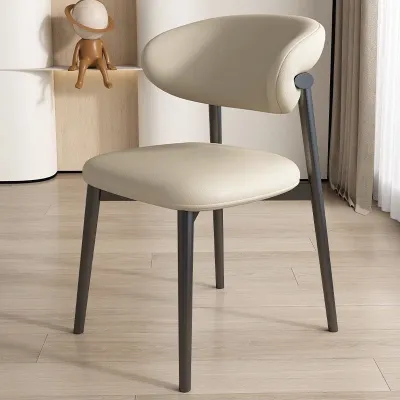
Prices are valid at publication and may change. Please refer to the product page for the latest price.
Choose Accessible Flatpack Retailers if you require immediate, budget-friendly seating for a temporary rental, a transitional home, or a first-time renovation where upfront costs are a primary constraint. These options are highly accessible, though they require periodic hardware tightening and careful moisture management to preserve their engineered wood or veneer surfaces.
Ultimately, achieving the perfect balance between style and quality depends on your home’s unique floor plan, the layout of your dining area, daily exposure to air-conditioning, and your willingness to perform basic timber maintenance.
Core Comparison Dimensions: Quality, Style, and Long-Term Value
When shopping for wooden dining chairs in Singapore, looking beyond the surface aesthetics is essential. A chair that appears beautiful on a showroom floor may perform poorly under the stress of daily use or fail to withstand the local tropical climate. To make an informed investment, you must evaluate three core pillars: structural quality, spatial fit, and long-term value.

Quality & Build: The structural integrity of a wooden chair relies heavily on how its components are joined together. High-quality wooden chairs utilize traditional woodworking joinery, such as mortise-and-tenon joints, dowel reinforcements, or corner blocks secured with heavy-duty screws. These methods distribute weight evenly and resist the natural twisting forces that occur when someone sits down. Conversely, mass-market alternatives often rely on basic butt joints held together by industrial glue and thin metal staples, which quickly fail under pressure. Furthermore, you should distinguish between true solid hardwood frames—such as teak, oak, or walnut—and engineered cores covered in paper-thin veneers, which cannot be sanded down or repaired if scratched.
Style & Spatial Fit: The design language of your dining chairs directly influences how spacious your dining room feels. In Singapore, where HDB BTO flats and modern condominiums often feature open-concept living-dining areas, spatial efficiency is paramount. Visually “light” designs—characterized by tapered legs, slender spindles, and open or low-profile backrests—allow light and sightlines to pass through the furniture, making a small room feel larger. On the other hand, heavy, high-backed, or fully upholstered wooden chairs carry significant visual weight. While these substantial designs look magnificent in large, dedicated dining rooms with high ceilings, they can easily overwhelm a compact dining nook, restricting physical movement and disrupting the flow of the home.
Long-Term Value: True value is calculated over the lifespan of the furniture, not just the initial price tag. When comparing brands, look for those that offer clear, written warranties covering the structural frame for at least two to five years. A brand’s willingness to stand behind its joinery is a strong indicator of manufacturing quality. Additionally, consider whether the brand provides replacement parts, such as floor glides, seat cushions, or hardware kits, which can significantly extend the chair’s usable life. Finally, evaluate the delivery and assembly services provided; professional delivery teams assemble the chairs using calibrated tools, preventing early joint stress caused by improper home assembly.
Comparing Wooden Dining Chair Brands by Design Category
To help you navigate the diverse furniture landscape in Singapore, we can categorize wooden dining chair brands into three distinct market tiers. Each tier serves a specific consumer need, balancing craftsmanship, design aesthetics, price, and lead times differently.
Premium Heritage and Solid Wood Specialists
Premium heritage brands and solid wood specialists cater to homeowners who view furniture as a lifetime investment. These brands typically source certified hardwoods like Indonesian teak, American black walnut, and European white oak. The manufacturing process emphasizes traditional craftsmanship, often featuring hand-sanded surfaces, organic oil finishes, and master-level joinery that highlights the natural grain patterns of the timber.
The primary strength of this category is exceptional longevity. Solid hardwood chairs are incredibly resilient; if they sustain scratches, water rings, or minor dents over years of family dinners, they can be professionally sanded down and refinished to look brand new. Their timeless, architect-designed silhouettes age gracefully, often developing a rich patina over time.
However, these premium options come with clear limitations. Prices are significantly higher, often starting from S$300 to over S$800 per chair, which can make furnishing a six-seater table a major financial commitment. Additionally, because many of these pieces are crafted to order or imported in limited batches, you may face lead times of several weeks or months. Physically, these chairs tend to be heavier and bulkier, requiring a dedicated dining space where they do not need to be constantly moved or stacked.
Mid-Range Contemporary and Space-Conscious Designers
Mid-range contemporary brands strike a deliberate balance between artistic design and urban practicality. This tier is highly popular among Singaporean homeowners who want stylish, designer-inspired spaces without the premium heritage price tag. These brands frequently utilize bentwood techniques, molded plywood, and mixed-material designs that combine solid wood frames with natural rattan, woven paper cord, or durable performance fabrics.
The standout advantage of these brands is their focus on space optimization and modern ergonomics. Many designs feature curved backrests that cradle the spine, compact footprints that slide completely under standard dining tables, and lightweight profiles that make daily cleaning easy. They excel at capturing popular interior design trends, such as Japandi minimalism or mid-century modern warmth, making it easy to coordinate your chairs with your overall home decor.
The main trade-off in this category lies in material composition. To achieve complex curves or keep prices accessible (typically ranging from S$150 to S$350 per chair), manufacturers may use engineered wood cores, such as medium-density fibreboard (MDF) wrapped in high-quality wood veneer, for the seat pans or backrests. While structurally sound, these veneered components cannot be deeply sanded or repaired in the same manner as solid timber, meaning you must protect them from deep scratches and excessive moisture.
Accessible Flatpack and High-Volume Retailers
Accessible flatpack and high-volume retailers focus on maximum convenience, immediate availability, and entry-level affordability. These brands are the go-to choice for renters, students, or young couples furnishing their first home on a tight budget. They utilize highly standardized manufacturing processes, relying on fast-growing, sustainable plantation timbers like rubberwood, or engineered wood products finished with protective laminates.
The strengths of this tier are convenience and cost-effectiveness. Chairs are typically priced under S$100, allowing you to furnish an entire dining area for a fraction of the cost of a single premium chair. Because they maintain massive stock levels, you can usually take your purchases home the same day or arrange for next-day delivery. If a chair is accidentally damaged beyond repair, replacing it is simple and inexpensive.
Nonetheless, these budget-friendly options have distinct limitations regarding long-term durability. Flatpack furniture relies on cam-locks, dowels, and bolts that can slowly loosen under the constant shifting of seated weight. Without regular maintenance to tighten these connections, the joints can become wobbly and unsafe. Additionally, the protective topcoats on mass-produced chairs are often thin, making them susceptible to chipping, peeling, or swelling if exposed to spills or high indoor humidity over extended periods.
Pre-Purchase and Delivery Inspection Guide for Tropical Climates
Singapore’s unique tropical climate—characterized by high relative humidity and constant warmth—presents specific challenges for wooden furniture. When shopping in showrooms or inspecting your delivered dining chairs, you should follow a structured inspection protocol to ensure your investment is built to last.
Checking the Finish: First, identify the type of finish applied to the wood. Surface-sealed finishes, such as polyurethane, lacquer, or acid-catalyzed varnishes, create an impermeable plastic-like barrier over the wood. This type of finish is highly recommended for busy households because it provides excellent protection against water spills, food stains, and humidity fluctuations. Penetrating finishes, such as natural oils or waxes, soak into the wood fibers to highlight the natural texture. While oil finishes offer a beautiful, tactile feel, they provide less protection against liquids and require you to reapply oil every six to twelve months to prevent the wood from drying out.
Inspecting Joinery and Stability: Before accepting a delivery or purchasing a floor model, perform a physical stability check. Place the chair on a completely flat surface and gently shake it from side to side and front to back. Any noticeable wobble, squeak, or creak indicates loose joints or uneven legs. Inspect the underside of the seat pan where the legs meet the frame; the joints should be tight, seamless, and free of visible glue squeeze-out or gaps. If the chair uses screws or bolts, ensure they are flush with the wood and threaded straight.
Evaluating Wood Movement: Solid wood is a living, breathing material that naturally expands and contracts as it absorbs and releases moisture. In Singapore, chairs often experience rapid environmental shifts—such as moving from a hot, humid morning with open windows to a cool, dry evening when the air-conditioning is turned on. To prevent the wood from warping, splitting, or cracking under this stress, high-quality chairs are designed with small expansion gaps or floating panels. Inspect the chair to ensure that solid wood seat pans or back slats have slight clearance at their borders, allowing the timber to move naturally without self-destructing.
Verifying Specifications: Always check the manufacturer’s official specifications before finalized purchase. Verify the maximum load capacity, which should ideally be at least 100 kg to 120 kg for daily residential use. Review the care label or instruction manual for specific cleaning restrictions. Avoid using harsh chemical cleaners, multi-purpose sprays, or abrasive pads, as these can strip away the protective finish and leave the underlying wood vulnerable to moisture rot and staining.
Frequently Asked Questions (FAQ)
How does Singapore's humidity affect solid wood dining chairs?
Solid wood is highly hygroscopic, meaning it constantly interacts with the surrounding atmosphere. In Singapore’s high humidity, raw or poorly sealed wood absorbs airborne moisture, causing the wood fibers to swell. When you turn on the air-conditioning, the air dries out rapidly, causing the wood to contract. This continuous cycle of swelling and shrinking puts immense pressure on glue lines and joinery. Over time, this can lead to hairline cracks along the wood grain or loose joints. To mitigate these effects, it is best to keep your wooden chairs away from direct sunlight and out of the direct path of air-conditioning vents. Maintaining a stable indoor environment and ensuring your chairs have a high-quality protective finish will help minimize wood movement.
What is the best wood finish for easy maintenance in a busy household?
For active households with children or frequent dinner guests, a polyurethane or lacquer finish is the most practical choice. These surface-sealed finishes create a durable, non-porous barrier that prevents water, oils, and colored sauces from penetrating the wood grain. Spills can simply be wiped away with a damp microfiber cloth without leaving permanent stains. If you prefer a more natural, matte aesthetic, look for modern hardwax-oil finishes. Hardwax-oils offer a compromise: they protect the wood better than traditional oils while retaining the organic texture of the timber. However, they still require occasional reapplication and prompt cleanup of spills to prevent water spots.

Community discussion
Share your experience or ask a question. Comments are reviewed before publication.