
Choosing the right dining chair is not just about finding an attractive design in a showroom. The ideal style depends heavily on your space’s existing architectural features, the available natural light, and your household’s daily lifestyle habits. Your dining area serves as a high-traffic hub where meals are shared, remote work is completed, and guests are entertained, meaning your seating must perform both visually and functionally.
To help you identify the best match for your home, look at your overall interior design direction. Modern dining chairs are perfect for sleek, curated spaces with polished finishes and minimalist decor. If you prefer a bright, cozy, and family-friendly atmosphere that relies on natural light and organic textures, Scandinavian chairs are your best choice. For homes with exposed concrete, brick accents, or a desire for a raw, visually textured aesthetic, Industrial chairs offer a compelling utilitarian edge.
In open-plan layouts, you do not have to limit your design to a single chair type. Pairing standard dining chairs with a matching or contrasting stool chair at a nearby kitchen island or breakfast bar is a highly practical way to bridge different zones. By selecting complementary styles across these different seating heights, you can establish a cohesive visual flow that accommodates both formal dining and casual, everyday gatherings.
Products mentioned in this guide
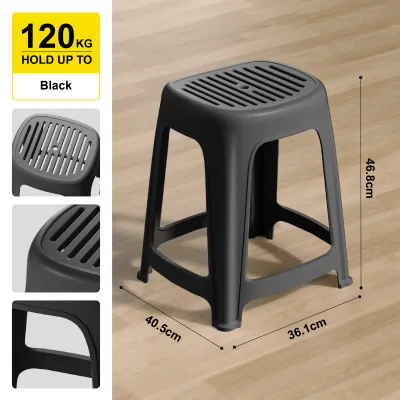
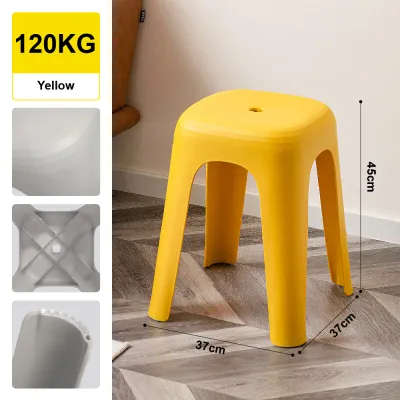
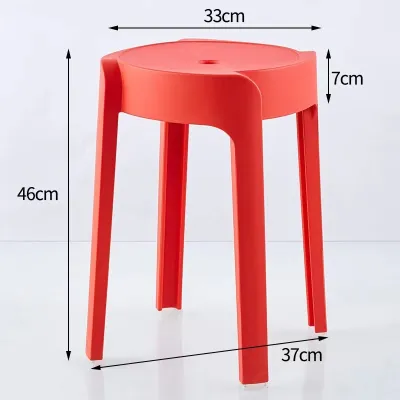
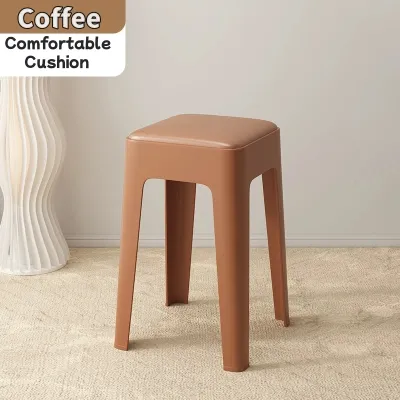
Prices are valid at publication and may change. Please refer to the product page for the latest price.
The Visual Blueprint: Modern, Scandinavian, and Industrial Profiles
Understanding the core aesthetic characteristics, typical silhouettes, and visual textures of each style allows you to identify which elements will harmonize with your current dining table and surrounding cabinetry.
Modern Dining Chairs: Sleek Lines and Bold Statements
Modern design focuses on clean, uninterrupted lines, geometric shapes, and minimalist silhouettes that reject unnecessary ornamentation. These chairs often feature low profiles, cantilevered bases, or single-piece molded frames that challenge traditional four-legged structures. The visual emphasis is on structural clarity, where the shape of the chair itself serves as a functional piece of art.
Aesthetic markers for modern chairs typically include smooth, highly polished surfaces. You will frequently see materials like molded plastics, polished metals, smooth leathers, or high-gloss lacquered finishes. While these materials establish a sophisticated look, their presence is primarily an aesthetic choice rather than a guarantee of long-term durability.
The color palettes of modern dining chairs are generally highly controlled. Monochromatic schemes—such as stark whites, deep blacks, and cool grays—are incredibly common. When color is introduced, it is typically done with deliberate, high-contrast accent shades like mustard yellow, deep teal, or burnt orange, designed to draw the eye.
Scandinavian Dining Chairs: Warm Minimalism and Natural Textures
Scandinavian design beautifully balances minimalist principles with warmth and organic comfort. Unlike the sometimes cool detachment of ultra-modern designs, Scandinavian chairs are characterized by gentle curves, tapered legs, and inviting, soft silhouettes. The goal is to create a welcoming dining environment that feels deeply connected to nature.
The primary visual medium for this style is light-toned natural wood. Species such as ash, oak, and beech are frequently utilized, showcasing their natural grain patterns under clear, matte protective finishes. To complement the wooden frames, designers often incorporate woven paper cord, rattan, or soft, textured fabrics like boucle, wool blends, and linen in neutral tones.
The color palette of Scandinavian seating is intentionally light and airy, designed to maximize natural light. Soft whites, warm beiges, muted grays, and gentle pastels dominate this style. This light color profile reduces the visual weight of the chairs, allowing them to blend seamlessly into a room without making the dining zone feel cluttered.
Industrial Dining Chairs: Raw Materials and Utilitarian Edge
Industrial design draws its inspiration from converted warehouses, factories, and loft spaces. This style celebrates a utilitarian, work-focused aesthetic where the construction elements of the furniture are proudly put on display rather than hidden behind fabric or trim. The shapes are often blocky, architectural, and robust, conveying a sense of permanent, structural stability.
Key visual markers of industrial dining chairs include distressed metals, raw or reclaimed timber, visible rivets, heavy-duty welds, and matte or oxidized finishes. Gunmetal gray, rusted iron, and matte black steel frames are frequently paired with dark, heavily grained wood seats or distressed leather cushions. These textures give the chairs a weathered, lived-in character.
The color palette of industrial seating is naturally darker and moodier. Deep charcoals, rust browns, dark walnuts, and matte blacks are the standard choices. These deeper tones introduce visual grit and architectural contrast, making them excellent statement pieces in rooms with neutral walls.
Practical Comparisons: Space, Maintenance, and Comfort
While aesthetics are crucial for initial appeal, the long-term success of your dining room setup depends on how these chairs perform during daily use. Evaluating physical footprints, maintenance requirements, and ergonomic comfort will help you choose a style that aligns with your household’s lifestyle.

Visual Weight and Room Proportions
The physical design of a dining chair significantly influences how spacious your dining room feels. In compact dining areas, Scandinavian and certain Modern designs are highly advantageous. Their slender, tapered legs and open, low-profile backrests allow light to pass through, maintaining clear sightlines across the room and making the overall space feel larger.
In contrast, Industrial dining chairs often feature thicker steel frames, solid wooden seats, or enclosed metal backs. This substantial construction gives them a heavier visual weight. While these bold designs are excellent for anchoring a large, open-concept dining hall, they can easily overwhelm a small, enclosed dining nook, making the area feel cramped.
When choosing any chair style, always consider the physical footprint of the legs. Some modern and industrial designs feature legs that splay outward significantly beyond the seat’s edge to provide stability. These splayed legs require a wider clearance circle and can easily become tripping hazards in tight dining spaces or prevent the chairs from being tucked fully under the table.
Surface Care and Everyday Maintenance
Keeping your dining chairs clean requires different approaches depending on their surface finishes. Modern chairs with smooth, non-porous surfaces like molded plastic, polished metal, or finished leather are generally the easiest to maintain. Routine care typically involves simple dusting and wiping down with a soft, damp microfiber cloth to remove fingerprints and daily dust.
Scandinavian chairs, which frequently feature woven paper cord, light-colored fabric upholstery, or matte wood finishes, require a more delicate touch. Regular maintenance involves gentle vacuuming with a soft brush attachment to prevent dust from settling into the weave, alongside prompt spot-cleaning of spills. Because light-colored fabrics and natural wood are susceptible to staining, keeping up with these gentle routines is essential.
Industrial chairs, with their metal joints and wooden surfaces, have unique care needs. While they are visually forgiving of minor scuffs due to their distressed nature, you must periodically inspect metal joints for signs of moisture buildup or rust, especially in humid climates. Additionally, checking and tightening exposed hardware every few months is a smart safety practice to keep the frames completely stable. Always check the manufacturer’s specific care labels before applying any cleaning agents or wood conditioners.
Seating Comfort and Ergonomic Profiles
A beautiful chair is of little use if it does not support comfortable seating during long dinners. Scandinavian designs excel in ergonomic comfort, as they are historically rooted in human-centric design. The gentle curves of bentwood backrests and the natural flexibility of woven paper cord or upholstered seats conform naturally to the body, providing excellent support for extended periods of sitting.
Modern dining chairs, on the other hand, sometimes prioritize striking, sculptural silhouettes over deep, contouring support. A minimalist molded plastic or metal chair can feel rigid during long meals. If you fall in love with a modern design that lacks built-in cushioning, you can easily improve its comfort by adding high-quality, slip-resistant aftermarket seat pads that complement the chair’s color scheme.
Industrial chairs often feature flat, solid wood seats and upright, rigid metal backrests that encourage a structured sitting posture. While highly durable and supportive for quick meals, they can feel hard during long conversations. For daily family dining, adding tailored cushions or choosing industrial models with integrated leather seat pads can significantly enhance the overall seating experience.
Layout Strategies: Pairing Dining Chairs with Stool Chairs
Many contemporary homes, particularly in urban environments with compact footprints, feature open-concept floor plans where the dining room flows directly into the kitchen. This layout often includes both a formal dining table and an elevated kitchen island or breakfast bar. To make these adjacent zones feel cohesive, you must carefully coordinate your standard dining chairs with your counter-height stool chair selections.
The primary functional difference between these seating types is height. Standard dining chairs are designed for tables that stand around 75 cm tall, while a stool chair is built for elevated counters that typically range from 90 to 105 cm. Because these two seating areas sit in close visual proximity, their designs must relate to one another to prevent the open-plan space from looking disjointed.
There are two primary design strategies you can employ to harmonize these seats:
- The Matching Approach: This strategy involves choosing a single design collection and purchasing both the standard dining chairs and the matching stool chairs from that same line. For example, pairing light oak Scandinavian dining chairs with the exact same style of oak counter stools creates a clean, unified, and highly disciplined look that makes the entire kitchen-dining zone feel like a single, cohesive space.
- The Contrasting Approach: If you prefer a more dynamic, curated look, you can intentionally mix styles to zone the spaces visually. For instance, you might place sleek, minimalist Modern chairs around your main dining table to establish an elegant dining area, while placing raw, matte-black Industrial stool chairs at the kitchen island to define it as a casual, high-activity food prep and snacking zone. To make this contrast work, ensure there is at least one unifying element, such as matching black metal legs on both styles of seating.
Regardless of the styling strategy you choose, always verify the physical clearance before purchasing. Measure the distance from the floor to the underside of your kitchen counter, and subtract the seat height of your chosen stool chair. You need a clearance of 25 to 30 cm to ensure comfortable legroom and prevent your knees from pressing against the counter structure.
Quick-Scan Comparison Matrix
To help you quickly compare the visual and practical aspects of each dining chair style, refer to the factual summary table below.
| Style | Visual Vibe | Best Suited For | Primary Maintenance Focus |
|---|---|---|---|
| Modern | Sleek, geometric, high-contrast, and minimalist | Curated spaces, apartments, and contemporary homes | Wiping down smooth surfaces and protecting high-gloss finishes |
| Scandinavian | Warm, organic, light-filled, and inviting | Family-focused homes, bright spaces, and cozy interiors | Vacuuming woven elements and spot-cleaning light fabrics |
| Industrial | Raw, architectural, moody, and utilitarian | Spacious lofts, open-plan layouts, and rustic decors | Checking metal joints for rust and tightening exposed hardware |
Your Decision Framework and Pre-Purchase Checklist
To make your final decision with complete confidence, use this structured framework to align your aesthetic preferences with your home’s physical realities.
Decision Rules
- Choose Modern if: You love a highly curated, gallery-like aesthetic, prefer high-contrast or monochromatic color schemes, and want smooth, easy-to-wipe surfaces that require minimal deep cleaning.
- Choose Scandinavian if: You want to create a warm, bright, and family-friendly dining space that relies on natural wood textures, soft fabrics, and comfortable, organic shapes.
- Choose Industrial if: You have a spacious, open-plan layout with raw architectural details like concrete or brick, and you appreciate heavy-duty, utilitarian furniture with a weathered, historic character.
- Verify first if: You plan to mix different styles or integrate a stool chair alongside standard dining chairs. Ensure that there is a clear, unifying design thread—such as matching leg materials or a shared color palette—so the transition looks deliberate and stylish rather than accidental.
Pre-Purchase Logistics
Before finalizing your purchase and arranging for delivery, perform these essential physical checks to avoid costly return fees and installation headaches:
- Check Seating Clearance: Measure the height of your dining table or kitchen island. Your dining chair or stool chair seats should sit 25 to 30 cm below the underside of the tabletop or counter to allow for comfortable leg movement and proper posture.
- Verify Access Paths: For high-rise apartments, condominiums, or HDB flats in Singapore, measure the exact dimensions of your doorway frames, stairwells, and elevator cabins. Ensure that the packaged chairs or pre-assembled stool chairs can easily navigate these tight corridors during delivery.
- Assess Floor Protection: Note the material of your dining room flooring. Hard metal or solid wood legs can scratch delicate surfaces like parquet, vinyl, or polished marble. Ensure you have appropriate protective pads ready to install on the feet of your new chairs.
Frequently Asked Questions (FAQ)
Can I mix different chair styles around one dining table?
Yes, mixing different chair styles is an excellent way to add personality to your dining room. To prevent the arrangement from looking chaotic, maintain at least one unifying element across all the chairs. This could be a consistent wood tone, a matching metal finish on the legs, or a uniform seat height. For example, you can pair different backrest designs around the table as long as they all share the same matte-black steel legs.
How do I protect my floors from industrial metal chair legs?
Heavy industrial metal chairs can easily scratch or scuff hard flooring surfaces like hardwood, laminate, or polished tile. To prevent this damage, apply high-quality, heavy-duty felt pads or durable rubber floor protectors to the bottom of all chair legs. Because these protective pads wear down over time from daily friction, inspect them every few months and replace them as needed to keep your floors safe.
Are stool chairs suitable for standard dining tables?
No, standard stool chairs are not suitable for standard dining tables. Standard dining tables typically measure around 75 cm in height and require chairs with a seat height of approximately 45 cm. Stool chairs (both counter and bar height) are much taller, designed for surfaces that are 90 to 105 cm high. Attempting to use a tall stool chair at a standard table will leave virtually no legroom and result in an awkward seating position. If you prefer elevated seating, you must pair your stool chairs with a matching counter-height dining table.
Community discussion
Share your experience or ask a question. Comments are reviewed before publication.