
Selecting the perfect wooden coffee table for a Japandi or Scandinavian living space requires balancing minimalist form with everyday utility. You must look for clean-lined silhouettes, natural matte or oiled finishes that highlight organic wood grains, and sturdy, low-profile structures. Beyond aesthetics, evaluating brand transparency regarding material sourcing, joinery techniques, and precise spatial dimensions ensures the table fits both your design vision and the practical constraints of your home.
In modern living rooms, the coffee table serves as a central anchor. It bridges your seating arrangement, provides essential surface area, and sets the visual tone for the entire room. By focusing on authentic design features and verifiable craftsmanship, you can select a piece that not only complements your interior style but also stands up to years of daily use.
Understanding Japandi and Scandinavian Aesthetics
While Japandi and Scandinavian styles share a core philosophy of minimalism and functionality, they bring distinct visual energies to an interior. Scandinavian design, originating from the Nordic countries, prioritizes light, airiness, and practical comfort. It relies heavily on pale timbers like ash, beech, and light oak to maximize natural light. The overall feel is bright, clean, and cozy, often incorporating soft textiles and gentle curves to create a welcoming atmosphere.
Products mentioned in this guide
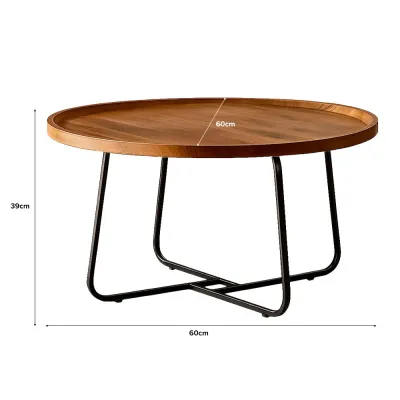
![[OKLIFE. SG]Round Coffee Table Home Small Apartment Round Combination Coffee Table Scandinavian Round Wooden Coffee Table](https://img.lazcdn.com/g/p/7019da209de73231f21d08753c6d77f4.jpg_400x400q80.jpg_.webp)
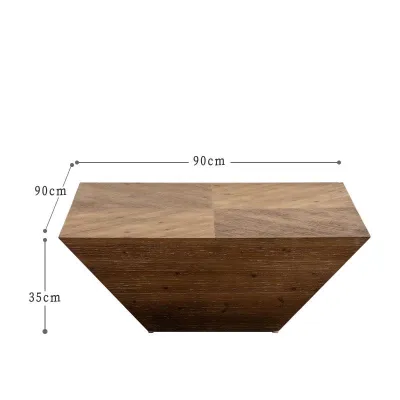
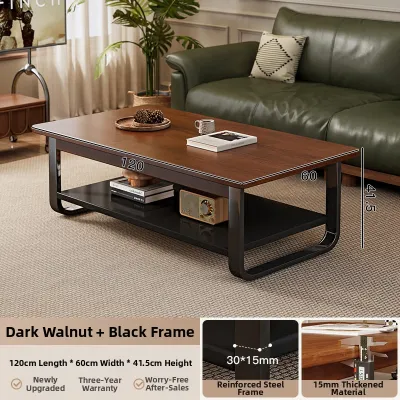
![AUREO [Customizable] R Nordic Solid Wood Coffee Table Small Apartment Living Room Table American Creative Solid Wood Coffee Table Living Room Coffee Table](https://img.lazcdn.com/g/p/5b6e6dee6e78454b4f690a0c39142ca6.jpg_webp_400x400q80.jpg_.webp)
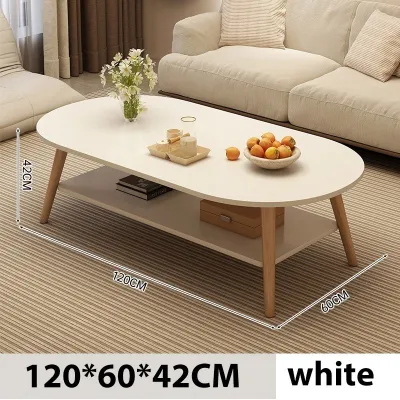
Prices are valid at publication and may change. Please refer to the product page for the latest price.
Japandi design is a hybrid movement that infuses this Scandinavian functionality with Japanese rustic minimalism, often associated with the philosophy of wabi-sabi. This style introduces warmer, richer wood tones like walnut or medium oak, lower furniture profiles, and a deeper appreciation for organic imperfections. Japandi spaces tend to feel more grounded, serene, and closely connected to nature, utilizing raw textures and darker accents to create contrast.
Despite these differences, both aesthetics reject unnecessary ornamentation, celebrate natural materials, and prioritize clean lines. The wooden coffee table in these spaces should not dominate the room with excessive visual weight. Instead, it should act as a harmonious connector, blending seamlessly with neutral color palettes, textured rugs, and low-slung seating to create a balanced, uncluttered environment.
Key Design Features to Look For
To find a wooden coffee table that authentically represents these minimalist styles, you must evaluate several specific physical and visual attributes. The choice of wood tone, finish, silhouette, and structural detailing all contribute to the overall aesthetic success of the piece.

Wood Tones and Finishes
Look for natural, matte, or lightly oiled surfaces rather than high-gloss, thick polyurethane coatings or heavily artificial stains. High-gloss varnishes reflect light harshly and obscure the natural texture of the wood, which contradicts the organic warmth central to both styles. A matte or low-sheen lacquer protects the timber while preserving its tactile quality.
For a Scandinavian look, prioritize pale woods with subtle grain patterns, such as ash, white oak, or beech. If you lean toward Japandi, consider warmer, richer tones like natural oak, teak, or walnut. Ensure the finish allows the natural variations, knots, and grain of the wood to remain visible, celebrating the material’s inherent character.
Silhouettes and Edge Profiles
Evaluate the lines of the table to ensure they align with minimalist principles. Clean, geometric lines—such as a simple rectangular or square top—work well in structured spaces. Alternatively, soft, organic curves, such as round or pebble-shaped tops, can soften the visual flow of a room and make navigation easier in tight layouts.
Pay close attention to the edge profiles of the tabletop. A beveled or rounded edge reduces the visual thickness of the wood, making the table appear lighter and more elegant. Low-profile heights, typically ranging from 30cm to 40cm, are highly characteristic of Japandi design, drawing inspiration from traditional Japanese floor-seating culture and keeping sightlines open.
Leg Structures and Joinery
Tapered, slender legs are a hallmark of classic mid-century Scandinavian design, lifting the table off the ground to create an airy, floating effect. For a more grounded Japandi feel, look for sturdy plinth bases, block legs, or cylindrical column supports. These structures provide a sense of stability and architectural presence.
Examine the table for visible traditional joinery, such as mortise-and-tenon joints, dovetails, or dowel details. These elements serve a dual purpose: they provide exceptional structural integrity and act as subtle, unornamented decorative features that highlight the maker’s craftsmanship.
Surface Detailing
True minimalist design relies on the material itself for decoration. Avoid coffee tables with ornate carvings, heavy metal corner brackets, or excessive hardware. If the table includes storage features like drawers or shelves, they should feature integrated finger pulls, beveled edges, or push-to-open mechanisms rather than protruding metal handles.
Evaluating Brand Qualities and Craftsmanship
When shopping for a wooden coffee table, look beyond aesthetic appeal to evaluate the manufacturer’s reliability, material transparency, and construction standards. This ensures you invest in a durable piece that retains its beauty over time.
Material Transparency
A reputable brand should clearly disclose the exact materials used in construction. Look for detailed product descriptions that specify whether the table is made of solid wood, wood veneer over an engineered core (such as high-density fiberboard or plywood), or entirely engineered wood.
Solid wood offers unmatched longevity and the ability to be sanded down and refinished if damaged. However, high-quality wood veneers applied over a stable core are also excellent options, particularly in humid climates like Singapore, as they resist warping and cracking caused by moisture fluctuations. Avoid brands that use vague terms like “wood finish” or “wooden look” without clarifying the underlying material.
Sustainability Credentials
Because natural materials are central to both Japandi and Scandinavian design, environmental responsibility is a key consideration. Look for brands that source their timber from responsibly managed forests. Recognized certifications, such as the Forest Stewardship Council (FSC) or the Programme for the Endorsement of Forest Certification (PEFC), indicate that the wood is harvested ethically.
Additionally, check the brand’s official documentation for statements regarding the finishes used. Eco-friendly brands often utilize low-VOC (volatile organic compound) water-based lacquers, natural oils, or waxes. These finishes are safer for indoor air quality and are more environmentally friendly to apply during manufacturing.
Craftsmanship Indicators
Review product specifications and assembly manuals to assess how the table is constructed. High-quality tables use robust joinery methods rather than simple wood screws driven directly into the timber. Look for metal-on-metal connection points for flat-pack items, which allow you to disassemble and reassemble the table without stripping the wood.
For solid wood tabletops, check if the brand incorporates structural reinforcements underneath, such as metal tension rods or wooden cleats (battens) running perpendicular to the grain. These reinforcements allow the wood to expand and contract naturally with humidity changes without warping or splitting.
After-Sales Support
Verify the warranty terms provided by the brand. A reliable manufacturer typically offers a warranty covering structural defects, joint failures, or premature wood splitting. Additionally, check if the brand provides clear care instructions, touch-up kits, or recommended maintenance products, such as specific wood oils or waxes, to help you preserve the finish.
Practical Sizing and Spatial Planning
To ensure your wooden coffee table fits comfortably into your living room, you must carefully plan its dimensions and placement. This is especially important in Singapore apartments, where optimizing floor space is essential for maintaining an airy, uncluttered feel.
Measuring Floor Space and Clearance
Begin by measuring the available floor space in front of your sofa. To ensure comfortable movement, maintain a clearance of 35cm to 45cm between the edge of the coffee table and the sofa cushions. This provides sufficient legroom while keeping the table surface within easy reach. Additionally, ensure there is at least 60cm of clearance between the table and any opposite furniture, such as a TV console, to allow for a clear walkway.
As a general rule, the total length of the coffee table should be approximately one-half to two-thirds the length of your sofa. A table that is too short will look lost, while one that is too long will make the seating area feel cramped and difficult to navigate.
Assessing Table Height
For optimal ergonomics, the height of your coffee table should be within 2cm to 5cm of your sofa’s seat cushion height. A table that sits significantly higher than the sofa cushions disrupts the low-slung, relaxed horizon characteristic of Japandi design. Conversely, a table that is too low can be awkward to reach when setting down drinks or items.
Visual Weight and Leg Clearance
In compact living rooms, the visual weight of the furniture is just as important as its physical dimensions. To make a small space feel larger, choose a coffee table with slender, tapered legs or an open frame that allows you to see the floor underneath. This keeps the layout feeling light and airy.
If you have a spacious, open-plan living area, you can opt for a more substantial piece, such as a solid block table or a plinth-base design. These styles anchor the seating zone effectively, preventing the furniture from feeling disconnected in a large room.
Planning for Multi-Functional Needs
Consider how you use your living room daily. If you require versatility, nested coffee tables are an excellent solution. They can be stacked together to save space or separated when hosting guests. If you need storage but want to maintain a minimalist aesthetic, look for tables with a low, open shelf or integrated, handle-free drawers that keep clutter out of sight without adding bulk.
Building Your Shortlist: A Pre-Purchase Checklist
Before making your final decision, use this step-by-step verification flow to compare your top candidates and ensure they meet all design, quality, and spatial requirements.
- Style Alignment: Does the wood tone complement your existing furniture? (e.g., pairing light oak with ash, or warm walnut with neutral textiles).
- Dimension Verification: Have you confirmed the table height matches your sofa, and is there at least 35cm of clearance around it?
- Material Check: Is the table made of solid wood or high-quality veneer, and is the finish matte or low-VOC?
- Access Check: Will the packaged table fit through your apartment doorway, hallway, and lift?
Candidate Comparison Matrix
Use this matrix to compare your final options before purchasing:
| Evaluation Criteria | Candidate A | Candidate B | Candidate C |
|---|---|---|---|
| Wood Type & Finish | e.g., Solid Oak, Matte Lacquer | e.g., Walnut Veneer, Oiled | e.g., Ash, Water-based Finish |
| Joinery & Build Quality | e.g., Mortise-and-Tenon | e.g., Metal-on-Metal Connectors | e.g., Dowel Joints |
| Dimensions & Fit | e.g., L90 x W50 x H38 cm | e.g., L100 x W60 x H40 cm | e.g., Round, D80 x H35 cm |
| Brand Transparency | e.g., FSC Certified, Clear Care | e.g., Low-VOC, 1-Year Warranty | e.g., FSC Certified, Care Kit |
Red Flags to Watch For
Be cautious of listings with vague material descriptions, such as “wood-like finish” or “composite wood,” which often indicate low-grade materials that cannot be repaired if damaged. Avoid tables that lack clear care instructions or those with disproportionate scaling, such as an excessively thick tabletop paired with thin, unstable legs. Finally, ensure the brand provides a clear return policy in case the item arrives with transit damage or structural defects.
Frequently Asked Questions (FAQ)
How do I protect a matte-finished wooden coffee table from water rings?
Matte-finished wood is highly valued for its natural appearance, but it requires protection from moisture. Always check the manufacturer’s specific care label for approved cleaning agents and sealants. Use physical barriers such as coasters, felt pads, or decorative trays to prevent direct contact with hot mugs or cold, sweating glasses. Wipe up any spills immediately with a soft, dry microfiber cloth using a gentle blotting motion rather than aggressive rubbing, which can burnish the matte finish and create permanent shiny spots.
Can I mix Japandi and Scandinavian furniture pieces in the same room?
Yes, you can easily mix these two styles because they share a foundation of functional simplicity, clean lines, and natural materials. To maintain visual harmony, balance the warmer, slightly darker wood tones of Japandi (such as walnut or warm oak) with the lighter, airy elements of Scandinavian design (such as ash or beech). Use neutral textiles, textured rugs, and soft, warm lighting to bridge the visual gap between different wooden furniture pieces, creating a cohesive and inviting space.

Community discussion
Share your experience or ask a question. Comments are reviewed before publication.