
Finding the right coffee table is more than just picking a surface to hold your drinks; it is about selecting an anchor piece that unifies your entire living room. The right coffee table acts as a visual bridge, connecting your seating, rug, and lighting into a cohesive design narrative. To make a successful choice, you must balance aesthetic harmony with functional proportions, ensuring the table matches your existing decor while leaving enough physical space for comfortable movement. By evaluating your room’s dominant style, measuring key clearances, and selecting materials suited to your lifestyle, you can confidently choose a piece that elevates your home.
Identify Your Living Room's Core Design Style
Before browsing online marketplaces or visiting local showrooms, take a step back to analyze your current living room setup. Your coffee table should not exist in a vacuum; it must dialogue with your existing ‘anchor’ pieces. Look closely at your sofa—is it a structured, low-profile sectional, or a plush, high-backed classic? Examine your primary rug, noting whether it features bold geometric patterns, neutral textures, or rich, traditional motifs. Even your lighting fixtures, such as a sleek matte-black track light or a warm brass pendant, provide essential clues about the design direction of your space.
Next, identify the dominant color palette and texture patterns throughout the room. A space filled with cool greys, whites, and polished concrete suggests a modern or industrial leaning, whereas a room rich in warm oak, linen, and earthy terracotta points toward Scandinavian or rustic styles. Take note of how colors are distributed; if your room relies heavily on neutral tones, your coffee table can either blend in seamlessly or serve as a contrasting focal point.
Products mentioned in this guide
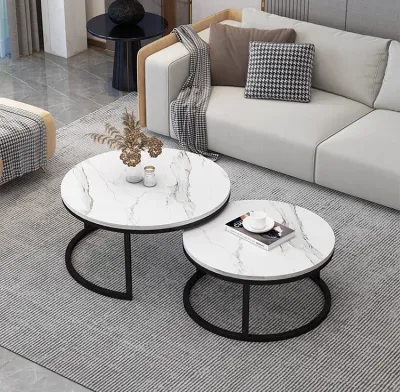
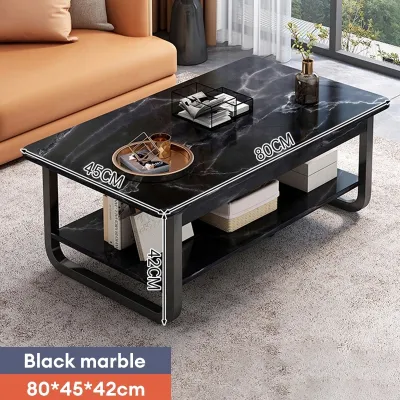

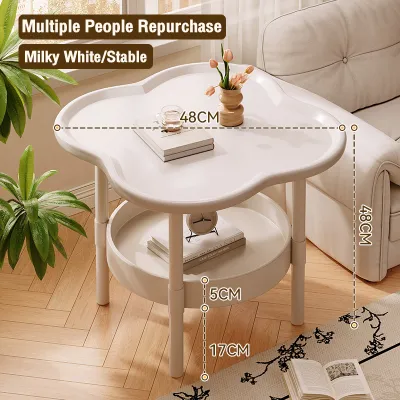
![[3S FURNITURE] Stylish Lightweight Coffee Bed Side Table with Pine Wood Table Leg (6 Months Local Warranty)](https://img.lazcdn.com/g/p/8114c6cc9f8d167c664dbce77b09ff53.png_400x400q80.png_.webp)
![[SG Seller]Sofa side severe beds table simple tea table adjustable small table movable coffee table Bedroom Bedside Table Bedside Supporter](https://img.lazcdn.com/g/p/37c47fac9b8beaa9d432c8053b37ccbf.jpg_400x400q80.jpg_.webp)
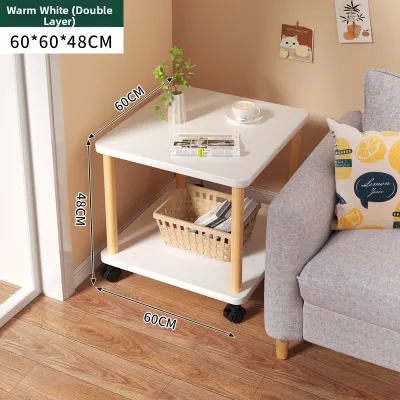

Prices are valid at publication and may change. Please refer to the product page for the latest price.
Finally, define the overall mood you want to project. A cozy, family-centric living room demands soft edges, warm materials, and highly durable surfaces. A formal, sleek lounge might prioritize sculptural lines, glass, or polished stone that emphasizes elegance over casual comfort. Understanding this mood prevents you from buying a table that looks beautiful in isolation but feels jarringly out of place once positioned in your home.
Match Coffee Table Styles to Popular Interior Aesthetics
Every interior design movement has a distinct visual vocabulary expressed through shapes, materials, and structural details. When these elements are mirrored in your coffee table, the entire room feels intentional and balanced. Let us explore how specific coffee table styles align with the most popular interior design aesthetics.

Minimalist and Scandinavian
Minimalist and Scandinavian aesthetics celebrate simplicity, functionality, and a deep connection to natural elements. A coffee table designed for these spaces typically features clean geometric silhouettes, such as perfect circles, soft rectangles, or organic pebble shapes. Light wood tones like ash, beech, and pale oak dominate this category, often finished with a matte lacquer that preserves the natural grain without adding artificial shine.
To maintain an uncluttered, airy atmosphere, look for tables that offer clever, hidden storage solutions or nesting configurations. Nesting tables are particularly useful in compact urban apartments, as they can be stacked together to save floor space and pulled apart when hosting guests. Slim profiles, slender tapered legs, and an absolute lack of ornate carvings or heavy hardware ensure these tables preserve the visual lightness of your living room.
Industrial and Mid-Century Modern
If your living room leans toward a more character-rich, expressive aesthetic, industrial or mid-century modern designs offer excellent options. Industrial coffee tables are defined by their raw, utilitarian appeal, frequently combining matte-black iron or steel frames with reclaimed or distressed wood tops. Exposed rivets, metal brackets, and heavy-duty casters are common design markers that add a rugged, architectural edge to the space.
In contrast, mid-century modern tables focus on organic curves, retro-inspired silhouettes, and warm, medium-to-dark wood finishes like walnut and teak. Look for iconic design traits such as gently tapered ‘spindle’ or ‘hairpin’ legs, surfboard-shaped tops, and integrated slatted magazine racks. When introducing these styles, balance the heavy metal or dark wood elements by pairing them with softer surrounding textiles, such as a plush wool rug or linen throw cushions, to keep the room feeling warm and inviting.
Contemporary and Traditional
Contemporary and traditional styles represent two opposite ends of the design spectrum, yet both offer sophisticated solutions for the modern home. Contemporary coffee tables are defined by current design trends, often showcasing bold, sculptural bases made of concrete, terrazzo, or powder-coated metal. They frequently utilize glass tops to create a sense of infinite space, alongside high-gloss lacquers and asymmetrical shapes that double as functional art pieces.
Traditional coffee tables, on the other hand, draw inspiration from classic European design, featuring rich, dark wood stains like mahogany or cherry, intricate hand-carved details, and elegant curved cabriole legs. To avoid style clashes in transitional spaces—which blend elements of both worlds—choose a table that bridges the gap. For instance, a simple rectangular wooden table with clean lines but a slightly distressed classic finish can ground a transitional room without feeling outdated or overly formal.
Key Dimensions and Proportions for a Balanced Look
Even the most beautiful coffee table will feel out of place if its dimensions do not harmonize with your seating arrangement. Achieving the perfect balance requires careful measurement of height, length, and clearance space.
Begin by measuring the height of your sofa’s seat cushions. As a general rule, your coffee table’s surface should sit at the same height as your sofa cushions, or up to two inches lower. A table that is too high disrupts the sightline and makes resting a drink awkward, while a table that is too low requires uncomfortable bending. If you have a low-slung, modern sofa, look for a low-profile platform table; for a traditional, deep-seated sofa, a standard-height table is essential.
Next, consider the length of the table relative to your sofa. To maintain visual proportion, your coffee table should measure approximately one-half to two-thirds the total length of your sofa’s seating area. For example, if your sofa seating width is 180 cm, look for a table that is roughly 90 cm to 120 cm long. This ensures the table is easily reachable from all seats without dominating the entire seating cluster.
Finally, map out the clearance requirements around the table to ensure smooth traffic flow. Leave a gap of 35 cm to 45 cm between the edge of the coffee table and the front of your sofa. This distance is close enough to easily reach for items on the table, yet wide enough to allow comfortable legroom and easy passage. Additionally, ensure there is at least 60 cm to 75 cm of clear walkway space between the outer edges of the table and adjacent furniture pieces, such as armchairs, TV consoles, or sideboards, to prevent the room from feeling cramped.
Material and Finish Checklist for Your Chosen Style
Selecting the right material is a crucial step that bridges your aesthetic goals with the practical realities of daily maintenance. In warm, humid tropical climates, materials behave differently, making it essential to choose finishes that can withstand both environmental factors and daily wear.
Solid wood brings unmatched warmth and natural beauty to a room, making it a staple for Scandinavian, mid-century, and rustic styles. However, natural wood is sensitive to humidity fluctuations and spills; look for tables treated with water-resistant polyurethane or hardwax oil finishes, and always use coasters to prevent unsightly water rings. Glass and acrylic tables are exceptional for contemporary and minimalist spaces, as their transparent surfaces allow light to pass through, making small rooms feel larger. While glass is highly resistant to moisture, it requires frequent wiping to remove fingerprints, dust, and smudges.
Metal tables, particularly those made of powder-coated steel, iron, or aluminum, offer incredible durability and structural stability, making them perfect for industrial or modern settings. Ensure the metal is treated with a rust-resistant coating to protect it from humid air. Stone surfaces, such as marble, travertine, or terrazzo, add a luxurious, tactile element to contemporary and traditional rooms alike. Because natural stone is porous and highly susceptible to staining from acidic liquids like coffee or juice, verify that the manufacturer has applied a high-quality sealer, and plan to reapply it periodically to maintain its pristine look.
How to Finalize Your Coffee Table Shortlist
Once you have narrowed down your choices to a few specific models, it is time to run a final verification checklist to ensure your selection is practical for your home and delivery process.
First, double-check the exact product dimensions against your physical living room layout. Use painter’s tape or newspaper to map out the table’s footprint on your floor; this simple step provides a realistic, three-dimensional sense of how much space the table will occupy. Do not forget to measure your home’s entry points. In high-rise apartments or condominiums, ensure the packaged table can easily fit through narrow doorways, tight corridors, and passenger lift doors.
Next, evaluate the table’s weight capacity and structural stability, especially if you have young children, pets, or a habit of resting your feet on the table. A pedestal table with a heavy stone top must have a wide, stable base to prevent tipping, while a lightweight nesting set should feel sturdy enough not to wobble during daily use.
Finally, review the retailer’s assembly requirements, delivery conditions, and return policies. Some solid wood or stone tables arrive fully assembled but are extremely heavy, requiring professional delivery services to safely transport them to your living room. Other flat-packed options may require self-assembly; check if the necessary tools are included or if you need to prepare your own. Whether you are budgeting for the table itself or factoring in delivery fees in S$, understanding the return policy is equally important, giving you peace of mind in case the table’s color or scale does not translate as expected once placed in your unique lighting.
Frequently Asked Questions (FAQ)
Can I mix two different design styles for my coffee table?
Yes, mixing design styles is an excellent way to create a personalized, transitional look that prevents your living room from feeling like a showroom catalog. The key to successful style blending is finding a common thread, such as color, material, or silhouette, to tie the pieces together. For example, you can easily place a sleek, contemporary glass-topped table with a matte-black metal frame into a traditional room if the room already features black metal light fixtures or dark picture frames. This shared color palette creates a visual link that makes the contrast feel intentional rather than accidental. Avoid combining too many conflicting focal points; if your coffee table is a bold, sculptural statement piece, keep your surrounding side tables and decor relatively understated.
What shape of coffee table works best for a small living room?
For compact living rooms, round or oval coffee tables are generally the most efficient choices. The absence of sharp corners makes it much easier to navigate tight walkways without bumping into edges, which is particularly beneficial in high-traffic areas. Visually, round tables soften the boxy lines of small rooms and sofas, creating a more fluid, open feel. If you prefer rectangular shapes, consider nesting tables that can be tucked away when not in use, or a glass-topped table that allows the floor or rug underneath to remain visible, reducing visual clutter. Lift-top coffee tables are also highly functional for small spaces, as they easily convert from a low table into a raised work or dining surface, eliminating the need for extra furniture.
Community discussion
Share your experience or ask a question. Comments are reviewed before publication.