
Chair socks repeatedly slip off because they lose their elastic grip, struggle to cling to smooth furniture legs, or simply do not match the shape of your chair’s feet. While these fabric protectors are excellent for preventing scratches on hardwood, laminate, or vinyl floors, a mismatch in size or a lack of internal friction will cause them to bunch up and slide down with every movement of the chair. Fortunately, you do not have to discard them immediately. Simple adjustments using household items or minor modifications can restore their grip and keep them firmly in place.
By understanding why these protectors fail, you can apply targeted fixes that preserve both your furniture and your flooring. Whether you need to add internal traction, use temporary adhesives, or transition to a more durable alternative, securing your chair socks is a straightforward task that requires minimal tools.
Common Reasons Why Chair Socks Slip Off
Identifying the specific physical and structural causes behind slipping chair socks is the first step toward a lasting solution.
Products mentioned in this guide
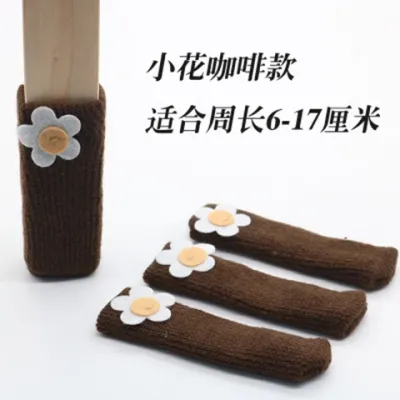
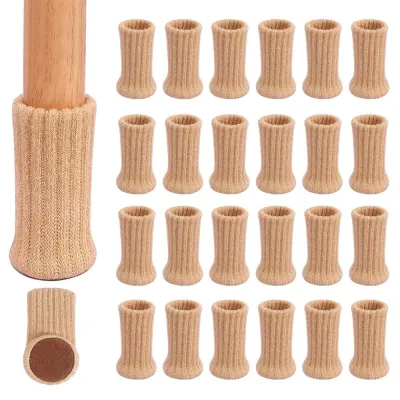
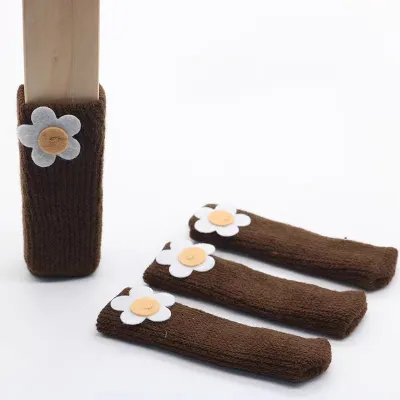
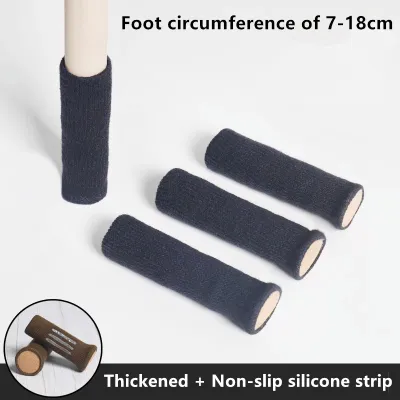
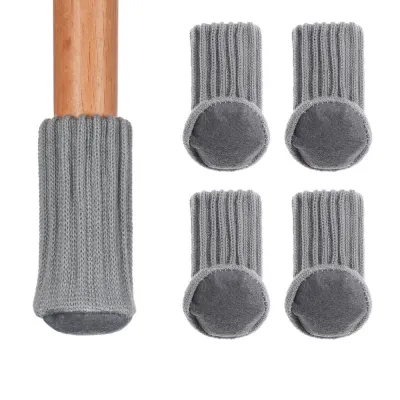
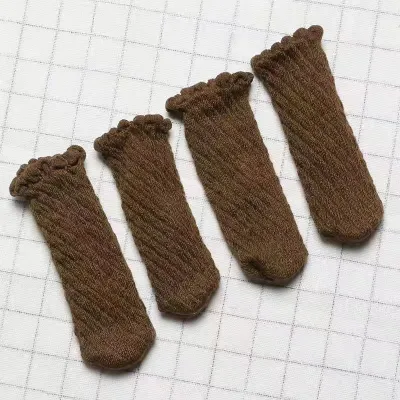
Prices are valid at publication and may change. Please refer to the product page for the latest price.
One of the most frequent culprits is a size and shape mismatch. Chair legs are rarely uniform cylinders; many modern and mid-century modern designs feature tapered legs that narrow toward the bottom, while rustic or industrial styles may have square, rectangular, or unusually thick legs. When a standard, round fabric sock is stretched over a square leg, the sharp corners put uneven tension on the fabric, pulling it downward. Conversely, tapered legs offer no natural ledge or wider base to hold the sock in place, allowing gravity and the back-and-forth motion of daily use to slide the fabric right off the foot.
Material limitations also play a significant role in how well these accessories perform over time. Most budget-friendly chair socks are knitted from acrylic, polyester, or cotton blends with only a small percentage of elastic fibers. Over weeks of stretching and sliding, these fibers lose their elasticity and memory, resulting in a loose, saggy fit that can no longer hug the leg. Additionally, smooth furniture materials like polished wood, powder-coated metal, or slick plastic offer almost zero natural friction. Without sufficient surface grip, the sock relies entirely on compression, which naturally degrades as the fabric ages.
Finally, the physical condition of the chair leg itself can actively work against the sock. Inspect the bottom of your chair legs for sharp edges, splinters, protruding metal staples, or old nail-on glides. These rough spots act like tiny hooks. Every time you pull a chair out or push it back in, these imperfections catch the inner fibers of the fabric, pulling the sock downward and eventually tearing the material from the inside out.
Practical Fixes to Keep Chair Socks in Place
You can easily secure loose chair socks using safe, reversible methods that will not damage your furniture’s finish or leave permanent marks.

Adding internal friction is one of the most effective ways to stop the sliding without altering the exterior look of the sock. You can insert a small, self-adhesive felt pad or a rubber bumper directly onto the bottom of the chair leg before pulling the sock over it. This extra layer fills any empty space inside the toe of the sock and provides a physical barrier that prevents the fabric from shifting. Another simple trick is to apply a few dots of hot glue or puff paint to the inside of the sock’s cuff, allowing it to dry completely before wearing. This creates a custom rubberized grip that clings to the smooth leg surface.
Using removable adhesives can provide a stronger hold for high-traffic dining chairs. Double-sided furniture tape or thin hook-and-loop strips can secure the sock’s cuff to the leg. To apply, wrap a single layer of double-sided tape around the leg where the top of the sock rests, then slide the sock up and press it firmly against the tape. However, you must always test any adhesive on a hidden area of the chair leg first, such as the underside of a stretcher or a high spot on the inner leg, to ensure it will not strip the varnish, paint, or wood stain when removed. Avoid heavy-duty industrial tapes, which leave a gummy residue that is difficult to clean.
Creating an inner liner is an excellent solution if your chair socks are slightly too large. You can install a thin, clear silicone cap or a piece of heat-shrink tubing over the bottom of the chair leg first. This acts as a high-friction primer. The silicone cap provides a tacky surface that holds the fabric sock in place, while heat-shrink tubing (shrunk carefully with a hairdryer) adds a durable, non-slip collar around metal or wooden legs. This dual-layer approach combines the soft, floor-gliding benefits of the fabric sock with the unyielding grip of silicone.
When to Replace Chair Socks Instead of Fixing Them
While DIY fixes are highly effective, there comes a point where worn-out protectors must be replaced to prevent floor damage.
Recognizing the signs of irreversible wear will save you from frustrating, repetitive repairs. If the elastic cuffs of your chair socks are completely stretched out, wavy, and no longer return to their original shape when removed, the elastic fibers have snapped. Similarly, if the fabric at the bottom of the sock has thinned to a translucent mesh or developed holes, it can no longer protect your floors. Holes mean the hard wood or metal of the chair leg is making direct contact with your flooring, which can lead to costly scratches.
When shopping for replacements on your preferred online marketplace, use a strict selection checklist to ensure a perfect fit. Do not guess the size of your chair legs. Use a flexible measuring tape to find the exact perimeter (circumference) of the leg at its widest and narrowest points. If the leg is square, measure the width of one side. Prioritize replacement socks that feature built-in internal silicone grips—these are wavy bands of silicone printed inside the cuff that cling directly to the leg. Look for high-spandex blends (at least 5% to 10% spandex or elastane) to ensure long-term elasticity.
If fabric socks consistently fail due to heavy daily use, pet hair accumulation, or unusual leg shapes, it may be time to evaluate alternative protectors. Heavy-duty silicone caps with integrated felt bottoms offer a snug, form-fitting grip that does not slip or stretch out. Alternatively, threaded screw-in felt glides or tap-on felt pads provide a permanent, low-profile solution for wooden chairs, eliminating the fabric look entirely while keeping your floors safe.
Preventive Maintenance for Long-Lasting Grip
A small amount of routine care can significantly extend the lifespan of your chair socks and maintain their non-slip properties.
Establishing a regular cleaning routine is essential. Dust, pet hair, and floor polish residue accumulate on both the inside and outside of chair socks over time, acting like a lubricant that causes them to slide down. Remove the socks every few months to wash them. Hand wash them in warm water or place them in a mesh laundry bag on a gentle machine cycle, then air dry them to preserve the elastic fibers. While the socks are off, wipe down the chair legs with a damp microfiber cloth to remove built-up oils, wax, and dust.
Environmental factors also play a role in how well the elastic holds up. High humidity levels, common in tropical climates, can accelerate the degradation of elastic bands and cause certain adhesives to fail. Avoid placing chairs with fabric socks in areas exposed to direct, intense sunlight or high moisture, such as open balconies or near damp entryways, as this weakens the synthetic fibers and causes premature sagging.
Finally, proper furniture preparation prevents premature wear. Before putting new or freshly washed socks on wooden chairs, take a moment to inspect the leg bottoms. Use a fine-grit sandpaper (such as 220-grit) to gently smooth out any rough edges, splinters, or sharp corners. This simple step prevents the wood from snagging the fabric fibers during daily movement, ensuring your protectors stay intact and functional for years to come.
Frequently Asked Questions (FAQ)
Can I use super glue to permanently attach chair socks?
No, you should never use super glue, hot glue, or other permanent adhesives to attach fabric socks directly to your furniture. These glues penetrate the wood grain or bond permanently with metal finishes, causing irreversible damage. When the socks eventually wear out or get dirty, removing them will strip away the paint, varnish, or wood fibers, leaving an unsightly mess. Stick to removable, non-damaging friction methods like silicone liners or light double-sided furniture tape.
Do chair socks work on chairs with casters or wheels?
No, chair socks are designed exclusively for stationary legs. Attempting to stretch them over wheels or casters will block the rolling mechanism, causing the wheels to drag and scratch your floors. It also creates a serious tripping hazard if the fabric bunches up under the wheel. For wheeled office chairs, use dedicated caster cups, a protective chair mat, or replace the standard hard plastic wheels with soft polyurethane rollerblade-style wheels designed for hard floors.

Community discussion
Share your experience or ask a question. Comments are reviewed before publication.