
Protecting your floors from scratches, scuffs, and scraping noises is a priority for any homeowner. Whether your home features delicate teak parquet, polished marble, or modern luxury vinyl tiles, heavy furniture movement can quickly dull and damage these surfaces. Installing fabric chair socks is a highly effective, cost-efficient, and reversible solution to this common household problem.
To ensure these protectors stay firmly in place and perform their job, you must select the correct size and apply specific installation techniques tailored to your chair’s unique leg profile. Properly matching the sock’s dimensions to your specific chair leg shape—whether round, square, or tapered—and preparing the surface beforehand will prevent slipping and ensure long-lasting floor protection.
Preparing Your Chairs and Selecting the Right Chair Socks
Before purchasing any furniture accessories, accurate measurement is essential. Standard household chairs come with a wide variety of leg profiles, and guessing the size often leads to loose socks that slip off or tight socks that tear at the seams. To measure your chair legs accurately, gather a flexible sewing tape measure, a standard ruler, or a pair of calipers.
Products mentioned in this guide
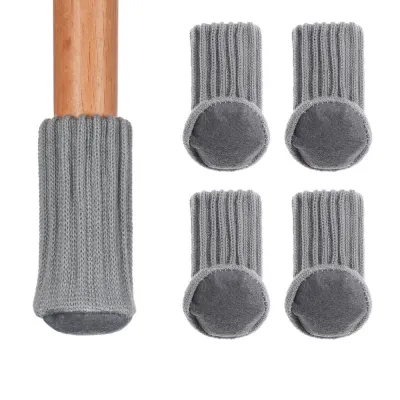
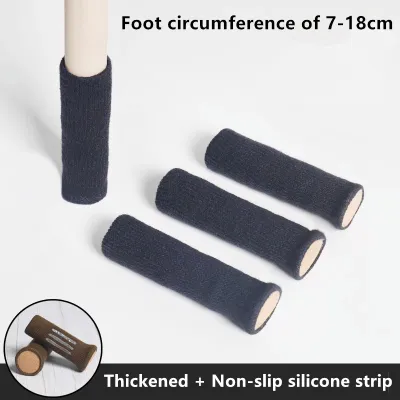
![[SG Stock] Chair Leg Protector Chair Socks Foot Cover Furniture Table Anti Scratch Non-slip Floor Protectors](https://img.lazcdn.com/g/p/80b61faacb3df647e22bed2a3ad43fba.jpg_400x400q80.jpg_.webp)
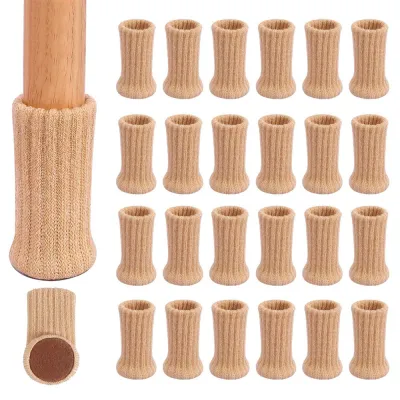
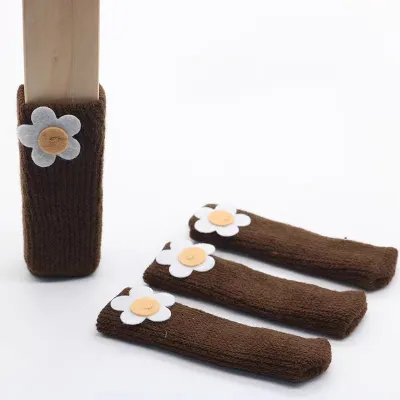
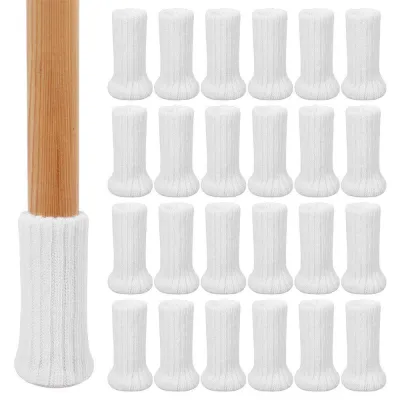
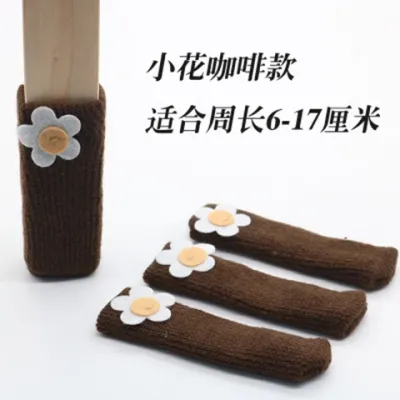
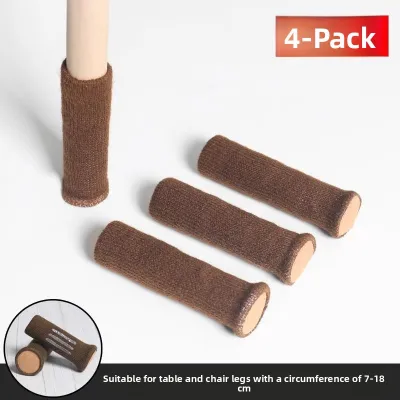
Prices are valid at publication and may change. Please refer to the product page for the latest price.
For round legs, measure the diameter across the very bottom of the leg where it contacts the floor. If you do not have a flexible tape measure, wrap a piece of string around the leg to find the circumference, mark the overlap, and measure that length against a flat ruler. You can then divide the circumference by 3.14 to calculate the diameter.
For square legs, measure the width of one flat side. For rectangular or irregular legs, measure both the width and the depth to understand the overall perimeter. Write these measurements down so you can reference them easily when browsing options on your preferred online marketplace.
Once you have these measurements, compare them directly with the manufacturer’s sizing charts. Most chair socks are knitted from a blend of polyester, cotton, and elastic fibers like spandex, allowing them to stretch. However, every product has a designated stretch limit.
Avoid choosing a size where your leg measurement sits at the absolute maximum limit of the sock’s capacity. The constant tension can degrade the elastic fibers quickly and cause the fabric to thin out. Conversely, choosing a size that is too large will result in the socks sliding down under the weight of the chair.
Preparation also involves cleaning the surface of the chair legs. In warm and humid climates, dust, pet hair, and floor cleaning residues easily accumulate on furniture legs, creating a slick barrier. If you install the socks over this grime, the internal silicone grips will not be able to hold onto the leg surface.
Wipe down the bottom few inches of each chair leg using a damp microfiber cloth and a mild, non-greasy detergent. Allow the legs to dry completely before attempting to slide the socks on, as trapped moisture can damage wooden legs over time.
Step-by-Step Installation for Round and Square Legs
Round and square legs are the most common profiles found on dining chairs and bar stools. While they are relatively straightforward to cover, improper installation can stretch the fabric unevenly or dislodge the internal grip mechanisms.

To begin, hold the chair sock and locate the internal silicone grip bands, which are typically printed on the inside of the upper cuff. Gently stretch the opening of the sock using the fingers of both hands. Avoid pulling solely on the top hem or seam, as excessive force can snap the delicate elastic stitching.
Instead, place your fingers inside the body of the sock to distribute the stretching force evenly across the fabric. This protects the integrity of the weave and keeps the internal silicone grips intact.
Slowly slide the stretched sock over the bottom of the chair leg. Guide it upward in a smooth, straight motion rather than twisting it onto the leg. Twisting can cause the fabric fibers to bunch up, which reduces the overall tension and makes the sock more likely to slip down during daily use.
Once the sock is pulled up to its full height, focus on the bottom alignment. The reinforced bottom pad—which is often made of thick felt or double-layered knit—must sit completely flat against the floor.
If the pad is skewed or sitting at an angle up the side of the leg, the chair’s weight will press down on the thinner side fabric instead of the protective pad. This uneven distribution leads to rapid wear, potential floor scratches, and an unstable, wobbly seating experience.
Finally, perform a quick tension and stability check. Gently wiggle the chair from side to side and slide it across the floor. Observe the socks to ensure they do not twist, bunch, or slide downward. The fabric should hug the leg tightly, and the bottom pad should remain centered directly beneath the leg’s footprint.
Securing Chair Socks on Tapered and Angled Legs
Tapered legs, which narrow gradually toward the floor, and angled legs, which flare outward at an angle, present a unique physical challenge. Because gravity and the sliding motion of the chair naturally push the sock toward the narrower end of the leg, standard cylindrical socks often slip off these profiles within a few days of use.
To address this, prioritize selecting chair socks specifically designed for non-standard leg shapes. Look for products that feature built-in adjustable hook-and-loop straps, tie-backs, or high-elasticity bands at the top cuff. These features allow you to customize the tension at the narrowest point of the leg, preventing the sock from sliding downward.
When installing socks on tapered legs, position the upper cuff of the sock slightly higher up the leg shaft where the diameter is naturally wider. This utilizes the leg’s wider upper section to create a natural wedge effect, keeping the elastic taut and preventing the sock from sliding down past the narrow bottom. Ensure the bottom pad still covers the base of the leg fully without being pulled too tight.
For angled legs, the bottom of the leg meets the floor at an angle rather than sitting perfectly flat. This means the protective pad of the sock will also sit at an angle. To prevent uneven wear, look for highly flexible socks that can conform to this angled footprint, or select socks with articulated felt bases designed to pivot.
Avoid using unapproved secondary securing methods like household tape, glue, or metal staples to keep the socks in place. These adhesives can melt in humid conditions, leaving a sticky residue that ruins wood finishes, while staples can scratch your floors if the fabric wears through. If the socks do not stay secure using their built-in tension or manufacturer-approved straps, it is a sign that the size or shape is incorrect for your specific furniture.
Troubleshooting Fit Issues and Routine Maintenance
Even with a perfect initial installation, chair socks require regular inspection and maintenance to ensure they continue protecting your floors. If you notice that the socks are starting to slip off, begin by checking for common fit issues.
Over time, the elastic fibers can degrade due to friction, tension, and environmental factors like humidity. If the fabric feels loose or has lost its springiness, it is time to replace the socks.
Another common cause of slipping is the accumulation of dust and pet hair inside the sock. When debris gets trapped between the internal silicone grips and the chair leg, it eliminates the friction needed to keep the sock upright. Remove the socks and inspect both the inside of the fabric and the chair legs for any residue.
Washing your chair socks regularly is essential for maintaining their grip and cleanliness. Always refer to the manufacturer’s care label for specific washing instructions. Generally, fabric chair socks should be washed in cold or lukewarm water using a mild detergent.
To protect the delicate elastic fibers and internal silicone grips from damage, place the socks inside a mesh laundry bag before putting them in the washing machine. Avoid using fabric softeners, as they leave a coating that can reduce the effectiveness of the silicone grips.
Never put chair socks in a high-heat clothes dryer, as excessive heat can melt the silicone pads and destroy the elastic spandex fibers. Instead, reshape the socks and lay them flat to air dry in a well-ventilated indoor area away from direct sunlight.
Regularly inspect the bottom pads of the socks for signs of wear and tear. Over months of sliding across floors, the felt or knit material will naturally thin out. Additionally, the fibers can trap small particles of sand, grit, or dirt from the floor.
If left unaddressed, this embedded grit acts like sandpaper, scratching your delicate flooring every time the chair is moved. If you observe thinning fabric, holes, or heavily soiled bottom pads that cannot be cleaned, replace the socks immediately to maintain optimal floor protection.
Frequently Asked Questions (FAQ)
Can I use chair socks on chairs with casters or wheels?
Standard chair socks are designed exclusively for stationary, solid chair legs. Attempting to fit them over casters or wheels is highly discouraged, as the fabric will interfere with the rolling mechanism, causing the wheels to lock up or slide unpredictably. This can damage your flooring and pose a safety hazard to anyone sitting in the chair. If you need to protect floors from rolling office chairs, look for specialized caster cups, soft polyurethane replacement wheels designed for hard floors, or a dedicated chair mat.
How often should I wash my chair socks?
The frequency of washing depends on your household environment and how often the chairs are used. In homes with pets or high foot traffic, dust, hair, and outdoor grit can accumulate quickly. A good rule of thumb is to inspect the socks every two to three months. If you notice visible dirt, pet hair buildup, or if the socks are starting to slide down, remove them for a wash. Regular washing not only keeps them looking clean but also restores the grip of the internal silicone bands by removing dust barriers.
Community discussion
Share your experience or ask a question. Comments are reviewed before publication.