
Finding the right mattress firmness is not just about choosing a soft or hard surface; it is a critical decision that directly affects your spinal alignment and sleep quality. Your primary sleeping position dictates where your body applies the most pressure and how your spine aligns throughout the night. If your mattress does not match your sleep style, you risk waking up with chronic lower back pain, neck stiffness, or joint discomfort.
Diagnose Your Sleep Position and Spinal Alignment Needs
Your sleeping posture determines how your body weight is distributed across the bed and where you require the most support to keep your spine in a neutral position.
- Side Sleepers
When you sleep on your side, your shoulders and hips protrude deeply into the mattress. This position requires a surface that provides substantial pressure relief to prevent these high-pressure zones from being compressed. Without adequate cushioning, your spine will curve unnaturally downward, leading to shoulder aches and hip misalignment. - Back Sleepers
Sleeping on your back distributes your body weight more evenly, but it introduces a distinct challenge: supporting the lumbar spine. Your lower back has a natural inward curve that must be preserved. If a mattress is too soft, your pelvis sinks too deep, flattening this curve; if it is too firm, the mattress fails to fill the gap under your lower back, leaving your lumbar muscles tense all night. - Stomach Sleepers
This position is highly prone to causing spinal strain. When lying on your stomach, your midsection carries the majority of your weight. If the mattress comfort layers are too soft, your pelvis sinks, causing your lower spine to hyperextend into an unnatural arch. To prevent this, stomach sleepers need a highly supportive, rigid surface that keeps the body flat and aligned. - Combination Sleepers
If you frequently toss and turn or shift positions throughout the night, your needs are dynamic. You require a balanced surface that offers enough responsiveness for easy movement. A mattress that is too soft will make you feel "stuck," requiring extra physical effort to turn over, which can disrupt your sleep cycles.
Match Your Sleep Style to the Right Firmness Level
To find a mattress that accommodates your body, you must map your sleep style to the standard mattress firmness scale. Firmness is typically rated on a scale of 1 to 10, with 1 being cloud-soft and 10 being solid as a floor. Understanding where your sleeping position fits on this spectrum helps narrow down your choices before you begin shopping.
Products mentioned in this guide
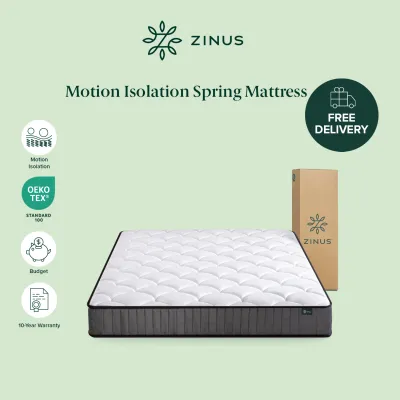
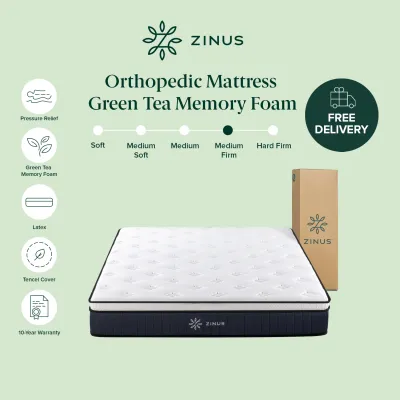
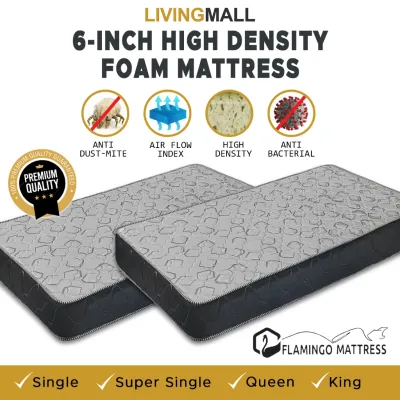
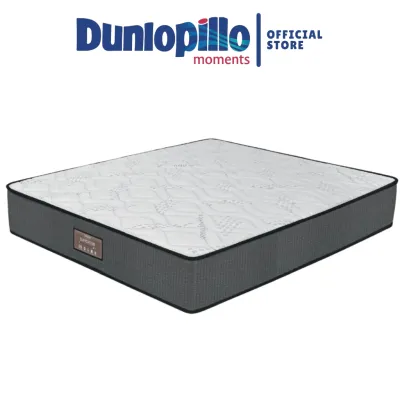
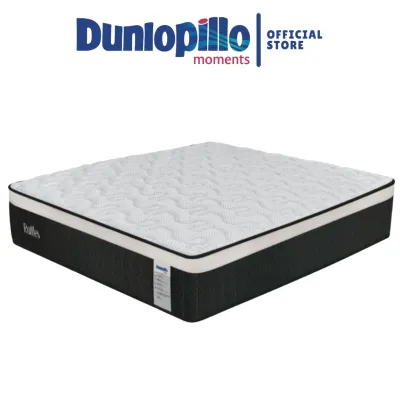
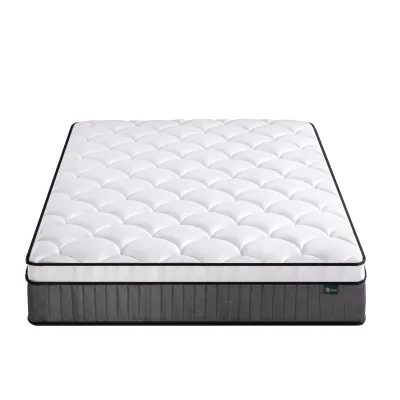
Prices are valid at publication and may change. Please refer to the product page for the latest price.

- Soft to Medium-Soft (3 to 5 on the scale)
These levels are generally suited for dedicated side sleepers. The plush comfort layers contour closely around the prominent joints of your shoulders and hips, redistributing your weight and reducing pressure points. This contouring effect allows your body to sink just enough to keep your spine straight from your neck to your tailbone. - Medium to Medium-Firm (6 to 7 on the scale)
Often described as the versatile zone, this range is ideal for back sleepers and combination sleepers. It offers a balanced feel, providing initial cushioning for comfort while maintaining a strong upward push-back. This prevents the heavier parts of your body from sinking too deeply while still cradling your shoulders and lower back. - Firm to Extra-Firm (8 to 10 on the scale)
Stomach sleepers and individuals who prefer a rigid, "on-the-bed" sensation require these firmer surfaces. A firm mattress resists compression under the pelvis, keeping your hips aligned with your shoulders. It minimizes the risk of lower back hyperextension and ensures that your chest and midsection remain level. - Support vs. Firmness
It is crucial to distinguish between core support and surface firmness. Core support is provided by the base layers of a mattress—such as pocketed coils or high-density support foam—and is responsible for keeping your spine aligned. Surface firmness, on the other hand, is the initial feel of the top comfort layers. A mattress can have a soft, plush surface feel while still offering exceptional deep-down support.
How to Navigate Firmness Options in the Woosa Range
When evaluating the Woosa range, you can apply these general firmness principles by carefully examining the brand’s official specifications and materials. Woosa designs mattresses tailored to different sleep preferences, making it essential to look beyond marketing terms and analyze the structural layout of each model.
- Checking Official Specifications
Start by visiting the official Woosa website to review the designated firmness ratings and structural profiles for each mattress model. The brand explicitly labels its mattresses to help buyers identify which models lean toward plush comfort or rigid support. Pay close attention to the listed height, layer sequence, and target sleep positions on the official product sheets. - Understanding Core Materials
The sleep feel and longevity of a Woosa mattress depend heavily on its material composition. Models that incorporate premium memory foam, natural latex, or individually pocketed spring systems behave differently under pressure. For instance, natural latex provides a responsive, bouncy feel that prevents you from sinking, while memory foam offers deep contouring. Pocketed spring systems provide targeted zoning, meaning they compress independently to support your body's heaviest areas while minimizing motion transfer. - Using Brand Resources
Rather than guessing which model suits you, leverage the official resources provided by the brand. Woosa offers online sleep quizzes, detailed firmness guides, and direct customer service channels. Consulting with their support representatives or using their interactive tools can provide personalized recommendations based on your specific height, weight, and sleep habits. - Avoiding Generic Review Scores
While customer reviews can offer insight into delivery experiences or customer service, avoid relying solely on subjective, aggregated review scores to judge mattress firmness. Firmness perception is highly individual; a mattress that one reviewer describes as "perfectly firm" might feel "too hard" to someone with a lighter build or a different sleeping position. Always prioritize official specifications and your own physical needs over crowd-sourced opinions.
Adjust for Body Weight and Environmental Factors
Even if you and another sleeper share the exact same sleeping position, a mattress will not feel identical to both of you. Personal physical attributes and your local environment play a massive role in how a mattress performs and how firm it feels in daily use.
- Body Weight and Mass Distribution
Your body weight directly determines how much pressure you exert on the mattress comfort layers. Lighter individuals (typically under 60 kg) exert less force and may find that firmer mattresses do not compress enough to offer any contouring, making them feel rigid and uncomfortable. Conversely, heavier individuals (typically over 90 kg) compress comfort layers deeply. For heavier sleepers, a soft mattress may cause them to "bottom out" against the hard support core, leading to pressure pain and poor alignment. - Sleeping with a Partner
Sharing a bed introduces combined weight and differing sleep positions. If you sleep with a partner, you must consider how the mattress handles motion transfer and edge support. A mattress with poor edge support will feel softer near the perimeter, making you feel as though you are rolling off the bed. Choosing a model with robust edge reinforcement and excellent motion isolation ensures that both partners can sleep comfortably without disrupting each other. - Room Temperature Effects
The local climate in Singapore can subtly alter how your mattress feels. Many modern mattresses utilize memory foam layers, which are temperature-sensitive. In a warm, humid environment, memory foam tends to soften and compress more easily, whereas in a highly air-conditioned bedroom, the same foam may feel noticeably firmer and slower to respond. Keep this in mind when testing your mattress, as the ambient temperature of your bedroom will influence its overall responsiveness.
Verify Your Choice Through At-Home Sleep Trials
Selecting a mattress online can feel daunting, but the ultimate test of any mattress is how your body feels after sleeping on it for several consecutive weeks. This is why utilizing a brand’s official sleep trial is the most reliable way to secure the perfect firmness level.
- The Adjustment Period
When you transition to a new mattress, your body requires time to adapt. If you have been sleeping on an old, sagging mattress for years, your muscles and spine have likely adjusted to a misaligned posture. Switching to a highly supportive mattress can initially cause mild soreness as your body realigns. It typically takes between three to four weeks for your body to fully adjust to a new sleep surface and for the mattress materials to break in. - Proper At-Home Testing
To get an accurate assessment, test the mattress under normal sleeping conditions. Use your own pillows, as their loft and firmness directly affect your neck alignment and overall comfort. Avoid making a final judgment based on sitting on the edge of the bed or lying down for a few minutes; instead, pay attention to how you feel when waking up in the morning after a full night's sleep. - Understanding Trial Policies
Before completing your purchase, carefully review Woosa's current sleep trial, return, and exchange policies. Ensure you understand the exact terms, such as the minimum trial duration before a return can be initiated, and any associated collection fees. Having a clear understanding of these policies provides a safety net, allowing you to exchange your mattress for a different firmness level if persistent discomfort occurs after the break-in period.
Frequently Asked Questions (FAQ)
What if my partner and I have different primary sleeping positions?
If you and your partner have conflicting sleep styles, such as one side sleeper and one back sleeper, finding a middle ground is key. Choosing a medium-firm mattress is often the most successful compromise, as it offers enough surface contouring for the side sleeper while maintaining sufficient core support for the back sleeper. Additionally, you can adjust individual spinal alignment by using pillows of varying thicknesses; a thicker pillow can help keep a side sleeper’s neck aligned, while a thinner pillow prevents a back sleeper’s head from being pushed too far forward. It is also wise to verify that your chosen model features independent pocket springs to isolate motion, preventing one partner’s movements from disturbing the other.
Can I adjust the firmness of a Woosa mattress after purchase?
The core firmness of a mattress is determined during manufacturing and cannot be permanently altered once the bed is built. However, if you find your new mattress is slightly too firm after the initial adjustment period, you can temporarily soften the surface feel by adding a high-quality mattress topper. A plush topper made of latex or memory foam can provide extra contouring without compromising the underlying support of the mattress. If a topper does not resolve the discomfort, or if the mattress is too soft, your best course of action is to utilize Woosa’s official sleep trial period to exchange the mattress for a model with a more suitable firmness level.

Community discussion
Share your experience or ask a question. Comments are reviewed before publication.