
Choosing the right wooden dining chair shapes both the daily comfort of your household and the visual harmony of your living space. Because dining areas in modern homes often share space with open-plan kitchens or living rooms, your seating choices must do double duty: they need to offer ergonomic support during long meals while seamlessly blending with your existing interior design. A mismatched chair can disrupt the flow of a room, making it feel cluttered or disjointed, whereas a well-chosen style anchors the dining space and elevates the entire home.
To find the ideal match, you must look beyond individual product photos and evaluate how different design movements interact with your home’s architecture, lighting, and layout. The three most prominent styles—Scandinavian, mid-century, and rustic—each bring a distinct personality, material palette, and structural weight to a room. Understanding these differences allows you to make an informed investment that balances aesthetic appeal with daily functionality.
Assess Your Current Home Interior and Aesthetic
Before browsing through online catalogs or visiting local showrooms, analyze the architectural and design baseline of your dining area. Observe the dominant lines and structural elements already present in the room. Look at your flooring, window frames, and existing cabinetry. If your home features clean, straight architectural lines, light-colored vinyl or large-format tiles, and neutral walls, your space leans toward a modern, minimalist foundation. Conversely, if your home has parquet flooring, exposed brick elements, or warm wooden built-ins, you have a richer, more textured canvas to work with.
Products mentioned in this guide
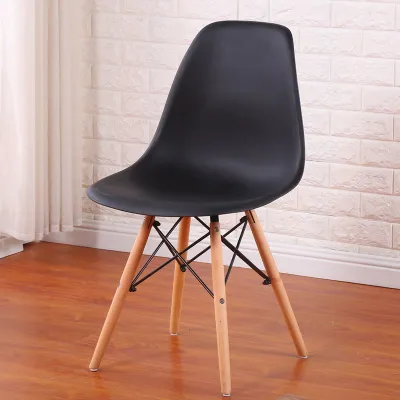


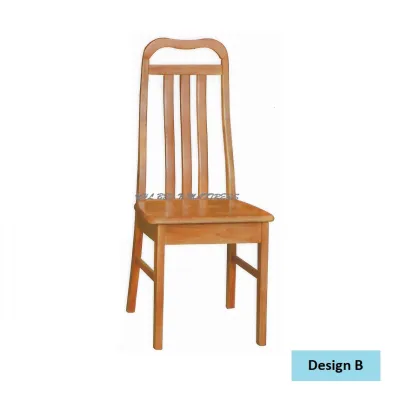
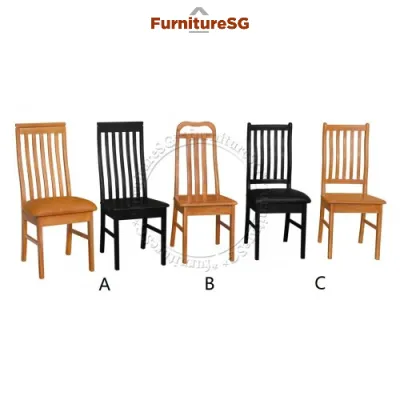
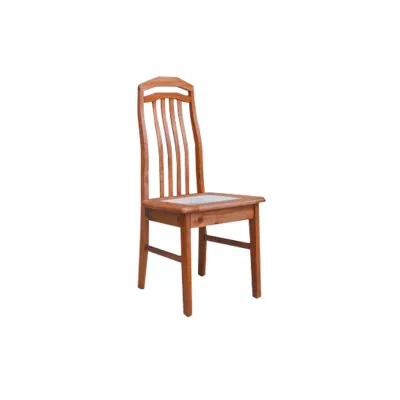

Prices are valid at publication and may change. Please refer to the product page for the latest price.
Next, evaluate the natural light levels and the overall visual volume of your dining space. In many Singapore apartments, such as HDB flats or compact condominiums, dining areas may not receive direct sunlight or might be tucked into a cozy corner. Light levels dictate how wood tones behave; dark, heavy woods can absorb light and make a small dining nook feel cramped, while lighter wood species or slender frames can help bounce light around and create an illusion of spaciousness. Consider the physical footprint of your dining table as well. A heavy, solid oak table requires chairs with matching visual weight, whereas a glass-topped or slender-legged table pairs better with chairs that have open, airy silhouettes.
Finally, identify your personal aesthetic preferences and lifestyle needs. Ask yourself whether you prefer a serene, clutter-free environment that promotes calm, a retro-inspired space filled with character and vintage charm, or a warm, cozy setting that emphasizes natural textures and a lived-in feel. Your daily routine also plays a major role. If your dining table doubles as a home office, comfort and ergonomic support become paramount. If you frequently host large gatherings, you might prioritize lightweight chairs that are easy to move or stack. Defining these parameters early prevents impulse purchases and narrows your search to styles that truly fit your lifestyle.
Match Your Space to the Right Wooden Dining Chair Style
Once you have diagnosed your home’s architectural baseline and light levels, you can begin matching these traits to specific design movements. Transitioning from a general spatial assessment to a concrete style selection requires looking at how different wooden dining chair designs use form, color, and texture to create a specific atmosphere.

Scandinavian: Light, Minimal, and Functional
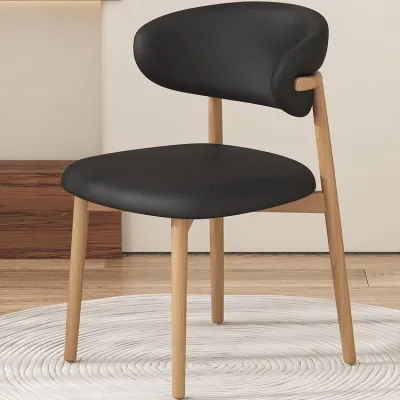
Scandinavian design is celebrated for its simplicity, functional beauty, and deep connection to nature. When shopping for a Scandinavian wooden dining chair, look for light-toned woods such as ash, beech, light oak, or rubberwood. These chairs typically feature clean, uncomplicated lines, tapered legs, and uncluttered silhouettes that prioritize essential form over ornamentation. The finish is usually matte or low-sheen, showcasing the natural, pale grain of the wood without heavy stains or glossy topcoats.
This style is exceptionally well-suited for bright, airy spaces, neutral color palettes, and minimalist dining areas. If your home features white, beige, or soft gray walls, a Scandinavian chair will complement the serene atmosphere without adding visual noise. The slender profiles of these chairs make them ideal for smaller dining zones or open-plan layouts where you want to maintain clear sightlines across the room. They rely heavily on natural light to bring out the subtle warmth of the pale wood tones.
Beyond aesthetics, Scandinavian chairs are designed with a strong focus on ergonomic functionality. Look for gentle curves in the backrest that support the natural spine alignment, and seats that may feature subtle contouring or woven paper cord elements. The absence of heavy visual bulk ensures that even a set of six chairs around a compact table will not overwhelm the room, making this style a highly practical choice for modern urban living.
Mid-Century: Sleek Lines and Organic Curves
Mid-century modern design, which emerged in the mid-20th century, offers a captivating blend of retro charm and forward-looking sophistication. Mid-century wooden dining chairs are easily recognized by their organic curves, sculptural backrests, and iconic tapered or splayed legs. Designers of this era experimented with molded plywood, allowing for fluid, sweeping shapes that conform comfortably to the human body. Common wood finishes include warm, medium-to-dark tones like walnut, teak, and stained oak, which bring a rich, inviting glow to the dining space.
This style thrives in interiors that blend vintage character with contemporary layouts. If your home features bold accent walls, geometric patterns, or a mix of metallic and ceramic decor, mid-century chairs provide an excellent structural anchor. They work beautifully alongside low-profile sideboards and pendant lighting, creating a cohesive retro-modern dining experience. The warm wood tones add instant depth to a room, making it feel sophisticated yet highly welcoming.
When choosing mid-century chairs, verify the balance between their structural lightness and their visual presence. While many designs feature open backs and slender legs that keep the floor area looking spacious, their distinct silhouettes make a clear design statement. Ensure that the warm wood finish of the chairs complements, rather than clashes with, the wood species of your dining table. A walnut chair, for instance, pairs beautifully with a matching walnut table or can create a striking contrast against a neutral stone or glass tabletop.
Rustic: Raw Textures and Warm, Earthy Tones
Rustic design celebrates the rugged beauty of the natural world, emphasizing raw textures, sturdy construction, and a sense of history. Rustic wooden dining chairs are characterized by their substantial profiles, visible wood grains, knots, and distressed or reclaimed wood finishes. Instead of sleek, polished surfaces, these chairs showcase the organic imperfections of the material, often featuring matte, textured finishes that feel warm and tactile to the touch.
This style is a natural fit for farmhouse, industrial, or cozy cabin-inspired interiors. If your home incorporates raw materials like exposed concrete, matte black metal fixtures, brick slip walls, or earthy textiles like linen and jute, rustic chairs will feel right at home. They pair exceptionally well with heavy, solid wood dining tables, creating a grounded, communal atmosphere that invites long, relaxed meals with family and friends.
In larger or open-plan dining spaces, rustic chairs serve as a vital visual anchor. Their thick legs, solid backrests, and robust frames prevent the dining set from looking lost or undersized in a spacious room. However, because of their visual and physical weight, it is important to ensure your dining area has enough breathing room. In smaller spaces, a full set of heavy rustic chairs can feel overpowering; in such cases, pairing a couple of rustic captain’s chairs at the ends of the table with lighter seating along the sides can achieve the desired warmth without crowding the room.
Practical Checks Before You Buy
Selecting a style is only half the battle; ensuring the chairs function seamlessly in your daily life is crucial for long-term satisfaction. Start by taking precise measurements of your dining area. Measure the height of your dining table from the floor to the underside of the tabletop frame or apron. Standard dining tables usually stand between 74 cm and 76 cm high, which pairs exceptionally well with chairs that have a seat height of approximately 43 cm to 47 cm. Ensure there is a clearance of at least 25 cm to 30 cm between the chair seat and the underside of the table to allow comfortable legroom and easy movement.
Next, consider the physical dimensions of your home’s entry points to avoid delivery day disasters. In Singapore, navigating tight condominium corridors, passenger lifts, and narrow HDB doorways is a common challenge. Measure the width and height of your front door, hallway turns, and elevator doors. If you are purchasing fully assembled solid wood chairs, verify that the delivery box dimensions can clear these tight spots. For chairs that require assembly, check whether the package includes all necessary tools and clear instructions, or if the retailer offers professional assembly services upon delivery.
Finally, plan your budget realistically. High-quality wooden dining chairs in Singapore typically range from S$120 to over S$500 per chair, depending on the wood species, construction quality, and design heritage. While it can be tempting to opt for the cheapest option, investing in well-constructed solid wood chairs pays off in structural longevity and everyday comfort. Balance your aesthetic desires with practical durability, keeping in mind that these chairs will support your family and guests for years to come.
Frequently Asked Questions (FAQ)
Can I mix different wooden dining chair styles around one table?
Yes, mixing different wooden dining chair styles is an excellent way to create a curated, personalized look, provided you follow a few basic design principles to avoid visual chaos. The key to successful mixing is establishing a unifying element across the different chairs. This could be a shared wood tone, a consistent seat height, or a similar design silhouette. For example, you can pair mid-century modern chairs with Scandinavian chairs if they share a similar light oak finish and slender leg profile.
Another practical approach is to use a structured arrangement. You can place a matching pair of statement chairs at the head and foot of the table (such as rustic or high-backed chairs) and use simpler, low-profile chairs along the sides. Alternatively, placing a wooden bench on one side of the table and individual chairs on the other creates an inviting, informal dining setup that saves space and adds visual interest.
How do I maintain the finish on my wooden dining chairs?
Maintaining the finish on your wooden dining chairs requires regular, gentle care to protect the wood from daily wear and environmental factors. Always start by checking the manufacturer’s care label for specific cleaning recommendations, as different finishes (such as oil, wax, or lacquer) require different maintenance routines. For daily cleaning, use a soft, dry microfiber cloth to remove dust. If a spill occurs, wipe it up immediately with a damp cloth and dry the surface thoroughly to prevent moisture from penetrating the wood grain.
To protect the wood from heat and moisture damage, use placemats, coasters, and tablecloths during meals. Avoid placing hot pots or wet glasses directly on the wooden surface. In Singapore’s sunny climate, try to position your dining set away from direct sunlight coming through windows, as prolonged exposure to UV rays can fade the finish and cause the wood to dry out or warp over time. Periodically check and tighten any screws or joints to keep the chairs stable and safe.

Community discussion
Share your experience or ask a question. Comments are reviewed before publication.