
To find the perfect dining chair style for your home, you must balance your existing interior design aesthetic with the physical and practical constraints of your dining space. Rather than choosing chairs in isolation, the selection process requires analyzing your room’s dominant design themes, color palettes, and architectural lines, then translating these elements into specific chair attributes like material, silhouette, and scale. By aligning these visual cues with daily lifestyle needs and spatial limits, you can select dining chairs that feel cohesive, functional, and intentionally integrated into your home.
Assess Your Existing Interior Design Aesthetic
To choose dining chairs that feel like a natural extension of your home, start by conducting a visual audit of your current living and dining areas. Observe the dominant design themes established by your largest furniture pieces, such as your dining table, sideboard, or living room sofa. For instance, clean lines and low-profile furniture lean toward modern minimalism, whereas ornate moldings and classic timber suggest a traditional aesthetic. Pay attention to the overall atmosphere—whether it feels airy and relaxed, structured and formal, or industrial and raw.
Next, analyze your home’s color palette. Note the primary wall colors, flooring tones, and dominant textiles. If your space features warm timber flooring like teak or oak, consider how the undertones of your dining chairs will interact with these surfaces. Cool-toned tile or concrete floors often pair better with sleek metal frames or warm upholstery to soften the space. Identify whether your palette is monochromatic, neutral, or punctuated by bold accent colors, as this dictates whether your chairs should blend seamlessly or serve as visual focal points.
Products mentioned in this guide
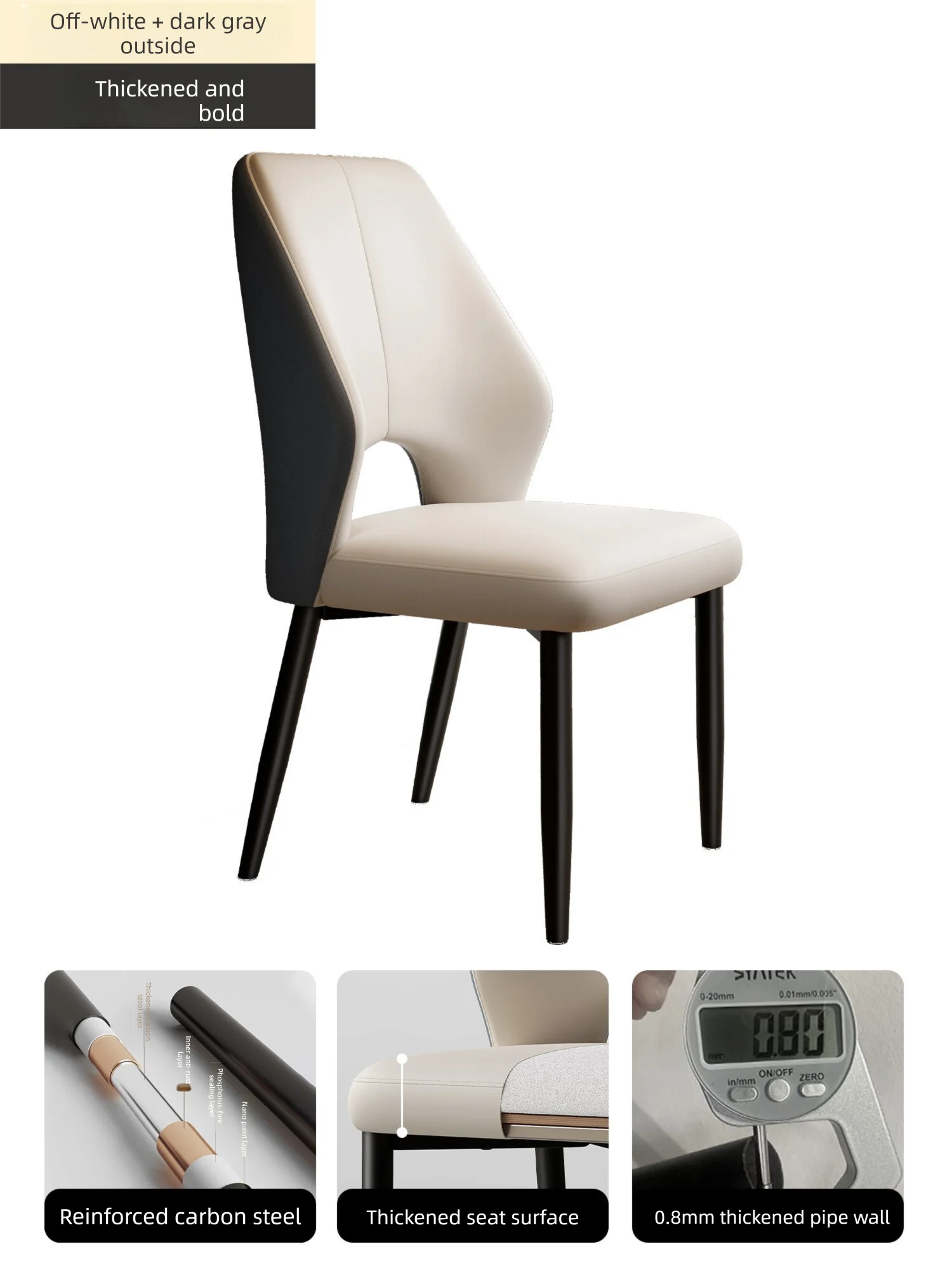
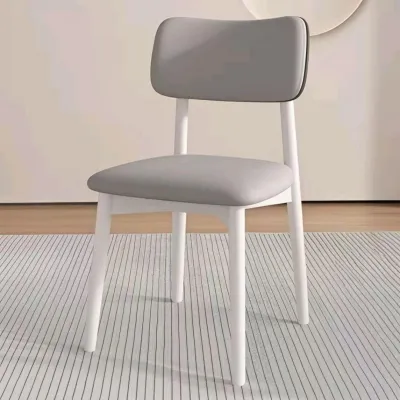
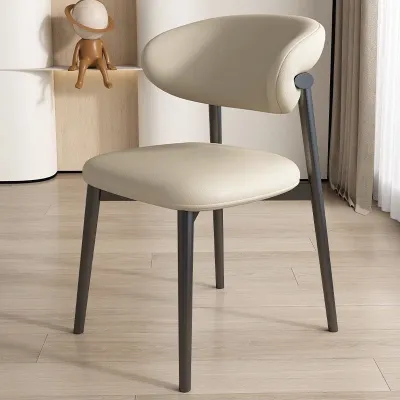
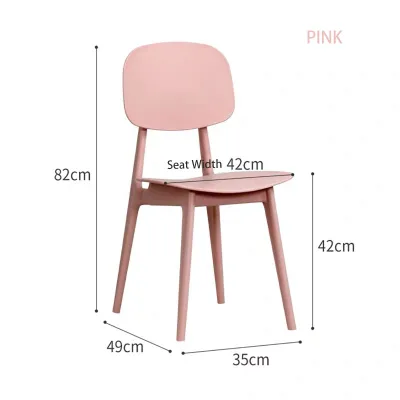
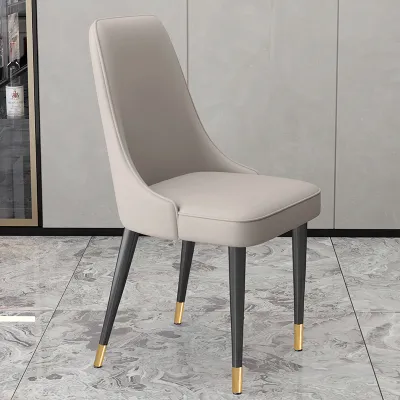
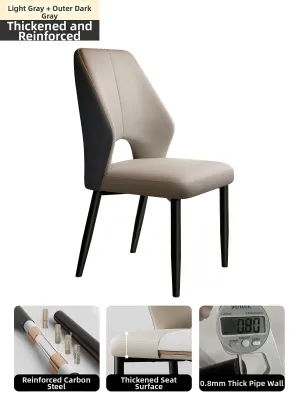
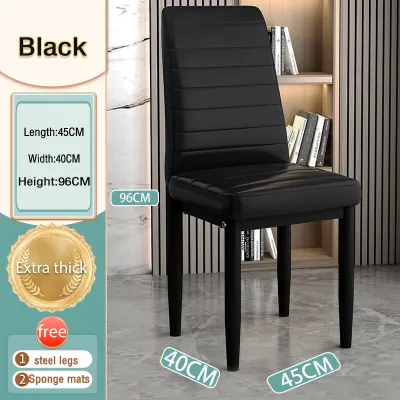
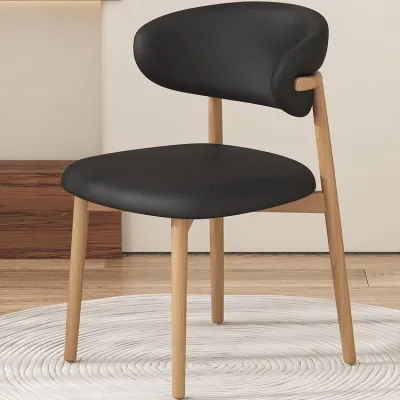
Prices are valid at publication and may change. Please refer to the product page for the latest price.
Finally, observe the recurring materials and textures throughout the room. Note whether your space relies on natural wood grains, matte black metals, polished chrome, brass accents, or soft woven fabrics. A room with matte black steel fixtures and concrete aligns with industrial styles, while a space filled with linen, rattan, and light oak suggests a Scandinavian influence. Documenting these textures ensures that the dining chairs you select will complement or intentionally contrast with the materials already in play.
Key Dimensions for Matching Dining Chairs to Your Space
Once you have defined your interior aesthetic, translate these observations into specific dining chair attributes. First, evaluate the material and finish. Solid wood chairs offer timeless warmth and durability, but you must check that the wood species or stain complements your dining table and flooring. If your table is dark walnut, matching walnut chairs create a unified look, while upholstered chairs with similar timber legs can soften the arrangement. For modern or industrial spaces, metal-framed chairs with powder-coated or brushed finishes provide a sleek, structural look that pairs beautifully with glass or concrete tables.

The silhouette and shape of the chairs play an equally critical role in defining the room’s energy. Clean, geometric lines and minimalist profiles reinforce modern or mid-century spaces, keeping the visual weight low in compact or open-plan layouts. Conversely, curved, organic, or ornate profiles—such as chairs with rounded backrests, tapered legs, or classic cabriole legs—suit traditional, transitional, or bohemian interiors. The curves help break up the rigid lines of a rectangular dining table, adding a sense of softness and classic elegance.
Color integration is the final aesthetic dimension to consider. You can choose to integrate your chairs using a blending strategy or an accent strategy. A blending strategy involves selecting chairs in a color matching your dining table or walls, creating a cohesive, low-contrast look that makes the dining area feel larger. An accent strategy uses the chairs to inject a pop of color or a contrasting texture into the room. For example, pairing vibrant upholstered chairs or deep charcoal seats with a light oak table creates an eye-catching contrast that defines the dining space as a distinct zone.
Evaluate Your Dining Room's Practical Constraints
While aesthetic alignment is essential, dining chairs must also perform well under the physical and functional demands of your household. Begin by measuring your physical space with precision. Measure the height of your dining table from the floor to the underside of the tabletop, paying attention to any apron. To ensure comfortable seating, you need a clearance of 25 to 30 centimetres between the seat and the underside of the table. Additionally, measure the distance between the table legs to determine how many chairs can comfortably slide underneath, allowing at least 15 centimetres of space between each chair for elbow room.
Beyond the table itself, consider the surrounding floor space and traffic flow. A functional dining area requires at least 90 centimetres of clear space behind each chair when pulled out. If the dining area sits in a high-traffic corridor, increase this clearance to 120 centimetres to allow easy passage. For smaller dining areas, such as those in compact apartments, opting for armless chairs or low-profile designs can save valuable physical and visual space, making the room feel less congested.
Your daily household dynamics should heavily influence your choice of materials and construction. If your household includes young children or pets, delicate fabrics like velvet may require high maintenance. Instead, look for easy-to-clean surfaces like molded plastic, treated wood, or stain-resistant performance fabrics. For homes where the dining table doubles as a home office or a space for long, lingering dinner parties, prioritize ergonomic support. Look for chairs with contoured backrests, supportive seat cushions, and stable frames that can comfortably support extended sitting sessions.
Create a Shortlist of Suitable Dining Chair Styles
With your aesthetic preferences and practical constraints clearly defined, you can now synthesize this information to create a focused shortlist of dining chair styles. Begin by cross-referencing your design style with your material and spatial limits. If your home features a modern Scandinavian aesthetic and limited space, your shortlist might include armless, light-oak chairs. If your style is transitional and you prioritize comfort, focus on upholstered dining chairs with stain-resistant fabric. This step filters out unsuitable options early, saving you time and preventing impulse purchases.
Before making a final purchase, plan a thorough verification step to ensure the chairs meet your expectations in person. If shopping online, request fabric swatches to verify the color and texture under your home’s lighting. If visiting a showroom, test the floor models for comfort, stability, and build quality. Sit in the chair for several minutes, pay attention to the back support, and check the sturdiness of the joints. Additionally, review the retailer’s return policy and warranty terms, especially regarding assembly and delivery conditions, to protect your investment.
Finally, establish a decision matrix to make your ultimate choice. Weigh the aesthetic harmony of each shortlisted option against its practical maintenance requirements and your budget. While a high-end upholstered chair might match your design vision, a wipeable timber chair might be more practical for a busy family home. By balancing these factors systematically, you can confidently select dining chairs that not only elevate your home’s interior design but also stand up to the rigors of daily life.
Frequently Asked Questions (FAQ)
Can I mix different dining chair styles around the same table?
Yes, mixing dining chair styles is an excellent way to create a curated, character-filled look, provided you maintain a unifying element to ensure visual cohesion. To keep the arrangement from looking chaotic, ensure that all the chairs share at least one common thread, such as a consistent seat height, matching wood tones, or a unified color palette. For example, you can pair a set of matching side chairs along the lengths of the table with two distinct, more prominent accent chairs at the head and foot of the table. This approach establishes a clear visual hierarchy while maintaining a balanced and intentional design throughout the dining space.
How do I test if a dining chair's proportions fit my table?
To verify that a dining chair’s proportions are compatible with your table, start by measuring the vertical clearance. Measure from the top of the chair seat to the lowest point beneath the table surface, such as the table apron; a gap of 25 to 30 centimetres is ideal for comfortable legroom. Next, check the horizontal spacing by measuring the width of the chair at its widest point. Multiply this by the number of chairs you plan to place along one side of the table, and add at least 15 centimetres of breathing room between each chair, as well as between the end chairs and the table legs. This ensures that guests have adequate elbow room and that the chairs can be fully tucked under the table when not in use.
Community discussion
Share your experience or ask a question. Comments are reviewed before publication.