
Choosing a stacking stool that matches your dining room aesthetic requires looking at existing visual anchors like your dining table, flooring, and cabinetry, then selecting a style—Scandinavian, industrial, minimalist, or mid-century modern—that either harmonizes with or intentionally contrasts those elements. Stacking stools are no longer just emergency seats pulled out for extra guests; they are versatile design elements that can elevate your dining space. By carefully aligning the materials, finishes, and silhouettes of your stools with your room’s overall design theme, you can maintain a cohesive look without sacrificing valuable floor space.
To make the right choice, you must evaluate how a stool’s visual weight, color palette, and structural lines interact with your existing furniture. A mismatched stool can disrupt the flow of a room, making it feel cluttered and disorganized. Conversely, a well-selected set of stacking stools can blend seamlessly into the background when stored, or serve as a striking design accent when arranged around your dining table.
Quick Guide to Matching Stacking Stools with Your Dining Aesthetic
Identifying your current dining room style is the first step in finding the perfect stacking stool. To do this, you must analyze the dominant visual anchors of your room. Start by looking at your dining table, which is typically the focal point of the space. Note its material, shape, and finish. Next, examine your cabinetry and storage units, paying attention to whether they have prominent hardware or clean, handle-less fronts. Finally, consider your flooring and lighting fixtures, as these elements set the overall tone and brightness of the room.
Products mentioned in this guide
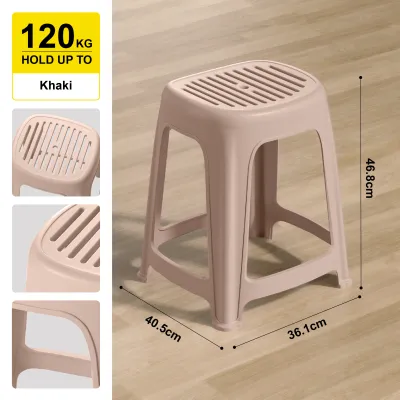
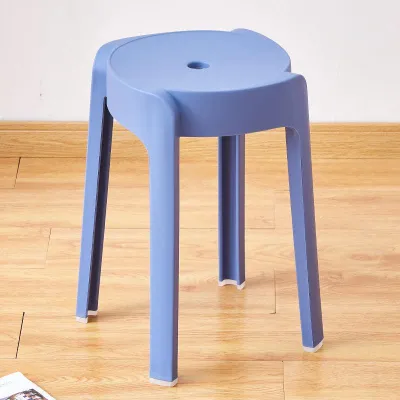
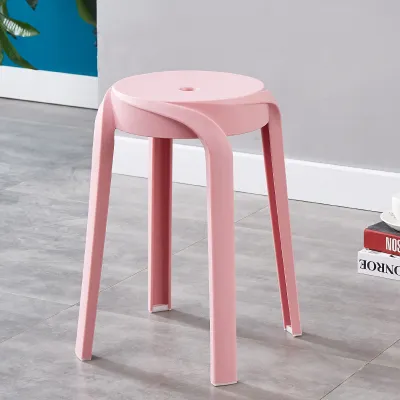
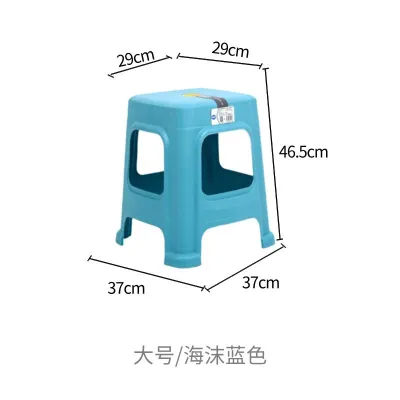
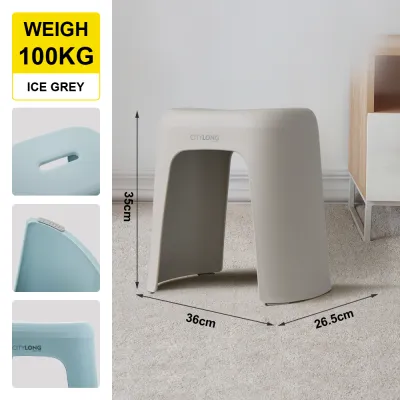
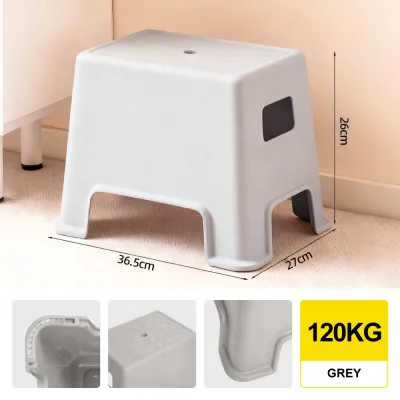
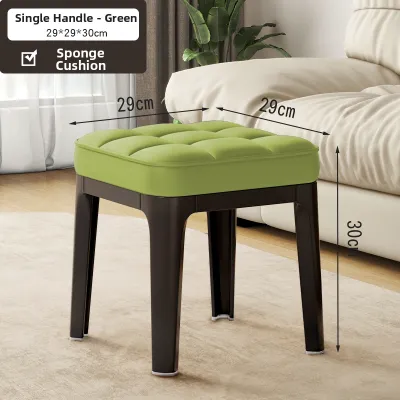
Prices are valid at publication and may change. Please refer to the product page for the latest price.
Once you have identified these anchors, you can map them to one of the four primary design styles. Scandinavian design features light woods and soft, organic textures. Industrial design relies on raw metals, distressed wood, and exposed hardware. Minimalist design prioritizes sleek, monochromatic profiles and hidden mechanisms. Mid-century modern design embraces warm wood tones, tapered legs, and curved plywood shapes. Understanding these categories allows you to make informed decisions that enhance your space.
When choosing your stools, you must decide between a cohesive strategy or an intentional contrast strategy. A cohesive approach involves matching the materials and lines of your stools to your existing furniture, such as pairing light oak stools with a light oak dining table. An intentional contrast approach, on the other hand, introduces a different style to create visual interest. For example, placing sleek, matte black minimalist stools around a rustic wood table can create a modern, dynamic look. Both strategies are valid, but they require careful planning to execute successfully.
Scandinavian Style: Light Woods and Cozy Textures
Scandinavian design is celebrated for its simplicity, functionality, and connection to nature. If your dining room features a bright, airy atmosphere, Scandinavian stacking stools are an excellent choice. These stools are characterized by their use of light-toned woods, such as oak, ash, or beech. The wood is typically treated with a matte or low-sheen finish to preserve its natural appearance and texture, creating a warm and welcoming environment.

In addition to light wood frames, Scandinavian stools often incorporate cozy, tactile materials on the seats. You will frequently find seats made from woven paper cord, light-colored fabrics, or natural leather. These materials add depth and texture to the stool without overwhelming the design. The overall silhouette of a Scandinavian stool is clean and understated, with gentle curves and sturdy, straightforward legs that emphasize practical everyday use.
To integrate Scandinavian stools into your dining room, pair them with white or neutral walls, abundant natural light, and indoor plants. They look best alongside light wood dining tables and simple, functional cabinetry. This combination creates a serene, clutter-free environment that feels both spacious and cozy. It is an ideal setup for those who appreciate a relaxed, nature-inspired dining experience.
Before making a purchase, always perform key quality and maintenance checks on the stools. Verify the wood treatment and finish type on the product label to ensure the stool can withstand daily dining use and occasional spills. Untreated wood is highly susceptible to staining and moisture damage, so look for stools with a protective polyurethane or water-based lacquer coating. Additionally, check the care instructions for woven or fabric seats, as these materials may require specialized cleaning products to maintain their appearance over time.
Industrial Style: Metal Frames and Raw Finishes
Industrial design draws inspiration from converted warehouses, factories, and urban lofts. It celebrates raw, unfinished materials and robust structural elements. If your dining room has a bold, utilitarian aesthetic, industrial stacking stools will fit right in. These stools are defined by their rugged construction, often featuring heavy-duty metal frames paired with solid wood or metal seats.
Visual markers of industrial stools include powder-coated steel frames, distressed or reclaimed wood seats, and visible hardware such as rivets, welds, and brackets. The finishes are typically matte, textured, or slightly weathered, showcasing the natural imperfections of the materials. Common color palettes include charcoal grey, matte black, gunmetal, and deep bronze, which add a strong, grounded presence to your dining area.
Industrial stools pair exceptionally well with concrete accents, exposed brick walls, and dark color schemes. They are the perfect match for heavy solid-wood dining tables, especially those with iron or steel legs. This style is well-suited for high-traffic dining areas, as the durable materials and distressed finishes easily hide the wear and tear of daily use, making them both highly practical and visually striking.
When shopping for industrial stacking stools, inspect the quality of the rust-resistant coating on the metal frame. This is particularly important if you live in a humid environment, as moisture can quickly lead to corrosion if the metal is not properly sealed. Verify the weight capacity of the frame to ensure it offers stable, reliable support. Finally, check that the stool includes high-quality floor protectors on the feet; heavy metal legs can easily scratch or gouge hard flooring if they are not properly cushioned.
Minimalist Style: Sleek Profiles and Monochrome Tones
Minimalism is centered around the philosophy of “less is more.” It focuses on stripping away unnecessary ornamentation to reveal clean, functional forms. Minimalist stacking stools are designed to provide comfortable seating without adding visual noise to your dining room. They are ideal for contemporary spaces where maintaining an open, uncluttered feel is a top priority.
These stools feature incredibly sleek profiles, often utilizing seamless molded plastics, thin metal tubing, or lightweight aluminum. The stacking mechanisms are typically integrated directly into the design, allowing the stools to nest together perfectly without any protruding parts. Colorways are strictly monochromatic or neutral, featuring shades of matte black, crisp white, cool grey, or muted earth tones that blend effortlessly into their surroundings.
To create a cohesive minimalist dining room, pair these stools with flat-panel cabinetry, handle-less storage solutions, and integrated architectural lighting. They look stunning alongside glass, marble, or high-gloss dining tables, where their clean lines and simple shapes can shine. This aesthetic creates a sophisticated, modern atmosphere that feels incredibly spacious and calm.
When purchasing minimalist stools, especially those made from molded plastic or polymer, check for UV resistance on the product label. If your dining area receives direct sunlight, non-UV-treated plastics can yellow, fade, or become brittle over time. For stools with thin metal frames, verify the structural integrity and joint stability. Ensure the welds are clean and smooth, and check that the frame does not flex or wobble when weight is applied, as thin designs must be engineered precisely to remain safe and durable.
Mid-Century Modern Style: Organic Shapes and Warm Tones
Mid-century modern design, which flourished from the mid-1940s through the 1960s, is characterized by organic shapes, clean lines, and a mix of natural and synthetic materials. If your dining room features warm wood tones and a vintage-inspired aesthetic, mid-century modern stacking stools will bring a touch of retro charm and sophisticated style to the space.
The visual markers of this style include warm walnut, teak, or cherry wood finishes, gently tapered legs, and curved plywood seats that contour to the body. While neutral wood tones dominate, mid-century modern design also embraces bold accent colors such as mustard yellow, olive green, teal, and burnt orange. These pops of color can be introduced through upholstered seat pads or colored laminate finishes, adding personality to your dining room.
Mid-century modern stools pair beautifully with statement pendant lighting, vintage decor, and organic-shaped dining tables, such as oval or round wooden tables. They work well in spaces that celebrate craftsmanship and retro design influences. The warm wood tones and soft, curved silhouettes of these stools help to create a cozy, character-rich dining environment that feels both nostalgic and timeless.
When selecting mid-century modern stools, evaluate the quality of the wood veneer. High-quality veneers should be seamlessly applied to the edges without any signs of lifting or peeling. Check the stability of the curved plywood joints, as these areas bear the brunt of the user’s weight. Additionally, verify that the stacking design does not compromise the tapered leg structure; some retro designs stack in a way that can rub against or scratch the finish of the legs below, so look for stools with built-in protective spacers.
Practical Space and Climate Checks for Singapore Homes
Living in Singapore presents unique environmental and spatial challenges that you must consider when purchasing stacking stools. Compact HDB flats and condominium apartments require smart space planning to maximize efficiency. Before buying any stools, measure the exact clearance height and width under your dining table. This ensures that the stools can slide completely out of the way when not in use, keeping your walkways clear and preventing accidental trips.
Additionally, you must check the maximum stack height of the stools against your storage limits. If you plan to store the stacked stools inside a utility closet, under a counter, or in a specific niche, measure the vertical space available. Stacking stools too high can create a tipping hazard, especially in homes with active pets or young children. Always refer to the manufacturer’s specified stacking limit rather than guessing how many stools can safely be piled together.
Singapore’s tropical climate, characterized by high relative humidity and warm temperatures, can take a toll on furniture materials. High humidity can cause untreated solid woods to warp, swell, or develop mold, while low-quality adhesives used in wood veneers may degrade and peel. To prevent these issues, choose stools made from moisture-resistant materials or those treated with durable, protective finishes. If you opt for metal-framed stools, ensure they have a high-quality, rust-resistant powder coating to prevent oxidation.
Finally, pay close attention to your flooring material. Many Singaporean homes feature homogeneous tiles, polished concrete, luxury vinyl tiles (LVT), or solid timber parquet. Moving and stacking stools can easily scratch or scuff these surfaces if the stool feet are unprotected. Verify that the stools come equipped with durable, non-marking rubber glides or felt pads. If the built-in protectors are inadequate, purchase aftermarket felt or silicone floor protectors to safeguard your floors from damage.
Frequently Asked Questions (FAQ)
How many stacking stools can I safely stack at home?
The number of stools you can safely stack depends entirely on the manufacturer’s structural design and specifications. While some lightweight plastic stools are engineered to stack up to ten high, heavier wooden or metal stools may have a safe limit of only three to five. Always check the product manual, label, or manufacturer’s website for the maximum recommended stack height. Exceeding this limit can shift the center of gravity, making the stack unstable and increasing the risk of tipping, which can cause personal injury or damage the bottom stools.
Do stacking stools scratch hardwood or tile floors?
Yes, stacking stools can scratch hardwood, vinyl, and tile floors if they are dragged across the room or if the protective feet have worn down. Metal and hard plastic legs are particularly prone to causing deep scratches and unsightly scuff marks. To prevent floor damage, check if the stools include built-in felt pads, rubber glides, or non-marking plastic feet. If the original protectors are thin or wear out over time, you should apply heavy-duty aftermarket felt pads or silicone leg caps, and regularly clean the bottom of the stool feet to remove abrasive dust and grit.
Can I use indoor stacking stools on a covered balcony?
It is not recommended to use indoor stacking stools on a covered balcony unless they are explicitly rated for outdoor or semi-outdoor use by the manufacturer. Even on a fully covered balcony, outdoor spaces in Singapore are exposed to high humidity, wind-driven rain, and indirect UV sunlight. Indoor materials, such as standard wood glues, untreated solid woods, and non-UV-stabilized plastics, can quickly warp, rot, fade, or crack under these conditions. To ensure longevity and safety, always check the manufacturer’s care instructions and choose stools specifically designed to withstand outdoor elements for your balcony dining area.

Community discussion
Share your experience or ask a question. Comments are reviewed before publication.