
Finding the right ergonomic chair is a highly personalized decision. While the Sihoo brand offers a diverse range of seating options designed to improve posture and reduce physical fatigue, there is no single model that fits every individual universally. A chair that provides excellent lumbar support for a tall user might leave a shorter person struggling to reach the floor, while a seat pan that feels spacious to one might feel restrictive to another. To select the most suitable Sihoo ergonomic chair for your specific needs, you must carefully evaluate your body proportions, daily sitting habits, and the physical constraints of your workspace. By matching your personal measurements with the adjustable features of different models, you can ensure a comfortable, supportive, and productive seating experience.
Identifying Your Body Proportions and Sitting Habits
To find a chair that supports your body throughout the day, you must first gather your own physical measurements. Your overall height is a starting point, but your individual proportions—specifically your inseam and torso length—dictate how your body interacts with a chair’s seat pan and backrest. To measure your inseam for sitting purposes, sit on a flat surface with your knees bent at a 90-degree angle and measure the distance from the back of your knee to the sole of your foot. This measurement determines your optimal seat height range, ensuring your feet can rest flat on the floor to distribute your weight evenly and prevent pressure on your lower thighs.
Torso length determines where the lumbar support and headrest will align on your spine. If you have a longer torso, you require a backrest with a generous vertical adjustment range or an independently adjustable headrest to prevent the support from pressing against your shoulder blades. Conversely, users with shorter torsos must verify that the lumbar support can lower sufficiently to cradle the natural curve of the lower back, rather than pushing against the mid-back or pelvis.
Products mentioned in this guide
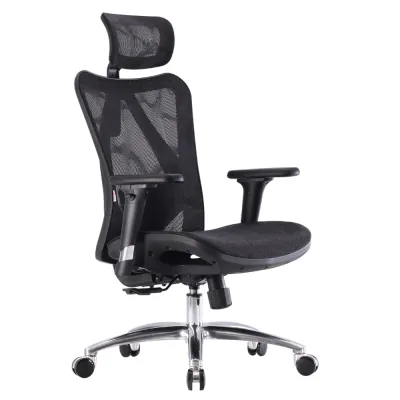
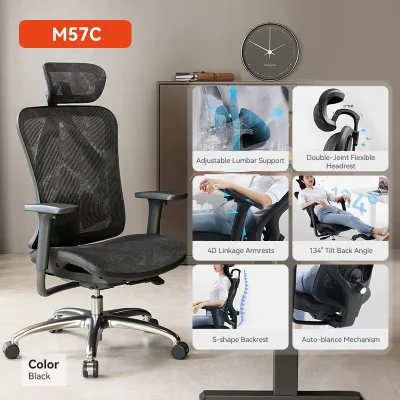
3 Lazada user ratings
Installation guide consists of a few different models - so do look at the labels carefully. First use - feels sturdy, the extendable height …Read full reviewShow less
Installation guide consists of a few different models - so do look at the labels carefully. First use - feels sturdy, the extendable height seemed a bit lower than my previous chair. Seat surface is Asian-sized.
feels good. highly recommend
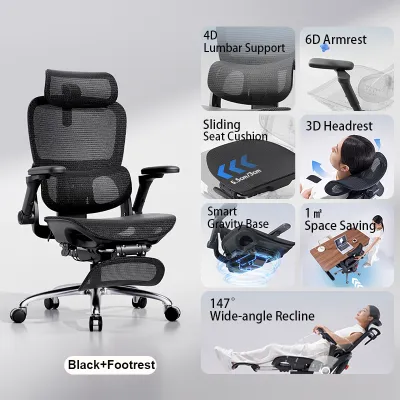
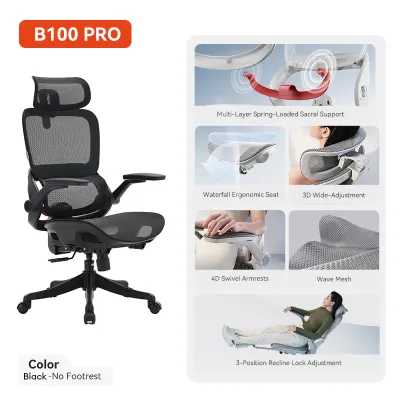
7 Lazada user ratings
🎧Comfort:just what I m looking for
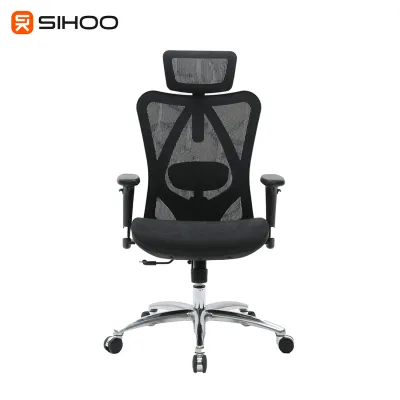
84 Lazada user ratings
Not suitable for short people. Better to try seat depth and test out before buying.
High-quality materials, Excellent back support, Great ergonomic design,
Fast delivery and item well received. very comfortable and supportive.
Good, comfortable chair and good customer service, recommend!
Delivery took about 1 week. Repeated buyer.
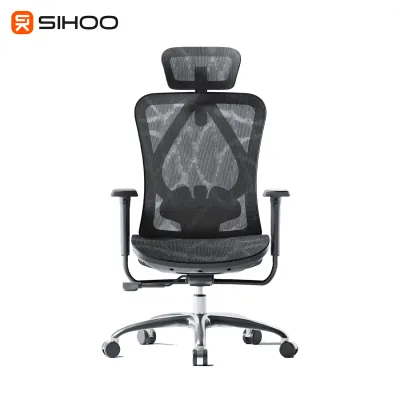
4 Lazada user ratings
comfortable mesh and materials used are decent and sturdy (mostly plastic and some metal parts). Take note that it does not come with adjust…Read full reviewShow less
comfortable mesh and materials used are decent and sturdy (mostly plastic and some metal parts). Take note that it does not come with adjustments for the back rest tension! the chair does rattle a little somewhere from the top part.
Arrived within three days in a big carton box. Took about an hour to assemble. Good quality chair exactly as advertised. Sturdy base that re…Read full reviewShow less
Arrived within three days in a big carton box. Took about an hour to assemble. Good quality chair exactly as advertised. Sturdy base that reduces risk of toppling. Good buy.
fast delivery. hope the chair will last. thanks
Prices are valid at publication and may change. Please refer to the product page for the latest price.
Seat depth is another critical dimension that is often overlooked. To determine your required seat depth, measure the distance from the back of your pelvis to the back of your knee while sitting. A seat pan that is too deep will press against the back of your knees, restricting blood flow and forcing you to slouch forward to find back support. A seat pan that is too shallow will not support your thighs adequately, leading to increased pressure on your sit bones.
Your daily sitting duration is another critical factor in your decision. If you sit for fewer than four hours a day, a basic ergonomic model with manual lumbar adjustments and standard foam cushioning may provide sufficient comfort. However, if your routine demands eight or more hours of sitting, you will benefit from advanced dynamic adjustments, such as self-adjusting lumbar tension and a full-mesh seat pan that distributes pressure more evenly over long periods.
Finally, consider your primary work tasks and sitting habits. If your day consists mostly of typing and active computer work, you should prioritize highly adjustable armrests that can move inward, outward, forward, and backward to support your elbows without straining your shoulders. If you tend to shift postures frequently, fidget, or lean back during phone calls and creative brainstorming, a chair with a responsive tilt mechanism and dynamic tension control will allow you to transition smoothly between active and relaxed states.
Core Specifications to Compare Across the Sihoo Lineup
When browsing the Sihoo lineup, you must look past aesthetic designs and focus on the technical specifications listed on the official product labels. The first specification to verify is the seat pan width and depth. A seat pan that is too wide can make it difficult to rest your elbows comfortably on the armrests, while a seat that is too deep will press against the back of your knees, restricting circulation. You should look for a model that allows at least a two-finger gap between the edge of the seat and the back of your knees when your back is fully supported by the backrest.

Weight capacity is equally vital for structural integrity and long-term durability. Check the class of the gas lift cylinder used in the chair’s construction; Class 4 gas lifts are generally preferred for their higher load capacity and smoother operation. Ensure the manufacturer’s rated weight limit comfortably exceeds your body weight to prevent premature wear on the hydraulic seals and structural joints.
Lumbar support mechanisms vary significantly across different models. Fixed lumbar supports offer a single, non-adjustable curve that may not align with your spine. Adjustable lumbar systems allow you to manually shift the support up and down, and sometimes forward and backward, to customize the pressure. Dynamic adaptive lumbar systems use spring-loaded or split-back designs that automatically pivot and adjust their tension as you shift your weight, providing continuous support when you lean forward or recline.
In Singapore’s warm and humid climate, material choice directly impacts your daily comfort. Mesh seats and backrests offer excellent breathability, allowing air to circulate and dissipate body heat. However, you must check the mesh tension; high-quality mesh should feel firm and resilient, supporting your weight without sagging or pressing your thighs against the hard plastic frame of the seat pan. If you prefer a traditional foam cushion, look for high-density, molded foam that retains its shape over years of use, rather than low-density cut foam that flattens quickly.
The base material and caster wheels also warrant close inspection. Heavy-duty aluminum alloy bases offer enhanced stability and a higher weight tolerance compared to standard nylon bases. For flooring protection, check if the caster wheels are coated with polyurethane (PU). Soft PU casters glide quietly and help prevent scratches on delicate surfaces like parquet, vinyl, or laminate flooring, which are common in local residential properties.
Lastly, evaluate the adjustability range of the armrests and headrest. Armrests with 3D or 4D adjustability allow you to modify the height, angle, and depth, which is crucial for aligning your wrists with your keyboard. Headrests should offer both height and tilt adjustments so they can support the base of your skull rather than pushing your neck forward into an unnatural posture.
Decision Framework: Matching Features to Your Profile
To simplify your selection process, you can use a conditional decision framework that matches specific product features to your physical profile and daily habits. If you are an intensive user who spends more than eight hours a day at your desk, you should look for a model equipped with a dynamic, self-adjusting lumbar support system and a deep recline mechanism. These features allow you to shift postures throughout the day—from an upright typing position to a relaxed reading angle—without losing critical spinal support.
For individuals with a smaller body frame or those working within a compact home office, a streamlined model with a standard adjustable lumbar support and a smaller base diameter is often the most practical choice. These models provide essential ergonomic adjustments without overwhelming a limited floor space or forcing your arms too far apart. Ensure the minimum seat height of the chair allows your feet to rest flat on the floor without requiring a footrest.
If you have a broader build or require a higher weight capacity, prioritize models designed with a wider seat pan, a reinforced steel or aluminum base, and a heavy-duty gas lift. Look for models that feature a waterfall edge on the front of the seat cushion, which helps reduce pressure on the thighs and promotes healthy blood flow for users with longer legs.
Armrest adjustability should also be matched to your specific task setup. If you use a standard keyboard and mouse, 3D armrests that adjust for height, depth, and angle will help keep your wrists in a neutral position. If you frequently use drawing tablets, controllers, or multiple input devices, 4D armrests provide the lateral adjustments needed to support your forearms at wider or narrower angles.
Before making a final decision, you must verify how the chair’s physical dimensions align with your existing desk setup. Measure the height of your desk surface and compare it to the chair’s maximum and minimum seat heights. Your elbows should rest comfortably on the armrests at a 90-degree angle while your wrists remain flat on the desk. If your desk is fixed and cannot be adjusted, choosing a chair with a wide vertical range is essential to prevent shoulder strain or wrist hyperextension.
Workspace Constraints and Pre-Purchase Checks
Before finalizing your purchase from an online marketplace or official brand store, you must perform several physical checks within your actual workspace. Start by measuring the available floor space around your desk. Ergonomic chairs often have wide five-star bases, typically ranging from 60 to 70 centimeters in diameter, to ensure stability. You must ensure this base has enough clearance to roll smoothly without colliding with desk legs, storage cabinets, or nearby walls. Additionally, calculate the clearance needed for the chair’s full recline path, especially if your workspace is situated in a tight corner or a shared room.
Another critical check is the interaction between the chair’s armrests and your desk. Measure the distance from the floor to the underside of your desk, taking into account any drawers, keyboard trays, or support beams. Compare this measurement with the maximum height of the chair’s armrests. If the armrests cannot slide underneath the desk when the chair is not in use, the chair will protrude into your room, taking up valuable floor space and preventing you from sitting close enough to your keyboard.
Finally, review the practical logistics of delivery and assembly. Ergonomic chairs are shipped flat-packed in large, heavy boxes. If you live in an apartment building, verify that the packaging dimensions can easily pass through your doorways, hallways, and lift doors. Review the manufacturer’s assembly instructions to ensure you have the necessary tools and physical space to assemble the chair correctly.
Because assembling an ergonomic chair involves handling heavy components like the steel tilt mechanism and the gas lift cylinder, it is advisable to assemble the chair on a soft surface, such as a rug or the flattened cardboard packaging, to protect your floors from scratches. After the first two weeks of daily use, perform a quick maintenance check by tightening all the structural bolts, as they can settle and loosen slightly during the initial break-in period. It is also wise to check the warranty terms and return policies offered by the seller; a comprehensive warranty on the gas lift, frame, and mechanism provides peace of mind, while a flexible return policy ensures you can exchange the chair if the physical fit does not match your expectations after a trial period.

Community discussion
Share your experience or ask a question. Comments are reviewed before publication.