
Choosing the right mattress firmness is the single most important factor in securing a restful night’s sleep. If you are shopping for a new sea horse mattress, finding the perfect balance between comfort and support requires a systematic approach. Your ideal firmness level is not a generic standard, but a highly personalized calculation based on your sleeping posture, body weight, and existing bed frame.
Many sleepers mistakenly equate a hard sleeping surface with healthy spinal alignment. In reality, a mattress that is too rigid can create painful pressure points, while one that is too soft can cause your spine to sag. By understanding how your physical profile interacts with different materials, you can confidently select a model that keeps your body in its natural, neutral alignment.
Quick Guide: Matching Firmness to Your Sleep Needs
To make an informed decision, it is essential to distinguish between firmness and support. Firmness refers to the initial, immediate feel of the mattress surface when you first lie down—whether it feels soft, medium, or hard. Support, on the other hand, refers to the mattress’s ability to keep your spine in a healthy alignment, preventing your heavier body parts from sinking too deep.
Products mentioned in this guide

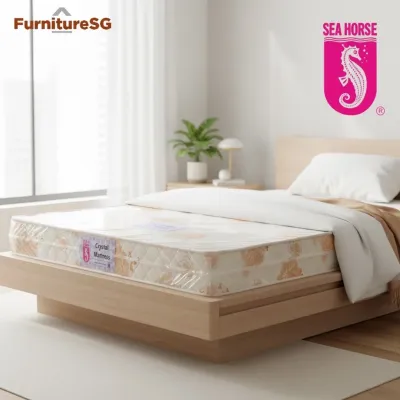
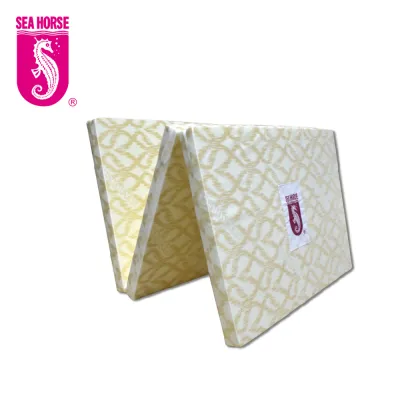
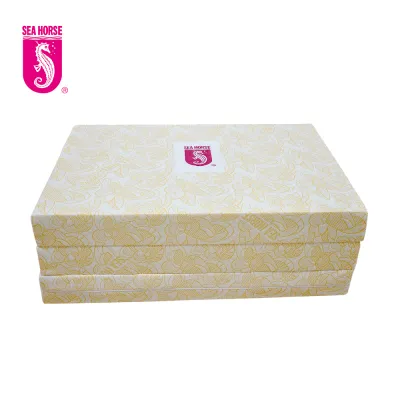
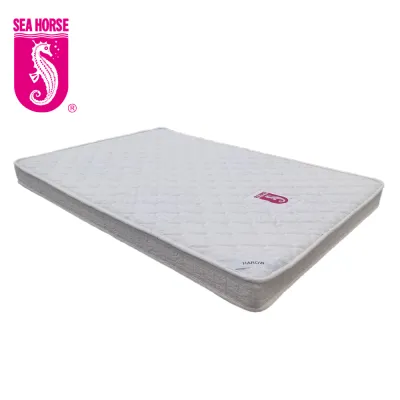
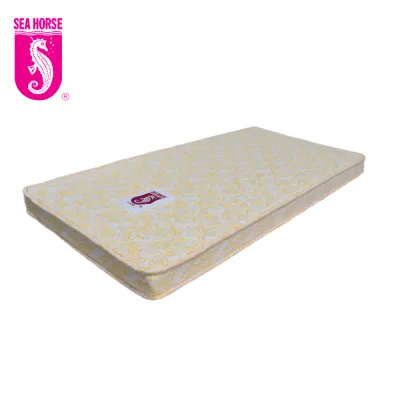
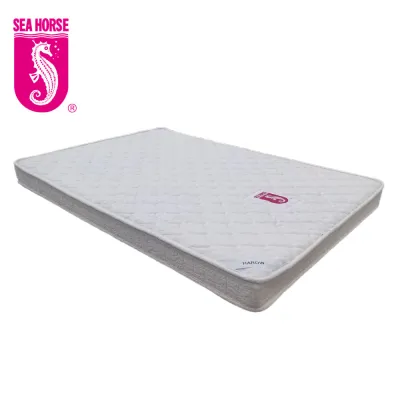
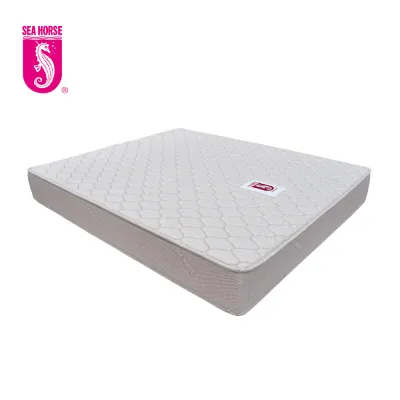
Prices are valid at publication and may change. Please refer to the product page for the latest price.
In Singapore, where space-efficient HDB flats and condominiums dictate bedroom layouts, the sea horse mattress has long been a household staple. Known for its durable construction and robust core support, the brand offers a wide range of options designed to cater to various sleep preferences. However, because comfort is entirely subjective, what feels supportive to one person may feel uncomfortably stiff or overly yielding to another.
Before making a purchase, you must evaluate your personal biomechanics rather than relying solely on general recommendations. This guide provides a structured self-diagnosis framework to help you assess your sleeping habits, weight distribution, and home environment. By doing so, you can narrow down your choices before visiting a showroom or placing an order online.
Assess Your Primary Sleeping Position
Your dominant sleeping posture determines how your body weight is distributed across the mattress and where you need pressure relief. Aligning your firmness choice with your sleep position is the first step toward preventing morning stiffness and chronic back discomfort.

Side Sleepers If you sleep primarily on your side, your shoulders and hips protrude deeper into the mattress than the rest of your body. To accommodate these high-pressure areas, side sleepers require a mattress with a medium or medium-soft feel. This allows the shoulders and hips to sink just enough to keep the spine straight. If the surface is too firm, it can restrict blood circulation, leading to numbness, tossing and turning, and joint pain.
Back Sleepers Back sleeping naturally distributes your body weight more evenly across the surface. However, the lower back has a natural inward curve that requires consistent support to prevent muscle strain. Back sleepers generally benefit most from a medium-firm profile. This level of firmness provides a stable foundation that keeps the hips from sinking too low while offering enough surface cushioning to fill the gap in the lumbar region.
Stomach Sleepers Sleeping on your stomach is the most demanding posture for spinal alignment because gravity naturally pulls your midsection downward. If your mattress is too soft, your pelvis will sink into the comfort layers, arching your lower back into an unnatural position. Stomach sleepers require a firm, flat surface that resists compression. A firmer surface keeps the hips level with the shoulders, protecting the lumbar spine from hyperextension.
Combination Sleepers If you frequently rotate between different positions throughout the night, you are a combination sleeper. Your mattress must be versatile enough to support you in every posture without making you feel “stuck” when you try to turn. A medium-firm mattress is typically the ideal compromise. It provides enough surface bounce and responsive support to facilitate easy movement while offering a balanced feel that accommodates both side and back sleeping.
Factor in Your Body Weight and Type
Your body weight is the physical force that compresses the mattress’s comfort and support layers. Because of this, two people of different weights will experience the exact same mattress in completely different ways.
Lighter Individuals (Under 60 kg) Sleepers who weigh under 60 kg exert less downward pressure on the mattress surface. If you fall into this category, a standard “firm” mattress may feel exceptionally hard, as your body will not compress the top layers enough to experience any contouring. To achieve proper pressure relief and spinal alignment, lighter individuals often need to opt for softer or medium options that respond to lighter loads.
Average Weight (60 kg to 90 kg) Individuals within the 60 kg to 90 kg range generally experience mattress firmness ratings exactly as they are advertised. This body type exerts enough force to compress the comfort layers and engage the deeper support core without bottoming out. For this group, a classic medium-firm rating offers the most reliable balance of surface comfort and deep structural support.
Heavier Individuals (Over 90 kg) Sleepers weighing over 90 kg require a highly durable, firmer support system to prevent excessive sinkage. A mattress that is too soft will allow the heavier sections of the body to sink deeply, leading to spinal misalignment and a feeling of being trapped. If you are in this weight range, look for high-density foam or robust innerspring models that offer strong edge support and resistance to deep compression.
Weight Distribution and Body Shape In addition to total weight, your body shape plays a significant role in how firmness is perceived. For instance, individuals who carry more weight around their hips or midsection require targeted support to prevent those specific areas from sinking too deep. Conversely, those with broader shoulders may need slightly more surface contouring to avoid shoulder pain, even if their overall weight suggests a firmer model.
Understanding Sea Horse Mattress Profiles and Firmness
When shopping for a sea horse mattress, it is crucial to understand how the brand’s specific product characteristics translate to real-world comfort. Seahorse has earned a strong reputation in Singapore for producing highly supportive, long-lasting mattresses that fit well in standard HDB and condominium bedrooms. However, navigating their product lineup requires looking past marketing terms.
Rather than assuming a mattress’s firmness based on labels like “orthopaedic” or relying solely on the brand’s historic reputation for firm beds, always check the official product tags and manufacturer specifications. These documents provide explicit comfort grades and material compositions for each model. Knowing whether a mattress is classified as “Firm,” “Medium-Firm,” or “Medium” by the manufacturer is far more reliable than guessing based on the model name.
The structural design of the mattress also dictates its surface feel and push-back characteristics. Seahorse offers several distinct constructions:
- High-Density Foam and Foldable Models: These mattresses utilize dense, solid foam cores to provide a stable, highly consistent sleeping surface. They offer excellent motion isolation and a flat, solid feel, making them popular for space-saving guest rooms or floor-sleeping setups.
- Traditional Innerspring Models: These utilize metal coil systems that react dynamically to your body movement. Innersprings provide an active, bouncy push-back that makes it easier to move around, along with natural ventilation through the coil chamber.
Remember that material names alone do not guarantee a specific firmness level or medical benefit. A foam mattress can be engineered to be incredibly soft or rock-hard, just as an innerspring model can range from plush to ultra-firm. Always verify the physical specifications, density ratings, and construction details of the exact model you are considering to ensure it matches your self-diagnosis.
How to Test and Verify Before You Buy
Purchasing a mattress is a long-term investment in your physical well-being. Taking the time to physically verify your choice and assess how it will perform in your home environment can prevent costly exchange hassles.
The Showroom Test When visiting an official showroom or authorized local retailer in Singapore, do not rely on quick tests like sitting on the edge of the bed or pressing your hand into the surface. Instead, lie down on the mattress in your primary sleeping position for at least 10 to 15 minutes. Wear comfortable clothing and allow your body to fully settle. Pay close attention to whether your spine feels aligned and whether you feel any pressure points forming on your shoulders, hips, or lower back.
Base Compatibility The bed frame or base you use at home can dramatically alter how your mattress feels. A solid platform base or a divan provides a rigid foundation that makes the mattress feel firmer and more supportive. In contrast, a slatted bed frame with flexible wooden slats can introduce a springier, slightly softer feel. Before buying, check your bed frame’s manufacturer instructions. Ensure the slats are spaced correctly—typically no more than 5 to 7 centimeters apart—to prevent the mattress from sagging and voiding its warranty.
Delivery and Space Planning When selecting a mattress, always measure your bedroom space, doorway clearance, and lift access beforehand. Traditional solid spring mattresses cannot be bent or folded, making lift dimensions in older Singapore HDB blocks a critical constraint during delivery. If your access routes are tight, a high-quality foldable mattress or a model with compressed packaging might be the most practical choice to avoid delivery failures.
Retailer Policies Always review the specific retailer’s exchange, trial, and return policies before completing your purchase. Because mattress comfort is highly subjective, some local retailers offer comfort exchange periods, while others may have strict return policies due to hygiene regulations. Understanding these terms beforehand ensures you have a safety net if the mattress feels different in your bedroom than it did in the showroom.
Partner Compromise If you share a bed with a partner who has different firmness preferences, finding a middle ground is essential. Look for models that offer excellent motion isolation, which prevents one person’s movements from waking the other. Testing the mattress together in the showroom allows you to evaluate edge support and determine if a medium-firm model can comfortably accommodate both of your sleeping styles.
Frequently Asked Questions (FAQ)
Can I adjust the firmness of my mattress after purchase?
Yes, you can make minor adjustments to your mattress’s comfort level without replacing the entire unit. If your mattress feels too firm, adding a high-quality mattress topper made of memory foam, latex, or plush microfiber can introduce an extra layer of cushioning and pressure relief. If your mattress feels too soft, check your bed base. Swapping a flexible slatted frame for a solid wooden platform or placing a bunkie board under the mattress can provide a flatter, more rigid foundation, making the surface feel noticeably firmer.
Is a firmer mattress always the best choice for back pain?
No, a firmer mattress is not universally the best choice for back pain. While a supportive foundation is necessary to keep the spine aligned, a mattress that is excessively hard can fail to contour to the body’s natural curves, leaving gaps under the lower back and creating painful pressure points on the shoulders and hips. Proper support means keeping the spine in a neutral position, which often requires a medium-firm surface rather than an ultra-hard one. If you suffer from chronic back pain, always consult a qualified healthcare professional or physiotherapist for personalized advice tailored to your medical condition.
Do foldable mattresses offer the same support as traditional spring models?
Foldable mattresses can offer excellent support, but they deliver a very different physical feel compared to traditional spring models. Foldable options typically rely on high-density foam cores, which provide a solid, contouring, and dampening support with minimal bounce. Traditional spring models utilize steel coils that offer an active, resilient push-back and greater airflow. Foldable mattresses are highly valued in Singapore for their space-saving convenience, portability, and suitability for guest beds or compact HDB rooms, but they should be chosen based on these specific functional needs rather than as a direct structural equivalent to a heavy-duty spring mattress.

Community discussion
Share your experience or ask a question. Comments are reviewed before publication.