
Finding the right stool for your home involves balancing functional dimensions with material suitability. When selecting a MUJI stool for your kitchen counter or bathroom, the decision rests on two primary factors: the exact height of your counter and the moisture levels of the environment. For high-traffic kitchen areas, sturdy wooden stools with warm finishes offer comfortable seating for meals and food preparation. In contrast, wet and humid zones like bathrooms require highly water-resistant materials such as acrylic or polypropylene to prevent warping, mold, and structural degradation.
By evaluating your specific spatial constraints, especially in compact living environments like Singapore’s HDB flats, you can choose a model that maximizes both utility and visual flow. This guide will walk you through the essential measurements, material characteristics, and practical considerations to help you identify the ideal stool for your space.
Assess Your Space and Height Requirements
Before browsing specific designs, you must establish the physical parameters of your room. Kitchen counters and home bars are not built to a single universal standard, meaning a stool that fits under one counter might leave you with cramped legs or reaching awkwardly upward at another.
Products mentioned in this guide
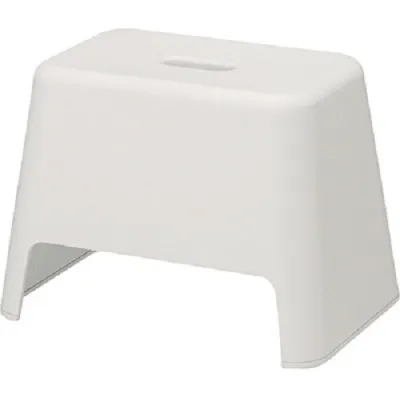
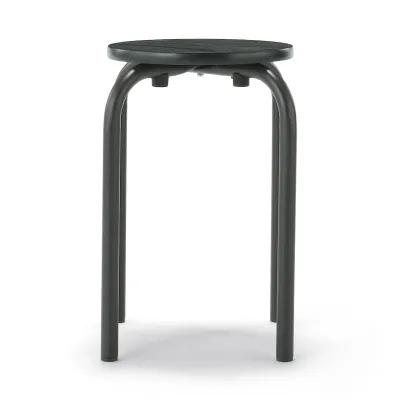
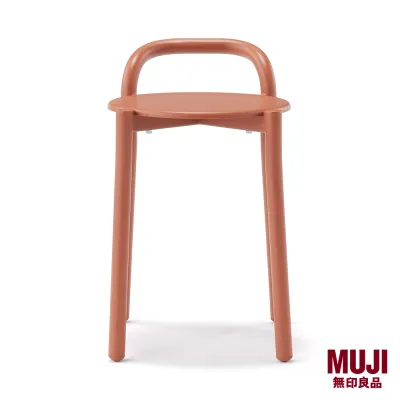
![[Bundle Set] MUJI Rubberwood Highback Ottoman with Cover](https://img.lazcdn.com/g/p/0f5da9df2119a637ca45266caa7f5e08.jpg_400x400q80.jpg_.webp)
Prices are valid at publication and may change. Please refer to the product page for the latest price.
Standard kitchen islands and breakfast counters typically stand between 90 and 95 centimeters from the floor. For these surfaces, you require a counter-height stool. Elevated bar counters, often found in modern open-plan layouts or home entertainment zones, generally measure between 100 and 105 centimeters high, requiring a taller bar stool.
To determine the correct stool height, calculate the seat-to-counter clearance. For comfortable, ergonomic seating, aim for a gap of 25 to 30 centimeters between the top of the stool seat and the underside of the counter. This clearance provides ample room for your thighs, allows you to cross your legs comfortably, and ensures you can sit upright without slouching over your meals or work.
Do not forget to measure the thickness of your countertop, especially if it features a deep apron or support beams underneath. Always calculate your clearance from the lowest point of the counter’s underside rather than the top surface to avoid unexpected obstructions.
Beyond vertical clearance, consider the overall footprint of the stool and the placement of its footrests. In narrow walkways or compact kitchen layouts, a stool with wide-flaring legs can become a tripping hazard. Measure the available floor depth and ensure the stool can be tucked fully or partially under the counter when not in use to keep pathways clear.
Footrests are crucial for comfort, particularly on taller stools where your feet cannot reach the floor. Check that the footrest height allows your knees to bend at a natural, comfortable angle. A well-positioned footrest distributes your body weight evenly and relieves pressure on your lower back during extended sitting sessions.
Ideal MUJI Stool Types for Kitchen Counters
The kitchen is often the heart of the home, serving as a space for quick breakfasts, meal preparation, and casual socializing. Stools selected for this area must combine physical durability with an inviting aesthetic that complements your interior design.

Solid wood stools, such as those featuring oak or walnut finishes, are excellent choices for kitchen environments. Oak offers a bright, prominent grain pattern that fits seamlessly into minimalist, Scandinavian, or Japanese-inspired interiors, while walnut provides a deeper, richer tone that adds warmth and sophistication.
When choosing a wooden model, inspect the construction details. Look for sturdy joinery and a stable base that can withstand frequent movement. Wooden finishes should be smooth and sealed with a protective lacquer to guard against occasional spills, though you should still wipe away liquids immediately to prevent water rings.
Another key decision is choosing between backrest and backless designs. Stools with backrests offer superior lumbar support, making them ideal if you plan to use your kitchen counter as a temporary home office or for long, leisurely dinners. However, they do require more visual space and cannot always be tucked completely under the counter.
Backless stools, on the other hand, offer high spatial flexibility. They can be slid entirely beneath the counter overhang when not in use, keeping your kitchen looking neat and spacious. This makes them highly suitable for compact dining areas where floor space is at a premium.
Finally, evaluate the weight capacity and base stability of the stool. High-traffic kitchens require seating that remains firmly planted, even when household members or guests are climbing on and off. Look for models with a low center of gravity and sturdy legs to prevent tipping.
Choosing MUJI Stools for Bathrooms and Damp Areas
Bathrooms present a completely different set of environmental challenges compared to kitchens. High humidity, steam, and direct water splashes can quickly ruin unsuitable furniture, making material selection the single most important factor for bathroom seating.
In humid climates, such as Singapore’s year-round tropical environment, wooden furniture in wet zones is highly susceptible to mold, warping, and joint failure. Therefore, you should avoid placing untreated wood or fabric-upholstered stools in areas prone to high moisture or direct splashes.
Instead, opt for acrylic or transparent resin stools. Acrylic is highly water-resistant, meaning it will not swell, rot, or easily harbor mold. Its smooth, non-porous surface is easy to wipe clean and sanitize, making it a highly hygienic choice for shower areas or vanity counters.
Visually, acrylic stools offer a unique advantage for small bathrooms. Their transparent nature allows light to pass through unobstructed, creating an illusion of open space and preventing the bathroom from feeling cluttered or cramped.
If you prefer a structured, industrial look, consider stools with stainless steel or aluminum frames. These metals are highly resistant to rust and corrosion, making them durable options for damp environments. Ensure that any metal joints or fasteners are also rust-resistant to maintain structural integrity over time.
When placing a stool inside a shower or wet room, pay close attention to slip resistance. Look for models with non-slip rubber or silicone feet to prevent the stool from sliding on wet tiles, ensuring safety when sitting or stepping on the stool.
Solutions for Small Spaces and Multi-Use Needs
Modern urban living often requires furniture to perform double duty. In compact HDB flats or apartments, choosing versatile, space-saving stools can significantly improve your home’s functionality and flow.
Folding stools are an exceptional solution for temporary seating needs. These models can be easily collapsed and tucked away in narrow gaps between cabinets, inside closets, or behind doors when they are not required. This allows you to keep your floor space clear during daily activities and only bring out extra seating when hosting guests.
Stackable designs offer another highly efficient way to manage limited space. When you need to clean the floor or clear a pathway, you can simply stack the stools vertically in a corner. This is particularly useful in multi-purpose rooms where the layout needs to adapt quickly from a dining area to an open play space or workout zone.
Lightweight models are incredibly easy to reposition throughout the day. A lightweight stool can serve as a vanity seat in the bedroom in the morning, move to the kitchen counter for lunch, and then act as an extra side table next to the sofa in the evening.
Some versatile designs even feature built-in storage compartments or shelves beneath the seat. This allows you to store small items like magazines, towels, or bath accessories directly within the stool’s footprint, maximizing every square centimeter of your home.
Pre-Purchase Checklist and Care Guidelines
Before making your final purchase, taking a few minutes to verify your measurements and plan for long-term care will ensure you are satisfied with your new stool.
First, double-check your physical space. Measure the height of your counter once more, ensuring you have accounted for any under-counter trim or support bars. Compare these measurements against the exact product dimensions provided by the manufacturer to guarantee a proper fit.
Next, consider the assembly process. Some stools are delivered fully assembled, while others require manual setup. If assembly is required, ensure you have the necessary tools and follow the manufacturer’s instructions carefully to guarantee structural stability. Loose joints can compromise safety and lead to premature wear.
Protecting your flooring is another essential step. For wooden or metal legs on hard floors like tile, vinyl, or hardwood, apply high-quality felt pads to the bottom of the stool legs. This prevents scratches, scuffs, and scraping noises when the stool is moved.
Finally, establish a regular care routine based on the stool’s material. For wooden stools, dust them regularly with a soft, dry cloth and avoid using harsh chemical cleaners that can strip the protective finish. For acrylic stools, use a mild soap solution and a microfiber cloth to maintain their clarity and prevent surface scratches.
Frequently Asked Questions (FAQ)
Can I use a wooden MUJI stool in a bathroom?
It is generally not recommended to use a solid wood stool in a wet bathroom zone or shower area. High humidity and direct water exposure can cause the wood to warp, crack, and develop mold over time. However, if your bathroom is large, exceptionally well-ventilated, and the stool is placed far away from water sources (such as in a dry vanity area), a sealed wooden stool may be used, provided you wipe away any condensation or moisture immediately.
How do I clean acrylic MUJI stools without scratching them?
To keep acrylic stools looking pristine, avoid using abrasive sponges, paper towels, or harsh chemical cleaners like ammonia-based glass sprays, which can cloud or scratch the surface. Instead, mix a few drops of mild dish soap with warm water and gently wipe the stool using a clean, soft microfiber cloth. Dry the surface with another clean microfiber cloth to prevent water spots and maintain its clarity.

Community discussion
Share your experience or ask a question. Comments are reviewed before publication.