
Finding the ideal bar stool involves balancing aesthetic appeal with physical comfort. When you walk into a beautifully designed kitchen, the seating at the island or counter often serves as the visual anchor of the entire room. However, bringing a new set of stools into an established space can feel challenging if the designs clash with your existing cabinetry, lighting, or flooring. The ideal bar stool style depends on your room’s dominant design language, color palette, and material finishes. By understanding how different design movements translate into furniture silhouettes, you can select seating that feels like an intentional extension of your home rather than an afterthought. This guide provides a practical style-matching framework alongside essential sizing and material checks to ensure your purchase is both cohesive and highly functional.
Assess Your Current Interior Aesthetic
Before browsing online marketplaces or visiting local showrooms, take a step back to audit your current living space. The kitchen island or breakfast counter rarely exists in isolation, especially in modern open-plan layouts common in Singaporean apartments. Look at the dominant colors of your cabinetry, the texture of your countertops, and the metal finishes on your appliances or light fixtures. If your kitchen features handleless, matte-finish cabinets and seamless quartz countertops, your baseline aesthetic leans modern and minimalist. Conversely, shaker-style cabinets, warm wooden open shelving, and brass hardware point toward a classic, rustic, or transitional theme.
Next, observe the lines and shapes that define your furniture. Are your dining chairs characterized by sharp, geometric angles, or do they feature soft, organic curves? Matching the structural lines of your bar stools to these existing pieces creates a sense of visual continuity. You should also consider the visual weight of your space. A small kitchen can easily feel cluttered if you introduce bulky, solid-backed stools that block the line of sight. In contrast, a spacious open-plan kitchen can handle heavier, more substantial seating options without feeling cramped. Identifying these design baselines early prevents impulse purchases that look stunning in a showroom but feel out of place at home.
Products mentioned in this guide
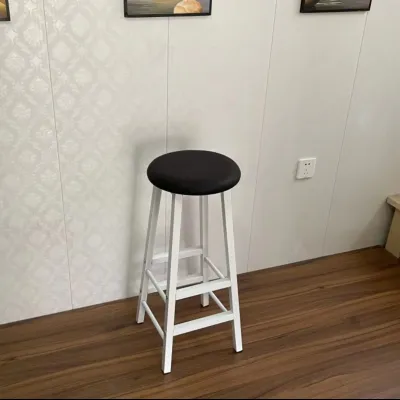
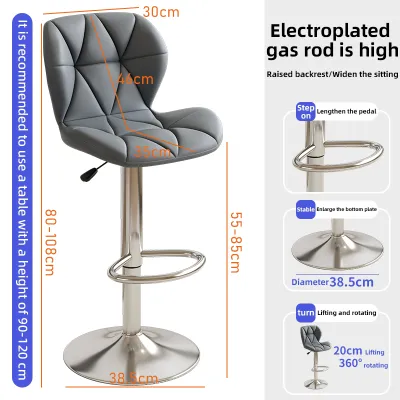
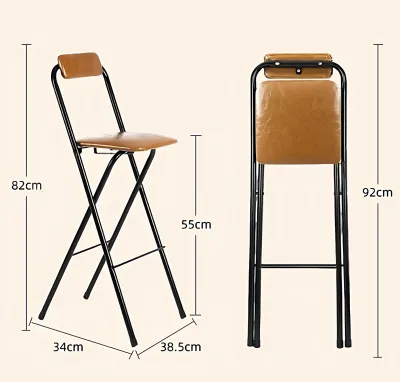
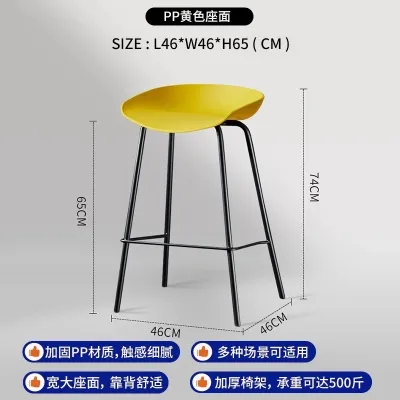
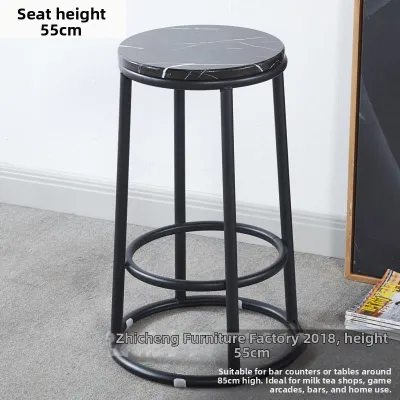
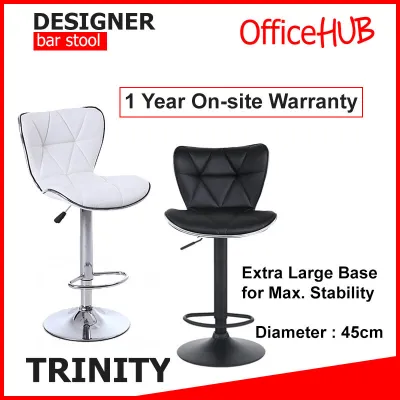
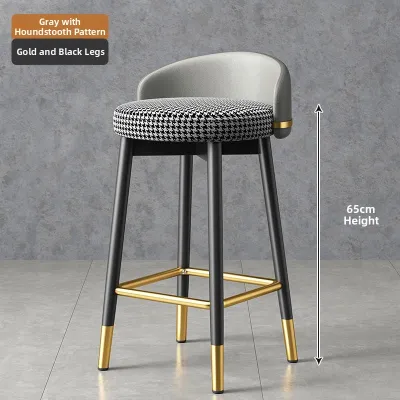

Prices are valid at publication and may change. Please refer to the product page for the latest price.
Match Bar Stool Styles to Your Decor
Achieving a cohesive look does not mean every piece of furniture must match perfectly. You can choose a complementary approach, where your bar stools share similar materials and colors with your kitchen, or a contrasting approach, where the stools serve as bold accent pieces to break up visual monotony. For instance, placing dark, textured stools against a stark white island creates an eye-catching focal point. To help you navigate these design choices, the following table maps common interior design styles to their recommended bar stool features, materials, and visual characteristics.

| Interior Style | Recommended Stool Materials | Key Visual Features | Styling Approach |
|---|---|---|---|
| Industrial / Loft | Matte black steel, distressed leather, reclaimed wood | Exposed hardware, raw finishes, sturdy frames | Contrasts well with sleek, modern cabinetry |
| Scandinavian | Light oak, molded plywood, neutral fabrics | Clean lines, tapered legs, functional simplicity | Complements bright, airy, and minimalist spaces |
| Mid-Century Modern | Walnut, teak, curved bentwood, textured boucle | Organic curves, angled legs, warm wood tones | Adds retro warmth to transitional kitchens |
| Coastal / Bohemian | Natural rattan, woven cane, light linen | Breathable textures, organic shapes, pale tones | Softens hard stone countertops and metal fixtures |
Industrial and Urban Loft
The industrial aesthetic celebrates raw, unfinished elements and utilitarian design. If your home features exposed brick walls, concrete-look screed floors, or matte black track lighting, industrial bar stools will feel right at home. These stools typically showcase a combination of rugged materials, such as powder-coated steel frames paired with solid wood or distressed leather seats. The structural silhouettes are often minimalist but sturdy, emphasizing function over ornamentation.
When selecting industrial seating, pay attention to the visual weight of the metalwork. Slender, open-frame steel stools maintain a sense of spaciousness, making them excellent for compact kitchen counters. If you prefer a warmer, more lived-in feel, look for options that incorporate reclaimed timber or rich brown leather upholstery. These natural textures soften the coldness of metal and concrete, creating a balanced, inviting atmosphere. Be sure to check that any metal frames feature protective glides on the feet to prevent scratching your tiles or vinyl flooring.
Scandinavian and Minimalist
Scandinavian design centers on simplicity, functionality, and a deep connection to nature. If your kitchen is characterized by bright, light-filled spaces, neutral color palettes, and clutter-free surfaces, Scandinavian or minimalist bar stools are an excellent match. These designs prioritize clean lines and organic materials, often utilizing light-colored woods like ash, beech, or pale oak. The shapes are understated, avoiding any unnecessary decorative flourishes in favor of ergonomic comfort.
Molded plywood seats that contour to the body are a staple of this style, offering comfort without the need for bulky cushioning. If you prefer upholstered options, stick to neutral tones such as soft greys, beige, or muted cream fabrics. The goal is to choose seating that blends seamlessly into the background, preserving the airy, tranquil feel of the room. Look for stools with slim, tapered legs and low-profile backrests that sit flush with or just below your counter height to maintain unobstructed sightlines across your living space.
Mid-Century Modern
Mid-century modern style is defined by a harmonious balance of organic shapes and geometric forms, popular from the mid-1930s through the 1960s. If your home features warm wood tones, tapered furniture legs, and a mix of retro and contemporary elements, mid-century modern bar stools will complement your aesthetic beautifully. These stools often feature rich, warm wood finishes like walnut or medium teak, paired with gently curved backrests and seats.
The silhouettes of mid-century seating are distinctively elegant, often showcasing iconic design elements like splayed legs and brass-capped feet. Upholstery in this category frequently introduces texture and subtle color, using materials like boucle, tweed, or faux leather in earthy tones like mustard yellow, olive green, or burnt orange. These stools work exceptionally well at adding character and warmth to a neutral kitchen, serving as functional pieces of art that draw the eye without overwhelming the surrounding decor.
Coastal, Rattan, and Bohemian
For homes that embrace a relaxed, organic, and nature-inspired vibe, coastal and bohemian styles offer a wonderful escape. If your interior features soft linen curtains, indoor plants, and plenty of natural light, look for bar stools crafted from woven materials like rattan, cane, or seagrass. These materials bring an instant warmth and tactile texture to the kitchen, softening the hard, cold surfaces of quartz or marble countertops.
The forms of bohemian and coastal stools are typically informal and breezy, featuring open-weave patterns that allow light to pass through. This transparency is particularly beneficial in smaller kitchens, as it prevents the seating area from looking visually heavy. To maintain the relaxed aesthetic, pair these woven frames with light linen or cotton seat cushions in off-white, sand, or soft pastel shades. Ensure you check the manufacturer’s care instructions for natural fibers, as high-humidity environments may require specific finishes or regular dusting to keep the materials looking fresh.
Verify Dimensions, Space, and Comfort Before Buying
While finding the right style is essential, a bar stool must also fit your physical space and be comfortable for daily use. The most common mistake is purchasing stools without verifying the relationship between counter height and seat height. Standard kitchen counters in Singapore typically stand around 85 to 90 centimeters high, which requires a counter-height stool with a seat height of approximately 60 to 65 centimeters. If you have a taller bar table or a custom high island measuring 100 to 105 centimeters, you will need bar-height stools with a seat height of 75 to 80 centimeters. Always aim for a clearance of 25 to 30 centimeters between the top of the stool seat and the underside of the counter to allow comfortable legroom.
Beyond height, you must calculate the horizontal spacing to avoid a cramped seating arrangement. As a general rule, allow at least 60 to 75 centimeters of width for each stool, measured from the center of one seat to the center of the next. This spacing ensures that guests have enough elbow room to eat and drink comfortably. If you choose stools that swivel, you may need to allow slightly more clearance to prevent the seats from bumping into each other or the edge of the island.
Finally, consider the physical footprint of the stools in relation to your kitchen walkways. Measure the depth of the stool base to ensure it can tuck fully under the counter when not in use, keeping your walkways clear. If your kitchen is a high-traffic zone, armless stools or low-back designs are easier to slide out of the way. Additionally, if you are ordering pre-assembled stools, verify that the packaging dimensions can easily fit through your doorway and lift access. Do not overlook ergonomic features like the placement of the footrest, the depth of the seat, and the height of the backrest. A footrest is crucial for relieving pressure on the thighs, especially on taller bar-height stools, so verify that its height feels natural when seated.
Evaluate Materials and Maintenance for Daily Use
Your lifestyle and daily routines should heavily influence the materials you choose for your bar stools. Kitchens are high-spill zones, meaning your seating must be resilient and easy to clean. If you have a busy household where the kitchen island is used for daily meals, homework, and entertaining, prioritize low-maintenance materials. Leather and high-quality synthetic alternatives are highly practical, as they can be wiped clean with a damp cloth. In contrast, delicate fabrics like linen or light-colored cotton are prone to staining and may require professional cleaning or protective fabric treatments.
Wood and metal elements also require careful consideration. If you opt for wooden stools, check if the surface has a durable polyurethane or lacquer finish that resists moisture and food stains. For metal frames, look for powder-coated finishes that resist chipping and protect against rust, which is particularly important in humid climates. If you choose natural materials like rattan or cane, verify that they are tightly woven and free from loose fibers that could snag clothing.
Regardless of the material, regular maintenance is key to ensuring the longevity and stability of your bar stools. Over time, the constant movement and shifting weight can loosen the joints and hardware of your seating. Establish a routine to inspect the screws, bolts, and joints every few months, tightening them as necessary to prevent wobbling. If your stools feature floor protectors on the feet, check them periodically for wear and tear, replacing them promptly to protect your floors from scratches.
Frequently Asked Questions (FAQ)
Can I mix two different bar stool styles in the same kitchen?
Yes, you can successfully mix different bar stool styles, provided there is a unifying design element to tie them together. To prevent the space from looking cluttered or chaotic, ensure the stools share at least one common characteristic, such as a consistent seat height, a matching color palette, or similar material finishes. For example, you might pair two different industrial metal stools if they both feature the same matte black finish, or mix a wooden stool with a rattan stool if their wood tones match. Mixing styles works best when you have a clear division of space, such as using one style at the main kitchen island and a slightly different but complementary style at a nearby breakfast peninsula.
How many bar stools should I buy for my kitchen island?
To determine the correct number of stools, measure the total usable length of your kitchen island counter and divide it by the recommended spacing allowance. For standard counter-height stools, you should allocate approximately 60 to 70 centimeters of counter width per stool. This measurement accounts for both the physical width of the stool and the necessary elbow room between seated guests. For example, if your kitchen island is 180 centimeters long, you can comfortably fit three stools. If you choose larger stools with wide seats, armrests, or a swivel mechanism, increase the allowance to 75 centimeters per stool to ensure easy movement and prevent crowding.
Community discussion
Share your experience or ask a question. Comments are reviewed before publication.