
Finding the perfect balance between form and function is a common challenge when organizing a home. In compact living environments, such as HDB flats or modern condominiums, the entryway serves as the critical transition zone between the busy outside world and your personal sanctuary. A well-chosen coat rack does more than simply hold your outerwear; it establishes an organized flow, keeps daily essentials within arm’s reach, and sets the aesthetic tone for your entire living space.
Before purchasing any organizer, you must evaluate your physical space and daily habits. Many homeowners select a rack based solely on its minimalist appeal, only to find that it blocks a vital walkway or fails to accommodate their daily storage needs. To avoid these common pitfalls, start by taking precise measurements of your designated entryway or hallway.
Begin by measuring the available floor area, paying close attention to the swing radius of your front door and any nearby closet doors. A coat rack should never impede your movement or obstruct pathways. If you are considering a wall-mounted option, measure the vertical clearance and ensure there are no hidden electrical conduits or plumbing lines behind the plaster.
Products mentioned in this guide
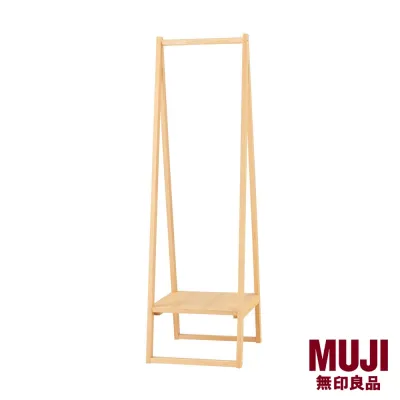
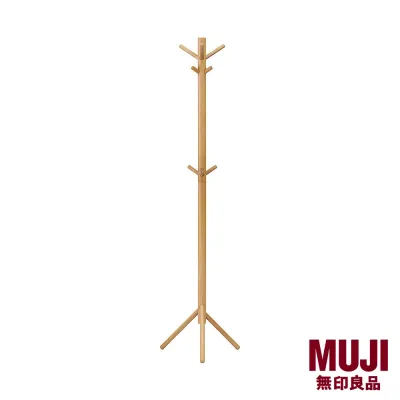
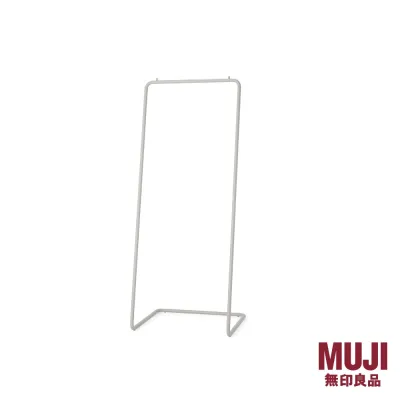
![[SG Stock] Japanesque 100% Solid Beech Wood Wooden Clothes Hanger Rack Clothes Hanger Hook Bedroom Coat Stand Rack](https://img.lazcdn.com/g/p/492d383221a51bc3c5f57b9371c798d6.jpg_400x400q80.jpg_.webp)
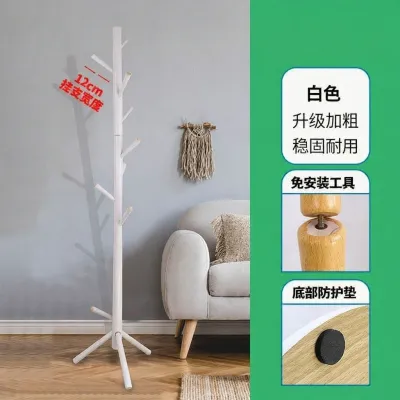
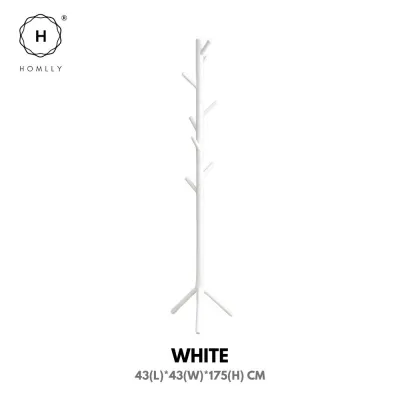
![[✅SG Ready Stock] 100% solid wood Wooden Clothes Hanger Rack Nordic Style Clothes Hanger Hook Bedroom Coat Stand Rack](https://img.lazcdn.com/g/p/55813a535e85f05145eac7dbf91d2125.png_400x400q80.png_.webp)
Prices are valid at publication and may change. Please refer to the product page for the latest price.
Next, estimate your household’s actual storage volume. Count the number of bags, hats, umbrellas, and light jackets your family uses on a daily basis. If you frequently host guests, you will also need to factor in temporary storage capacity. Overestimating your needs can lead to a bulky unit that dominates a small room, while underestimating results in an unsightly, overloaded rack that compromises your home’s tidy appearance.
Finally, consider the specific needs of your household members. If you have young children or elderly relatives, accessibility is a primary concern. Lower hooks or adjustable configurations ensure that everyone can easily reach their belongings without assistance, promoting independence and keeping the entryway clutter-free.
Exploring MUJI Coat Rack Categories
MUJI is renowned for its signature minimalist aesthetic, utilizing clean lines, natural wood tones, and functional metal elements to create unobtrusive storage solutions. Their coat rack offerings generally fall into three distinct structural categories, each designed to address specific spatial constraints and organizational preferences. Understanding these categories will help you match the right design to your home’s layout.
Freestanding and Tree-Style Racks
Freestanding or tree-style coat racks are classic organizational pieces that offer exceptional flexibility. Because they do not require permanent wall mounting, you can easily reposition them as your seasonal needs or home layout changes. This makes them an excellent choice for renters or those who enjoy rearranging their furniture periodically.
These models are ideal for spacious entryways, bedroom corners, or open-plan living areas where floor space is not strictly limited. When selecting a freestanding model, pay close attention to the base design. A wide, heavy base is essential for maintaining stability, especially when hanging heavier bags or multiple layers of clothing.
Before buying, verify the overall height of the unit. You want to ensure that longer garments, such as trench coats, long cardigans, or dresses, can hang freely without dragging on the floor. Additionally, check the distribution of the hooks; staggered hooks allow for better air circulation between garments and prevent the rack from looking overly bulky when fully loaded.
Keep in mind that freestanding units rely entirely on their own structural integrity. Inspect the joints and connection points on the display model or product diagrams to ensure they are robust. If you plan to place the rack on a carpeted surface, verify that the base is compatible and will not wobble under a full load.
Wall-Mounted and Minimalist Hooks
For compact apartments, narrow hallways, or tight entryways where floor space is at a premium, wall-mounted hooks offer an elegant, space-saving alternative. By lifting your storage off the floor, these minimalist solutions keep your walkways completely clear and create an open, airy feel in small rooms.
Before committing to a wall-mounted system, you must thoroughly evaluate your wall construction. Concrete or brick walls, which are standard in many local high-rise developments, require masonry drill bits, sturdy wall plugs, and robust screws to ensure a secure hold. Drywall installations, on the other hand, require locating wooden studs or utilizing specialized hollow-wall anchors to prevent the rack from pulling out of the wall under weight.
Another critical factor to consider is the projection depth of the hooks. Ensure that the hooks do not protrude so far into the hallway that they catch on clothing as people walk past, or prevent nearby doors from opening fully. A flush-fitting or folding hook design can be particularly useful in exceptionally tight corridors.
Wall-mounted options also allow for creative customization. You can install multiple units side-by-side to create a continuous hanging zone, or mount them at varying heights to accommodate both adults and children. This adaptability makes them a highly functional choice for growing families.
Multi-Functional Racks with Umbrella Stands
In regions characterized by frequent rainfall and high humidity, a multi-functional rack that combines garment hanging with an integrated umbrella stand is incredibly practical. These combination units streamline your entryway by consolidating two essential storage pieces into a single, cohesive footprint.
When evaluating a multi-functional unit, the drip tray is a vital component to inspect. Look for a tray that is easily removable and constructed from rust-resistant materials, such as coated steel or durable plastics. This allows you to empty collected rainwater quickly, protecting your hardwood, laminate, or parquet flooring from moisture damage and warping.
Additionally, assess the physical separation between the wet umbrella storage area and the dry garment hanging zone. Wet umbrellas should not come into direct contact with hanging coats, bags, or delicate fabrics, as this can lead to moisture transfer, damp odors, and potential fabric damage.
Because these combination units serve multiple purposes, they typically feature a larger footprint than standard freestanding poles. Carefully measure your designated corner to ensure the unit fits comfortably without crowding the space. Verify that the umbrella slots are deep enough to keep long umbrellas upright and stable, while also accommodating compact, folding umbrellas.
Key Specifications to Verify Before Buying
To ensure your chosen coat rack performs reliably over the long term, you must carefully review the manufacturer’s specifications before making a purchase. Never rely solely on visual appeal; instead, consult the product label, packaging, or official online store listing for precise technical details.

First, verify the maximum load capacity, both for individual hooks and for the entire structural unit. Exceeding these limits can cause hooks to bend, joints to loosen, or the entire rack to fail. If you plan to hang heavy items like leather jackets, laptop bags, or wet outerwear, ensure the rated capacity can safely support these loads.
Second, examine the material composition and surface treatment. MUJI products often feature solid wood finishes, such as oak or ash, or powder-coated steel. While solid wood offers a warm, natural aesthetic, its durability in humid environments depends heavily on the quality of its protective finish. Check the care instructions to see if the wood requires periodic oiling or special cleaning agents to maintain its resistance to moisture.
Finally, understand the assembly requirements. Many minimalist furniture pieces are sold flat-packed to facilitate easy transport. Review the product listing to see what tools are required for setup, whether all necessary hardware is included, and what the estimated assembly time is. If you are uncomfortable with DIY assembly, check if the retailer offers professional installation services for an additional fee when planning your budget in S$.
Placement and Maintenance Tips for Longevity
Proper placement and regular maintenance are essential for preserving the appearance and structural integrity of your coat rack. Even the highest-quality materials can deteriorate prematurely if subjected to improper environmental conditions or neglected care routines.
Position your rack away from direct sunlight and areas of extreme temperature or humidity fluctuation. Intense sunlight can cause wooden finishes to fade, discolor, or crack over time, while high humidity can encourage wood warping or metal corrosion. Avoid placing the rack directly beneath air conditioning vents or right next to damp bathroom entrances.
Develop a habit of distributing weight evenly across the rack. On freestanding models, hanging all your heavy bags on one side creates an uneven center of gravity, putting unnecessary stress on the joints and increasing the risk of a tip-over. Alternating where you hang items helps maintain structural balance and extends the lifespan of the joints.
When cleaning your coat rack, always follow the manufacturer’s care label. For wooden surfaces, a soft, dry, or slightly damp microfiber cloth is usually sufficient to remove dust. Avoid using harsh chemical cleaners, abrasive pads, or wax polishes unless specifically recommended, as these can strip the protective topcoat and leave the material vulnerable to stains and moisture.
Frequently Asked Questions (FAQ)
Can I assemble a freestanding coat rack without professional help?
Most freestanding coat racks are designed for straightforward home assembly, requiring only basic household tools like a screwdriver. The packaging typically includes step-by-step instructions and any specialized keys required for the fasteners. However, if you find that the structural parts do not align easily, or if you are installing a wall-mounted model that requires drilling into concrete walls, it is best to stop and consult a professional installer to ensure a safe and secure setup.
How do I prevent a freestanding coat rack from tipping over?
To maximize stability, always place heavier items, such as backpacks or heavy coats, on the lower hooks to keep the center of gravity as low as possible. Ensure the rack is positioned on a completely flat, level floor surface, and check that any included anti-slip or leveling pads are properly installed. If you live in a household with active children or pets, consider using wall-anchoring straps or brackets to secure the freestanding unit to the wall for added peace of mind.
Are minimalist coat racks suitable for heavy winter coats?
Minimalist coat racks can accommodate heavier garments, provided you strictly adhere to the manufacturer’s specified load limits. Before hanging heavy winter coats or thick outerwear, check the weight capacity per hook on the product label. To prevent damage, avoid overloading a single hook; instead, distribute the weight of heavy garments across multiple points on the rack. Periodically inspect the joint connections and tighten any screws that may have loosened from regular use.

Community discussion
Share your experience or ask a question. Comments are reviewed before publication.