
Finding the right Dunlopillo mattress firmness depends primarily on your dominant sleeping position, which dictates how your shoulders, hips, and spine align throughout the night. Side sleepers generally benefit from a medium-soft to medium feel that cushions prominent pressure points, back sleepers typically require a balanced medium to medium-firm surface to support the lumbar curve, and stomach sleepers need a firmer mattress to prevent the pelvis from sagging. By matching your sleep posture with the correct support level, you can avoid morning stiffness and ensure your investment provides lasting comfort.
Identify Your Dominant Sleeping Posture
Observe your typical morning wake-up posture and common resting positions throughout the night to establish a baseline for your firmness selection. If you fall asleep on your side but wake up flat on your back, your body is naturally seeking a specific alignment. Pay attention to your position during those quiet moments right before you drift off and immediately when you open your eyes in the morning.
While most people shift positions multiple times a night, there is usually one dominant posture where you spend the majority of your resting hours. Distinguishing between your dominant position and occasional shifting helps you target the support system that will do the heavy lifting while you sleep.
Products mentioned in this guide

![[The Mattress Boutique]DUNLOPILLO LATEX WORLD COOL FULL NATURAL LATEX - KING](https://img.lazcdn.com/g/p/01560da375976afe196573c1c85aac54.jpg_400x400q80.jpg_.webp)
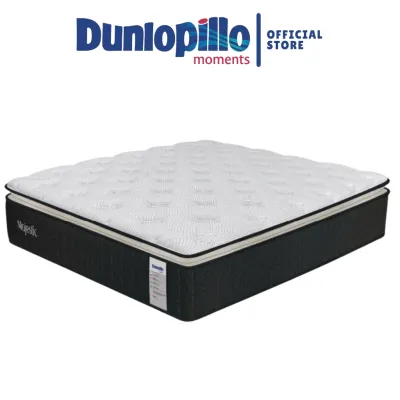
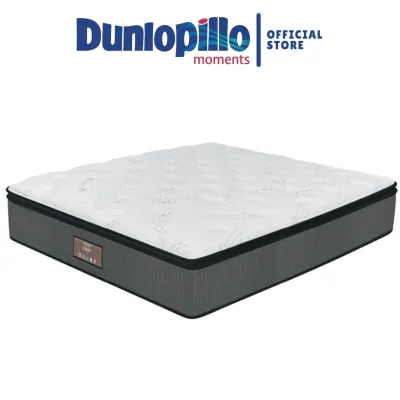
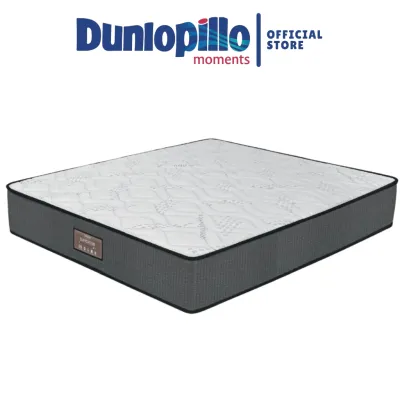
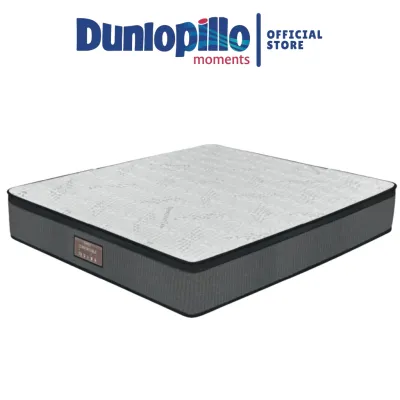

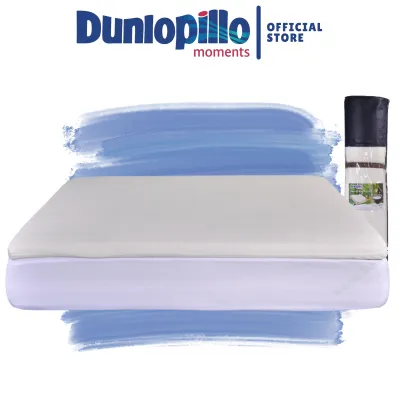
Prices are valid at publication and may change. Please refer to the product page for the latest price.
Additionally, you must listen to what your body tells you upon waking. Waking up with a dull ache in your lower back, stiffness in your shoulders, or a sensation of pressure on your hip joints indicates that your current sleeping surface is failing to bridge the gap between comfort and support. These physical cues are clear indicators of where your current mattress is either too soft, causing you to sag, or too firm, creating painful pressure points.
Align Firmness Levels With Your Sleeping Posture
Mattress manufacturers typically categorize firmness on a standard scale from 1 to 10, where 1 represents an extremely plush, cloud-like surface and 10 represents a highly rigid, floor-like feel. Most Dunlopillo models fall within the medium-soft to firm range, helping to accommodate different physical needs. Understanding these designations helps you filter through options, but it is important to remember that firmness is not a one-size-fits-all metric.

A single universal firmness level cannot accommodate every individual because different sleeping postures distribute body weight in entirely unique ways. Your posture determines which parts of your body press deepest into the mattress and where you require active upward resistance to keep your spine in a neutral, healthy alignment.
Side Sleepers
Side sleeping is one of the most common postures, but it places concentrated pressure on relatively narrow areas of the body, specifically the shoulders and the hips. To accommodate this, side sleepers should look for medium-soft to medium firmness indicators on product labels. This level of give allows these prominent joints to sink just enough into the mattress, relieving pressure and preventing that pins-and-needles sensation.
When evaluating options, check for comfort layers—such as natural latex or specialized foam—that are designed to contour closely to your body’s natural curves. These layers should cradle your shape without creating a restrictive hammock effect, which occurs when a mattress is too soft and causes the entire body to bow inward.
The ideal mattress for a side sleeper must strike a delicate balance: it must offer enough initial plushness to cushion the shoulders and hips while providing a supportive core that prevents these heavy zones from sinking too deeply, thereby keeping the spine horizontally aligned from the neck to the tailbone.
Back Sleepers
Back sleepers require a surface that maintains the natural curve of the spine without forcing the body into an unnatural flat position or allowing it to sag. For this posture, target medium to medium-firm specifications. This range provides a stable foundation that keeps the torso level while offering just enough cushioning for the gluteal region.
If a mattress is too soft, a back sleeper’s hips will sink too deeply into the core, which pulls the lower spine out of alignment and leads to significant lumbar strain. Conversely, an overly firm mattress will leave a hollow gap under the lower back, forcing the lumbar muscles to work overtime throughout the night to support themselves.
To address this, review manufacturer descriptions for targeted support zones. Many high-quality mattresses feature multi-zone pocket spring systems or zoned latex layers that offer firmer support under the heavier midsection and gentler cushioning under the head and legs, ensuring balanced spinal alignment.
Stomach Sleepers
Stomach sleeping is highly demanding on the spine because gravity naturally pulls the midsection downward, threatening to arch the lower back excessively. To counteract this downward pull, stomach sleepers must prioritize medium-firm to firm options. A rigid, supportive surface is essential to keep the pelvis level with the shoulders and prevent the spine from bowing.
Avoid mattresses with overly plush top layers or thick, pillowy comfort zones. While these may feel luxurious at first touch, they allow the pelvis to sink excessively, which immediately strains the lower back and can lead to chronic discomfort over time.
In addition to selecting a firmer mattress, stomach sleepers should consider their pillow choice. Using a very thin pillow—or even sleeping without one under the head—can complement the flat mattress angle, reducing neck strain and keeping the entire cervical spine in a more neutral position.
Refine Your Choice Based on Body Weight and Preferences
While sleeping position is the primary guide, your body weight plays a significant role in how a mattress actually feels. A medium-firm mattress may feel quite firm to a lighter individual (under 60 kg) because they do not exert enough force to compress the comfort layers. Conversely, a heavier individual (over 90 kg) will compress those same layers deeply, meaning they may require a firmer model to achieve the same level of support and prevent premature sagging.
If you share your bed, you must also account for partner disturbance and potentially differing firmness preferences. Look for models that incorporate pocketed spring systems or thick latex layers, which excel at motion isolation by preventing movement from transferring across the bed. For couples with vastly different support needs, some premium ranges offer dual-firmness configurations within a single mattress frame.
In Singapore’s warm and humid climate, temperature regulation is another critical preference to factor in. Different comfort layers handle heat retention differently; natural latex is highly breathable due to its open-cell structure and ventilation pinholes, making it an excellent choice for hot sleepers. If you prefer memory foam comfort layers, verify that they incorporate cooling gels or open-cell technology to prevent heat from trapping close to your body during the night.
Test and Verify Your Mattress Choice Before Buying
Before making a final purchase, it is highly recommended to visit an authorized physical showroom to test the specific models you are considering. Do not simply sit on the edge of the bed or lie down for a few seconds; instead, lie down in your typical sleeping posture for at least 10 to 15 minutes. This allows your muscles to relax fully, giving you a realistic sense of how the mattress supports your body over an extended period.
Additionally, verify that the physical dimensions and thickness of the selected model will fit your existing setup. Measure your bed frame carefully, and ensure your current fitted sheets have deep enough pockets to accommodate the mattress’s height. In Singapore, where many live in high-rise apartments, it is also crucial to check that the mattress dimensions can easily clear your doorways, tight corridors, and HDB lift access points during delivery.
Always review the retailer’s trial period and return policy before finalizing the transaction. Some retailers offer a sleep trial that allows you to test the mattress at home for a set number of nights, but you should clarify any associated restocking fees, return shipping costs, or exchange conditions beforehand.
Finally, check the manufacturer’s warranty terms in detail. Pay close attention to what constitutes a structural defect, particularly the depth of visible sagging required to trigger a warranty claim. A robust warranty ensures that your investment remains supportive and comfortable for years to come.
Frequently Asked Questions (FAQ)
Can I change the firmness of my mattress after buying it?
If your mattress feels slightly too firm, you can adjust the surface feel by adding a mattress topper. Toppers made of natural latex, memory foam, or fiberfill can add a layer of plushness and contouring comfort to an otherwise rigid bed. However, keep in mind that a topper is a surface-level modification; it cannot fix a fundamentally unsupportive core or correct a mattress that is already sagging. Before adding any third-party layers, check your mattress warranty conditions to ensure that using a topper does not void your coverage.
Is a firm mattress always better for back pain?
There is a common misconception that an extremely firm mattress is the universal cure for back pain, but this is rarely the case. While a firm surface prevents sagging, it can create painful pressure points for side sleepers and fail to support the lumbar curve for back sleepers. Proper spinal alignment, which depends on your unique body weight and sleeping posture, is far more important than absolute firmness. If you suffer from chronic or severe back pain, it is always best to consult a healthcare professional for personalized advice rather than relying solely on a mattress change.

Community discussion
Share your experience or ask a question. Comments are reviewed before publication.