
Choosing the right coffee table is a balancing act between functionality and visual harmony. An acrylic coffee table offers a unique design solution, serving as a highly functional surface that can either blend seamlessly into the background or stand out as a striking contemporary centerpiece. Because acrylic is inherently transparent, it interacts with light and space differently than traditional wood or metal furniture, making it an excellent choice for modern living rooms.
To find the style that best complements your home, you must look beyond the material itself and consider how its shape, thickness, and structural details align with your existing interior design. Whether your home leans toward the quiet warmth of Japandi style or the high-contrast drama of a modern glam aesthetic, selecting the right acrylic table requires a thoughtful analysis of your room’s layout, lighting, and daily lifestyle needs.
Assessing Your Living Room Space and Layout
Before focusing on aesthetics, you must evaluate the physical dimensions and layout of your living room to ensure the table fits comfortably. A coffee table should never obstruct the natural flow of movement through the space. Start by measuring the clearance between the edge of your sofa and the proposed placement of the table. A distance of 30 to 45 centimeters is generally ideal, providing enough legroom to sit comfortably while keeping the tabletop within easy reach.
Products mentioned in this guide
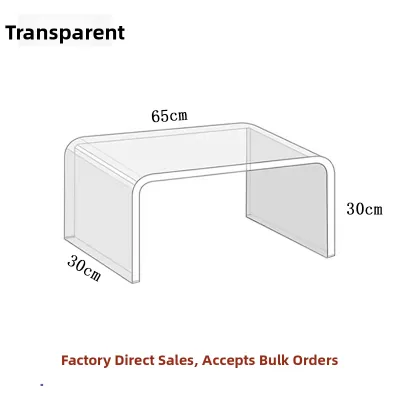
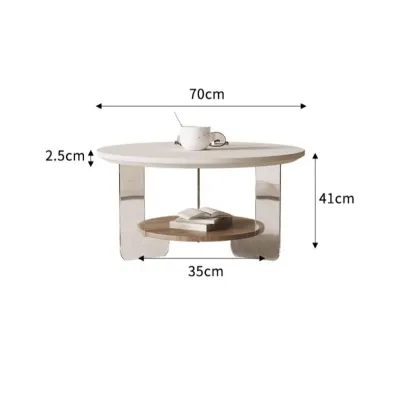

Prices are valid at publication and may change. Please refer to the product page for the latest price.
The scale of your existing furniture also dictates the appropriate size and shape of your acrylic table. If you have a large, deep-seated sectional sofa, a small, thin-rimmed acrylic table may look dwarfed and out of proportion. Conversely, in compact living rooms, such as those found in urban apartments or HDB flats, a streamlined rectangular or oval acrylic table can keep the seating area feeling open and airy.
Visual weight is another critical factor to analyze when planning your layout. Traditional wooden or stone coffee tables possess significant visual weight, which can make a small or crowded room feel even more congested. Transparent acrylic, on the other hand, has virtually no visual weight, allowing the colors and patterns of your flooring or area rug to show through. This transparency helps balance rooms that already feature bulky, dark, or heavily upholstered furniture.
Finally, pay close attention to the natural and artificial lighting in your living room. Because clear acrylic surfaces are highly reflective, direct sunlight from large windows or harsh glare from overhead spotlights can create distracting reflections. Walk around your seating area at different times of the day to observe how light falls across the space, as this will help you decide whether a polished, high-gloss clear finish or a matte, frosted surface is more appropriate for your environment.
Minimalist and Japandi Styles: Clean Lines and Warm Balance
Minimalist and Japandi interior designs prioritize simplicity, functionality, and a deep connection to natural elements. If your living room features clean lines, a neutral color palette, and an uncluttered layout, your choice of an acrylic coffee table should reflect these understated principles. The goal is to find a design that supports the room’s quiet atmosphere without introducing unnecessary visual noise.

For these styles, look for low-profile silhouettes with simple, continuous lines, such as a classic waterfall design where a single sheet of acrylic gently curves down to form the tabletop and legs. Mixed-material designs are particularly effective in Japandi spaces, which blend Japanese minimalism with Scandinavian warmth. An acrylic table featuring light wood accents, such as oak or ash support brackets, or a thin wooden shelf suspended beneath a clear top, beautifully bridges the gap between synthetic modernism and organic nature.
In minimalist spaces that rely heavily on negative space, a completely transparent acrylic table acts as an invisible helper. It provides a surface for your morning coffee or a book without interrupting the clean sightlines of the room. This transparency allows the eye to travel effortlessly across the space, emphasizing the architectural simplicity of your home rather than drawing attention to a central piece of furniture.
If you find that completely clear acrylic feels too cold or clinical against your warm neutral decor, consider alternative finishes. Frosted, textured, or subtly tinted acrylic in warm amber, smoke grey, or soft bronze tones can soften the modern edge of the material. These finishes diffuse light rather than reflecting it sharply, allowing the table to blend harmoniously with tactile, organic elements like linen sofas, woven jute rugs, and potted indoor plants.
Modern and Glam Styles: Bold Geometry and Luxe Accents
If your living room embraces bold geometry, high-contrast color schemes, or luxurious textures, an acrylic coffee table can serve as a stunning statement piece. Modern and glam interiors thrive on contrast and drama, and the reflective properties of acrylic make it an ideal medium for showcasing these design elements. Instead of blending into the background, the table should actively contribute to the room’s energetic aesthetic.
For a modern or glam look, seek out designs that feature thick, substantial acrylic blocks or complex geometric bases. Hexagonal, octagonal, or sculptural multi-faceted bases catch and refract light in captivating ways, turning the table into a functional work of art. Look for tables that pair heavy, clear acrylic tops with polished metallic accents, such as brass, gold, or chrome frames, which instantly elevate the room’s luxury quotient.
Evaluate how the table will interact with the other bold elements in your living room. If your space features vibrant accent walls, large-scale abstract artwork, or a patterned statement rug, a high-gloss, reflective acrylic surface can amplify these colors and shapes. The table acts as a lens, reflecting the rich tones of your decor and adding a layer of depth and brightness to the entire seating area.
Symmetry and structure are also vital in modern and glam spaces. A well-defined square or rectangular acrylic table with sharp, polished edges can anchor a seating arrangement, providing a clean frame that balances asymmetrical furniture layouts or eclectic decor. By choosing a design with a strong geometric presence, you ensure the table holds its own against eye-catching upholstery, velvet cushions, and dramatic lighting fixtures.
Essential Pre-Purchase Checks for Acrylic Tables
Before finalizing your purchase, it is essential to verify the physical specifications and care requirements of the acrylic coffee table to ensure it meets your household’s practical needs. Unlike wood or metal, acrylic requires specific handling and maintenance to preserve its pristine appearance over time. Taking the time to perform these checks will prevent disappointment and ensure your investment lasts.
First, verify the exact dimensions, material thickness, and weight capacity directly from the manufacturer’s product specifications. High-quality acrylic furniture is typically constructed from thicker sheets, often ranging from 10 to 15 millimeters or more, to prevent bowing or flexing under weight. Ensure the rated weight capacity is sufficient to support your typical tabletop items, such as heavy art books, decorative vases, or tea sets.
Next, carefully inspect the edge finishing and corner treatments of the table. Because acrylic is a rigid material, sharp, unpolished edges can pose a safety hazard, particularly in busy households with young children or active pets. Look for tables that feature flame-polished, rounded, or chamfered edges, which smooth out any sharp points and create a safer, more comfortable surface to bump against.
Finally, thoroughly review the manufacturer’s care and cleaning instructions. Acrylic is highly susceptible to scratching from abrasive materials and can suffer chemical damage if cleaned with incorrect products. Standard glass cleaners containing ammonia or alcohol can cause the acrylic to develop micro-cracks, a process known as crazing, or turn cloudy over time. Ensure you are prepared to use only soft, non-abrasive microfiber cloths and specialized, manufacturer-approved acrylic cleaners to maintain the table’s clarity and prevent long-term yellowing or scratching.
Frequently Asked Questions (FAQ)
Does an acrylic coffee table make a small living room look bigger?
An acrylic coffee table does not physically increase the floor space of your living room, but it does create a powerful visual illusion of openness. Because light passes directly through the transparent material, the table eliminates the visual block that a solid wood or metal table would create. This allows the eye to see more of the floor and surrounding furniture, making the room feel less cramped. To maximize this spatial illusion, you must keep the tabletop relatively uncluttered and choose a design with a simple, open base rather than a complex, solid structure.
How do I prevent an acrylic table from scratching easily?
Preventing scratches on an acrylic surface requires establishing protective daily habits and using the correct cleaning techniques. Always place soft felt pads under the bases of decorative objects, vases, or trays, and use coasters for drinks to prevent direct friction on the tabletop. When cleaning, never use paper towels, polyester sponges, or dry cloths, as these can trap tiny dust particles and drag them across the surface, creating fine hairline scratches. Instead, gently wipe the table with a clean, damp, high-quality microfiber cloth and a mild soap solution or a dedicated acrylic polish.

Community discussion
Share your experience or ask a question. Comments are reviewed before publication.