
Finding the ideal coffee table involves more than picking a beautiful surface; it requires a thoughtful analysis of how a new piece interacts with your existing seating, layout, and daily habits. The right choice serves as a visual anchor that unifies your living room’s design language while maintaining comfortable traffic flow. By evaluating your room’s current aesthetic, understanding key style signatures, and accounting for physical proportions, you can select a coffee table that feels both intentional and highly functional.
Identify Your Existing Living Room Aesthetic
Before browsing showroom floors or online catalogs, take a step back to audit your current living room setup. Introducing a new center furniture piece without analyzing its surroundings often leads to visual friction. Begin by identifying the dominant design cues present in your largest items, such as your sofa, accent chairs, media console, and area rug. Look for recurring patterns: are your furniture frames characterized by sharp, geometric lines, or do they feature soft, rounded contours?
Recognizing the underlying color temperature and structural themes of the room is the next step. Warm palettes dominated by beige, cream, and rich timber tones pair naturally with organic materials, whereas cool schemes featuring greys, blues, and polished metals lean toward modern or industrial aesthetics. Take note of the visual weight of your current setup. A heavy, low-profile fabric sectional demands a different complementary weight than a leggy, minimalist leather sofa.
Products mentioned in this guide
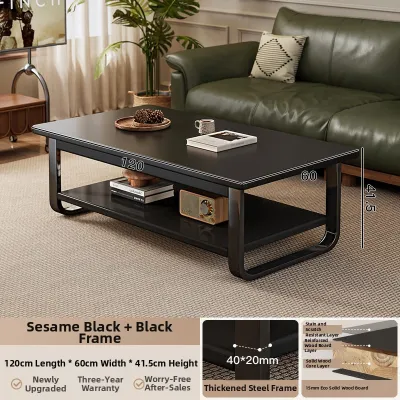
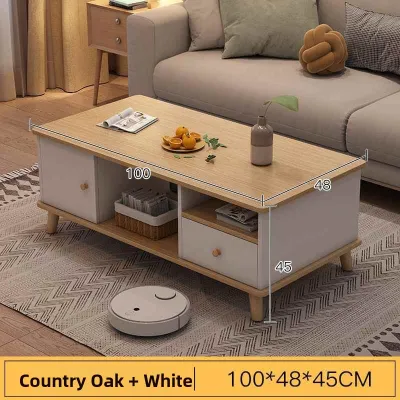

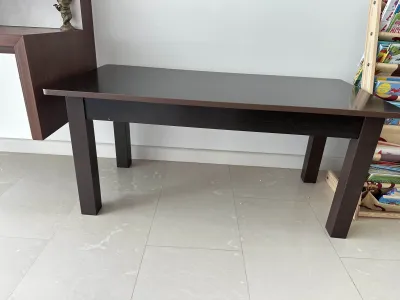
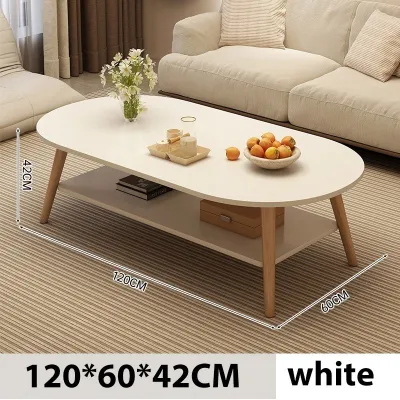
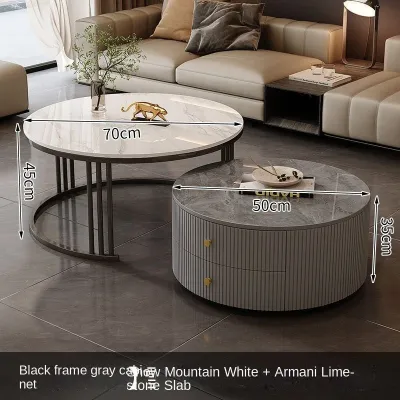
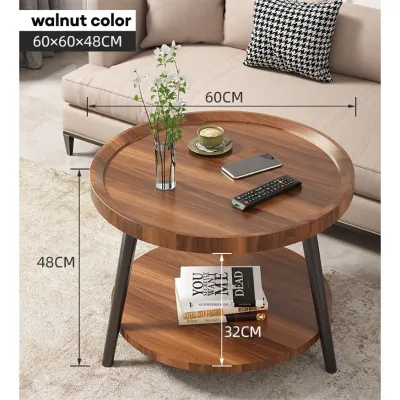
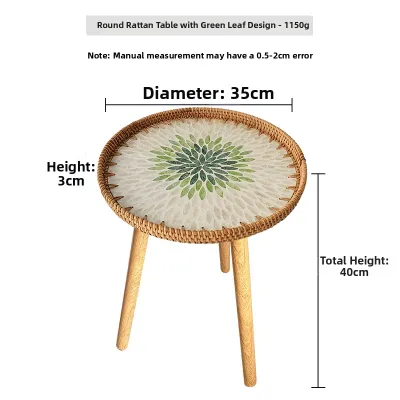
Prices are valid at publication and may change. Please refer to the product page for the latest price.
To streamline this process, use a simple visual checklist to define your room’s current atmosphere. Note the level of formality—is it a casual family lounging area or a structured, formal reception space? Assess the height of your sofa cushions and the scale of your existing furniture. Documenting these details ensures that your new table will match the established mood and scale, rather than fighting against it for visual dominance.
Core Coffee Table Styles and Their Design Signatures
Every design style carries distinct structural markers and material choices that dictate its overall vibe. Understanding these signatures allows you to match a table to your existing decor with precision.

Scandinavian and Minimalist
Scandinavian and minimalist coffee tables are defined by their simplicity, functionality, and light visual presence. These pieces typically feature light-toned woods such as oak, ash, or beech, paired with slender, tapered legs and clean, unadorned surfaces. The focus remains entirely on organic textures and uncluttered utility, avoiding unnecessary ornamentation.
This style thrives in bright, airy spaces, making it exceptionally well-suited for typical Singapore HDB living rooms where maximizing natural light is a priority. If your home features neutral color palettes, white walls, and a layout that prioritizes open space, a Scandinavian table will reinforce that sense of calm and order.
Mid-Century Modern
Mid-century modern designs celebrate retro-modern silhouettes from the mid-20th century. These tables are easily recognized by their rich, warm wood finishes—often walnut, teak, or cherry—and iconic structural shapes, such as organic ovals, rounded rectangles, or kidney-bean contours. They frequently utilize angled, tapered legs or splayed peg legs that lift the table body high off the floor.
This aesthetic is ideal for living rooms anchored by vintage-inspired seating, classic leather sofas, or warm color schemes. If your space benefits from nostalgic timber tones and structured, sculptural furniture, a mid-century modern table provides an elegant, timeless centerpiece.
Industrial and Urban
Industrial design draws inspiration from factories and urban lofts, emphasizing raw, unrefined materials and structural honesty. These coffee tables typically combine matte black or gunmetal iron frames with thick, distressed wood tops or concrete-look surfaces. The joints, rivets, and metal brackets are often left exposed as part of the decorative appeal.
These rugged pieces are best suited for modern loft-style condominiums, homes with exposed concrete or brick feature walls, and spaces anchored by dark leather or heavy canvas seating. The bold, architectural lines of an industrial table help ground large, open-concept rooms that might otherwise feel sparse.
Contemporary and Transitional
Contemporary and transitional tables bridge the gap between cutting-edge modern design and classic elegance. They frequently showcase high-gloss finishes, polished marble, sintered stone, tempered glass, and geometric metal bases finished in chrome, brass, or brushed gold. The lines are sleek and sophisticated, often utilizing bold geometric shapes like perfect spheres, cubes, or hexagonal frames.
This style excels in formal living areas and modern apartments that require a polished, high-end finish. The reflective properties of glass, metal, and polished stone help bounce light around the room, adding a layer of sophistication and making them excellent choices for upscale, refined interiors.
Bohemian and Eclectic
Bohemian and eclectic styles embrace global influences, natural textures, and a relaxed, collected-over-time atmosphere. Coffee tables in this category often feature hand-woven rattan, wicker, carved solid timber, or drum-style silhouettes. They celebrate minor imperfections, organic textures, and artisanal craftsmanship rather than machine-made perfection.
These textured pieces are perfect for laid-back, plant-filled living rooms that feature layered textiles, patterned rugs, and global decor. A rattan or carved wood table softens the hard lines of standard apartment architecture, creating an inviting, cozy, and highly personalized sanctuary.
Key Design Elements for Seamless Matching
Achieving a cohesive living room does not require buying a matching set of furniture; in fact, mixing elements often creates a more sophisticated, designer-led look. The key is to coordinate materials, colors, and shapes intentionally.
When mixing wood tones and metal finishes, aim for deliberate contrast rather than near-miss matches. Placing two slightly different walnut finishes directly next to each other can look like an accidental mistake. Instead, pair a warm walnut media console with a coffee table that features a matte black metal frame and a glass top, or separate clashing timber tones by placing a neutral area rug between them. Keep the underlying undertones consistent—pair warm woods with warm metals like brass, and cool grey-toned laminates with chrome or black iron.
Color coordination should also serve a clear purpose. If your living room features a neutral, monochromatic palette, you can use a bold, dark-stained wood or a colorful terrazzo coffee table to create a striking focal point. Conversely, if your walls and sofa already feature vibrant colors, choosing a clear glass or neutral stone table allows those existing elements to shine without overwhelming the senses.
The shape of your coffee table should directly respond to your seating arrangement. Round or oval tables are highly practical for L-shaped sectional sofas and tight walkways because they eliminate sharp corners, allowing for smoother foot traffic. Rectangular and square tables, on the other hand, pair beautifully with traditional three-seater sofas, as they mirror the linear silhouette of the seating and provide equal reach for everyone on the couch.
Given Singapore’s tropical climate, material selection must also account for high relative humidity. Untreated solid wood can warp, crack, or develop mold over time when exposed to persistent moisture. For long-term durability, consider moisture-resistant alternatives such as sintered stone, treated metal frames, or high-pressure laminates. Always check the manufacturer’s care instructions and product labels to verify if a wood table has been sealed with a protective, moisture-resistant finish before purchasing.
Space and Proportion: Sizing for Singapore Homes
A coffee table must fit the physical reality of your living room layout to remain practical. In compact HDB flats and condominiums, precise measurements are crucial for maintaining comfortable movement.
Start by applying standard clearance rules to protect your traffic lanes. Maintain a distance of 35 to 45 cm between the edge of the sofa cushions and the coffee table; this provides comfortable legroom while keeping drinks and books within easy reach. For major walkways around the table, ensure there is at least 60 cm of clear space to prevent family members from having to squeeze past or trip over the furniture.
Managing visual weight is essential in smaller rooms. A solid, block-like wooden drum table can make a compact living room feel cramped and obstructed. In contrast, choosing a table with an open metal frame, a glass top, or a raised leg profile allows you to see the floor underneath, creating an optical illusion of a larger, more open space.
Height alignment is another critical factor for both ergonomics and visual balance. Ideally, the surface of your coffee table should sit level with, or up to 5 cm lower than, the top of your sofa’s seat cushions. A table that is too high disrupts the sightline of the room, while one that is too low requires uncomfortable bending to reach items.
Finally, evaluate the table’s relationship with your area rug. As a general rule, the coffee table should cover approximately one-half to two-thirds of the length of your sofa, and it should sit comfortably within the boundaries of your rug. This grounding effect ensures the furniture grouping feels cohesive and visually anchored rather than floating aimlessly in the room. Before finalizing any purchase, always measure your home’s doorways, hallways, and lift access to ensure the finished dimensions of the table can be safely delivered into your apartment.
Functional Needs vs. Aesthetic Choices
While visual style is important, your coffee table must also support your daily lifestyle. Balancing form and function ensures you will not regret your purchase six months down the road.
For homes where space is at a premium, multifunctional tables offer immense practical value. Lift-top coffee tables feature mechanisms that raise the tabletop to dining or working height, allowing your living room to easily double as a home office or casual dining space. Hidden storage compartments beneath the surface are also excellent for tucking away remote controls, chargers, and magazines, keeping the room clutter-free.
Nesting tables provide exceptional flexibility for entertaining. These sets consist of two or three tables of graduating sizes that slide completely underneath one another when not in use. When guests arrive, you can easily pull them out to expand your serving surface, then tuck them away to reclaim floor space once the gathering ends.
Consider the durability and maintenance requirements of different surfaces based on your household dynamic. If you have young children, pets, or frequently enjoy meals in front of the television, delicate materials like soft marble or untreated wood may require too much upkeep. Instead, opt for scratch-resistant, non-porous surfaces like sintered stone, tempered glass, or high-quality laminates that resist spills and wipe clean easily. Always refer to the applied product’s label for specific cleaning instructions to preserve the warranty and prevent surface damage.
Frequently Asked Questions (FAQ)
Can I mix two different wood tones in the living room?
Yes, you can successfully mix different wood tones by keeping their underlying undertones consistent. For example, pair warm woods like walnut and teak together, or keep cool, grey-toned woods in the same space. To prevent the room from looking disjointed, designate one dominant wood tone for your largest furniture pieces, and use a secondary wood tone for smaller accent items like your coffee table. Placing a contrasting area rug between the table and a wood floor also helps visually separate the pieces and softens the transition.
Is a glass coffee table practical for homes with young children?
A glass coffee table can be practical if you select the right specifications, though it requires careful consideration. Ensure the table is constructed from tempered or laminated safety glass, which is designed to resist impacts and crumble into dull pieces rather than shattering into sharp shards if broken. Choose designs with rounded, curved edges rather than sharp corners to prevent bumps and injuries. If you prefer to avoid the constant upkeep of wiping away fingerprints, consider highly durable, low-maintenance alternatives like rounded solid wood, thick acrylic, or sintered stone, which offer a similarly light visual profile with greater peace of mind.
Community discussion
Share your experience or ask a question. Comments are reviewed before publication.