
Finding the right small rack shelf for a compact HDB bedroom requires balancing your storage needs with the physical realities of limited floor space. In typical Singapore apartments, where bedrooms often host a queen-sized bed, built-in wardrobes, and study desks, every centimeter counts. To keep your walkways clear and safe, you must determine the maximum allowable depth and width of any new furniture piece before making a purchase.
As a general rule of thumb, a shelf depth of 20 cm to 30 cm is the sweet spot for tight bedroom pathways. This depth accommodates books, storage bins, and small decorative items without encroaching significantly on your walking space. However, the exact dimensions that will work in your room depend entirely on your layout, bed placement, and the swing paths of your doors. By taking precise measurements and planning for ergonomic clearances, you can introduce valuable vertical storage without making your bedroom feel cramped or difficult to navigate.
Step 1: Measure Your Available Bedroom Space Accurately
Before browsing online marketplaces or visiting local furniture showrooms, you need to establish the exact boundaries of your available space. Start by measuring the physical wall width and height where you intend to place the small rack shelf. Do not rely on the floor plan dimensions alone, as these do not account for skirting boards, wall trim, or ceiling moldings that can reduce the actual usable space by several centimeters. Measure from the front of the skirting board rather than the bare wall to ensure your shelf will sit flush without tilting forward.
Products mentioned in this guide
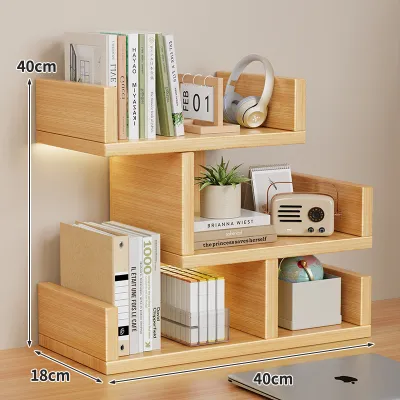
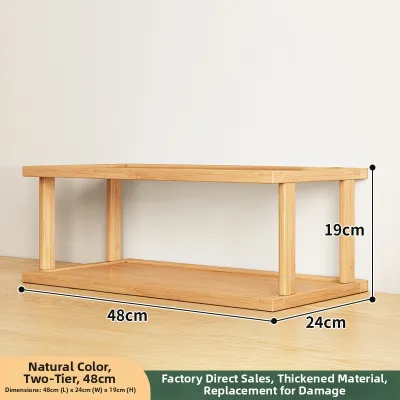
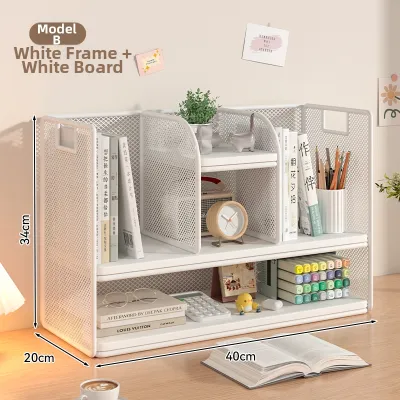
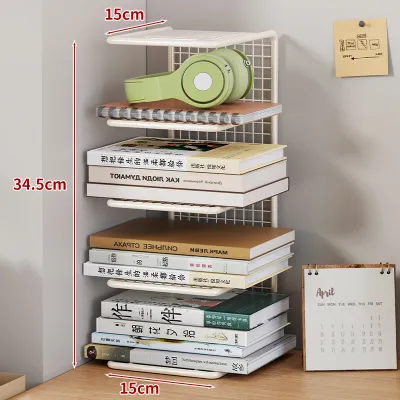
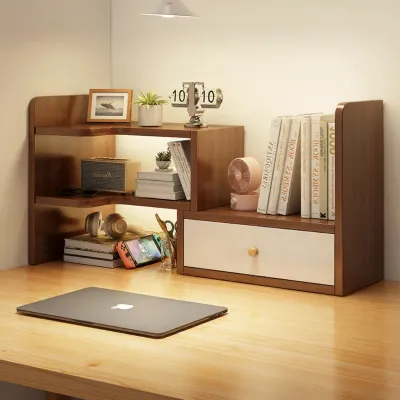
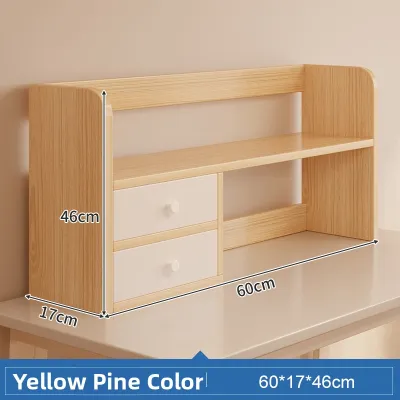
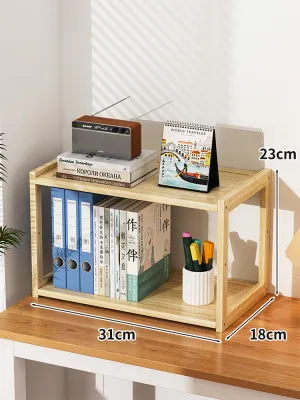
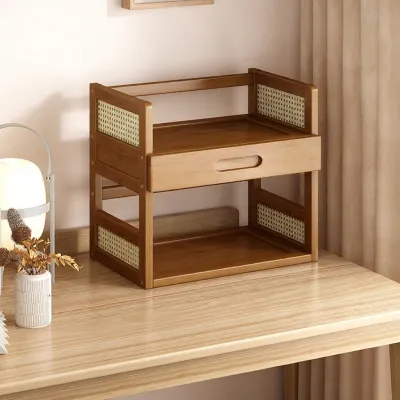
Prices are valid at publication and may change. Please refer to the product page for the latest price.
Next, identify and map out any fixed obstacles along the wall. In HDB bedrooms, common obstructions include wall-mounted air conditioning units, electrical outlets, light switches, and internet ports. If you plan to place a tall shelving unit, measure the distance from the floor to the bottom of the air conditioner to ensure adequate clearance for airflow and maintenance. Additionally, check that the shelf will not block access to power sockets or light switches, which can make daily tasks highly inconvenient.
Finally, pay close attention to the swing radius of all doors in the room. This includes the main bedroom entry door, built-in wardrobe doors, and even adjacent bathroom doors. Use a tape measure to trace the arc of these doors as they open fully. Your new shelf must sit completely outside this swing zone to prevent accidental collisions that could damage the furniture, scratch the doors, or cause the shelf to tip over. If space is exceptionally tight, consider how sliding wardrobe doors or folding doors might alter your layout options.
Step 2: Calculate Maximum Shelf Dimensions for Clear Walkways
Once you have mapped out the physical boundaries of your room, you can calculate the maximum allowable depth and width of your shelf. The primary constraint in a small bedroom is maintaining a comfortable walkway. For a single person to pass through a space naturally without turning sideways, you need a minimum walking clearance of 60 cm. If the walkway is a high-traffic path or shared with another person, increasing this clearance to 70 cm or 80 cm will significantly improve the room’s comfort and flow.

To find your maximum shelf depth, start with the total width of the room along the axis where the shelf will sit. Subtract the width of your bed frame, the required 60 cm walkway clearance, and the depth of any other fixed furniture along that same path. The remaining figure represents the absolute maximum depth your shelf can have. For example, if your bed-to-wall gap is 90 cm, subtracting a 60 cm walkway leaves you with a maximum shelf depth of 30 cm. Choosing a shelf any deeper than this will force you to squeeze past it daily.
You must also account for operational space, which is the extra room needed to use the shelf comfortably. If your small rack shelf features drawers, pull-out fabric bins, or cabinet doors, you must add the depth of these extended elements to your calculations. A drawer that slides out by 25 cm requires an additional 25 cm of clear space in front of the unit to open fully. If you do not have this extra clearance, stick to open shelving or simple cubbies that allow you to access items from the top or front without physical extensions.
Choosing the Right Small Rack Shelf Design for Compact Rooms
The structural design of the shelf plays a massive role in how well it fits into a compact HDB bedroom. Tall and narrow shelving units are highly effective for maximizing storage because they utilize vertical space instead of valuable floor area. A unit that is 30 cm wide and 180 cm tall can hold as much as a wider, shorter cabinet while occupying a fraction of the footprint. However, these units have a high center of gravity and require strict anti-tip anchoring to the wall to ensure safety, especially in active households.
Mobile or caster-wheel racks offer excellent flexibility for dynamic layouts. These units can be tucked into a tight corner or alcove and rolled out only when you need to access them or clean the floor underneath. When selecting a mobile rack, verify that the wheels are compatible with your bedroom flooring, whether it is vinyl, laminate, or parquet, to prevent scratching. It is also crucial to choose a model with reliable locking mechanisms on at least two wheels to keep the rack stable when it is stationary.
Wall-mounted or floating shelves are another outstanding option for small bedrooms because they free up floor space entirely. By keeping the floor clear, you maintain a visual sense of openness and make vacuuming much easier. Before installing floating shelves, you must verify your wall material. HDB partition walls, often made of drywall or lightweight concrete blocks, require specialized wall plugs and anchors. Always check the manufacturer’s specified load-bearing capacity and locate the internal wall studs to ensure the shelves can safely support your books or storage boxes.
Final Clearance and Safety Checks Before You Buy
Before finalizing your purchase, you must run through a few logistical and safety checks to avoid delivery headaches or safety hazards. First, measure the transit path from the outside of your building to your bedroom. This includes the dimensions of the HDB lift door, the lift interior, the main entrance door of your flat, and any tight corners in your hallway. Even if a shelf is small when assembled, flat-pack boxes or pre-assembled units can be surprisingly long or bulky, making them difficult to maneuver through tight Singapore corridors.
Safety should always be a priority when introducing new furniture to a bedroom. If you select a tall, narrow rack, check the product specifications to ensure it includes an anti-tip kit or wall-mounting hardware. Securing the unit to the wall is essential for preventing accidental tip-overs, which can occur if someone pulls on a shelf or if the unit becomes top-heavy. This precaution is particularly vital in homes with young children, elderly family members, or pets who might bump into the furniture.
Finally, inspect the levelness of your bedroom floor. Many HDB floors, especially in older estates, may have slight slopes or uneven surfaces. A tall, narrow shelf placed on an uneven floor will wobble, compromising its stability and safety. Look for shelving units that feature adjustable leveling feet or base glides. These allow you to compensate for minor floor imperfections individually, ensuring the shelf remains perfectly upright and stable without the need for unsightly cardboard shims.
Frequently Asked Questions (FAQ)
Can I place a small rack shelf directly next to my bed?
Yes, but you should leave a small gap of at least 5 cm to 10 cm between the bed frame and the shelf. This gap allows for easy bed-making, ensures proper air circulation around your mattress, and prevents bedding from getting trapped. Additionally, ensure the shelf’s height does not create a hazard; a shelf that is level with your head when sleeping should have rounded corners and hold only lightweight, secure items to prevent injuries from accidental bumps during the night.
How do I prevent a tall, narrow shelf from tipping over?
To prevent a tall, narrow shelf from tipping, always anchor it securely to the wall using the manufacturer-provided anti-tip hardware or L-brackets. Ensure you use the correct wall plugs for your specific wall type, such as heavy-duty toggle bolts for drywall or masonry plugs for concrete. Additionally, practice smart loading habits by placing your heaviest items, such as books or storage boxes, on the bottom shelves to lower the unit’s center of gravity and improve overall stability.

Community discussion
Share your experience or ask a question. Comments are reviewed before publication.