
Finding the right shelf rack storage size for your HDB flat or condo in Singapore is a balance between maximizing vertical space and preserving precious floor area. The ideal dimensions depend on your specific room layout, but as a general rule, a depth of 30 cm to 45 cm and a width of 80 cm to 120 cm work best for most residential spaces. To make the right choice, you must evaluate your floor footprint, ceiling height, and local structural constraints like household shelter regulations and wall types.
How to Measure Your Space Accurately
Before browsing online marketplaces or local furniture showrooms, you must establish the exact physical boundaries of your designated storage area. Start by measuring the floor footprint, specifically the maximum width and depth your new rack can occupy. Do not rely on visual estimation; even a few millimetres of overhang can block a doorway or prevent a drawer from opening. Use a metal measuring tape and measure along the floor where the base of the rack will sit.
Next, measure the vertical clearance from the floor to the ceiling. Singapore HDB flats typically feature ceiling heights of around 2.6 metres, while some condominiums and ground-floor units may have higher ceilings. Knowing this height allows you to maximize vertical storage safely. However, you should leave at least 15 to 20 cm of clearance at the top to allow for easy assembly, dust cleaning, and the placement of items on the very top shelf.
Products mentioned in this guide
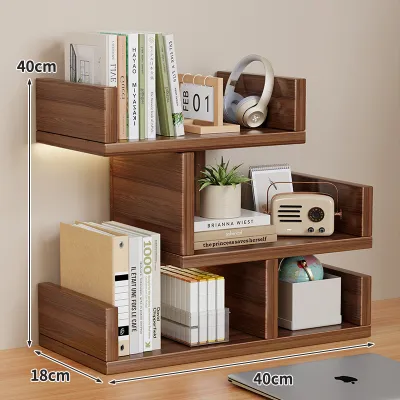
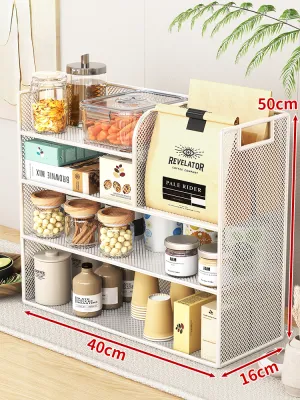
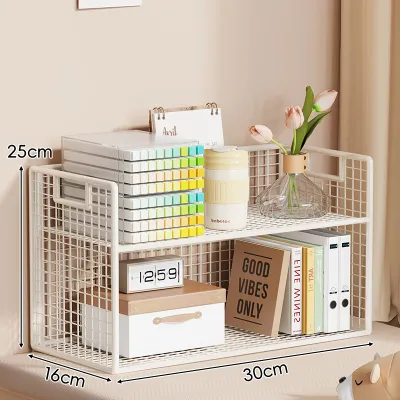
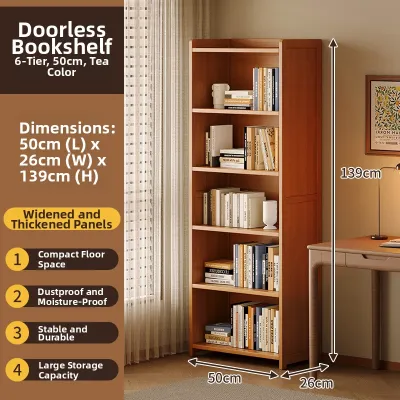
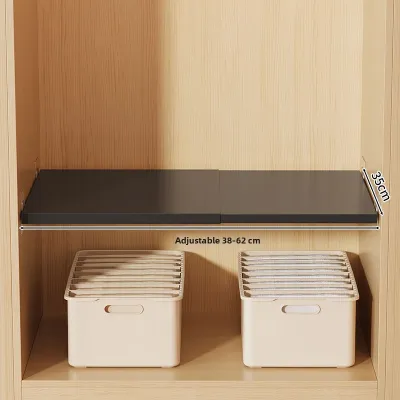
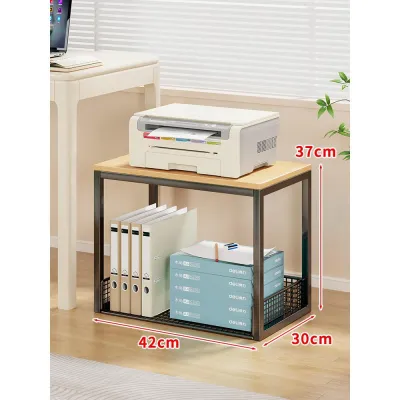
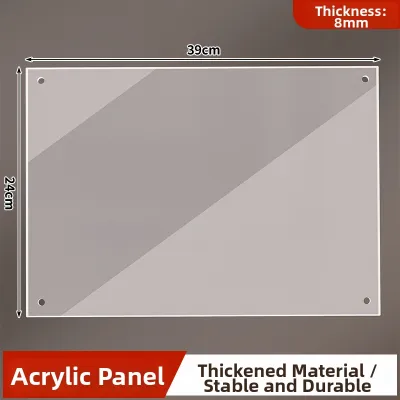
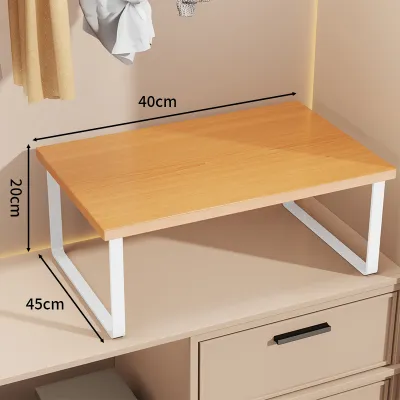
Prices are valid at publication and may change. Please refer to the product page for the latest price.
One of the most common oversights when measuring is ignoring the skirting boards. These wooden, plastic, or tiled strips run along the base of your walls and typically project 1.5 cm to 2 cm outward. If your shelf rack does not have a base cutout or if you do not account for this gap, the unit will be pushed away from the wall at the bottom. This creates an unsightly gap and can cause the rack to lean forward, compromising its stability and safety.
Additionally, you must inspect the wall and surrounding area for built-in fixtures and obstructions. Look out for air-conditioning trunking, which often runs along the upper corners of HDB rooms and can block tall racks. Note the location of power sockets, light switches, internet fibre termination points, and the swing paths of windows and doors. Covering a power socket might render it useless, while placing a deep rack too close to a window could prevent you from opening it fully for ventilation.
Always measure the actual usable space rather than the absolute wall-to-wall dimensions. If a wall is 120 cm wide, buying a 120 cm wide shelf rack is highly risky. Small imperfections in wall plastering, slight tilts in the wall structure, or the thickness of paint can reduce the actual space by a fraction of a centimetre, making a tight-fitting rack impossible to slide into place. Aim to leave a buffer of at least 2 to 5 cm on either side for a stress-free installation.
Matching Shelf Rack Dimensions to Common Room Layouts
Every room in a Singapore home serves a distinct purpose, meaning a single rack size does not fit all scenarios. Understanding how to match dimensions to specific room layouts helps maintain a balanced, functional living environment.

HDB Bedrooms and Study Corners
In HDB bedrooms and study corners, floor space is at a premium, especially in newer BTO layouts where bedrooms are more compact. To preserve comfortable walkways around your bed, wardrobe, or desk, look for slim-depth shelf racks measuring between 25 cm and 30 cm deep. This depth is ideal for books, file folders, decorative items, and small storage bins without protruding excessively into your walking path.
To compensate for a shallow depth, utilize the vertical dimension by choosing tall, narrow units. A rack that stands 180 cm to 200 cm tall but is only 60 cm to 80 cm wide provides substantial storage capacity without overwhelming the room visually. Tall, slender silhouettes draw the eye upward, which can actually make a small bedroom or study corner feel more spacious than it is.
Before finalizing your purchase, simulate the room in action. Check the clearance required for your desk chair to roll backward and spin around comfortably. Ensure that wardrobe doors, bedroom doors, and cabinet drawers can open to their full angles without striking the corners of the shelf rack. Leaving a clearance zone of at least 70 cm in front of the rack is highly recommended for easy access.
Living Areas and Dining Nooks
Living rooms and dining areas are high-traffic, communal spaces where maintaining open sightlines is crucial for a welcoming atmosphere. For these zones, wider and lower-profile shelf racks are generally preferred. A rack measuring 80 cm to 120 cm in width and keeping under 120 cm in height offers excellent storage and display space while keeping the room feeling airy and spacious.
Depth is another critical factor in shared spaces. If you place a rack in a dining nook, ensure it does not interfere with the pull-out space required for dining chairs, which typically need about 60 cm of clearance behind the table. In the living room, a rack that is too deep can narrow the walkway between the sofa and the television, disrupting the flow of movement and potentially blocking optimal viewing angles.
To accommodate the diverse range of items stored in living areas—such as board games, media players, photo frames, and books—opt for modular or adjustable shelving systems. Racks with adjustable shelf heights allow you to customize the vertical spacing as your storage needs change, ensuring you do not waste valuable vertical space on smaller items.
Condo Storage Rooms and Household Shelters
Dedicated storage rooms and HDB/condo household shelters (commonly referred to as bomb shelters) are designed for heavy-duty utility storage. Here, visual aesthetics take a backseat to maximum efficiency. You can comfortably opt for deeper racks measuring 40 cm to 50 cm, which are perfect for accommodating bulky items like luggage, storage boxes, winter wear, and household appliances.
For household shelters, you must adhere to strict safety and structural regulations. These shelters are built with reinforced concrete walls designed to protect occupants during emergencies. Drilling into these walls is strictly prohibited by the Housing & Development Board (HDB) and building authorities, as it compromises the structural integrity of the shelter. Therefore, you must use freestanding, boltless metal racks that stand completely independent of the walls.
When planning the layout inside a household shelter, you must leave clear access to key safety features. Ensure the rack does not block the ventilation sleeve, which is crucial for airflow. Additionally, the rack must not interfere with the heavy steel door’s swing path or its sealing mechanism. Leave a buffer of at least 5 cm around these structural elements to comply with local guidelines and ensure safety.
Navigating Clearances, Walkways, and Door Constraints
Choosing the perfect shelf rack size involves more than just fitting it into its final spot; you must also consider how it gets there and how it affects daily movement. A massive, pre-assembled rack is of no use if it cannot pass through your front door or fit inside the lift.
Always perform a thorough “delivery path” check before placing an order. Measure the height and width of your condominium or HDB lift doors, the interior dimensions of the lift cabin, and any tight corners in the common corridors or stairwells. Next, measure your home’s main entrance door and the doorway of the specific room where the rack will be placed. If you are purchasing a pre-assembled unit or a large single-frame metal rack, ensure its longest dimensions are well within these limits to avoid costly delivery failures and returns.
Once the rack is installed, maintaining comfortable walkways is essential for a safe and functional home. In Singapore’s compact housing layouts, aim for a minimum walkway clearance of 60 cm to 90 cm. This range allows an adult to walk past comfortably without having to turn sideways. In high-traffic zones like main corridors or narrow condo hallways, keeping closer to the 90 cm clearance mark prevents bottlenecks and reduces the risk of bumping into the rack’s corners.
Finally, do not push your shelf rack completely flush against the wall, even if you have accounted for the skirting boards. Leaving a small gap of 1 to 2 cm behind and beside the rack is highly beneficial. This gap promotes healthy airflow, which is crucial in Singapore’s humid tropical climate to prevent mold and mildew growth on the back of the rack and the wall. It also provides necessary clearance for cable routing, power cords, and easy access with a duster or vacuum attachment during routine cleaning.
Wall-Mounted vs. Freestanding Racks for Tight Spaces
When floor space is exceptionally tight, the choice between wall-mounted shelves and freestanding racks becomes a pivotal decision. Both options have distinct spatial trade-offs, installation requirements, and load capacities that you must weigh carefully.
Freestanding racks offer unmatched flexibility and ease of use. They require absolutely no drilling, making them the ideal choice for tenants who want to avoid losing their rental deposits, as well as for placement inside household shelters. If you decide to reconfigure your room layout or move to a new home, a freestanding rack can be easily relocated. However, they do occupy valuable floor footprint and can make small rooms feel slightly more crowded.
In contrast, wall-mounted or floating shelves excel at preserving precious floor space. By lifting your storage off the ground, you open up the floor area below for other furniture, walkways, or simply a cleaner visual look. This setup also makes sweeping and mopping much easier. The major trade-off is that wall-mounted units require permanent drilling and have strict weight limitations based on the wall’s construction.
Before mounting any shelves, you must identify the type of wall in your Singapore home. Older HDB flats and many condo units feature solid concrete walls, which offer excellent load-bearing capacity but require a heavy-duty rotary hammer drill and masonry wall plugs to install. Newer HDB BTO flats often use drywall or partition walls to separate bedrooms or study areas. These walls cannot support heavy loads and require specialized plasterboard hollow-wall anchors; installing heavy storage on drywall without proper support can lead to severe wall damage and structural failure.
Always check the manufacturer’s specified weight limits for both the shelf unit and the mounting hardware. If you are planning to store heavy items like large book collections, kitchen appliances, or heavy toolboxes, freestanding heavy-duty metal racks are almost always the safer and more stable option. If you are unsure about your wall type or do not possess the proper tools, always consult a qualified professional handyman or your building management office before proceeding with any drilling.
Common Shelf Rack Sizing Mistakes to Avoid
Avoiding common sizing pitfalls can save you from the hassle of product returns, damaged walls, or an uncomfortable living environment. Being aware of these mistakes helps ensure a successful storage setup.
The first mistake is ignoring the depth of your skirting boards. As mentioned, failing to account for this 1.5 cm to 2 cm projection means your rack cannot sit flush against the wall. For tall, top-heavy racks, this gap creates a forward tilt that compromises stability. To prevent this, look for racks with recessed back legs designed to clear skirting boards, or secure the unit to the wall using appropriate safety brackets if permitted.
Another frequent error is forgetting to account for the physical thickness of the shelves themselves. When manufacturers state the overall height of a rack, this includes the frame. If you need to store items of a specific height, such as standard A4 binders (approx. 32 cm tall) or large storage boxes, you must subtract the thickness of the shelf boards and support beams from the total vertical space between tiers. Always look for the “clear height” or “usable height” between shelves rather than just the overall external dimensions.
Buying shelf racks that are too deep for the room’s natural traffic flow is a recipe for daily frustration. A deep rack might offer more storage volume, but if it forces you to squeeze past it or blocks a doorway, it ruins the usability of the room. Prioritize comfortable movement over maximum storage capacity; a slimmer rack that is well-organized often holds just as much as a cluttered, oversized unit.
Finally, never overload shallow or wall-mounted racks with heavy items without verifying their structural limits. Shallow racks have a higher risk of tipping forward if heavy items are placed on the upper shelves. Always store your heaviest items—such as bottled water, appliances, or heavy boxes—on the lowest shelves to lower the unit’s centre of gravity. For wall-mounted systems, strictly adhere to the weight limits specified by the manufacturer and ensure the wall anchors match your specific wall material.
Community discussion
Share your experience or ask a question. Comments are reviewed before publication.