
Finding the right mini shelf rack for a compact home requires balancing your storage needs with the physical realities of your floor plan. In space-constrained environments like Singapore apartments or HDB flats, even a discrepancy of a few centimeters can turn a useful organizer into an awkward obstacle. To select the ideal size, you must look beyond the basic product dimensions and evaluate how the unit interacts with your walls, walkways, and daily routines. The perfect mini shelf rack is one that maximizes vertical or corner space without disrupting the flow of your room.
How to Measure Your Space for a Mini Shelf Rack
To find a unit that fits seamlessly, start by measuring the absolute maximum floor footprint of your intended spot. Use a metal tape measure rather than a soft sewing tape to ensure accuracy. Measure the maximum width from left to right and the maximum depth from the back wall to the front edge of where the shelf can safely sit. Next, measure the vertical clearance. If you plan to place the shelf under a wall-mounted television, air conditioning unit, or hanging artwork, record the exact height from the floor to the bottom of these fixtures to prevent overlapping.
Do not assume your walls are perfectly flat or that the floor space is entirely clear. Look closely at architectural features that can reduce your usable depth or width. Skirting boards along the base of the wall often protrude by one to two centimeters, preventing a flat-backed shelf from sitting flush against the wall. Note the locations of power outlets, light switches, and window sills. If a shelf blocks an outlet, you may have to pull the unit forward, which unexpectedly increases the depth it occupies in the room.
Products mentioned in this guide
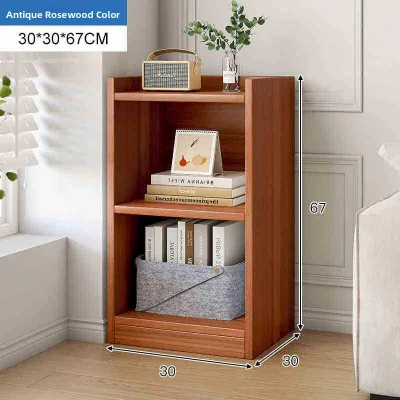
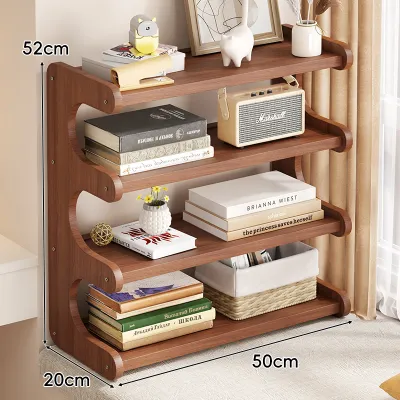
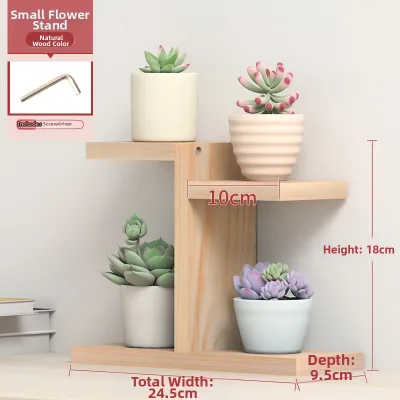
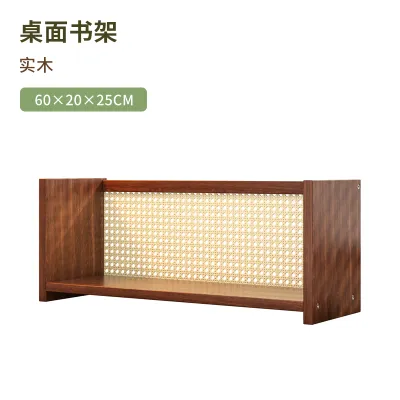
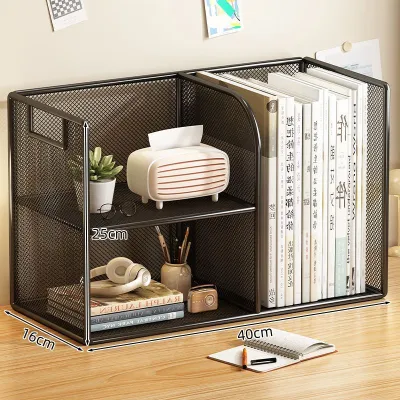
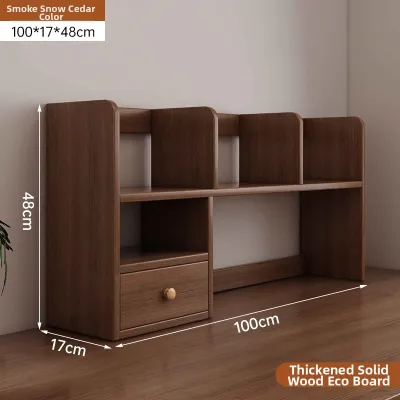
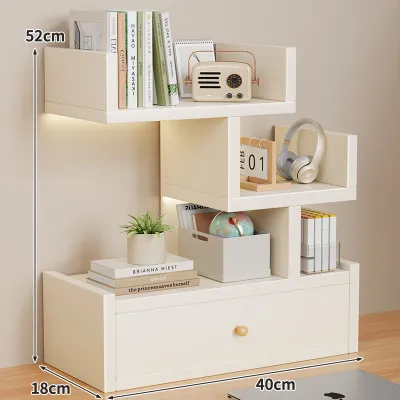
Prices are valid at publication and may change. Please refer to the product page for the latest price.
Finally, map out the transit path from your front door to the final destination. In high-rise apartments, you must verify that the packaged box or fully assembled shelf can fit through the lift doors, narrow corridors, and your front entryway. Measure the narrowest points of your hallways and any tight turns. If you choose a flat-packed mini shelf rack, check the box dimensions provided by the manufacturer to ensure you can easily carry it into your home and have enough floor space to assemble it safely.
Matching Dimensions to Small Room Layouts
Different room layouts demand different shelf proportions to optimize storage without causing visual clutter. For tight corners, alcoves, or the narrow gaps between existing furniture, tall and narrow footprints are highly effective. A vertical mini shelf rack utilizes unused height while keeping its floor footprint minimal. This orientation is ideal for storing books, small decorative items, or pantry goods in compact kitchens where floor space is at a premium.

Conversely, wide but shallow profiles work best in areas that cannot accommodate tall furniture. Placing a low, wide mini shelf under a window sill or directly behind a sofa makes excellent use of dead space. This setup keeps the room feeling open and airy because it does not block natural light or sightlines. When selecting a shallow shelf, verify that the depth is sufficient for your intended items; for instance, standard novels require a shelf depth of at least 15 to 20 centimeters, while storage bins may need more.
If your storage needs are likely to change over time, consider modular or stackable mini shelf units. These systems allow you to adjust the height or width by adding or removing components. You can start with a single low unit and stack another on top as your collection grows, provided you follow the manufacturer’s stacking limits and safety guidelines. This flexibility is particularly useful in multi-purpose rooms where a study desk might eventually share space with a nursery or hobby area.
Freestanding vs. Wall-Mounted Space Trade-offs
Choosing between a freestanding and a wall-mounted mini shelf rack involves weighing floor space consumption against installation complexity. Freestanding units are highly popular because they require no permanent installation and can be moved easily whenever you decide to rearrange your room. They typically offer a higher weight capacity because the load is transferred directly to the floor. However, they do occupy valuable floor area, which can make a small room feel more cramped if the unit has a deep profile.
Wall-mounted shelves, on the other hand, completely free up your floor space, leaving room underneath for other furniture or keeping walkways entirely clear. This option is excellent for creating a clean, minimalist look. However, wall mounting requires careful assessment of your wall type. Concrete or solid brick walls, common in many Singapore homes, provide excellent structural support but require masonry drill bits and heavy-duty wall plugs. Partition walls or drywall require finding studs or using specialized hollow-wall anchors, and they generally support much less weight.
For renters, wall-mounted shelves present significant hurdles. Many lease agreements strictly prohibit drilling holes into walls, or require you to patch and paint the damage before moving out. If you are renting, a slim freestanding mini shelf rack is usually the safer, more flexible choice. If you must use a wall-mounted option, look for lightweight, damage-free hanging systems, but always check the manufacturer’s strict weight limits, as these adhesive-based solutions are only suitable for very light decorative items.
Walkway Clearance and Safety Margins
A mini shelf rack should never compromise the safety or flow of your living space. When planning where to place your shelf, ensure there is adequate walkway clearance. In high-traffic areas like corridors or entryways, aim for a clear walkway width of at least 70 to 90 centimeters so people can pass comfortably without bumping into the furniture. Additionally, check that the shelf does not intersect with the swing arcs of doors, wardrobe doors, or kitchen cabinets.
Tipping hazards are a critical safety consideration, especially for tall, narrow freestanding units. Because these shelves have a high center of gravity and a small base footprint, they can easily tip over if bumped or if heavy items are placed on the upper shelves. Always review the manufacturer’s instructions regarding anti-tip anchoring. If the product includes wall-anchoring hardware, install it according to the guidelines to secure the unit firmly, particularly if you have pets or young visitors in your home.
Environmental factors also dictate safe placement. Keep your mini shelf rack at a safe distance from direct heat sources, such as stoves or ovens, and away from the direct airflow of air conditioning vents, which can cause wood to warp or metal to rust over time. Avoid placing shelves in high-traffic “bump zones” where bags, vacuum cleaners, or elbows are likely to strike the corners of the unit, which could dislodge items or damage the shelf finish.
Common Sizing and Placement Mistakes
One of the most frequent errors when buying a mini shelf rack is forgetting to subtract the depth of the skirting boards from your measurements. If your skirting board is two centimeters thick and your alcove is exactly 40 centimeters deep, a 40-centimeter-deep shelf will stick out past the wall edge because the base cannot push back completely. Always measure the space at the floor level, taking the skirting boards into account, to ensure a flush and tidy fit.
Another common mistake is blocking essential home infrastructure. It is easy to overlook wall switches, internet fiber termination points, or ventilation grilles when focusing solely on floor space. Placing a shelf directly in front of these features makes daily tasks frustrating and can interfere with your home’s connectivity or airflow. Always leave a buffer zone of a few centimeters around switches and outlets so you can easily plug in appliances without bending cables at harsh angles.
Finally, avoid relying on visual estimates or “eyeballing” the space while browsing online marketplaces or furniture showrooms. Showrooms have high ceilings and vast open layouts that make furniture look much smaller than it actually is. A mini shelf rack that appears tiny in a large store can easily overwhelm a small bedroom or study. Always write down your exact tape-measured dimensions and compare them directly to the product specifications before making a purchase.
Frequently Asked Questions (FAQ)
Can a mini shelf rack fit over a standard door?
Yes, over-door mini shelf racks are excellent space-savers, but they require precise measurements to function properly. First, measure the thickness of your door to ensure the rack’s hanging brackets will fit over the top edge without slipping or scratching the wood. Next, check the gap between the top of the door and the frame; you typically need a clearance of at least two to three millimeters for the door to close smoothly. Finally, ensure the rack does not interfere with the door hinges or hit the adjacent wall when the door is opened fully.
How do I know if a narrow mini shelf will be stable?
To evaluate the stability of a narrow mini shelf, check the manufacturer’s specifications for its base weight and center of gravity. A shelf with a heavier bottom frame or wider base feet is inherently more stable. When assembling and loading the unit, always place your heaviest items—such as books, heavy storage boxes, or kitchen appliances—on the lowest shelf to lower the overall center of gravity. If the manufacturer recommends or includes anti-tip hardware, always anchor the shelf to the wall to prevent accidental tipping.

Community discussion
Share your experience or ask a question. Comments are reviewed before publication.