
Finding the right storage solution for a compact bedroom, especially in a typical Singapore HDB flat where space is at a premium, requires balancing utility with physical footprint. A metal shelf rack offers an exceptionally durable, industrial-strength option that maximizes vertical storage, but choosing the wrong dimensions can quickly make a small room feel cramped and difficult to navigate. To select the perfect size, you must look beyond the basic shelf capacity and carefully evaluate how the unit interacts with your room’s layout, architectural features, and daily traffic paths.
The ideal metal shelf rack should provide maximum storage volume while preserving at least enough floor space for comfortable movement. In a standard HDB common bedroom, which often measures around nine to eleven square meters, every centimeter counts. By focusing on precise measurements, clearance zones, and smart structural configurations, you can introduce a highly functional storage hub that complements your living space rather than crowding it.
Measuring Your Space and Required Clearances
Before browsing online marketplaces or visiting local showrooms, you must establish the exact physical boundaries of your designated installation zone. Start by measuring the total length of the wall where you plan to place the rack, but do not rely solely on wall-to-wall dimensions. You must subtract the thickness of skirting boards at the base of the wall, as these small protrusions can prevent a flush fit and force the rack to sit several centimeters forward. Additionally, locate all wall-mounted power outlets, light switches, and internet ports to ensure the rack will not block access to essential electrical connections.
Products mentioned in this guide
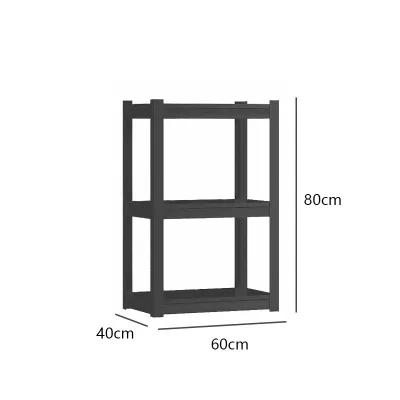
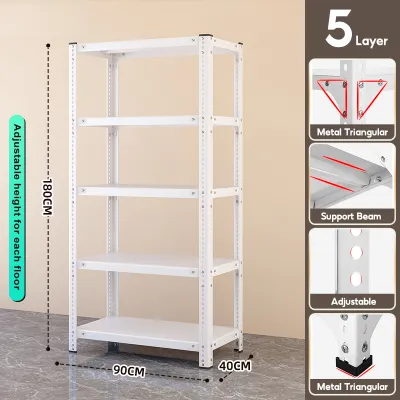
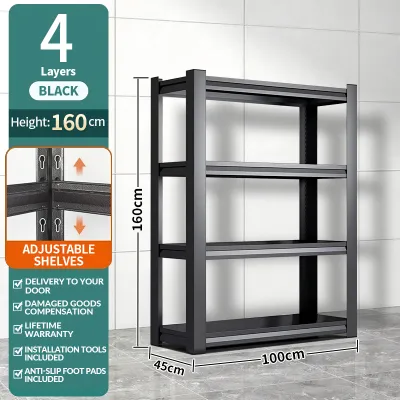
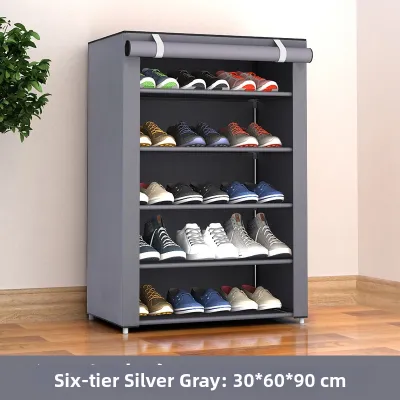
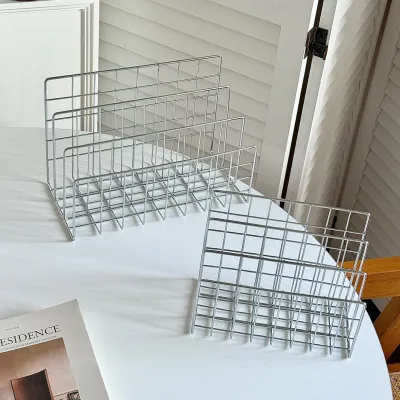
Prices are valid at publication and may change. Please refer to the product page for the latest price.
In Singapore bedrooms, overhead air conditioning units and their associated plastic trunking are common architectural fixtures that dictate furniture placement. Measure the height and depth of any trunking running along your walls, as well as the clearance beneath the air conditioner itself to avoid blocking the unit’s airflow or filter access. If your rack is too tall or deep, it may collide with these fixtures, forcing you to position the shelving unit in an awkward, space-wasting location.
Next, map out the swing paths of all doors and operable panels within the room. This includes the main bedroom entry door, window panels, and the doors or drawers of built-in wardrobes. A metal shelf rack placed too close to these zones can restrict their movement or cause permanent scratches from metal-on-wood contact. Ensure that any wardrobe doors can open fully to a ninety-degree angle without striking the frame of your new shelving unit.
Finally, plan for comfortable human movement by calculating standard walkway clearances around your bed and other major furniture pieces. A functional walkway requires a minimum clearance of 60 centimeters, though 70 to 75 centimeters is highly recommended for effortless daily passage. If the path between your bed frame and the proposed metal rack is narrower than this, you will likely find yourself squeezing through sideways, which compromises the comfort and usability of your bedroom.
Determining the Ideal Width, Depth, and Height
Selecting the physical dimensions of your metal shelf rack requires a careful trade-off between storage capacity and visual weight. The depth of the shelf is often the most critical factor in a narrow bedroom layout. Standard heavy-duty metal racks frequently come in depths of 45 to 60 centimeters, which are excellent for storerooms but generally too deep for a small bedroom. Instead, look for shallow-depth options ranging from 30 to 40 centimeters, which provide ample space for books, storage boxes, and folded clothes without protruding excessively into your primary walking paths.

Height is your greatest asset when floor space is limited, as it allows you to expand your storage capacity vertically. Standard HDB bedroom ceilings typically range from 2.6 to 2.8 meters in height. Choosing a tall rack—around 1.8 to 2.0 meters—lets you utilize the often-wasted space near the ceiling for seasonal or infrequently used items. However, you must leave a clearance of at least 30 to 40 centimeters between the top shelf and the ceiling to allow for adequate air circulation, easy cleaning, and comfortable retrieval of stored items.
The width of the rack should be planned modularly to fit your allocated wall segment precisely. Common widths for residential metal shelving range from 60 to 120 centimeters. If you have a wider wall space, opting for two smaller modular units (such as two 60-centimeter racks side-by-side) is often more practical than a single 120-centimeter unit. Modular configurations are much easier to transport through tight HDB corridors, fit into passenger lifts, and rearrange if you decide to change your bedroom layout in the future.
Space-Saving Configurations for Compact Rooms
To keep a small bedroom from feeling like a warehouse, the structural design of your metal shelf rack must be chosen strategically. Tall, narrow profiles are exceptionally effective for maximizing vertical storage in tight corners or the narrow gaps beside a bed or desk. A rack with a width of 60 centimeters and a height of 180 centimeters occupies a minimal footprint while offering multiple tiers of storage, making it an ideal candidate for tight spaces that cannot accommodate wider furniture.
Adjustable shelf tiers are another essential feature for compact rooms. Unlike fixed-height wooden bookcases, many metal shelf racks utilize a clip or boltless system that allows you to adjust the height of individual shelves in small increments. By customizing the spacing between shelves to match the exact height of your storage boxes, books, or display items, you eliminate wasted vertical gaps. This level of customization ensures that every cubic centimeter of the rack’s volume is actively utilized.
You should also compare the visual impact of open-back versus solid-back shelving designs. Solid-back units can make a small room feel smaller by blocking the wall and creating a heavy visual barrier. Open-back metal racks, on the other hand, allow the wall color to show through, which maintains a sense of depth and openness in the room. Furthermore, open designs promote better natural light distribution and airflow, which is highly beneficial for preventing musty odors in enclosed bedroom corners.
Safety, Weight Capacity, and Installation Checks
While metal shelf racks are celebrated for their strength, safety must remain your top priority during selection and installation. Always check the manufacturer’s specified weight capacity per shelf level, as well as the maximum total weight limit for the entire unit. Even if you do not plan to store heavy industrial equipment, books, files, and dense storage organizers can accumulate significant weight. Distribute the heaviest items on the bottom shelves to lower the unit’s center of gravity and enhance overall stability.
Because tall, narrow metal racks have a relatively small footprint compared to their height, they are naturally susceptible to tipping if bumped or overloaded. Secure wall anchoring is absolutely critical, especially if the rack is positioned near high-traffic areas or sleeping zones. Before purchasing, verify if the rack includes wall-mounting brackets or anchor straps, and ensure your bedroom wall material (typically concrete or drywall in modern HDB flats) is compatible with the appropriate wall plugs and screws.
Finally, do not overlook the condition of your bedroom floor. Even a minor slope or unevenness in the flooring can cause a tall metal rack to lean, compromising its structural integrity and increasing the risk of a tip-over. Look for metal shelving units equipped with adjustable leveling feet, which allow you to compensate for uneven floors by raising or lowering individual corners. If the unit does not come with adjustable feet, use sturdy, non-slip shims designed for furniture leveling to ensure the frame stands perfectly plumb.
Frequently Asked Questions (FAQ)
Can I place a tall metal shelf rack directly above my bed or desk?
Placing a tall metal shelf rack directly above or immediately adjacent to a bed or desk introduces serious safety risks that must be managed carefully. The primary concern is the hazard of the unit tipping over during an accidental bump or a minor tremor. If you must position a tall rack in these areas, heavy-duty wall anchoring into solid concrete is non-negotiable. Additionally, to prevent items from falling onto sleeping or working areas, avoid placing loose, heavy, or fragile objects on the upper shelves. Instead, use secure, lightweight storage boxes with lids, or select shelves equipped with raised lip guards or wire ledges to keep items firmly in place.
How do I prevent a metal shelf rack from rusting in a humid bedroom?
Singapore’s tropical climate brings high relative humidity, which can accelerate the oxidation and rusting of metal furniture if left unprotected. When shopping, look for metal shelf racks that feature a high-quality powder-coated finish or a galvanized protective layer, as these treatments create a robust barrier against moisture. Avoid placing the rack directly beneath or in the direct path of air conditioning condensation lines or open windows where rain might splash. Periodically inspect the frame for any paint chips, deep scratches, or signs of wear; if you spot exposed metal, clean the area thoroughly and apply a matching rust-resistant touch-up paint to seal the surface and prevent rust from spreading.

Community discussion
Share your experience or ask a question. Comments are reviewed before publication.