
To find a cabinet organizer that actually fits your standard HDB kitchen cabinet, you cannot rely solely on the external dimensions of your cabinetry. Instead, you must measure the internal usable clearance, which is often 30mm to 50mm smaller than the external width and depth due to carcass wall thickness, door hinges, and internal hardware.
For a quick reference, standard HDB base cabinets (600mm external depth) typically require organizers with a maximum depth of 500mm to 530mm. Meanwhile, wall-mounted cabinets (300mm to 350mm external depth) require shallower organizers that do not exceed 250mm to 280mm in depth. Failing to account for these internal discrepancies is the primary reason many homeowners purchase organizers that prevent cabinet doors from closing or block smooth access to daily essentials.
Understanding Standard HDB Kitchen Cabinet Dimensions
When planning your kitchen storage in a Singapore HDB flat—whether it is a newly completed BTO (Build-To-Order) unit or a renovated resale flat—it is important to understand how local cabinetry is constructed. Kitchen cabinets are built using standard modular dimensions externally, but the internal usable space is what dictates which cabinet organizer will fit. Contractors typically construct these cabinets using plywood or melamine-faced chipboard panels, which usually range from 15mm to 18mm in thickness. These panel walls immediately reduce your internal horizontal space.
Products mentioned in this guide
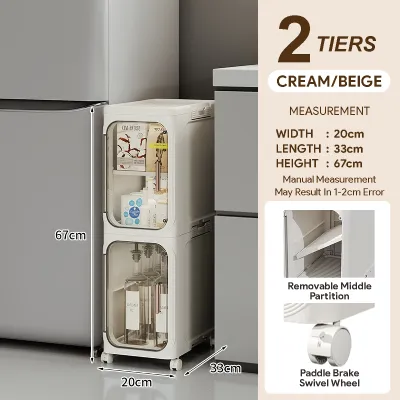
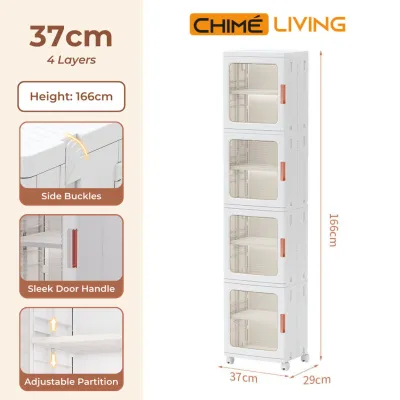
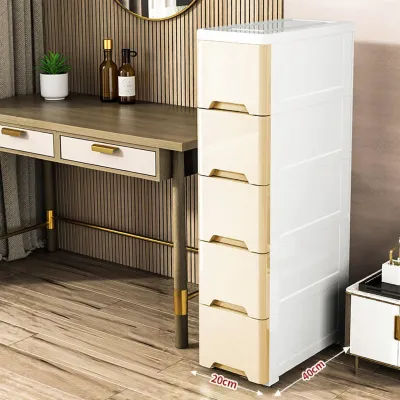
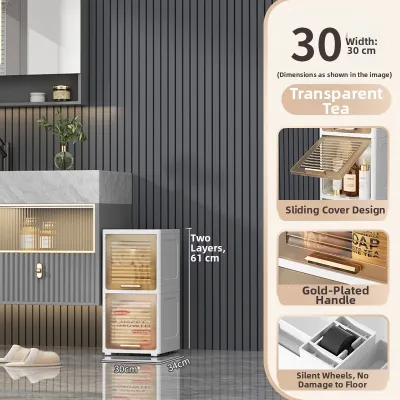
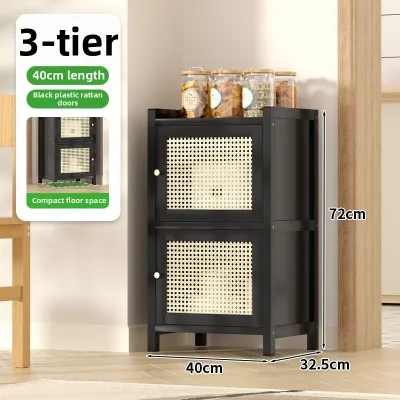
Prices are valid at publication and may change. Please refer to the product page for the latest price.
Base cabinets and wall-mounted cabinets serve entirely different functional purposes, which is reflected in their depths. Base cabinets are designed to support heavy countertops (such as quartz, solid surface, or sintered stone) and accommodate built-in appliances like ovens or hobs. Consequently, they feature a standard external depth of 600mm. Wall cabinets, on the other hand, are kept much shallower—usually between 300mm and 350mm externally—to ensure you do not bump your head while prepping food on the countertop below.
While external modular widths for HDB kitchen cabinets commonly run in increments of 300mm, 400mm, 500mm, 600mm, or 800mm, the actual internal width varies significantly. This variation depends on the specific carpentry methods used, the age of your flat, and whether your contractor used pre-fabricated carcass boxes or custom on-site carpentry. Relying on the nominal width of your cabinet door to buy an organizer almost always results in a poor fit because it ignores the thickness of the cabinet walls and the hardware installed inside.
How to Measure Your Cabinets for Organizers
To avoid the hassle of returning ill-fitting storage solutions, you must take precise physical measurements of your cabinet interiors. Do not rely on your renovation floor plans or carpentry drawings, as minor on-site adjustments during installation can alter the final internal dimensions by several millimeters. Grab a reliable metal measuring tape and follow this systematic approach.

Width
Measure the internal width of the cabinet at three distinct points: the front opening, the middle, and the back wall. Do this for both the top and bottom of the cabinet space. Walls and custom carpentry are rarely perfectly square, and settling over time can cause slight bowing in the panels. Always record the narrowest measurement of the six readings as your maximum allowable width.
Depth
Measure the distance from the back panel of the cabinet to the front edge of the cabinet frame. If your cabinet has doors, make sure to measure up to the inside face of the closed door, not the outer edge of the carcass. Be highly observant of obstacles along the back wall, such as exposed gas pipes, electrical trunking, backing panels, or ventilation gaps, and subtract their depth from your total.
Height
Measure the vertical distance from the bottom floor of the cabinet to the underside of the shelf above it, or to the top inner ceiling of the cabinet box. If you have adjustable shelves supported by peg holes, measure the height based on the specific peg level you intend to use, keeping in mind that the shelf itself occupies about 15mm to 18mm of vertical space.
Clearance Deduction
This is the most critical step in the measurement process. Open your cabinet doors fully and identify any hardware that protrudes into the entry space. Standard cup hinges, soft-close dampers, drawer slides, and door latch mechanisms all occupy valuable space. Subtract the width of these protrusions from your narrowest width measurement to determine your true “usable clearance” width. If your organizer needs to slide or pull out, it must clear these obstacles entirely.
Choosing the Right Organizer Dimensions by Cabinet Type
Different zones in your HDB kitchen present unique spatial challenges. To maximize every square centimeter of storage, you must match the organizer style and its dimensions to the specific type of cabinet you are organizing.
Base Cabinets and Deep Drawers
Base cabinets offer the most volume but are prone to becoming dark, disorganized clutter zones where items at the back are forgotten. To solve this, pull-out wire baskets, tandem drawers, or deep sliding plastic bins are highly effective. Because these cabinets have an external depth of 600mm, look for organizers with an actual product depth of 500mm to 530mm.
This depth range ensures the organizer fits comfortably within the internal depth (which is typically around 550mm to 570mm once backing panels are installed) while leaving a safe buffer at the back. Additionally, ensure there is a 20mm to 30mm clearance margin on both the left and right sides of the organizer. This gap prevents the moving parts of pull-out organizers from scraping against the cabinet walls or catching on the door hinges when extended.
Wall Cabinets and Shallow Shelves
Wall cabinets are shallow and sit at eye level, meaning visibility and quick reach are your top priorities. Because these cabinets have an external depth of 300mm to 350mm, their internal usable depth is often restricted to 280mm to 320mm. Standard deep organizers designed for base cabinets will physically prevent your wall cabinet doors from closing.
Instead, select shallow storage bins or spice steps with a maximum depth of 250mm to 270mm. If you want to utilize a turntable (Lazy Susan) to access condiments easily, choose one with a diameter of 250mm. A 300mm turntable will overshoot the internal shelf edge of a standard 300mm wall cabinet, preventing the door from latching and potentially causing items to fall.
Under-Sink Cabinets
The cabinet directly beneath your kitchen sink is arguably the most difficult space to organize due to the complex network of plumbing. In Singapore HDB flats, this area typically houses a bulky U-bend waste pipe, water inlet valves, stopcocks, and occasionally instant water heaters or multi-stage water filtration systems.
Rigid, fixed-size storage boxes rarely work in this environment. Instead, measure the clear, unobstructed pockets of space on either side of and below the plumbing. Opt for highly flexible, expandable under-sink organizers. These systems feature adjustable aluminum frames and removable plastic shelf slats that can be configured around your specific pipe layout, allowing you to build a custom-fit shelving system that utilizes the awkward gaps without interfering with your plumbing connections.
Common Sizing Mistakes to Avoid
Many homeowners learn the hard way that a cabinet organizer that looks perfect online does not fit their actual setup. Recognizing these common sizing pitfalls beforehand will save you time, money, and frustration.
- Ignoring Hinge Clearance: This is the single most common mistake. A homeowner measures the internal width of a cabinet as 560mm and buys a 550mm wide wire basket. However, when the cabinet door is open, the heavy-duty soft-close hinges protrude 25mm into the cabinet opening from the side frame. The basket cannot slide out because it hits the hinge arm. Always measure the clearance width between the extended hinges, not just the raw cabinet walls.
- Overlooking Hardware Depth: Do not forget to account for the thickness of door bumpers, magnetic latches, or protruding screws on the inside of your cabinet doors. Even a tiny 5mm silicone bumper pad stuck to the inside of a cabinet door can prevent a door from closing if your organizer is pushed flush against the front edge.
- Buying Exact-Fit Sizes: Never buy an organizer that matches your internal cabinet dimensions perfectly. If your internal cabinet width is exactly 300mm, a 300mm organizer will be incredibly difficult to slide in, scratch your cabinet's interior laminate, and make periodic cleaning nearly impossible. Always maintain a minimum "wiggle room" buffer of 10mm to 20mm on all sides.
- Stacking Too High: While vertical space utilization is excellent, stacking organizers too high can create major usability and safety issues. Organizers that are too tall can block your line of sight, making it hard to see what is stored on the top shelves. Furthermore, top-heavy tier organizers can easily tip over when you reach for an item, especially if they are loaded with glass jars or heavy ceramic mugs.
Installation and Adjustment Tips for a Perfect Fit
Once you have selected and purchased organizers with the correct dimensions, proper installation and minor adjustments will ensure they remain stable, safe, and highly functional for years to come.
To prevent standalone organizers, tiered spice racks, or plastic bins from sliding around when you open doors or pull out drawers, line your cabinet shelves with high-quality non-slip drawer liners. Alternatively, you can use small pieces of removable adhesive gel tape on the underside of the organizer’s feet. This keeps the organizer firmly anchored in place, preventing shifting and eliminating the annoying clatter of jars and containers sliding around.
If you are unsure about your measurements or anticipate changing your kitchen layout in the future, prioritize adjustable and expandable organizers. Products like expandable spice steps, tension-rod dividers, and height-adjustable pot lid holders allow you to fine-tune the organizer’s dimensions to fit your cabinet perfectly. This flexibility is incredibly useful for accommodating minor measurement discrepancies or adapting to new cookware sets down the road.
Finally, pay close attention to weight distribution. Always place your heaviest items—such as canned goods, heavy glass oil bottles, and cast-iron cookware—on the bottom shelves or the lowest tiers of your organizers. Storing heavy items at the base lowers the center of gravity, preventing the organizer from tipping forward when you pull out a drawer or reach for an item at the back. It also reduces structural stress on your cabinet shelves, preventing them from bowing or warping over time.

Community discussion
Share your experience or ask a question. Comments are reviewed before publication.