
To find the right size of acrylic shelf divider, you need to match the divider’s depth and height to your bookshelf’s physical dimensions and the items you plan to store. Generally, the divider should cover at least two-thirds of the depth of your shelf and reach about half to two-thirds of the height of your tallest books. Additionally, the mounting mechanism must align precisely with your shelf’s thickness, typically requiring a precise measurement of the shelf board itself. Taking these measurements beforehand ensures a clean, stable fit that keeps your books upright without damaging your shelving unit.
How to Measure Your Bookshelf for Dividers
To get an accurate fit, start by measuring the usable depth of your bookshelf. Run a tape measure from the back panel of the bookcase straight to the front edge of the shelf. If your bookshelf features a decorative front lip, raised trim, or a recessed backing board, measure only the flat, unobstructed surface where the divider will actually sit. Any overhang or uneven trim can prevent a divider from sliding on completely or sitting flush against the shelf surface.
Next, determine the vertical clearance of your shelves to establish the maximum height for your dividers. Measure the distance from the top surface of the lower shelf to the underside of the shelf directly above it. You must ensure that the divider is short enough to easily slide into this space during installation, especially if you are using a clamp-on style that requires you to tilt the divider to hook it onto the edge. Compare this vertical clearance with the height of the items you intend to organize, aiming for a divider height that supports at least half the height of your tallest items.
Products mentioned in this guide
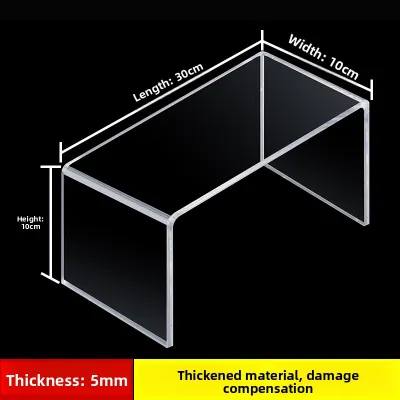
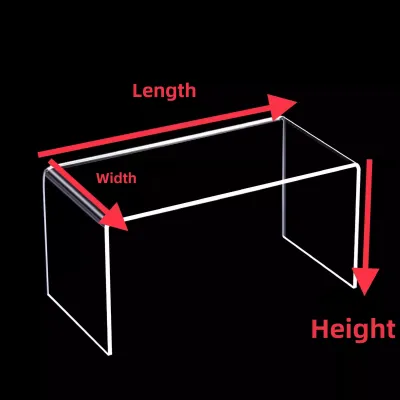
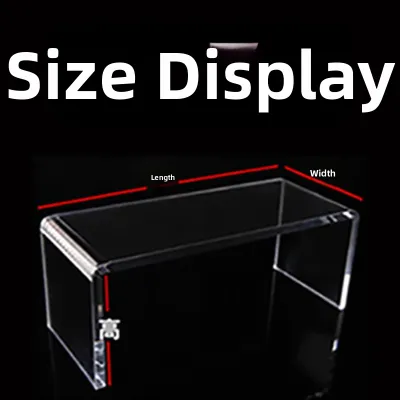
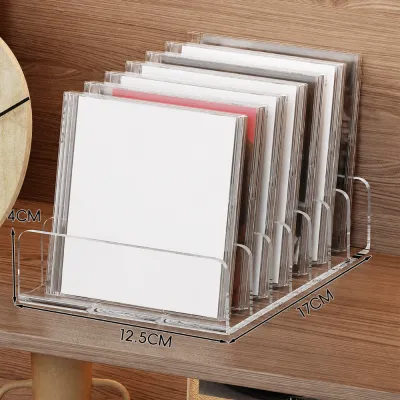
Prices are valid at publication and may change. Please refer to the product page for the latest price.
Finally, measure the exact thickness of your shelf board. This step is critical if you plan to purchase clamp-on or slot-in dividers, which rely on a snug fit around the edge of the wood or manufactured board. Use a precise ruler or caliper to measure the thickness at the front edge, checking multiple spots along the shelf to account for any slight warping or manufacturing variances. Standard shelves often range from 15mm to 25mm in thickness, and choosing a divider with a clip that is too narrow will prevent installation, while one that is too wide will wobble and fail to stay upright.
Understanding Acrylic Shelf Divider Dimensions
When browsing product listings on an online marketplace, it is easy to confuse the overall dimensions of the divider with its actual usable dimensions. The overall height of a clamp-on divider includes the mounting bracket or clip that wraps around the bottom of the shelf. The usable height, however, is the portion of the acrylic panel that extends upward from the top surface of the shelf to support your books. Always check the manufacturer’s detailed diagram to verify that the vertical support area itself is tall enough to keep your items upright.

Evaluating the depth of the divider against the depth of your shelf is equally important for stability and aesthetics. Ideally, the divider should be slightly shorter than the depth of the shelf, leaving a small gap of about 1 to 2 centimeters at the front and back. If the divider is too deep, it will overhang the front edge of the bookshelf, creating a safety hazard and a messy appearance. Conversely, if the divider is too shallow, it will not provide sufficient lateral support for deeper books, allowing them to slip or lean around the sides of the acrylic panel.
You should also pay attention to the thickness of the acrylic material itself, which typically ranges from 3mm to 6mm. While thicker acrylic offers greater rigidity and a more premium feel, it also occupies slightly more horizontal space along the shelf. If you plan to use multiple dividers across a single shelf to organize a large collection of thin items, such as magazines or vinyl records, the cumulative thickness of the dividers and their mounting bases can reduce the total usable width of your shelf. Factor this into your layout planning to ensure your items still fit comfortably.
Choosing the Right Mounting Style for Your Space
The mounting style you choose directly dictates how you measure and select your dividers, as each mechanism interacts differently with your bookshelf. Clamp-on dividers are highly popular because they require no tools and can be repositioned easily. When selecting this style, compare your shelf thickness measurement against the manufacturer’s specified minimum and maximum thickness limits. Ensure that the tension clip or clamp mechanism does not protrude excessively underneath the shelf, where it might scratch or interfere with taller items stored on the shelf below.
For shelves that do not fall within standard thickness ranges, or for materials like thick solid wood where clamps might leave indentations, adhesive or peel-and-stick dividers offer an alternative. These dividers rely on a flat base lined with double-sided adhesive tape that bonds directly to the shelf surface. Before choosing this option, assess the surface finish of your bookshelf; smooth, non-porous surfaces like laminate or painted wood work best, while rough, unfinished wood or highly textured veneers may not provide a secure bond. Keep in mind that adhesive options do not have thickness constraints, but they are more difficult to reposition once installed.
Freestanding or slot-in dividers provide another versatile option, especially for custom cabinetry or deep shelves. Freestanding dividers typically feature a wide, flat base or a T-shaped foot that sits flat on the shelf, relying on the weight of the surrounding books to hold them in place. When evaluating these, check the footprint dimensions of the base to ensure it does not take up too much valuable shelf space or prevent books from sitting flush. Slot-in options, which slide into pre-cut grooves in the shelving unit, require highly precise depth and thickness measurements to ensure they slide smoothly into place without wobbling.
Common Sizing Mistakes and How to Avoid Them
One of the most common mistakes when purchasing acrylic shelf dividers is forgetting to account for the physical space occupied by the mounting hardware or base. Many buyers focus solely on the height and depth of the acrylic sheet, only to find that the bottom bracket or adhesive foot prevents the adjacent books from sliding completely flush against the divider. To avoid this, look for low-profile mounting designs or factor a small horizontal clearance buffer into your shelf organization plan.
Another frequent error is selecting a divider height that is poorly matched to the vertical clearance of the bookshelf. If you choose a divider that is too tall, you will not be able to maneuver it into the shelf space, or it may scrape against the underside of the shelf above during installation. On the other hand, a divider that is too short will fail to provide adequate support for tall, heavy books. If a heavy book leans against a short divider, the leverage can cause the divider to bend, slide out of place, or even snap under the pressure.
Finally, do not ignore the actual depth of the items you plan to store. If you are organizing deep art books, photo albums, or storage boxes, a standard-depth divider may only support the front half of the item, leaving the back free to twist or slide. Always measure the depth of your largest books alongside the depth of the shelf itself. Choosing a divider that matches the depth of your items ensures that the lateral support is distributed evenly, keeping your entire collection neatly aligned and visually organized.
Frequently Asked Questions (FAQ)
Can I use acrylic dividers on glass shelves? (FAQ)
Yes, you can use acrylic dividers on glass shelves, but you must take extra precautions to protect the glass. Before installing any clamp-on divider, check the weight capacity and edge strength of your glass shelf, as the localized pressure from a tight metal or plastic clamp can stress the glass. To prevent scratches and ensure stability, look for dividers that include soft, non-scratch silicone or rubber padding inside the clamp. Alternatively, high-quality adhesive dividers with clear, residue-free tape can be a safer option, as they distribute the lateral force more evenly across the flat surface of the glass without putting pressure on the fragile edges.
How much weight can an acrylic shelf divider hold? (FAQ)
Acrylic shelf dividers are designed strictly for lateral organization and separation, meaning they are not built to support vertical weight or act as load-bearing brackets. Their primary function is to keep lightweight to medium-weight items, such as standard novels, magazines, or folded linens, standing upright. If you are organizing exceptionally heavy items, like thick textbooks or heavy binders, check the manufacturer’s specifications for maximum lateral pressure limits. To prevent the acrylic from bowing, sliding, or snapping under heavy lateral loads, place heavier items closer to the sturdy side walls of the bookshelf and use the dividers for lighter, mid-sized volumes.

Community discussion
Share your experience or ask a question. Comments are reviewed before publication.