
Finding the right bookcase or shelving unit in Singapore requires balancing your budget with the physical realities of your living space. Whether you are furnishing a temporary rental or building a permanent home library in a new HDB flat, the true value of a bookcase is not determined by its price tag alone. Instead, it lies in how well the unit’s materials, structural design, and safety features match your specific storage needs. By categorizing the market into entry-level, mid-range, and premium tiers, you can identify which options offer the best structural integrity and longevity for your investment.
Establishing Value Criteria for Bookcases and Shelving
To determine the actual value of a shelving unit, look beyond the initial purchase price and calculate the cost relative to its usable capacity and expected lifespan. A helpful metric is the cost per shelf combined with the weight capacity per S$ spent. For example, a very cheap bookcase that sags under the weight of standard novels within a year ultimately costs more than a slightly pricier, reinforced unit that remains stable for a decade. When comparing options on local ecommerce platforms, always check the manufacturer’s specified load limit per shelf rather than assuming capacity based on the overall size.
Safety is another non-negotiable element of the value equation, particularly in high-density housing where space-saving vertical storage is common. Tall, narrow bookcases have a higher center of gravity and pose a significant tip-over risk if they are not properly secured. A high-value brand will include a dedicated wall-anchoring kit in the package and provide clear instructions for installation on different wall types, such as concrete or drywall. If a brand omits these safety components, you must factor in the additional cost and effort of purchasing compatible hardware separately.
Products mentioned in this guide
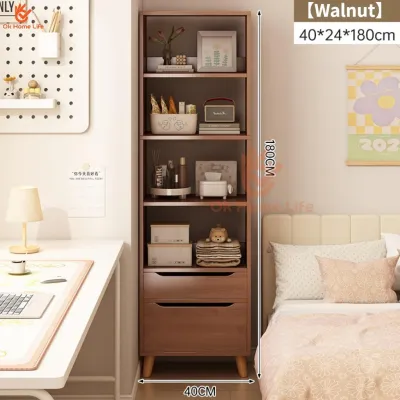
![[SG Stock] Bookcase Shelves Household Living Room Shelves Random Combination Of Storage /Complimentary Backplane](https://img.lazcdn.com/g/p/a63b6137d178423369e0951c109a7d58.jpg_webp_400x400q80.jpg_.webp)
![[SG Stock]Vertical Storage Cabinet with Drawers Small Space Wooden Bookshelf Freestanding Tall Storage Shelf](https://img.lazcdn.com/g/p/76fc562aae09cdbf27f37e86b027e767.jpg_400x400q80.jpg_.webp)
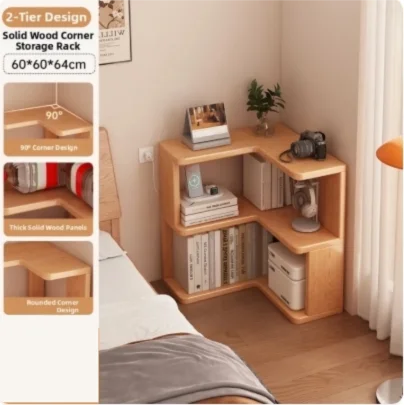
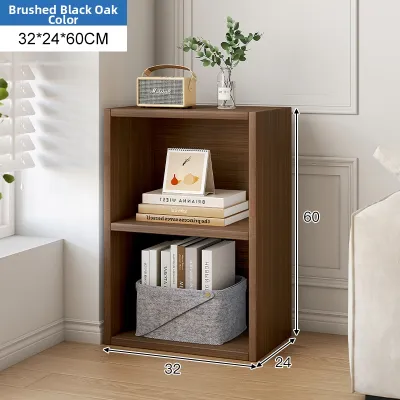
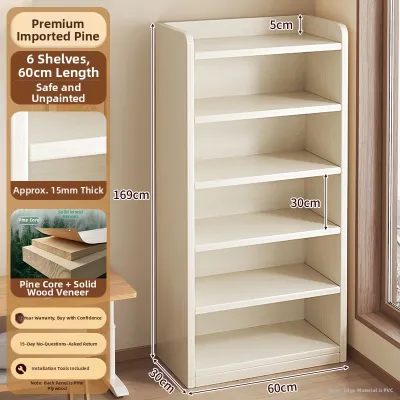
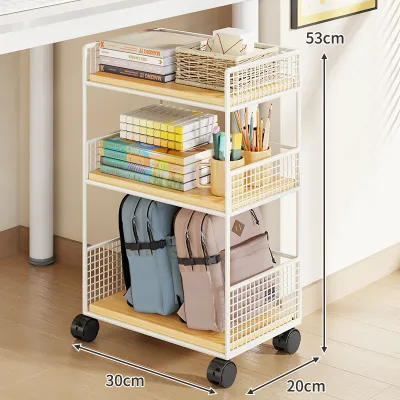
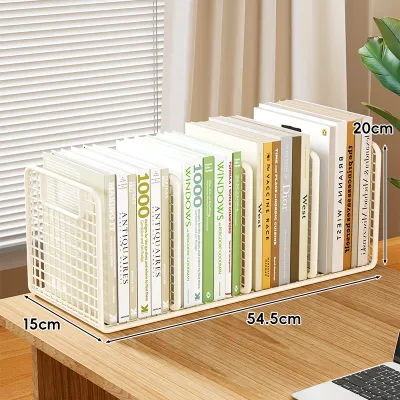
Prices are valid at publication and may change. Please refer to the product page for the latest price.
Understanding material labels is crucial for predicting how a bookcase will perform over time. Entry-level and mid-range shelving often utilize engineered woods like particleboard or Medium-Density Fibreboard (MDF), which are finished with paper foils, melamine, or wood veneers. While particleboard is lightweight and highly affordable, it is generally more susceptible to bending under heavy loads than MDF or solid wood. To verify the durability of any engineered wood unit, look for specifications detailing the thickness of the shelves and the presence of protective edge banding, which seals the core material against physical wear and environmental factors.
Navigating Entry-Level and Budget-Friendly Brands
Entry-level bookcases, widely available through online marketplaces and mass-market retailers in Singapore, offer an accessible way to organize lightweight items. These budget-friendly brands typically construct their units from thinner particleboard panels, often ranging from 12mm to 15mm in thickness. They rely heavily on standard cam lock and dowel assembly systems, which allow for flat-pack shipping and straightforward home assembly. While these units are highly cost-effective, their structural design inherently limits their load-bearing capacity, making them prone to noticeable bowing if overloaded with heavy textbooks or dense binders.

To maximize the utility of budget shelving, reserve these units for lighter storage needs. They are highly suitable for children’s toys, paperbacks, decorative items, or temporary setups in rental properties where long-term durability is not the primary goal. If you plan to store heavier items, distribute the weight strategically by placing the heaviest books on the bottom shelf to keep the center of gravity as low as possible.
Environmental conditions play a significant role in the lifespan of budget-friendly engineered wood. Because entry-level units often feature exposed, unsealed edges on the back or underside of the panels, they are highly vulnerable to moisture absorption. In Singapore’s naturally humid climate, placing an unsealed particleboard bookcase in a room without consistent airflow or near a damp wall can lead to rapid swelling, warping, and mold growth. Additionally, because these lightweight structures lack the structural rigidity of premium materials, securing them to the wall with an anti-tip kit is an absolute necessity to prevent accidental tipping.
Evaluating Mid-Range Brands for Long-Term Durability
Mid-range shelving brands represent a significant step up in structural integrity, making them the sweet spot for most Singaporean homeowners seeking reliable, everyday storage. At this price point, manufacturers typically upgrade the shelf thickness to 18mm or even 25mm, which dramatically reduces the risk of sagging under the weight of standard book collections. You will also find superior backing materials; instead of a thin, folded cardboard backing taped together, mid-range units often feature solid, slide-in back panels that lock the entire frame into a rigid, square shape.
Modularity and adjustability are key hallmarks of mid-range value. High-quality mid-tier brands design their systems with pre-drilled support holes spaced closely together, allowing you to customize the height of individual shelves to accommodate everything from tall art books to small novels. Some modular systems also allow you to purchase add-on sections, doors, or drawers later, enabling the furniture to adapt as your storage requirements evolve over several years.
When purchasing mid-range furniture, buyers must weigh the trade-offs between flat-pack convenience and professional assembly. While flat-pack options are easier to transport through tight HDB corridors and standard passenger lifts, assembling a large, heavy bookcase yourself requires proper tools, patience, and physical effort. Many mid-range brands offer optional, paid assembly services. Opting for professional installation ensures that the unit is squared correctly, the joints are tightened to specification, and the shelving is safely anchored to your wall, protecting your investment from assembly-induced structural weaknesses.
Assessing Premium and Heavy-Duty Shelving Brands
For those building an extensive home library or storing heavy equipment, premium and heavy-duty shelving brands offer the necessary structural assurance. These high-end options generally feature solid hardwood construction, thick plywood cores, or welded steel frames. Unlike engineered wood, high-quality solid wood and metal do not suffer from progressive sagging over time when subjected to constant, heavy loads. To verify these premium claims, inspect the product specifications for joinery details; look for traditional woodworking joints, such as mortise-and-tenon or dowelled construction, rather than simple wood screws or plastic brackets.
The load-bearing capacity of premium shelving is substantially higher, often rated to support heavy volumes, sculptures, or electronics without any visible deflection. However, this structural strength comes with increased weight and bulk. Before finalizing a premium purchase, it is essential to plan the delivery logistics. Measure your building’s lift dimensions, doorway clearances, and any tight staircase turns to ensure the delivery team can safely transport the pre-assembled or semi-assembled components into your home.
Furthermore, premium brands typically back their products with comprehensive warranties and dedicated customer service. When evaluating a high-end investment, review the warranty terms to see what structural defects are covered, such as joint separation or frame warping. Because these units are heavy and complex, professional delivery and installation are almost always recommended—and often required by the manufacturer—to maintain warranty validity and ensure the system is anchored securely to your home’s structural walls.
Pre-Purchase Checks for Online Furniture Orders
Buying bookcases from online marketplaces requires careful preparation to avoid common sizing and installation pitfalls. Before browsing, take precise measurements of your designated wall space. Remember to account for the thickness of skirting boards, which can prevent a bookcase from sitting completely flush against the wall, as well as the location of power outlets, light switches, and air conditioning units. If you plan to place the shelving behind a door or near a hallway, verify that the unit’s depth will not obstruct walkways or door swings.
User reviews on ecommerce platforms are invaluable resources for assessing real-world quality, but you must read them critically. Look past simple five-star ratings and search specifically for feedback regarding structural stability, ease of assembly, and material condition upon arrival. Pay close attention to reviews that mention missing hardware, misaligned pre-drilled holes, or shelves that began to sag after a few weeks of use. Photos uploaded by previous buyers can also give you a more accurate representation of the finish color and overall build quality than polished promotional images.
Finally, always clarify the seller’s return and exchange policies before placing your order. Shipping large, heavy flat-pack furniture is costly, and returning a defective or damaged item can be incredibly difficult if the seller does not offer a clear return process. Confirm whether the merchant provides replacement parts for items damaged during transit, and check if they offer professional assembly services at checkout. Securing these services beforehand can save you significant time and ensure your new shelving is built safely and correctly.
Frequently Asked Questions (FAQ)
How can I prevent a budget bookcase from sagging under heavy books?
To prevent budget shelves from bowing, always place your heaviest books, such as encyclopedias or textbooks, on the bottom shelf and position them as close to the vertical side panels as possible. This distribution minimizes the bending stress on the center of the shelf board. Additionally, check the manufacturer’s assembly manual for the exact weight limit per shelf and strictly adhere to it. If the design allows, you can also reinforce the underside of the shelves by installing small, aftermarket metal L-brackets or support cleats along the back panel to provide extra structural support.
Is it safe to place a freestanding bookcase in a humid room?
Placing a standard engineered wood bookcase in a highly humid environment, such as near a bathroom or in an unventilated laundry area, is generally not recommended. High humidity causes unsealed particleboard or MDF to absorb moisture, leading to swelling, warping, and the eventual peeling of the outer laminate or paper foil. If you must place shelving in a damp area, choose units made from rust-resistant metals, solid teak, or specially treated plastics. For standard rooms, ensure adequate ventilation, keep the furniture away from direct contact with damp walls, and regularly inspect the edge banding for any signs of separation or bubbling.
Community discussion
Share your experience or ask a question. Comments are reviewed before publication.