
Selecting the right headboard size for your Housing & Development Board (HDB) bedroom is a balancing act between aesthetic appeal and spatial efficiency. Because HDB master and common bedrooms have distinct floor areas and structural layouts, a headboard that looks perfectly proportioned in a showroom might overwhelm your actual space. The ideal headboard dimensions depend on your mattress size, wall clearance, and the layout of surrounding furniture like wardrobes and bedside tables. By matching the headboard’s width, height, and thickness to your specific room type, you can create a cohesive design without sacrificing walking space or blocking essential fixtures.
Matching Headboard Width to Your Bed Size
When selecting a headboard, the first dimension to consider is the width, which must align with your mattress size. In Singapore, standard mattress widths are highly consistent: a standard Single is 91 cm, a Super Single is 107 cm, a Queen is 152 cm, and a King is 183 cm. A standard flush-fit headboard matches these dimensions almost exactly, or extends just 2 to 5 cm on either side to provide a clean, aligned look that keeps the footprint as compact as possible.
For a more dramatic design, you might consider an extended or oversized headboard. These designs extend significantly past the edges of the mattress, often stretching behind the bedside tables to create a continuous, hotel-like feature wall. While visually striking, extended headboards require a long, uninterrupted wall. If your bed wall is short or positioned close to a corner, an oversized headboard will look cramped and unbalanced.
Products mentioned in this guide
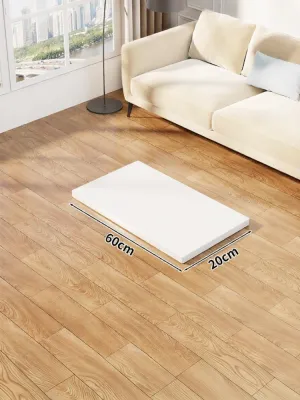
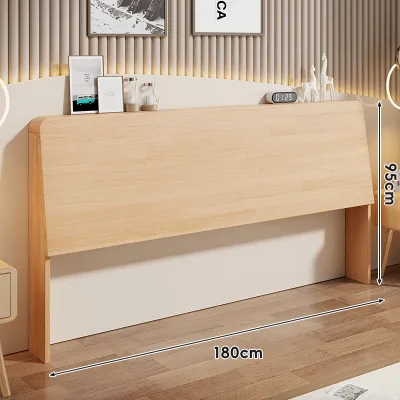
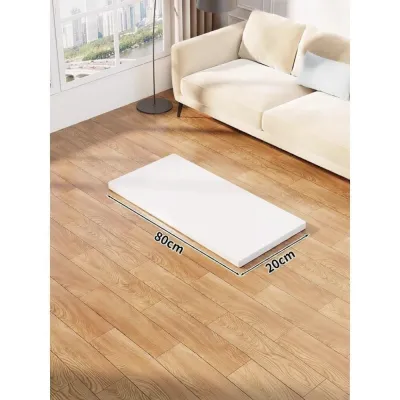
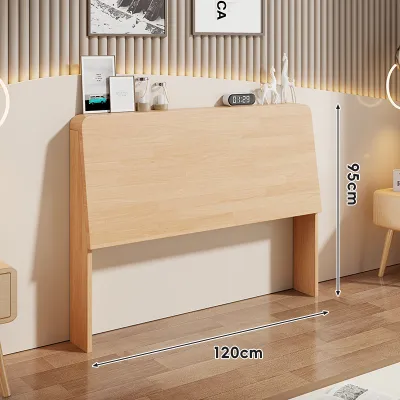
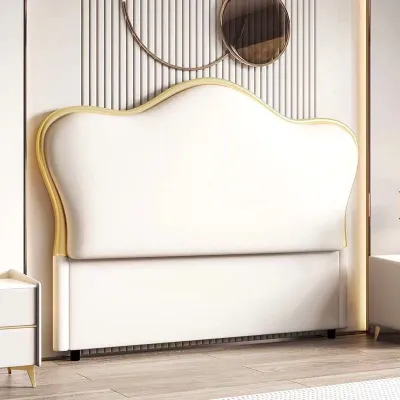
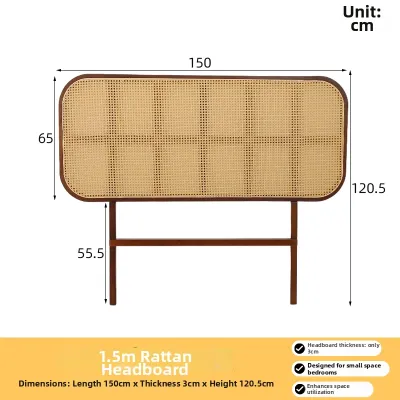
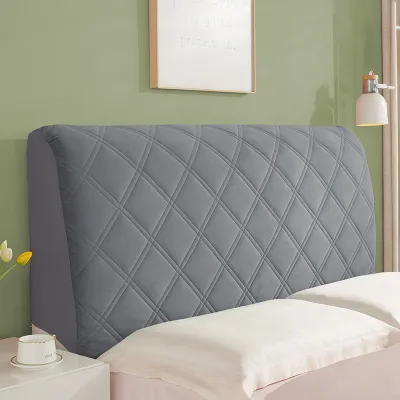
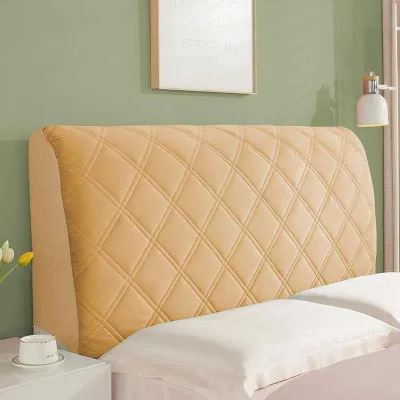
Prices are valid at publication and may change. Please refer to the product page for the latest price.
Visual proportions play a major role in how large a bed feels within a room. For Single and Super Single beds, which are typically placed in smaller rooms, a flush-fit headboard is almost always the best choice because it preserves precious wall space. Queen and King beds can accommodate slightly wider headboards if the room allows, but you must avoid extended designs if they risk blocking pathways, covering electrical outlets, or preventing wardrobe doors from opening fully.
Sizing Strategies for the HDB Master Bedroom
Master bedrooms in HDB flats offer more breathing room than common rooms, but they still require careful spatial planning. The height of your headboard should be determined in relation to your ceiling height and wall fixtures. Standard HDB ceilings are typically around 2.6 meters high. A headboard that is too tall—such as those exceeding 140 cm—can dominate the wall and make the ceiling feel lower than it actually is. Additionally, you must check the placement of wall-mounted air-conditioning units, ensuring the headboard height allows for proper airflow and easy access for regular servicing.

Headboard thickness, or depth, is another critical factor that is often overlooked. A thick, heavily tufted or upholstered headboard can easily measure 15 to 20 cm in depth. This thickness pushes your entire bed frame forward, away from the wall. In an HDB master bedroom, pushing the bed forward reduces the clearance at the foot of the bed, which can restrict your walking path or interfere with the swing of built-in wardrobe doors. Opting for a slimmer headboard profile of 5 to 10 cm helps preserve this vital floor space.
To achieve a visually substantial design without overwhelming the master bedroom, focus on texture and material rather than sheer size. A medium-height headboard (around 100 to 120 cm from the floor) upholstered in a light, neutral fabric or crafted from slim timber slats provides an elegant focal point. This approach adds design weight to the room without physically encroaching on your daily living and walking space.
Space-Saving Headboard Choices for Common Bedrooms
Common bedrooms in HDB flats are notoriously compact, often measuring around 9 to 10 square meters. In these tight spaces, maximizing usable floor area is the top priority, making bulky furniture a major liability. Choosing a low-profile, slim, or ultra-thin headboard is one of the most effective ways to save space. A headboard with a thickness of under 5 cm keeps the bed frame as close to the wall as possible, freeing up valuable centimeters at the foot of the bed for a study desk or walking path.
Vertical conflicts are highly common in smaller bedrooms. These rooms often feature high windows, wall-mounted bookshelves, or air-conditioning units positioned directly above the bed. Before choosing a headboard, measure the height from the floor to the bottom of these wall fixtures. A tall headboard that overlaps a window sill will block natural light, while one that collides with overhead shelving can make the sleeping area feel claustrophobic and unsafe.
If space is exceptionally tight, consider practical alternatives to traditional headboards. Wall-mounted headboard cushions are incredibly slim and can be hung directly onto the wall using rail systems, taking up virtually no floor space. Alternatively, integrated bed frames—where a thin wooden headboard is built directly into the frame—offer a sturdy, unified solution with a minimal footprint. Floating shelves can also serve as a minimalist backdrop, provided they are mounted high enough to avoid accidental head bumps.
Essential Room Measurements Before Purchasing
Before committing to a headboard purchase, conducting a thorough site measurement is essential to avoid costly installation mistakes. Start by checking the wall clearance for electrical fixtures. Note the exact locations of power sockets, light switches, and existing skirting boards. A headboard must never cover a light switch or block access to power outlets. If your sockets are positioned directly behind the bed, you will need a headboard that sits flush above them or is slim enough to allow plugs to remain inserted without bending the cables.
Next, measure the footprint of your bedside tables. If you are considering an extended headboard, calculate whether the bedside tables will fit comfortably in front of the extended panels. If the headboard is too wide, it may push the bedside tables outward, causing them to block wardrobe drawers or the bedroom doorway. Ensure there is a clear gap between the bedside tables and any adjacent furniture to allow for smooth daily operation.
Finally, verify the minimum pathway widths around the bed. For comfortable, unobstructed daily movement, you should maintain a walkway of at least 60 cm around the sides and foot of the bed. If your chosen headboard is exceptionally thick, add its depth to the length of your bed frame and mattress, then measure the remaining distance to the opposite wall. If this pathway falls below 60 cm, you should opt for a slimmer headboard to prevent the room from feeling cramped.
Installation and Wall Mounting Safety
How your headboard is supported affects both the safety of your bedroom and the ease of future room rearrangements. Bed-frame-attached headboards are secured directly to the bed base using brackets. This is a highly flexible option because it requires no drilling into the wall, making it easy to move the bed when cleaning or rearranging the room. However, these headboards rely entirely on the stability of the bed frame and may wobble slightly if the frame is lightweight.
Wall-mounted headboards offer a sleek, floating appearance and excellent stability, but they require drilling into the wall structure. HDB walls generally fall into two categories: non-load-bearing partition walls (such as drywall or lightweight concrete blocks) and solid concrete structural walls. Solid concrete walls can support heavy, oversized headboard panels but require a hammer drill and heavy-duty masonry wall plugs. Drywall partitions have much lower load-bearing capacities and require you to locate the internal metal studs or use specialized hollow-wall toggle bolts to secure the weight safely.
There are clear stop conditions where you should avoid DIY installation and consult a qualified professional. If you are unsure of your wall’s composition, suspect that electrical wiring or water pipes run behind the mounting area, or do not own the proper drilling equipment, professional installation is highly recommended. Additionally, always check HDB renovation guidelines before drilling into any structural columns or beams, as damaging these elements can compromise the building’s structural integrity.
Frequently Asked Questions (FAQ)
Can I use an extended headboard to make a small room look wider?
An extended headboard can create a powerful visual illusion of width by drawing the eye horizontally across the room. This technique works well if you have a long, uninterrupted wall and minimal surrounding furniture. However, in a small HDB common room, the physical risks often outweigh the visual benefits. An extended headboard can easily block light switches, cover power sockets, or prevent you from placing a wardrobe or study desk nearby. For smaller rooms, it is usually safer to stick to a flush-fit headboard and use light paint colors or horizontal wall decor to create a sense of spaciousness.
Does a thick upholstered headboard affect my bedside table placement?
Yes, a thick upholstered headboard will directly impact where your bedside tables sit. Because a thick headboard pushes the entire bed frame and mattress forward by 15 to 20 cm, your pillows and sleeping position will also shift forward. If your bedside tables remain flush against the wall, they will end up sitting too far behind your sleeping position, making it awkward and uncomfortable to reach for items like phone chargers, water glasses, or reading lamps. To resolve this, you can choose shallower bedside tables, opt for wall-mounted floating shelves aligned with your mattress, or select a slimmer headboard design.

Community discussion
Share your experience or ask a question. Comments are reviewed before publication.