
Selecting the right mattress for a guest room is a unique challenge because you must accommodate a rotating cast of sleepers with completely different body types, sleeping positions, and comfort preferences. To satisfy the widest possible range of visitors, a medium to medium-firm mattress (typically rated around a 5 to 7 on a standard 10-point firmness scale) is the ideal choice. This balanced feel provides enough surface cushioning to relieve pressure on the shoulders and hips of side sleepers, while maintaining the structural support needed to keep back and stomach sleepers from sinking too deeply.
Why Medium to Medium-Firm Is the Universal Sweet Spot
A medium to medium-firm mattress acts as a crowd-pleasing compromise because it addresses the biomechanical needs of different sleeping postures simultaneously. When a guest lies down, their spine requires neutral alignment to prevent morning stiffness. A medium-firm surface distributes body weight evenly, preventing the heavier midsection from sagging while allowing the shoulders and hips to sink just enough to maintain a straight spinal line.
For side sleepers, who make up a significant portion of the population, a mattress that is too firm can create painful pressure points on the shoulders and hips, leading to tossing and turning. Conversely, back and stomach sleepers require a more stable surface to prevent their hips from dipping, which arches the lower back and causes strain. A medium-firm mattress strikes the perfect balance, offering a supportive core with a contouring comfort layer.
Products mentioned in this guide
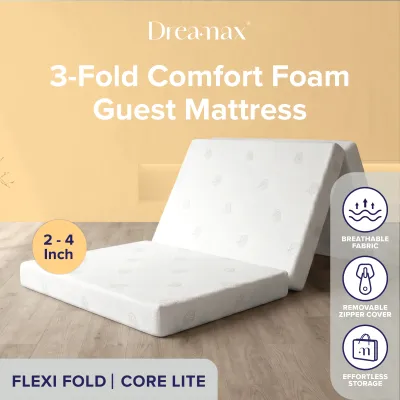
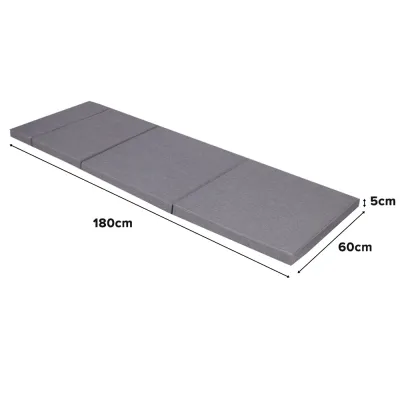
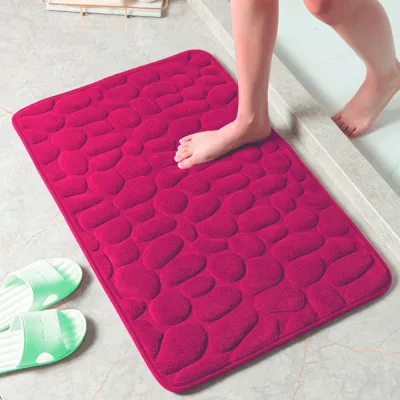
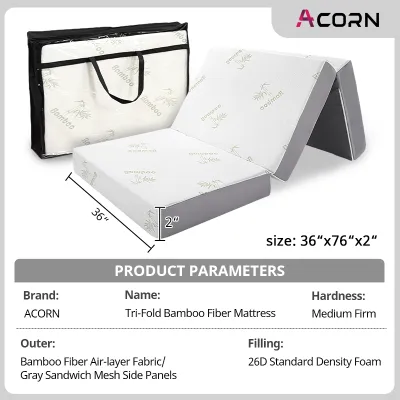
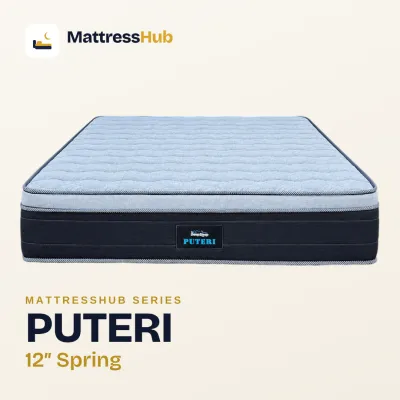
Prices are valid at publication and may change. Please refer to the product page for the latest price.
Choosing an extreme firmness level carries high risks when hosting unknown guests. An overly soft mattress can cause a “hammocking” effect, where the sleeper sinks deeply into the bed, making it difficult to turn over and causing heat retention. On the other hand, an exceptionally firm mattress can feel like sleeping on a wooden plank to anyone accustomed to a plusher feel, leading to a restless night and sore joints. By staying in the middle of the spectrum, you minimize the chance of any guest experiencing severe discomfort.
How to Assess Your Typical Guest Profile
While a medium-firm mattress is the safest default, analyzing who actually visits your home can help you fine-tune your selection. Consider the primary demographic of your frequent overnight visitors. If your guest room is mostly used by young adult friends, their sleep preferences and physical resilience may differ significantly from those of elderly parents or grandparents who visit for extended periods.

Body weight is a critical factor in how firmness is perceived. Lighter individuals (under 60 kg) do not compress mattress layers deeply and often perceive medium-firm mattresses as quite hard, meaning they may prefer a slightly softer medium feel. Conversely, heavier guests (over 90 kg) require deeper support to prevent bottoming out, making a true medium-firm or slightly firmer profile more appropriate.
If your guest room primarily hosts a highly specific, recurring group, you should adjust your baseline accordingly. For instance, if your elderly parents are the sole users of the room, prioritizing joint pressure relief and ease of movement over a generic universal standard is a practical decision. If your guests are a random mix of friends, colleagues, and extended family, sticking strictly to the universal medium-firm baseline remains your best strategy.
Adjusting Firmness Without Buying Multiple Mattresses
You do not need to purchase multiple beds to accommodate different comfort preferences. Instead, you can use versatile bedding accessories to temporarily alter the feel of a single high-quality medium-firm mattress. This approach allows you to customize the sleeping surface on a guest-by-guest basis with minimal effort and storage space.
If a visiting side sleeper prefers a cloud-like, plush feel, adding a removable mattress topper is an excellent solution. A memory foam, latex, or down-alternative topper of about five to seven centimeters can instantly soften a firm base, providing the deep contouring and pressure relief they need. When the guest leaves, the topper can be rolled up and stored in a closet.
Conversely, if a guest prefers a highly rigid sleeping surface, you can place a firm, high-density foam topper or a supportive quilted pad over the mattress. While it is harder to make a soft mattress feel firmer, starting with a solid medium-firm base makes it much easier to adjust the feel in either direction using targeted accessories.
Regardless of the firmness setup, protecting the mattress is essential for maintaining a hygienic guest environment. A high-quality, breathable mattress protector shields the bed from spills, allergens, and dust mites without altering the underlying feel of the mattress. Look for protectors made from breathable materials like Tencel or bamboo rayon to ensure your guests stay cool and comfortable throughout the night.
Key Mattress Features to Check Beyond Firmness
While firmness is the primary factor in sleep comfort, several secondary structural features play a massive role in how functional and comfortable your guest bed will be. Paying attention to these details ensures a premium, hotel-like experience for your visitors.
Edge support is a critical feature, especially in compact guest rooms where the bed might double as a seating area during the day. A mattress with reinforced edges prevents the feeling of rolling off the side when sleeping near the edge, effectively maximizing the usable sleep surface. It also provides a stable, supportive platform for guests to sit on while putting on shoes or getting out of bed.
If your guest room frequently accommodates couples, motion isolation is vital. Mattresses with poor motion isolation transfer movement across the bed, meaning one partner’s tossing and turning will disrupt the other’s sleep. Pocketed coils and memory foam layers excel at absorbing movement, ensuring both guests enjoy an uninterrupted night of rest.
In warm, humid climates, temperature regulation is paramount. Guest rooms are often smaller and can trap heat, making breathability a key comfort factor. Look for mattresses that incorporate open-cell foams, gel infusions, or hybrid coil systems that promote continuous airflow, preventing heat buildup and keeping your guests cool.
When to Deviate From the Medium-Firm Standard
There are specific scenarios where the universal medium-firm recommendation should be set aside in favor of a specialized option. Understanding these exceptions will help you care for guests with distinct physical or mobility needs.
Elderly guests often require careful consideration. As we age, joints become more sensitive, and a mattress that is too hard can exacerbate arthritis or chronic pain. However, a bed that is too soft makes it incredibly difficult to push off the surface and stand up. For older visitors, a medium mattress with excellent edge support and a responsive comfort layer offers the ideal balance of joint cushioning and mobility assistance.
If a frequent guest has diagnosed medical conditions, such as severe lower back pain or spinal issues, they may require specialized orthopedic support. In these cases, a mattress designed specifically for spinal alignment with zoned support layers—firmer under the hips and softer under the shoulders—can make a significant difference in their comfort.
Ultimately, you do not have to guess what your loved ones prefer. If you host the same family members or close friends multiple times a year, the simplest and most effective approach is to ask them directly about their sleep preferences before purchasing a new mattress. This direct feedback ensures your investment directly translates into comfortable, welcoming stays for your most frequent visitors.
Frequently Asked Questions (FAQ)
How thick should a guest mattress be?
A guest mattress should ideally be between 25 and 30 centimeters thick. This profile provides sufficient comfort and support layers to accommodate adult body weights without bottoming out. Before purchasing, check your bed frame’s height and clearance to ensure the combined height of the frame and mattress allows guests to get in and out of bed comfortably.
Is a memory foam or hybrid mattress better for a guest room?
A hybrid mattress is generally the more versatile choice for a guest room. While memory foam offers excellent motion isolation and pressure relief, it can trap heat and lack edge support. Hybrid designs combine pocketed coils with foam comfort layers, offering the contouring benefits of foam alongside superior breathability, responsive support, and strong edges that suit a wider variety of sleepers.
How often should you rotate or flip a guest mattress?
Even though guest mattresses experience irregular use, they should still be rotated 180 degrees every six to twelve months to ensure even wear and prevent sagging in specific spots. Always check the manufacturer’s care label first; most modern mattresses are single-sided and should only be rotated, whereas traditional double-sided models can be flipped to extend their lifespan.

Community discussion
Share your experience or ask a question. Comments are reviewed before publication.