
When purchasing a Seahorse single bed frame for a child in Singapore, verifying safety involves more than just checking a single certification label. While specific regulatory compliance marks must be validated against the product’s official documentation, parents must also conduct physical inspections to ensure the frame meets universal safety principles for children’s furniture. This guide outlines how to navigate local safety expectations, inspect the bed frame for entrapment and structural risks, and maintain a safe sleeping environment.
Understanding Child Bed Safety Regulations in Singapore
When selecting a single bed frame for a child’s room in Singapore, understanding the regulatory landscape is the first step toward ensuring a secure sleeping environment. Enterprise Singapore, the national standards agency, oversees consumer product safety. While adult furniture is subject to general safety guidelines, children’s furniture requires closer scrutiny due to the unique risks associated with younger users.
Parents should look for compliance marks or certificates indicating that the bed frame meets recognized international safety standards. Common benchmarks include European Standards (such as EN 747 for bunk beds and high beds, or EN 1725 for domestic beds) and American standards (such as ASTM). These standards are not mere bureaucratic hurdles; they represent rigorous testing for structural integrity, load-bearing capacity, and material safety.
Products mentioned in this guide
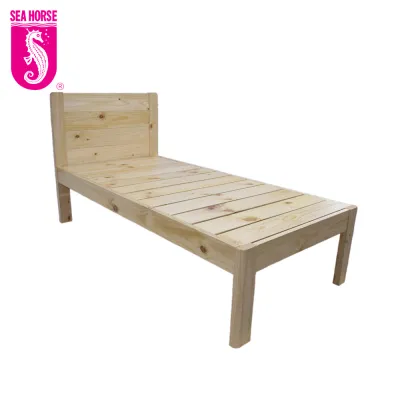
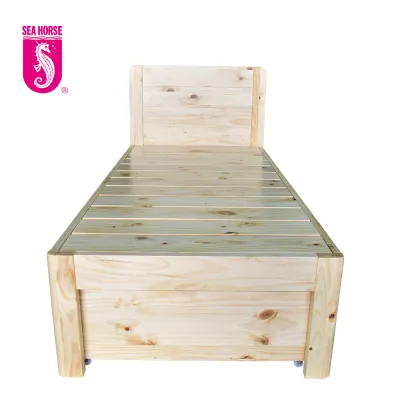
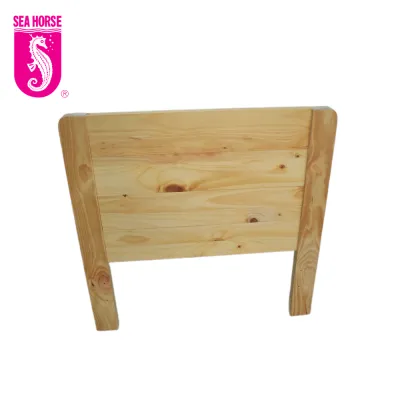
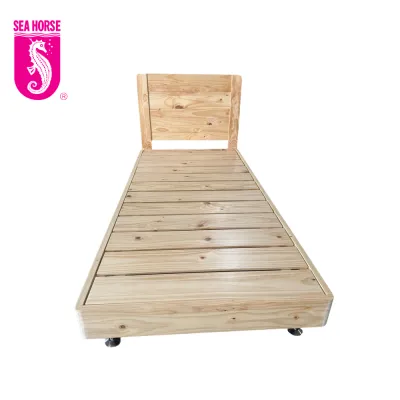
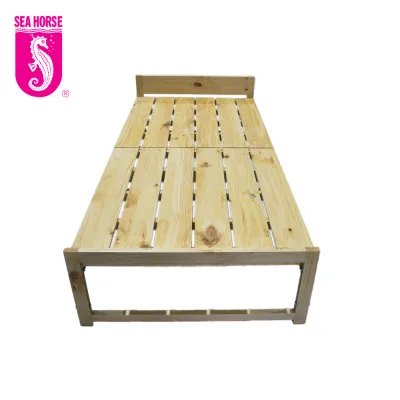
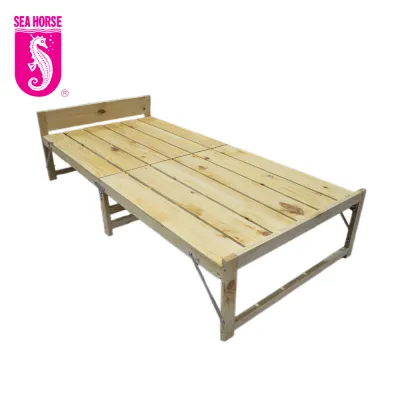
Prices are valid at publication and may change. Please refer to the product page for the latest price.
When researching a Seahorse single bed frame, request the product’s technical specifications or user manual from the retailer. A compliant manufacturer will clearly state the standards their products meet. If the documentation does not explicitly mention child safety certifications, you must treat the frame as a standard adult bed and apply manual safety checks to ensure it is suitable for a child’s use.
Additionally, always verify the manufacturer’s declared age range and weight limits. Children’s physical development and activity levels vary greatly. A bed frame designed for an older teenager or adult may have gaps or heights that pose risks to a toddler or younger child. Ensuring the product matches your child’s current developmental stage is fundamental to preventing accidents.
Inspecting the Physical Design for Entrapment and Injury Risks
Physical inspection is one of the most reliable ways to verify the safety of a Seahorse single bed frame. Entrapment is a primary hazard for children, particularly in the gaps between the mattress, the frame, and any guardrails. To prevent head, neck, or limb entrapment, parents must carefully measure these spaces before allowing a child to use the bed.

Start by examining the distance between the bed slats. If the slats are too far apart, the mattress can sag, creating dangerous pockets, or a child’s limb could slip through. Ideally, the gap between slats should not exceed 60 millimeters. Similarly, if the bed frame features built-in guardrails or a headboard with vertical spindles, ensure the gaps between these spindles are narrow enough to prevent a child’s head from passing through, yet wide enough that fingers and toes will not get pinched.
Next, run your hands along all surfaces of the bed frame. Check for sharp edges, splintered wood, or rough metal welds. Children frequently bump into furniture during play, and a sharp corner can cause painful cuts or bruises. Pay close attention to the hardware; bolts, screws, and brackets should be flush with the frame’s surface. Protruding hardware can snag clothing, pajamas, or drawstrings, presenting a serious strangulation hazard.
Finally, test the physical stability of the frame. Do not rely solely on a visual assessment. Apply firm downward and lateral pressure to different parts of the bed, including the headboard, footboard, and guardrails. A safe bed frame should not wobble, creak excessively, or shift when pressure is applied. In Singapore’s high-density housing, beds are often placed close to other furniture, making a stable, non-shifting frame essential for preventing pinch points against walls or wardrobes.
Verifying Material Safety and Structural Build Quality
Beyond the physical structure, the chemical composition of the bed frame’s materials is a critical safety consideration. Children are highly sensitive to airborne toxins and chemical off-gassing. When evaluating a Seahorse single bed frame, review the product documentation for information on formaldehyde emissions and heavy metal content in paints, varnishes, or adhesives.
Look for certifications such as the Singapore Green Label or international equivalents like Greenguard, which indicate low chemical emissions. Wooden components should ideally meet E1 or E0 formaldehyde emission standards. If the bed frame is painted or lacquered, verify that the finish is non-toxic and lead-free. This is particularly important for younger children who may chew on the bed frame’s edges.
The structural build quality must also be assessed, starting with the slat support system. A robust bed frame should feature a secure method for fastening the slats to the side rails, preventing them from shifting or falling through. Check whether the slats are made of solid wood or high-density engineered wood, and ensure they are supported by a central rail if the frame is designed to carry heavier loads.
Mattress compatibility is another vital aspect of structural safety. A mattress that is too small for the frame will leave gaps along the sides or ends, creating severe entrapment zones. Conversely, a mattress that is too thick can reduce the effective height of the guardrails, increasing the risk of falls. Always measure the inner dimensions of the Seahorse single bed frame and compare them with the manufacturer’s recommended mattress size and maximum thickness.
Ensuring Safe Assembly and Room Placement
Even the safest bed frame can become hazardous if it is assembled incorrectly or placed in a dangerous location. When assembling your Seahorse single bed frame, follow the manufacturer’s instructions meticulously. Do not skip any steps, and use only the hardware provided in the package. If a screw or bolt is missing, contact the retailer for an official replacement rather than substituting a random fastener from a hardware store.
During assembly, pay close attention to the tightness of all connections. Over-tightening can strip threads or crack wooden components, while under-tightening leads to structural instability. If the bed frame requires anchoring to the wall—especially important for high beds or loft designs—ensure you use the correct wall plugs and screws suitable for Singapore’s typical concrete HDB walls.
Room placement requires careful planning to eliminate environmental hazards. Position the bed frame well away from windows, window blind cords, curtains, and electrical outlets. A child climbing on the bed could easily reach these items, leading to fall or strangulation risks. Additionally, ensure the bed is clear of the sweep of ceiling fans and air-conditioning units to prevent head injuries or drafts.
Once the bed is set up, establish clear household rules with your child. Explain that the bed is for sleeping and quiet activities, not for jumping or rough play. Repeated jumping exerts dynamic forces that exceed the static load capacity of the frame, leading to premature wear, loosened joints, or sudden structural failure.
Recognizing Warning Signs and Stopping Use
Over time, regular use can compromise the safety of any bed frame. Parents must conduct periodic inspections to identify wear and tear before it leads to an accident. Structural red flags include persistent squeaking, loose joints that wobble even after tightening, visible cracks in the wood, or bent metal brackets.
If you notice any of these warning signs, inspect the frame immediately to determine the cause. Squeaking often indicates that joints are rubbing together due to loose bolts or settling materials. If tightening the hardware does not resolve the issue, the joint may be worn or damaged. Cracked wood or bent metal components compromise the load-bearing capacity of the frame and cannot be safely repaired with simple DIY methods.
Furthermore, keep track of your child’s growth. As children grow, their weight and height will eventually approach the maximum limits specified by the manufacturer. If your child’s head or feet are close to the ends of the bed, or if their weight is nearing the frame’s capacity, it is time to transition to a larger or more robust sleeping arrangement.
If you discover a critical structural failure, such as a broken slat support or a fractured corner joint, stop using the bed immediately. Do not attempt to patch the frame with tape, glue, or non-standard brackets. Contact the manufacturer or a qualified furniture repair professional to assess whether the frame can be safely restored, or replace it entirely to guarantee your child’s safety.
Frequently Asked Questions (FAQ)
Do I need to add a separate mattress pad for safety?
Adding a separate mattress pad or topper is generally not recommended for safety reasons unless it is specifically approved by the bed frame manufacturer. Extra padding increases the overall height of the mattress, which directly reduces the effective height of the guardrails. If the guardrails are too low relative to the top of the mattress, the risk of your child rolling out of bed increases significantly. Additionally, soft toppers can create gaps between the mattress and the frame where a child’s face or limbs could become trapped. Always check the manufacturer’s guidelines regarding the maximum allowable mattress thickness before adding any layers.
How often should I inspect the bed frame's hardware?
You should inspect the hardware of your child’s bed frame at least once every three to six months. Regular use, combined with the natural settling of materials and changes in humidity, can cause screws and bolts to loosen over time. During these inspections, check all visible fasteners to ensure they are tight and flush with the frame. Look for stripped threads, missing protective caps, or signs of rust on metal components. If your child is particularly active or if you notice any new squeaks or wobbles, increase the frequency of these checks to maintain structural integrity.

Community discussion
Share your experience or ask a question. Comments are reviewed before publication.