
Maximizing floor space is a common priority for families living in Singapore’s compact apartments. A loft bed with ladder offers an elegant solution, elevating the sleeping area to free up valuable square footage below for study desks, play areas, or storage. However, elevating a child’s bed introduces distinct safety considerations that require careful evaluation before making a purchase.
Ensuring your child’s safety on an elevated bed goes beyond choosing an attractive design or a reputable brand. It requires a systematic verification of international safety certifications, precise physical measurements of guardrails, structural stability checks, and careful space planning within your home. By understanding these critical requirements, you can select a frame that provides both functional utility and peace of mind.
Recognized Safety Certifications and Product Labels
When shopping for a loft bed with ladder, the first line of defense is verifying that the product complies with established safety standards. Do not rely solely on generic marketing terms such as “child-safe” or “kid-friendly,” which often refer only to non-toxic paint finishes rather than structural integrity. Instead, look for explicit compliance with recognized international standards on the product packaging, instruction manuals, or retailer listings.
Products mentioned in this guide
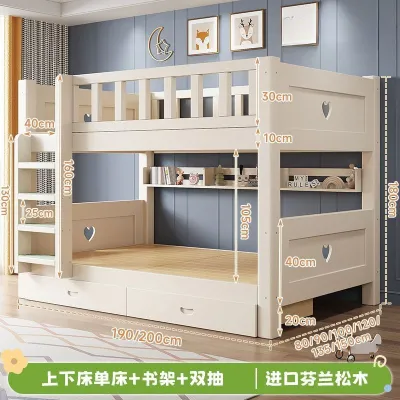

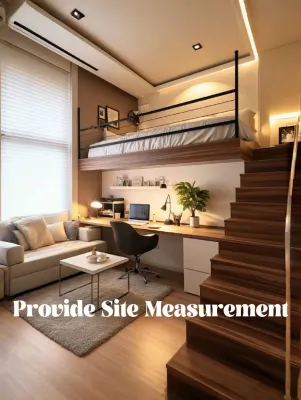


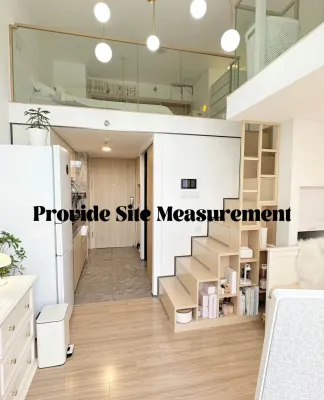

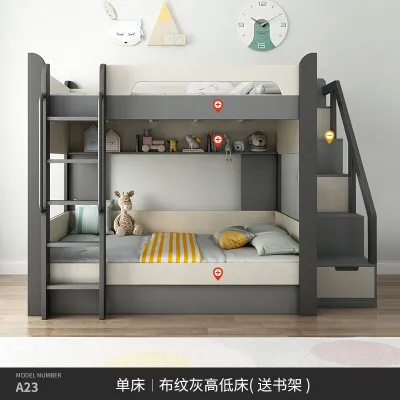
Prices are valid at publication and may change. Please refer to the product page for the latest price.
The two most prominent standards for elevated beds are the European standard EN 747 (specifically EN 747-1 and EN 747-2, which cover bunk beds and loft beds for domestic use) and the American standard ASTM F1427. These standards subject bed frames to rigorous testing for structural strength, stability, material durability, and the prevention of entrapment hazards. A compliant bed frame will have undergone testing to ensure it can withstand the dynamic forces of a child climbing and moving.
Before finalizing your purchase, ask the retailer to provide official compliance documentation or test reports verifying these standards. Reputable manufacturers will readily supply this information or display certification marks directly on the product’s warning labels. These permanent labels, typically affixed to the inside of the bed frame, also provide essential safety instructions, including the maximum recommended mattress height and age restrictions.
Guardrail Specifications and Mattress Fit
Guardrails are the primary safety feature preventing accidental falls from an elevated sleeping platform. To ensure maximum protection, the top of the guardrail must extend at least 127 mm (approximately 5 inches) above the top surface of the mattress. This safety margin must be maintained across the entire perimeter of the bed, except for the designated ladder entry point.

The thickness of the mattress you choose directly impacts the effectiveness of the guardrails. If you place a standard, thick pocket-spring mattress on a loft bed, you may inadvertently reduce the guardrail’s effective height to a dangerous level, creating a severe fall hazard. Always check the manufacturer’s specifications for the maximum allowable mattress thickness—which is typically restricted to 15 cm or less—and measure the mattress before installation to confirm it leaves an adequate safety barrier.
In addition to guardrail height, the spacing between individual guardrail slats and structural components must be carefully verified to prevent entrapment. Gaps must be small enough to prevent a child’s torso or limbs from slipping through, yet designed so that a child’s head cannot become wedged. Generally, any gap within the guardrail structure or between the bed frame and the wall should be less than 75 mm, or larger than 230 mm, to eliminate the risk of head entrapment.
The ladder itself requires close inspection as it is the sole point of access to the elevated bed. Ensure the ladder is securely bolted or integrated directly into the bed frame rather than simply hooked over the side, which can lead to slipping during use. The rungs should be flat, wide, and slip-resistant to provide stable footing, with uniform spacing of around 250 mm to 300 mm between each step to match a child’s natural climbing stride.
Weight Capacity, Stability, and Anti-Tip Measures
A loft bed must be structurally robust enough to support not only the static weight of a sleeping child but also the dynamic forces of climbing, sitting, and occasional movement. Always locate and strictly adhere to the manufacturer’s stated maximum weight capacity. Keep in mind that this weight limit must accommodate the combined weight of the child, the mattress, pillows, heavy blankets, and any toys or books brought onto the bed.
To prevent the frame from shifting or tipping over, especially during active play, look for models that include dedicated anti-tip kits or wall-anchoring hardware. In Singapore, where concrete walls are standard in most HDB flats and condominiums, anchoring the bed requires drilling and using appropriate wall plugs and heavy-duty screws. Securely anchoring the frame to the wall eliminates lateral wobble and ensures the bed remains stable even as your child grows.
When evaluating a loft bed in a showroom or reviewing its specifications online, assess the overall structural design for rigidity. Look for thick, solid wood or heavy-gauge metal legs, robust joint connections (such as barrel nuts and bolts rather than simple wood screws), and the presence of cross-bracing on the back and sides. A bed with a wider base footprint or an L-shaped configuration naturally offers greater stability and resistance to swaying than a narrow, top-heavy frame.
Space Planning: Ceiling Clearance and Delivery Access
Successful space planning is essential to ensure a loft bed fits safely and comfortably within your child’s bedroom. Before purchasing, measure your room’s ceiling height carefully. To prevent head injuries, there should be at least 75 cm to 90 cm of clear space between the top of the mattress and the ceiling, allowing your child to sit upright comfortably without bumping their head.
In Singapore’s high-rise residential landscape, you must also consider the physical logistics of delivery and assembly. Measure the dimensions of your apartment’s doorways, narrow corridors, stairwells, and the passenger lift to ensure the packaged bed components can be safely transported to your unit. Solid wood loft beds often feature long, heavy posts that cannot easily navigate tight corners or small lift cabins if they are not flat-packed efficiently.
The placement of the loft bed relative to other fixtures in the room is another critical safety factor. Ensure the bed is positioned far away from ceiling fans, light fixtures, air conditioning units, and windows. A child standing on an elevated bed or climbing the ladder must never be within reach of a spinning ceiling fan or an open window, which could lead to catastrophic injuries. Additionally, verify that the ladder’s angle does not obstruct wardrobe doors, walkways, or entryways.
Age Restrictions and Ongoing Maintenance Checks
International safety guidelines and pediatric experts generally agree that loft beds and the top bunks of bunk beds are not suitable for children under six years old. Younger children often lack the physical coordination, balance, and spatial awareness required to safely climb a ladder, especially when waking up disoriented in the middle of the night. Restricting use to older children significantly reduces the risk of fall-related injuries.
Even the most robust loft bed frame will experience structural settling over time due to daily climbing and the natural expansion and contraction of materials in Singapore’s humid climate. Establish a routine maintenance schedule—ideally every three to six months—to inspect the bed frame thoroughly. Use this time to check and tighten all bolts, screws, and structural joints that may have loosened with regular use.
During your routine inspections, perform a visual check for any signs of wear or damage that could compromise safety. Look for wood splintering, cracks in the frame, metal fatigue, rust, or loose ladder rungs. If you detect any structural issues, stop using the bed immediately and contact the manufacturer or a qualified furniture professional for repair or replacement parts. Taking a proactive approach to maintenance ensures the loft bed remains a safe, functional haven for your child throughout its lifespan.
Frequently Asked Questions (FAQ)
Can a standard single mattress be used on any loft bed frame?
While a standard single mattress in Singapore typically matches the length and width of a loft bed frame (91 cm by 190 cm), its thickness is the critical safety factor. Standard mattresses can range from 10 cm to over 30 cm in thickness. Using a mattress that exceeds the manufacturer’s recommended maximum thickness will compromise the height of the guardrails, creating a serious fall hazard. Always check the warning label on the bed frame for the specific maximum mattress height before purchasing a replacement.
Is it safe to modify or add aftermarket guardrails to a loft bed?
Modifying a loft bed frame or adding aftermarket guardrails is generally not recommended. DIY modifications or non-original hardware can weaken the structural integrity of the frame, void the manufacturer’s warranty, and introduce dangerous entrapment gaps that do not comply with safety standards. If you feel the existing guardrails are insufficient, it is best to consult the original manufacturer or a qualified furniture professional to explore certified safety accessories designed specifically for your bed model.

Community discussion
Share your experience or ask a question. Comments are reviewed before publication.