
Finding the right vacuum cleaner cabinet for your HDB flat requires balancing the physical size of your cleaning appliance with the premium floor space of modern apartments. For most homeowners, a cabinet with an internal height of 120 cm to 140 cm, a width of 40 cm to 50 cm, and a depth of 40 cm to 50 cm offers the ideal sweet spot. This footprint fits comfortably into typical household shelters, service yards, or narrow hallway alcoves while accommodating most cordless stick vacuums or compact canister models.
If you own a bulkier upright vacuum or a canister model with a rigid hose assembly, you will likely need to look for a cabinet with a depth of 50 cm to 60 cm. Choosing the correct dimensions ensures your vacuum remains easily accessible, fully charged, and neatly concealed without turning your storage area into a cramped, unusable bottleneck.
Measure Your HDB Storage Space First
Before browsing online marketplaces or visiting furniture showrooms, you must establish the exact boundaries of your designated storage area. HDB flats often feature unique architectural elements like structural columns, recessed nooks, and utility meters that can restrict where a cabinet can stand. Use a metal measuring tape to record the maximum height, width, and depth of the floor space, taking care to measure at multiple points to account for slightly uneven walls.
Products mentioned in this guide
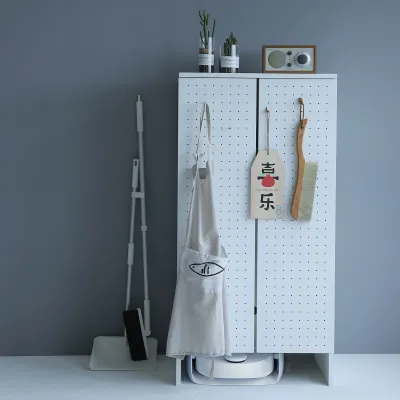
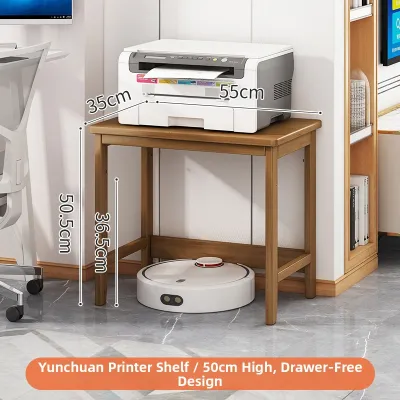
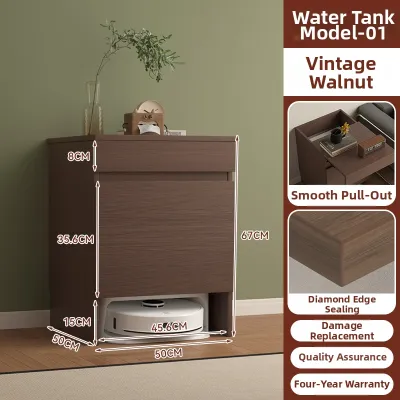
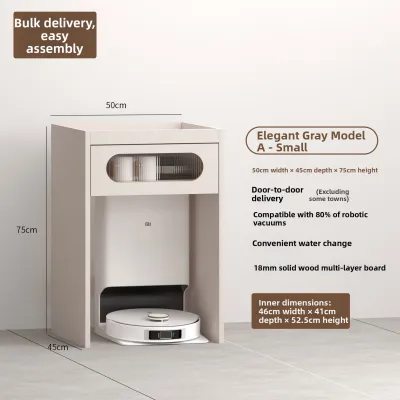
![17r4 [48H Shipping] Trendy Ecovacs Robot Vacuum Cleaner Mobile Storage Cabinet Dreame Cloud Whale Stone Base Station Aquarium Floor Cabinet Tea Bar 1M4N8 M2P8B](https://img.lazcdn.com/g/p/bab519c4dbd65fa2480747b83a70066e.jpg_webp_400x400q80.jpg_.webp)
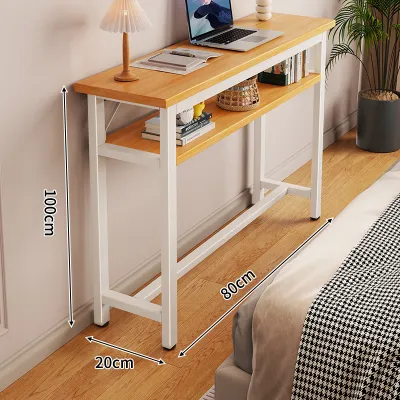
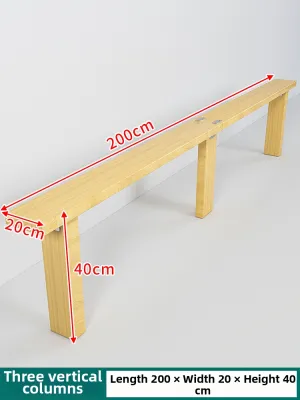
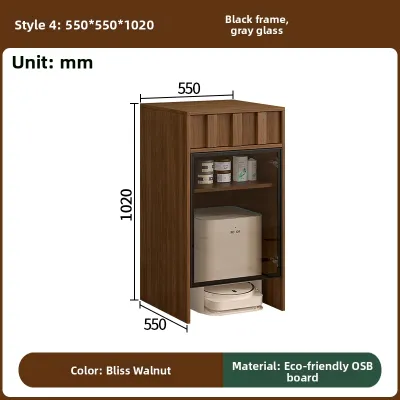
Prices are valid at publication and may change. Please refer to the product page for the latest price.
Do not forget to factor in the thickness of skirting boards, which can prevent a flat-backed cabinet from sitting flush against the wall. If your chosen spot is near a household shelter door or a service yard entrance, measure the swing path of those doors to ensure the cabinet will not block daily foot traffic. Additionally, locate the nearest electrical outlet if you plan to charge a cordless vacuum inside the unit, as this will dictate how close the cabinet must sit to the power source.
Finally, plan the delivery route from your flat’s main entrance to the final installation spot. Narrow corridors, tight turns near the kitchen, and standard HDB lift doors can present significant obstacles for fully assembled furniture. If you are purchasing a pre-assembled cabinet, verify that its external dimensions can clear these tight transitions, or opt for a flat-pack model that you can assemble directly inside the designated room.
Match Internal Dimensions to Your Vacuum Type
When shopping for a vacuum cleaner cabinet, the external dimensions listed on product pages can be highly misleading. The usable internal storage space is always smaller than the outer footprint due to the thickness of the side panels, backboard, and door hinges. For instance, a cabinet with an external depth of 40 cm might only offer 36 cm of actual internal depth, which can make the difference between a door that closes smoothly and one that constantly pops open.

To avoid this issue, measure your vacuum cleaner at its widest, deepest, and tallest points when it is fully assembled and ready for storage. Do not rely solely on the manufacturer’s product dimensions, as these often reflect the main body of the vacuum without its cleaning head, wand, or hose attached.
Upright and Canister Vacuums
Traditional upright and canister vacuums demand a more generous spatial layout than modern cordless sticks. Upright models are typically tall and rigid, requiring a continuous vertical clearance of at least 110 cm to 130 cm so you do not have to disassemble the handle and wand after every cleaning session. Measure the widest part of the floor nozzle to ensure the cabinet floor is wide enough to let the vacuum roll straight in.
Canister vacuums present a different storage challenge because they consist of two separate parts: a heavy wheeled base and a long, flexible hose. You will need a cabinet floor area of at least 45 cm by 45 cm to accommodate the canister body alongside the coiled hose. To prevent the hose from crimping or cracking over time, check the manufacturer’s guidelines for the recommended storage posture, as some models feature dedicated parking clips that hold the wand upright against the canister body.
Cordless Stick Vacuums with Docking Stations
Cordless stick vacuums are highly popular in Singaporean households due to their lightweight design, but mounting them inside a cabinet requires careful depth planning. Most cordless models rely on a wall-mounted docking station that holds the vacuum vertically while charging. When calculating the required cabinet depth, you must add the thickness of the docking bracket and the protruding plug head to the overall depth of the vacuum’s motor housing and dustbin.
A minimum internal depth of 35 cm is generally required for standard stick vacuums, though some high-capacity models with larger dustbins may need up to 40 cm of depth. The vertical clearance must also be sufficient to allow you to lift the vacuum upward and off its dock without hitting the top shelf. Additionally, plan to allocate space on adjacent shelves or door-mounted racks to keep your crevice tools, mattress brushes, and spare filter elements organized and within arm’s reach.
Key Clearance and Safety Requirements
Storing and charging an electrical appliance inside a closed wooden cabinet introduces specific safety considerations that you must address during the planning stage. If your vacuum charges while docked inside the cabinet, heat will naturally dissipate from the battery pack and charger. To prevent heat buildup, ensure there is a ventilation gap of at least 5 cm around the vacuum’s motor unit, or choose a cabinet with a slatted door or pre-drilled ventilation grommets.
Door clearance is another critical factor that affects daily usability. The cabinet doors must be able to open to at least 90 degrees—and ideally 110 degrees—to allow you to retrieve the vacuum without scraping the handle or damaging the door hinges. If your storage nook is located in a tight hallway, standard swing doors might block the entire walkway when opened, making sliding doors or bi-fold doors a much safer and more practical alternative.
You must also ensure that power cords are routed safely from the internal docking station to the external wall socket. Avoid pinching the cord between the cabinet frame and the door, as this can wear down the protective insulation over time and create a fire hazard. If the cabinet does not come with a built-in cable management port, you may need to use a hole saw to create a clean, smooth passage through the back panel, ensuring the edges are sanded to prevent cord chafing.
Space-Saving Cabinet Features for Compact Flats
Maximizing storage efficiency in a compact HDB flat requires looking beyond basic box-shaped wardrobes. Slim-profile cabinets with a width of just 30 cm to 40 cm are excellent for utilizing narrow gaps next to refrigerators or washing machines. These ultra-narrow units keep the vacuum upright and secure while occupying a minimal amount of precious floor area.
Adjustable internal shelving is another invaluable feature for utility storage. By choosing a cabinet with pre-drilled peg holes, you can position shelves at varying heights to store laundry detergents, microfiber cloths, and iron organizers directly above the vacuum cleaner. This vertical zoning ensures that no vertical space is wasted, even if your vacuum only takes up the lower half of the cabinet.
For homes where space in front of the cabinet is extremely limited, such as narrow service yards or entryways, consider alternative door mechanisms. Bi-fold doors fold back on themselves to reduce the projection into the room by half, while sliding doors eliminate forward door swing entirely. If you prefer an open-concept look or need instant access, a heavy-duty curtain or a simple roll-up fabric screen can keep your cleaning tools hidden without requiring any door clearance at all.
Common Sizing Mistakes to Avoid
One of the most frequent mistakes homeowners make is measuring their vacuum cleaner when it is completely stripped of its accessories. Always measure the unit with its most frequently used cleaning head and dustbin attached, as these components often extend the overall depth and width significantly. If your vacuum features a telescopic wand, measure it at your preferred operating height to avoid having to collapse the wand every time you put it away.
Another common oversight is ignoring the swing radius of the cabinet doors in relation to nearby walls and furniture. A cabinet might fit perfectly into a corner, but if a nearby wall prevents the door from opening wide enough, you will struggle to maneuver a heavy canister vacuum out of the storage compartment. Always map out the door swing on your floor using masking tape before finalizing your purchase.
Lastly, do not assume that standard bedroom wardrobes are a universal fit for utility storage. Wardrobes are typically designed with a depth of 60 cm to accommodate hanging clothes, which can be unnecessarily deep for a slim stick vacuum, leading to wasted space behind the appliance. Conversely, shallow shoe cabinets may lack the internal height and structural stability required to support a heavy, wall-mounted cordless vacuum dock safely.
Frequently Asked Questions (FAQ)
Can I install a vacuum cabinet inside an HDB household shelter?
Yes, you can place a vacuum cabinet inside an HDB household shelter, but you must adhere to strict safety guidelines. The shelter’s heavy steel door and ventilation openings must remain completely unobstructed and fully operational at all times to ensure emergency readiness. You are strictly prohibited from drilling, nailing, or mounting anything directly into the reinforced concrete walls or the steel door of the shelter, as this compromises its structural integrity. Instead, choose a sturdy, freestanding cabinet that sits securely on the floor without requiring wall anchors. Since household shelters typically do not feature built-in electrical sockets, you will need to charge your vacuum elsewhere or route an extension cord safely through the door gap only during active charging, ensuring the door is not forced shut over the cable.
How much extra space is needed for the power cord and hose?
To prevent damage to your vacuum’s components, you should plan for a physical buffer of at least 10 cm to 15 cm of extra width and depth beyond the vacuum’s base measurements. Flexible hoses on canister vacuums should never be bent at sharp angles or tightly coiled, as this can cause the plastic to split or lose its suction seal over time. Utilizing door-mounted utility hooks or dedicated hose cradles inside the cabinet can help keep the hose loosely looped and off the floor, preserving its lifespan. For power cords, leaving a small clearance of 5 cm behind or beside the vacuum body ensures you can wrap the cord around the machine’s integrated cord hooks without it pressing tightly against the cabinet walls or getting caught in the door hinges. Always refer to your vacuum’s instruction manual for any specific storage orientations recommended by the manufacturer.

Community discussion
Share your experience or ask a question. Comments are reviewed before publication.