
When shopping for a recliner in Singapore, comfort is often the single most important factor driving your decision. However, because independent, standardized comfort testing is rarely available for specific furniture brands, it is impossible to definitively declare the Univonna recliner superior or inferior to other popular brands on the market. The most suitable choice depends entirely on your unique body type, support preferences, and the physical constraints of your living space.
To make an informed investment, you need a structured approach that goes beyond showroom marketing claims. This guide provides a practical evaluation framework to help you fairly compare Univonna recliners against competing options available in Singapore. By focusing on verifiable build quality, ergonomic fit, and overall value, you can confidently select a recliner that delivers long-term comfort and durability.
Defining Your Comfort Baseline Before Comparing
Before stepping into a showroom or browsing online marketplaces, you must establish your personal comfort baseline. Start by identifying how you intend to use the recliner most frequently. A chair primarily used for reading or watching television requires a different support profile and recline angle than one intended for long afternoon naps. If you plan to sleep in the recliner, look for models that offer a deep recline angle, approaching a near-flat position, to distribute your body weight evenly.
Products mentioned in this guide
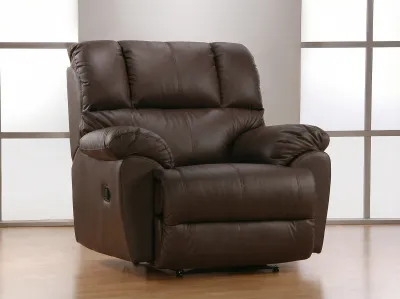
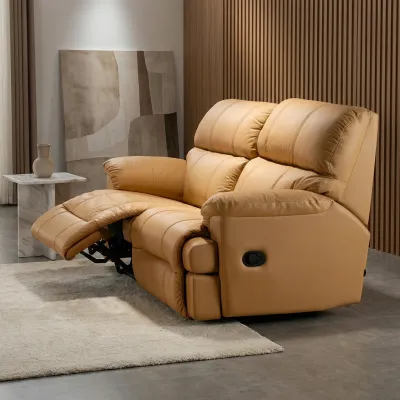
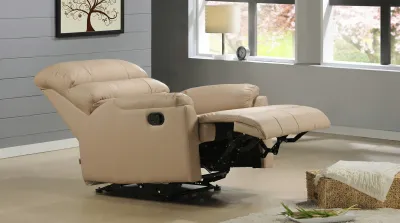
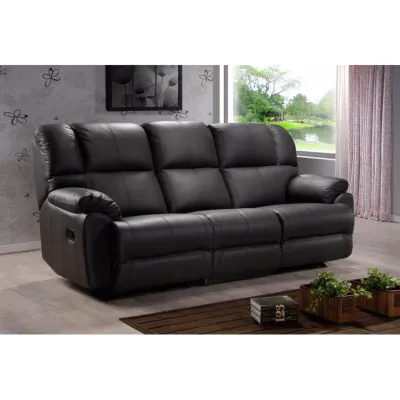
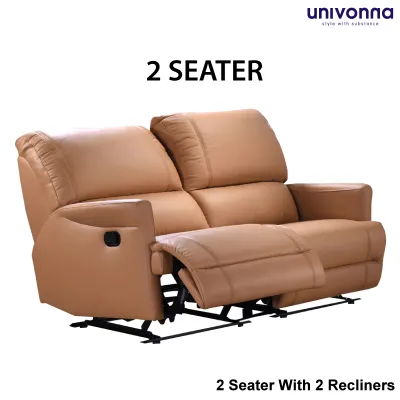
![[Free Assembly] Univonna Denise Recliner Sofa | Premium Half Leather & PU Leather Options | Manual Reclining Sofa | Custom Colors & Fast Delivery](https://img.lazcdn.com/g/p/8cc87ac88ff6b9995c7f05f6858c0792.jpg_400x400q80.jpg_.webp)
Prices are valid at publication and may change. Please refer to the product page for the latest price.
Next, consider your specific ergonomic needs. If you experience lower back stiffness or neck strain after sitting, prioritize models with pronounced, adjustable lumbar support and dedicated neck alignment features. Some users may also benefit from power-assist features, such as lift mechanisms that gently tilt the chair forward to help you stand up without straining your knees or back.
Finally, determine your preferred cushion firmness. Firmness is highly subjective and directly impacts your mobility. While plush, sink-in cushions offer immediate, cloud-like comfort, they can make it difficult to stand up and may lack the structural support needed for extended sitting. Firmer cushions, on the other hand, keep your spine properly aligned and make exiting the chair much easier, which is particularly beneficial for older adults or individuals recovering from injury.
Evaluating Cushioning and Ergonomic Support
Once you have defined your personal baseline, you can begin physically testing recliners in showrooms. The first step is to evaluate the cushion density and recovery. Press your hand firmly into the center of the seat cushion and release it. High-density foam or pocketed spring systems should rebound quickly to their original shape. If the cushion feels hollow, bottoms out easily, or takes several seconds to recover, the foam may degrade rapidly under daily use, leading to sagging and loss of support.

Next, sit in the recliner and assess the alignment of the built-in headrest and lumbar support. The lumbar support should nestle comfortably into the natural curve of your lower spine. If the support feels too high, too low, or non-existent, it can force your back into an unnatural posture, causing fatigue over time. If the model features an adjustable headrest, test its range of motion to ensure it supports your head comfortably whether you are sitting upright or fully reclined.
Do not overlook the footrest extension. When you activate the footrest, it should extend fully to support your calves and ankles without leaving your feet dangling unsupported. Pay close attention to the area directly behind your knees; the transition between the seat cushion and the footrest should be smooth. Any hard edges or tight gaps that press uncomfortably against the back of your knees can restrict blood circulation and cause discomfort during long sitting sessions.
Comparing Build Quality and Material Durability
A comfortable recliner is only a good investment if it is built to last. To assess structural integrity, you must inspect the reclining mechanism. Operate the mechanism multiple times, whether it is a manual latch, a push-back system, or an electric power button. The movement should be smooth, quiet, and consistent. Any squeaking, grinding noises, or jerky transitions suggest poor alignment or low-grade metal components that may wear out prematurely.
Next, look beyond the surface materials by checking the product tags and manufacturer specifications. Frame construction is critical for long-term stability. Look for frames constructed from solid hardwood or reinforced steel, which offer superior durability and higher weight capacity limits compared to frames made primarily of thin particleboard or engineered wood. If the weight capacity is not listed on the product tag, ask the showroom consultant to verify it from the manufacturer’s technical sheet.
Finally, evaluate the durability of the upholstery. If you prefer leather, check whether the recliner uses full-grain, top-grain, or synthetic leather, as this affects both breathability and wear resistance in Singapore’s humid climate. For fabric recliners, look for performance fabrics that resist stains and moisture. Check if the manufacturer provides rub test ratings, such as the Martindale method, on the product specifications. A higher rub count indicates better resistance to the daily friction of sitting and standing.
Assessing Space Requirements and Clearance
In Singapore, where residential space in HDB flats and condominiums is often limited, physical dimensions are just as important as comfort. Before purchasing any recliner, you must measure your living room carefully. Start by checking the required wall clearance. Traditional recliners need to be placed a significant distance away from the wall to allow the backrest to tilt backward. If space is tight, look for “zero-wall” or “wall-hugger” designs that slide forward on a track as they recline, minimizing the clearance needed behind the chair.
You must also calculate the total footprint of the recliner when it is fully extended. Measure the distance from the back of the chair to the tip of the extended footrest. Ensure that this fully extended footprint does not block primary walkways, obstruct access to power outlets, or interfere with other furniture like coffee tables or television consoles.
Finally, plan for the delivery process. Many homeowners overlook the packaged dimensions of the recliner, leading to delivery failures on arrival. Measure the width and height of your building’s elevator, the clearance of your corridors, and the dimensions of your main entryway and internal doorways. Compare these measurements against the manufacturer’s packaging specifications to ensure the delivery team can safely transport the recliner into your home without damaging your walls or the chair itself.
Weighing Price, Warranty, and After-Sales Value
Comparing the value of a Univonna recliner against other brands requires looking at the total cost of ownership, which includes the purchase price, warranty terms, and after-sales services. When reviewing warranties, pay close attention to how the coverage is structured. Manufacturers often split warranties into different categories: a long-term warranty for the frame, a medium-term warranty for the reclining mechanism or electric motor, and a shorter warranty for the upholstery and foam. A brand that offers a comprehensive warranty on the mechanical parts provides better long-term value than one that only covers the frame.
Be sure to factor in all additional costs associated with the purchase. In Singapore, the initial price tag on the showroom floor may not include delivery fees, assembly charges, or disposal services for your old sofa. Ask the retailer for a complete, transparent breakdown of these fees upfront. These additional charges can vary significantly between retailers and can quickly close the price gap between different brands.
Lastly, review the retailer’s return, exchange, and repair policies. Because a recliner’s comfort can feel very different after a few hours of continuous use at home compared to a brief test in a showroom, knowing your options is crucial. Check if the retailer offers a trial period, allows exchanges for comfort-related dissatisfaction, or provides local repair services if a mechanical component fails after the warranty period has expired.
Decision Framework: When to Choose Univonna vs. Alternatives
To finalize your decision, synthesize your findings into a clear choice framework. You should choose a Univonna recliner if your showroom testing confirms that its cushion firmness, lumbar support, and recline angles align closely with your personal comfort baseline. It is an excellent choice if the model’s physical dimensions fit comfortably within your living room layout without blocking walkways, and if the aesthetic design complements your existing home decor.
Conversely, you should look at alternative brands if you require highly specialized features that are not available in the Univonna lineup. This includes specific medical-grade power-lift mechanisms, advanced zero-gravity recline settings, or more extensive mechanical warranties. You might also choose alternatives if your living space strictly demands an ultra-compact wall-hugger design that fits a very narrow layout.
If you are purchasing a recliner online without the opportunity to test it in person, exercise caution. Ensure that the online retailer has a clear, flexible return or exchange policy that protects you if the chair does not meet your comfort expectations. Always verify the exact specifications, frame materials, and warranty terms on the product listing before finalizing your purchase.
Frequently Asked Questions (FAQ)
Do zero-wall-clearance recliners compromise on comfort?
Zero-wall-clearance recliners use a specialized track mechanism that slides the entire seat forward as the backrest tilts backward, allowing the chair to sit very close to the wall. While this design is highly space-efficient, the shifting pivot point can sometimes alter the alignment of the lumbar support relative to your spine during the transition. To ensure comfort is not compromised, pay close attention to how the lower back support feels as the chair moves, and test both traditional and zero-wall models in person to compare the transition smoothness.
How can I test a recliner's durability before buying?
To test a recliner’s durability in a showroom, start by cycling the reclining mechanism at least five to ten times to ensure it operates smoothly without squeaking or catching. While sitting in the chair, gently shift your weight from side to side to check for any wobbling or instability in the frame. Finally, closely inspect the quality of the stitching, the alignment of the seams, and the tension of the upholstery around the moving joints, as neat, tight construction is a strong indicator of careful manufacturing and long-term wear resistance.

Community discussion
Share your experience or ask a question. Comments are reviewed before publication.