
Selecting the right firmness for a seahorse hecom mattress requires looking beyond simple labels like “hard” or “soft” and understanding how the mattress’s internal construction translates to physical support. Because individual sleep preferences, body mechanics, and sleeping positions vary, finding the ideal match involves decoding the structural specifications of each model. This guide provides a practical framework to help you evaluate the Seahorse Hecom lineup, compare material layers, and make an informed decision that supports your body comfortably night after night.
Identifying Available Seahorse Hecom Firmness Options
When shopping for a seahorse hecom mattress, the first step is to verify the current model lineup directly through the official brand website or authorized local retailers in Singapore. Mattress manufacturers frequently update their product names, introduce new iterations, and adjust regional availability, meaning that third-party reviews or older forum posts might reference discontinued models. To get the most accurate information, look for the official specification sheets or product tags associated with each model.
Brands typically categorize mattress firmness on a numerical scale or through descriptive tiers ranging from soft to extra firm. On product tags or online specification tables, these details are often listed under “firmness rating” or “comfort level.” However, it is crucial to distinguish between subjective marketing terms and the actual structural feel of the mattress. A model marketed as “medium-firm” by one retailer might feel significantly firmer to a lighter sleeper, while a heavier sleeper might find it offers less support than expected. Always look for objective material details rather than relying solely on marketing adjectives.
Products mentioned in this guide
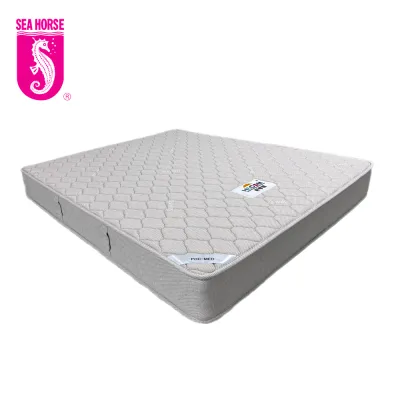
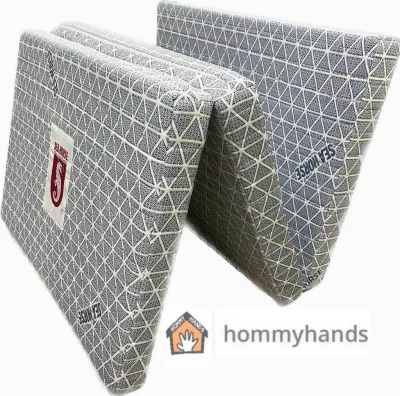
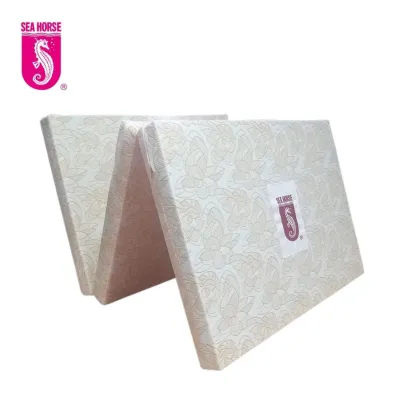
Prices are valid at publication and may change. Please refer to the product page for the latest price.
Decoding the Specifications: What Drives the Firmness Differences
The true feel of a seahorse hecom mattress is determined by its internal engineering, specifically the relationship between the core support system and the comfort layers. The core support system—whether it consists of high-density foam, pocketed coils, or continuous springs—establishes the baseline support, overall stability, and motion isolation of the mattress. A robust core prevents deep sinking and ensures that the mattress maintains its structural integrity under weight, which is particularly important for edge stability when sitting or sleeping near the perimeter.

Above this core support system lie the comfort layers, which directly alter the surface feel without compromising the underlying support. These layers may include varying densities of polyurethane foam, memory foam, latex, or quilted pillow-tops. For instance, a model with a thick, low-density foam comfort layer will offer a plush, contouring sensation, whereas a model with a thin, high-density comfort layer will feel noticeably firmer and more responsive.
To understand why one Hecom model feels different from another, compare the thickness and material composition of these top layers. A thicker comfort layer provides more pressure relief for sensitive joints but may reduce the immediate sensation of the firm core. Conversely, a mattress with minimal comfort padding brings your body closer to the rigid support core, resulting in a highly firm sleeping surface. Checking these material specifications helps you predict the mattress’s behavior before you ever lie down on it.
Matching Firmness to Your Sleep Profile and Body Mechanics
Your ideal mattress firmness is heavily influenced by your primary sleeping position and how your body weight interacts with the mattress materials. Side sleepers generally require a slightly softer surface or a thicker comfort layer to allow the shoulders and hips to sink in, which relieves pressure points and keeps the spine aligned. Back and stomach sleepers, on the other hand, need a firmer surface to prevent the hips from sagging too deeply, which can strain the lower back and disrupt natural spinal alignment.
Body weight plays an equally critical role in how firmness is perceived. Heavier individuals exert more downward force, compressing soft comfort layers quickly and potentially bottoming out against the support core. For these sleepers, a firmer mattress or one with a highly dense support system is necessary to maintain proper alignment. Lighter individuals do not compress comfort layers as easily, meaning a mattress rated as “medium” might feel exceptionally firm to them, necessitating a softer model to achieve adequate pressure relief.
For couples sharing a bed, selecting a firmness level requires additional coordination. If you and your partner have different firmness preferences, look closely at the motion transfer specifications of the mattress; pocketed coil systems or high-density foam cores generally isolate movement better, preventing one person’s movements from disrupting the other. You should also check if the retailer offers dual-firmness options or customizable split models, which allow each side of the bed to be tailored to individual sleep profiles.
Practical Pre-Purchase Checks for Your Bedroom
Before finalizing your purchase of a seahorse hecom mattress, perform several practical checks to ensure the physical product fits your home and lifestyle. Start by measuring your existing bed frame’s interior dimensions to confirm a precise fit, and check the height of your headboard against the thickness of the mattress, especially if you are choosing a model with a thick pillow-top. Additionally, measure the clearance of your doorways, stairwells, and lift access in your Singapore home to guarantee the delivery team can safely transport the mattress to your bedroom without damage.
Next, verify the manufacturer’s weight capacity limits and recommended bed base compatibility for the specific model you are considering. Using an incompatible slatted frame or exceeding the weight limit can compromise the mattress’s firmness, accelerate wear, and potentially void the warranty. Finally, carefully review the retailer’s trial period, return policies, and warranty terms. A comprehensive sleep trial is one of the most effective ways to mitigate the risk of choosing the wrong firmness, giving your body several weeks to adjust to the new support structure in your own home.
Frequently Asked Questions (FAQ)
How can I test the firmness if I am buying online?
If you are purchasing online without visiting a physical showroom, take advantage of the retailer’s sleep trial period, which allows you to test the mattress in your home for a set number of days. Additionally, read verified customer reviews, specifically filtering for comments from sleepers who share your body type and preferred sleeping position. You can also check if the online retailer partners with local showrooms or display centers where you can physically experience the material feel before ordering.
Will a Seahorse Hecom mattress soften over time?
Yes, almost all mattresses undergo a natural break-in period during the first few weeks of use, during which the foam and comfort fibers adjust to your body weight and soften slightly. This initial softening is normal and should not be confused with structural sagging or core failure. To ensure even wear and maintain the intended firmness level over time, rotate the mattress 180 degrees every few months according to the manufacturer’s care instructions.

Community discussion
Share your experience or ask a question. Comments are reviewed before publication.