
Finding the right under-bed storage boxes for a compact Singapore bedroom requires balancing physical space constraints with environmental factors like high humidity. In typical high-density housing where floor space is at a premium, utilizing the void beneath your bed frame is one of the most effective ways to declutter. However, a successful setup depends entirely on precise measurements, selecting materials that resist moisture, and choosing a mobility style that matches your flooring. By focusing on verification steps rather than generic product claims, you can secure a storage solution that fits perfectly and protects your belongings over the long term.
Assessing Your Bed and Space Constraints
Before purchasing any storage container, you must conduct a thorough physical assessment of your bed frame and the surrounding bedroom layout. Start by measuring the vertical clearance from the floor to the lowest point of the bed frame. Do not rely on the manufacturer’s listed bed height, as support beams, decorative lips, or sagging mattresses can significantly reduce the actual usable clearance. Measure this height at multiple points along the perimeter and center of the bed to account for any unevenness in your flooring or frame construction.
Next, map out the horizontal footprint available beneath the bed. Note the positions of all support legs, center crossbars, and corner posts, as these structural elements divide the under-bed area into distinct zones. If you have a queen or king-sized bed, a central support leg is highly common, meaning you cannot simply slide a single wide container from one side to the other. Measure the width and depth of each individual open pocket to determine the maximum allowable dimensions for each storage unit.
Products mentioned in this guide
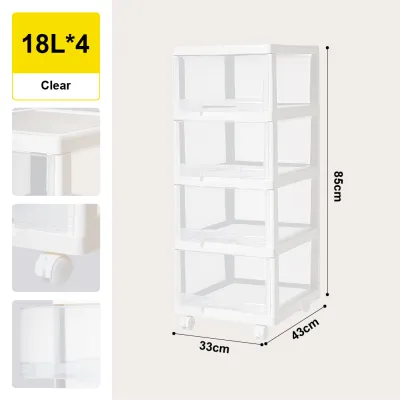
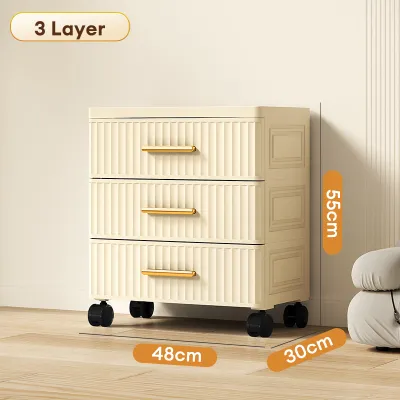
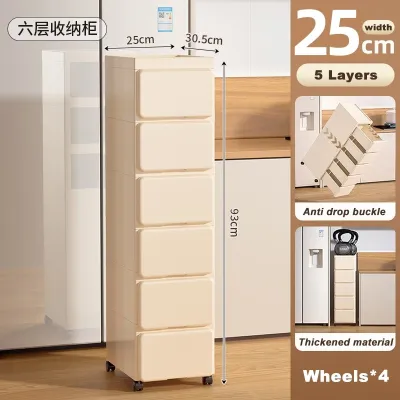
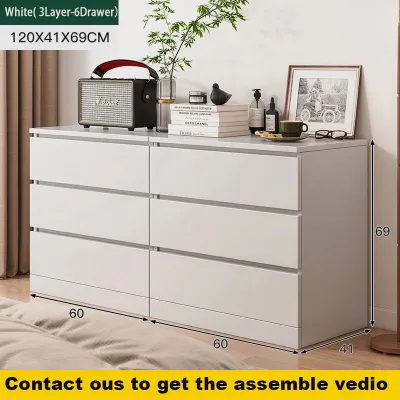
Prices are valid at publication and may change. Please refer to the product page for the latest price.
Beyond the bed itself, evaluate the clearance required to pull the storage units out. In compact Singapore bedrooms, the distance between the side of the bed and the adjacent wall or wardrobe is often narrow. Ensure that you have sufficient floor clearance to fully slide out a drawer or roll out a bin without hitting other furniture. If space is exceptionally tight, you may need to opt for modular, smaller boxes that can be lifted out at an angle rather than long, rigid drawers that require a wide clearance path.
Do not overlook the logistical path from your home’s entrance to the bedroom. If you are considering large, fully assembled wooden under-bed drawers or heavy plastic trunks, verify that they can easily pass through your front door, hallway corridors, and bedroom doorways. For those living in high-rise apartments, check the dimensions of your estate’s lift and any tight staircase turns to prevent delivery complications.
Finally, examine your bedroom flooring material. Hard surfaces like vinyl, laminate, parquet, or ceramic tiles are highly compatible with wheeled storage units, but they are also susceptible to scratching if the wheels are made of hard, cheap plastic. If you have delicate timber parquet, look for units with soft rubber or polyurethane wheels, or plan to lay down a thin, protective floor runner. For carpeted floors, wheels can sink and create high friction, which requires a different approach to mobility and container selection.
Recommended Storage Types by Bedroom Need
Selecting the right category of under-bed storage depends on how often you need to access your items, what you plan to store, and the specific layout of your sleeping area. Different designs offer distinct trade-offs in terms of dust protection, structural strength, and ease of movement.

Wheeled Drawers and Bins
Wheeled drawers and rolling bins are the most practical choice for items you need to access on a regular basis, such as daily wear, extra pillows, or children’s toys. Because they roll directly on the floor, they eliminate the need for heavy lifting and allow you to slide the storage unit out with minimal effort. This mobility is particularly beneficial in tight spaces where you need to quickly retrieve items and slide the container back into place.
When evaluating wheeled options, pay close attention to the wheel assembly and track durability. Look for multi-directional caster wheels that allow for smooth lateral movement, especially if you need to maneuver the bin around bedside tables. Check the manufacturer’s specifications for wheel locking mechanisms to ensure the drawer remains stationary when not in use. Additionally, verify the maximum weight capacity of the rolling unit; overloading a wheeled drawer can warp the base, cause the wheels to bind, or leave permanent indentation marks on soft vinyl or wood flooring.
Fabric Storage Boxes with Lids
Fabric storage boxes and soft-sided organizers are highly suited for compact bedrooms where vertical clearance is extremely limited or irregular. Because fabric is naturally flexible, these containers can slightly compress to fit under low-clearance bed frames where rigid plastic or wood would scrape or fail to fit entirely. They are ideal for storing seasonal bedding, winter clothing reserved for travel, and lightweight linens that do not require a rigid protective shell.
To ensure longevity, check the product label for structural reinforcements such as integrated cardboard or plastic internal frames that prevent the box from collapsing when empty. Look for models featuring robust, dust-proof zippers that seal the compartment completely, protecting your textiles from dust mites and airborne particles. Furthermore, inspect the handle stitching; reinforced, double-stitched handles are essential for pulling a fully packed fabric box from under the bed without tearing the material.
Rigid Plastic and Wooden Trunks
For heavy-duty storage or long-term preservation of fragile items, rigid plastic containers and wooden trunks offer the highest level of physical protection. These hard-shell units prevent contents from being crushed under the weight of a sagging mattress and allow you to stack multiple units securely if your bed clearance permits. They are excellent for books, heavy documents, spare electronics, or keepsake items that must remain perfectly flat and undisturbed.
When choosing rigid containers, verify the exact exterior height against your bed frame’s lowest clearance point, leaving a safety margin of at least two centimeters to prevent scraping the underside of the frame. For plastic bins, look for secure latching lids that create a tight seal against dust and pests. For wooden trunks, check the finish and joint construction to ensure there are no rough edges or protruding nails that could scratch your flooring or snag your bed skirt. Ensure the material specifications indicate adequate ventilation or moisture-barrier properties to suit your specific storage environment.
Key Features to Check Before Buying
To avoid the frustration of purchasing storage units that do not fit or fail prematurely, you must carefully evaluate product specifications and labels against your home’s specific conditions. Never rely solely on promotional images, which often depict spacious, idealized bedrooms that do not reflect the reality of compact Singapore apartments.
First, perform a strict dimension check. Compare the manufacturer’s listed exterior dimensions—including any protruding handles, wheels, latches, or lid lips—against your measured bed clearance. It is critical to leave a practical safety margin of at least two to three centimeters in height and width. This tolerance accounts for minor floor unevenness, slight sagging of the mattress base under weight, and the natural angle at which you pull the container out. A unit that fits with zero clearance will inevitably scrape your bed frame, damage your floors, or become wedged.
Second, prioritize moisture resistance and mold prevention by checking material labels and care instructions. Singapore’s tropical, humid climate creates an environment highly conducive to mold growth, particularly in dark, unventilated spaces like the area beneath a bed. If you are choosing fabric boxes, look for breathable materials or those treated with water-resistant coatings, and avoid untreated natural fibers that readily absorb atmospheric moisture. For plastic units, ensure they are made of high-density polyethylene or polypropylene, which are non-porous and easy to wipe down. For wooden units, verify that the wood is fully sealed with a moisture-resistant varnish or lacquer to prevent warping and fungal growth.
Third, review the weight capacity specifications on the manufacturer’s label. Every storage unit has a structural limit, and exceeding it can lead to cracked plastic, torn fabric handles, or broken wheels. Furthermore, consider the load distribution on your floor; a heavily loaded wooden trunk without proper floor protectors can exert concentrated pressure that damages parquet or vinyl tiles over time. If you plan to store heavy items like books or tools, distribute the weight across multiple smaller containers rather than a single large one, ensuring that the combined weight does not compromise your bed frame’s structural integrity or make the units impossible to slide out safely.
Safe Usage and Maintenance Practices
Implementing a regular maintenance routine is essential to protect both your stored belongings and your bedroom environment from the negative effects of dust accumulation and moisture. Because the under-bed area receives very little airflow, it acts as a natural trap for dust, pet dander, and humidity.
To maintain a dry interior and protect your items from mildew, place high-quality moisture absorbers, silica gel packets, or activated charcoal sachets inside every enclosed storage unit. This is particularly important for fabric boxes containing clothing or bed linens. Set a recurring calendar reminder to check these absorbers periodically—typically every two to three months depending on your room’s humidity levels—and replace or reactivate them as soon as they reach capacity.
Additionally, establish a cleaning schedule for the under-bed floor area and the storage units themselves. At least once a season, slide all containers out completely to vacuum the floor, wipe down the exterior of the boxes, and clean any accumulated dust from wheels, tracks, or sliding mechanisms. Keeping wheels free of hair and dust fibers ensures they continue to roll smoothly without dragging and scratching your flooring.
Finally, practice safe loading habits by avoiding the temptation to overstuff your storage units. Forcing a fabric box shut can strain the zippers and seams, leading to sudden tears, while overfilling a plastic bin can cause the lid to bow upward, increasing its height and causing it to scrape against the bed frame. Always distribute weight evenly within each container, placing heavier items at the bottom and lighter items on top, to maintain stability and ease of handling.
Frequently Asked Questions (FAQ)
Can I use wheeled under-bed storage on a carpeted floor?
Yes, you can use wheeled under-bed storage on carpeted floors, but it requires careful selection of the wheel type and size. Small, narrow plastic wheels will sink into the carpet pile, creating significant friction that makes sliding the unit difficult and can wear down the carpet fibers over time. To ensure smooth mobility, look for storage units equipped with larger, wider wheels designed specifically to roll over carpet, or opt for units with smooth, flat plastic runners that slide easily across fabric surfaces. Alternatively, you can place a thin, rigid plastic protective mat under the bed to create a smooth rolling surface for standard wheels.
How do I prevent mold in fabric under-bed storage boxes?
Preventing mold in fabric storage boxes under the bed requires strict moisture control and regular ventilation. Always ensure that any clothing, blankets, or linens are completely dry before placing them inside the storage unit, as even trace amounts of residual moisture from washing or humidity can trigger mold growth in dark spaces. Place several silica gel packets or dehumidifying sachets inside the box, and avoid packing the items too tightly so that some air can still circulate. Finally, pull the fabric boxes out from under the bed every few months on a dry day, open the lids, and allow them to air out in a well-ventilated room or under a fan to disperse any trapped humidity.

Community discussion
Share your experience or ask a question. Comments are reviewed before publication.