
In Singapore’s highly competitive property market, maximizing the square footage of your home is a daily practice. Whether you live in a newly built Housing & Development Board (HDB) Build-To-Order (BTO) flat or a modern condominium, bedroom dimensions have become increasingly compact. Wardrobes fill up quickly, leaving homeowners searching for creative ways to store bedding, seasonal wear, and household essentials. One of the most effective, yet frequently overlooked, areas for expanding your home’s capacity is the empty void directly beneath your bed.
Utilizing this space effectively requires strategic planning. Simply sliding random boxes under the frame can lead to dust accumulation, damaged items, and visual clutter that disrupts the calming atmosphere of your bedroom. By selecting specialized space savers designed specifically for under-bed environments, you can transform this hidden area into an organized, highly functional storage zone. Navigating the unique climate challenges of Singapore while choosing the right storage medium is key to protecting your belongings and maintaining a clean, spacious home.
How to Measure and Choose Under-Bed Storage for Small Bedrooms
Before purchasing any storage containers, taking precise physical measurements of your bed frame and the surrounding bedroom layout is essential. Relying on the general dimensions provided by furniture manufacturers can lead to costly mistakes, as these specifications often omit structural nuances.
Products mentioned in this guide
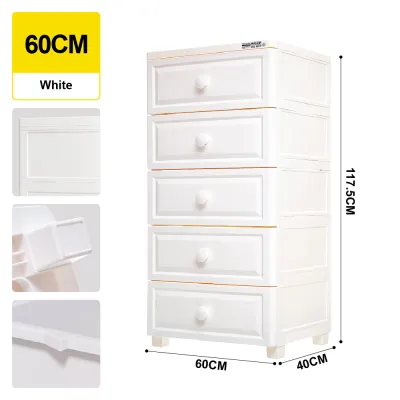
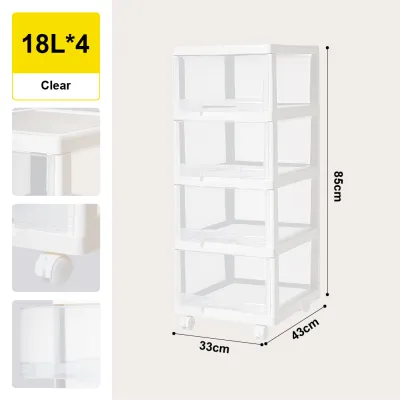
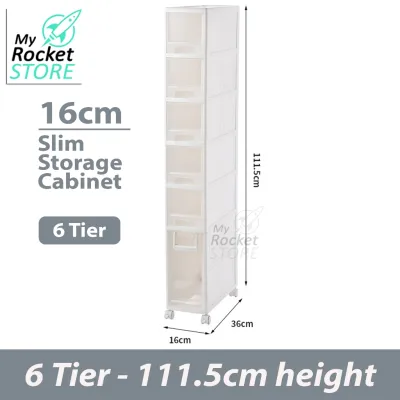
Prices are valid at publication and may change. Please refer to the product page for the latest price.
Measuring bed clearance: To determine the maximum height of your storage containers, measure the distance from the floor to the lowest hanging part of your bed frame. This is rarely the side rail; instead, look for center support beams, wooden slats, or protruding metal brackets that reinforce the frame. Additionally, if you use a pocketed spring mattress or a heavy latex mattress, account for any potential mattress sag when weight is applied. To ensure smooth operation, subtract at least 1.5 to 2 centimeters from your total height measurement to prevent containers from scraping against the bed’s underside. Next, measure the width and depth between the bed legs to establish the maximum footprint of your storage units, taking care to note any middle support legs that split the under-bed space into smaller compartments.
Accessibility and floor space: A common mistake in compact Singapore bedrooms is selecting storage that cannot be physically accessed once installed. Standard BTO common bedrooms often measure around 9 to 10 square meters, meaning the clearance between the edge of the bed and the adjacent wardrobe, wall, or desk is often less than 70 centimeters. If you choose a long, rigid rolling drawer that requires 80 centimeters of clearance to pull out completely, you will find yourself constantly maneuvering around furniture just to retrieve your items. Measure your available walkway clearance before committing to deep drawers or sliding bins.
Material and climate considerations: Singapore’s tropical climate, characterized by high temperatures and relative humidity levels that frequently exceed 80%, presents a major challenge for home storage. Under-bed spaces are particularly prone to stagnant air, making them breeding grounds for mold, mildew, and dust mites. Avoid storing items in raw cardboard boxes or untreated fabric bags, which absorb moisture from the air and transfer it to your clothes or linens. Instead, prioritize non-porous plastics, treated water-resistant fabrics, or powder-coated metal wire baskets. If you prefer wooden storage drawers, ensure they are treated with a high-quality, moisture-resistant sealant or laminate finish.
Aesthetics and visual clutter: In a small bedroom, visual harmony directly impacts how spacious and relaxing the room feels. If your bed frame has an open design without a footboard or side panels, any storage underneath will be visible to anyone entering the room. To prevent a messy, disorganized appearance, choose opaque storage bins in uniform, neutral tones like off-white, light grey, or charcoal. This keeps the contents hidden and maintains a cohesive look. Alternatively, you can install a tailored bed skirt or valance that drapes elegantly to the floor, completely concealing your storage solutions from view.
Best Under-Bed Storage Space Savers for Compact Flats
Selecting the right storage category depends on what you plan to store, how often you need to access those items, and the physical limitations of your bedroom floor plan. Below is a detailed breakdown of the most reliable under-bed storage solutions available for Singaporean homes.

Rolling Storage Bins and Drawers
Best for: Everyday apparel, active footwear, children’s toys, and heavier items like books or fitness gear that require frequent retrieval.
Pros and cons: Rolling storage units offer exceptional convenience, allowing you to slide heavy loads out with minimal physical effort. They keep your items highly organized and easily reachable. However, the wheels or casters themselves add roughly 3 to 5 centimeters to the overall height of the unit, which directly reduces the internal storage depth. They also require dedicated, unobstructed floor space directly adjacent to the bed to roll out smoothly.
Buying checklist: When shopping for rolling bins, inspect the quality of the wheels. For parquet, vinyl, or laminate flooring common in Singaporean homes, opt for soft polyurethane or rubber casters to prevent scratches and scuff marks over time. If your bed sits on a large area rug, look for larger, wider wheels that won’t get stuck in the carpet pile. Always verify that the manufacturer’s height specification includes the wheels and handles, not just the container body.
Vacuum-Sealed and Fabric Storage Bags
Best for: Bulky, seasonal items that you only access occasionally, such as heavy winter coats used for overseas travel, spare duvets, extra pillows, and guest linens.
Pros and cons: Vacuum-sealed bags are highly efficient space savers, compressing fluffy textiles down to a fraction of their original volume. This allows you to store massive amounts of fabric in incredibly tight clearances. The primary drawback is their lack of structural rigidity. Once compressed, these bags can become heavy, awkwardly shaped, and difficult to slide out from deep under a bed without dragging them across the floor, which risks tearing the plastic.
Buying checklist: To protect your investment, choose heavy-duty, multi-layered plastic vacuum bags equipped with double-zip seals and secure, leak-proof valves. For easier handling, look for hybrid options that feature a vacuum bag housed inside a durable, breathable fabric outer case. This outer case should feature reinforced, double-stitched handles on multiple sides and a clear PVC viewing window so you can quickly identify the contents without breaking the vacuum seal.
Modular Stackable Plastic Boxes
Best for: Categorized accessories, paperwork, electronics, spare cables, and delicate items that require rigid protection from dust, pests, and physical crushing.
Pros and cons: Heavy-duty plastic boxes offer the highest level of physical protection for your belongings. Their flat, rigid lids allow you to stack multiple shallow boxes on top of one another, utilizing every millimeter of vertical clearance under your bed. However, because their dimensions are entirely fixed, they offer no flexibility. If your bed frame sags slightly under weight or has uneven slats, a rigid plastic box may become wedged and difficult to slide out.
Buying checklist: Prioritize high-quality polypropylene (PP) plastic boxes that are free from harmful chemical odors. Look for models featuring secure snap-lock latches or integrated silicone gasket seals, which provide an airtight barrier against Singapore’s humid air and common household pests like silverfish. Ensure the boxes have molded, ergonomic handles that are flush with the exterior to maximize space efficiency.
Hydraulic Lift and Built-In Bed Frames
Best for: Homeowners undergoing a renovation or upgrading their furniture, particularly those with extremely tight bedroom layouts where sliding drawers or bins out is physically impossible.
Pros and cons: Hydraulic storage beds utilize the entire footprint of your mattress, offering massive, deep storage capacity that can easily rival a small wardrobe. Because the mattress lifts vertically, you do not need any extra floor space around the sides of the bed to access your belongings. The main trade-offs are the substantial upfront financial investment (often ranging from S$800 to over S$2,500) and the physical effort required to lift and lower the mattress, even with hydraulic assistance.
Buying checklist: Before buying, verify the weight rating of the hydraulic gas struts (measured in Newtons, or N). The struts must be perfectly calibrated to the weight of your specific mattress; if they are too weak, the bed will not stay open, and if they are too strong, the bed will be difficult to close. Look for frames constructed with reinforced steel internal support structures rather than cheap particle board, and ensure the base has a solid, dust-proof floor panel to keep your stored items clean.
Quick Comparison: Which Under-Bed Storage Fits Your Room?
To help you decide which storage solution aligns best with your specific bedroom layout, storage needs, and lifestyle habits, refer to the comparative breakdown below.
| Storage Type | Best For | Accessibility | Moisture/Dust Protection | Floor Space Required to Access |
|---|---|---|---|---|
| Rolling Bins & Drawers | Frequent-use items, toys, shoes, and heavy books | High (smooth sliding action) | Moderate (requires tight-fitting lids) | High (requires clear walkway space equal to bin depth) |
| Vacuum & Fabric Bags | Bulky travel wear, spare duvets, and guest bedding | Low (requires unzipping and re-vacuuming) | High (airtight vacuum seal prevents moisture entry) | Low to Moderate (can be compressed and pulled out flexibly) |
| Stackable Plastic Boxes | Electronics, documents, and organized accessories | Moderate (requires sliding out and unlatching) | High (gasket seals block humidity and pests) | Moderate (requires space to slide out and open lids) |
| Hydraulic Lift Beds | Large suitcases, bulky boxes, and seasonal gear | Moderate (requires lifting the entire mattress) | High (enclosed wooden or fabric frame structure) | None (mattress lifts vertically within bed footprint) |
Practical Tips to Maximize and Maintain Under-Bed Space
Once you have selected and installed your preferred under-bed storage solutions, maintaining the space properly is crucial to ensuring your belongings remain clean, dry, and easily accessible.
Moisture control: In Singapore’s humid climate, trapping moisture inside closed containers is a common recipe for mold growth. Always ensure that newly washed clothes, bedsheets, or travel gear are 100% dry before placing them under the bed. To combat ambient humidity, place several high-capacity silica gel packets, activated charcoal deodorizing bags, or disposable moisture-absorbing tubs inside each storage container. Make a note to check and replace these absorbers every two to three months, especially during the wetter monsoon seasons.
Labeling and inventory: Because under-bed storage is naturally kept out of your direct line of sight, it is incredibly easy to forget what you have stored there. To prevent unnecessary purchases of duplicate items, label the outward-facing side of every storage bin clearly using a label maker or durable adhesive tags. For a more modern approach, maintain a simple digital inventory list on your smartphone, noting exactly which items are stored in each numbered box under the bed.
Using bed risers safely: If your current bed frame sits too low to accommodate standard storage bins, you can use specialized bed risers to elevate the frame by 5 to 15 centimeters. However, safety must be your top priority. Before purchasing risers, check your bed frame’s manufacturer warranty to ensure that elevating the legs does not void it. Choose heavy-duty, wide-base risers made from solid steel or reinforced plastic, and ensure they feature non-slip rubber pads on the bottom to protect your flooring. The bed legs must fit perfectly and securely inside the top cups of the risers, and the bed must remain completely level and stable. Never use risers on beds with caster wheels unless the wheels can be locked securely into place.
Decluttering first: Under-bed storage should be treated as premium, highly organized real estate, not a convenient hiding spot for items you simply do not want to deal with. Before packing anything away, conduct a thorough decluttering session. Sort your items into clear categories: keep, donate, recycle, or discard. Only store items under your bed that serve a genuine purpose or bring value to your life, ensuring that your limited bedroom space remains light, airy, and peaceful.
Frequently Asked Questions (FAQ)
How much clearance do I need for under-bed storage?
While standard bed frames typically provide between 15 and 25 centimeters of clearance, there is no universal standard. You must measure your specific bed frame from the floor to the lowest structural bar or slat. To ensure your storage bins slide in and out smoothly without scratching your floors or scraping the bed frame, choose containers that are at least 1.5 to 2 centimeters shorter than your measured clearance height.
How can I prevent mold and musty smells in under-bed storage?
To prevent musty odors and mold, never store damp or freshly laundered items that still hold trace moisture. Use airtight plastic containers with silicone gaskets, and place silica gel or activated charcoal bags inside. Avoid placing fabric bags directly on the floor where condensation can build up; instead, use a protective liner or low-profile tray. Finally, pull your storage bins out at least once a month to vacuum the floor and let the under-bed area air out.
Are bed risers safe to use on HDB bedroom floors?
Bed risers are generally safe to use on solid HDB concrete, vinyl, or tiled floors, provided they are rated to support the combined weight of your bed frame, mattress, bedding, and the occupants. Always choose risers with wide, slip-resistant bases to distribute weight evenly and prevent indentations on your flooring. Avoid using risers on unstable, lightweight frames, or on beds with unevenly distributed legs, as this can lead to structural failure or tipping.
Community discussion
Share your experience or ask a question. Comments are reviewed before publication.