
The best under-bed storage drawers for small Singapore bedrooms are those that maximize the exact vertical and horizontal clearance under your bed frame while remaining easy to slide out without blocking walkways. In compact HDB flats and condominiums, utilizing the space beneath the bed is one of the most effective ways to declutter. However, success depends on precise measurements, selecting the right wheel or caster types for your flooring, and choosing materials that withstand local humidity.
Many homeowners overlook the physical constraints of their bedroom layouts when purchasing storage solutions. A drawer that looks compact online might require more clearance than your bedside table or wardrobe doors allow. By focusing on structural compatibility, material durability, and ease of access, you can transform an underutilized dust-trap into a highly functional organizational zone.
Measuring Your Bed and Bedroom Clearance
Before browsing online marketplaces or visiting local furniture showrooms, you must establish your bed’s exact physical boundaries. Start by measuring the vertical clearance, which is the distance from the floor to the lowest point of your bed frame. Do not assume this height is uniform across the entire frame; measure at the corners, the center, and near the legs, as some wooden or metal frames sag slightly over time or have low-hanging support slats.
Products mentioned in this guide
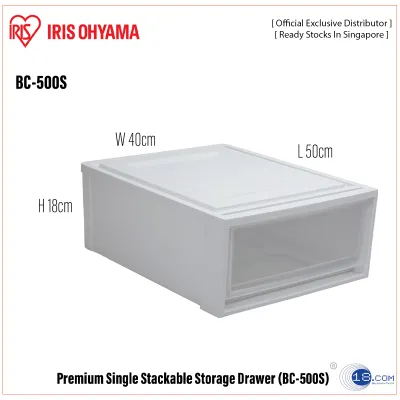
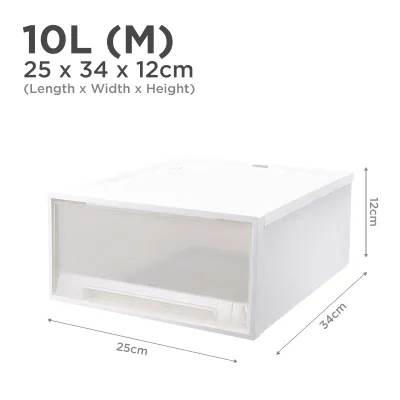
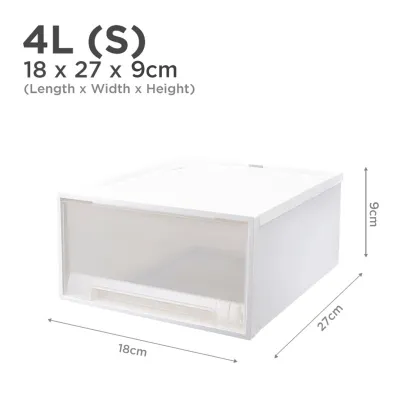
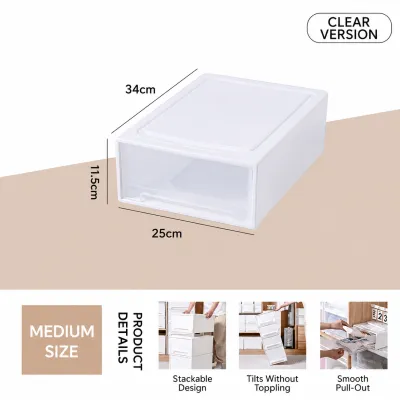
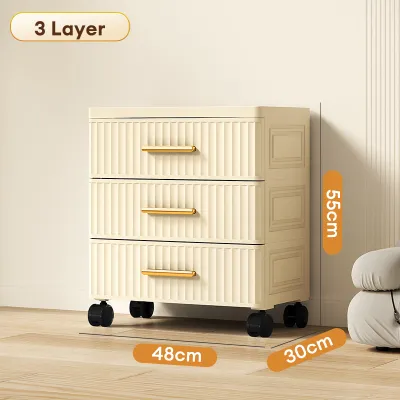

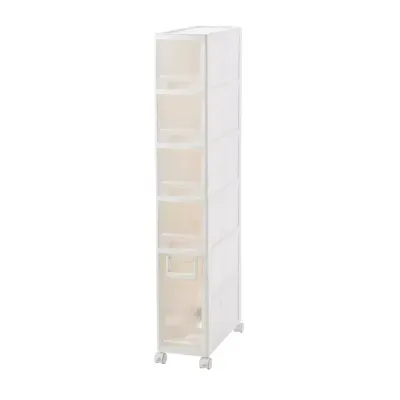
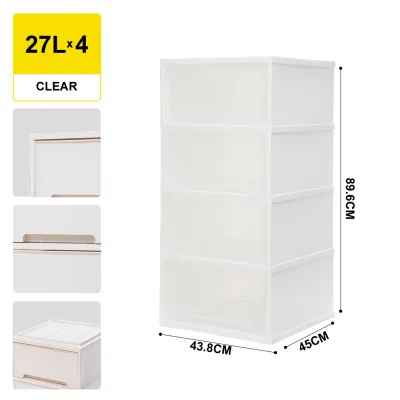
Prices are valid at publication and may change. Please refer to the product page for the latest price.
Next, map out the horizontal obstacles beneath the bed. Most queen and king-sized bed frames feature central support legs or structural beams that divide the under-bed space into separate compartments. Measure the width and depth of these individual sections rather than the overall footprint of the bed. Additionally, account for the thickness of skirting boards along your walls, which can prevent the bed frame from sitting completely flush and reduce your usable storage depth.
Finally, evaluate the open floor space surrounding your bed. A drawer must be able to extend fully to allow easy access to its contents. Measure the distance from the edge of the bed frame to the nearest obstacle, such as a wardrobe, a desk, or a bedroom door. Ensure that when the drawer is pulled out to its maximum length, there is still sufficient space for you to stand comfortably and maneuver without feeling trapped in a narrow walkway.
Essential Features for Small-Space Drawers
The functionality of under-bed drawers relies heavily on their mobility mechanism. For bedrooms with hard flooring like parquet, laminate, or luxury vinyl tiles, look for drawers equipped with soft rubber or polyurethane casters. These materials roll quietly and prevent the wheels from leaving permanent scratch marks or indentations on your floors. If your bedroom has a thick rug or carpet, wider nylon wheels or multi-directional swivel casters are better suited to glide over the textured fibers without snagging.

Dust protection is another critical feature to prioritize. The area directly beneath a bed is a natural collection point for dust bunnies, pet hair, and lint. Drawers with tight-fitting lids, split-hinged covers, or zippered fabric enclosures are essential for keeping your stored linens, clothing, or spare pillows clean. Avoid completely open-topped containers unless you plan to store items that are sealed in vacuum bags or plastic organizers.
Material selection directly impacts both the longevity of the drawers and the safety of your belongings. Molded plastic drawers are highly durable, lightweight, and naturally resistant to moisture, making them an excellent choice for humid environments. Wooden drawers offer a more cohesive, high-end aesthetic that matches your bed frame, but they must be treated with a moisture-resistant sealant to prevent warping. Metal wire baskets provide excellent visibility of your items, but they require fabric liners to prevent dust from settling through the gaps.
Consider the design of the drawer handles as well. In tight bedroom layouts, protruding metal or wooden handles can easily catch on hanging bedsheets, duvets, or your ankles as you walk past. Opt for drawers with recessed pull handles, integrated finger grooves, or low-profile fabric pull tabs. These designs sit flush against the drawer face, minimizing the risk of snagging and maintaining a clean, streamlined look.
Comparing Under-Bed Storage Styles
When selecting your storage setup, you will generally choose between built-in bed frame drawers and freestanding rolling drawers. Built-in drawers are integrated directly into the bed frame’s structure, offering a seamless, polished appearance that conceals your storage entirely. However, these systems are rigid; they cannot be easily modified, require a large amount of clearance to open, and make it difficult to clean the floor directly beneath the bed.
Freestanding rolling drawers offer far greater flexibility for compact bedrooms. Because they are independent of the bed frame, you can mix and match different sizes, pull them out from any side of the bed, or remove them entirely if you decide to rearrange your room. This adaptability is particularly useful for renters who may need to adapt their storage solutions to different bedroom layouts in the future.
Fabric or soft-sided storage bins represent a lightweight, highly flexible alternative to rigid drawers. These bins often feature structured wire frames or cardboard inserts that allow them to hold their shape while remaining slightly compressible. If your bed frame has an irregular clearance height or a slightly uneven floor, fabric bins can squeeze into tight spots where rigid plastic or wooden drawers would jam.
For those planning to store smaller items like socks, accessories, or seasonal garments, divided or compartmentalized drawers are highly beneficial. Some drawers come with built-in dividers, while others can be customized with modular fabric organizer trays. These compartments prevent your items from shifting and sliding to the back of the drawer every time you roll it open or closed, saving you from having to rummage through a disorganized pile.
Building Your Shortlist: Pre-Purchase Checks
Once you have identified a few potential drawer models, it is time to run a series of pre-purchase checks to avoid the hassle of returning bulky items. Begin by cross-referencing the manufacturer’s listed external dimensions against your bedroom measurements. Pay close attention to whether the listed height includes the wheels or casters, as some retailers list only the bin dimensions, leaving you with a drawer that is too tall to slide under your frame once assembled.
Next, check the manufacturer’s specified weight capacity limits. Under-bed drawers are often used to store heavy items like books, winter coats, or spare bedding sets. If you overload a low-capacity drawer, the bottom panel may bow downward, scraping against your floor and preventing the wheels from rolling smoothly. Ensure the drawer’s structural rating aligns with what you plan to store inside it.
Finally, review the practical logistics of delivery and assembly. Many wooden or heavy plastic drawers require self-assembly, which can be challenging in a cramped bedroom with limited floor space. If you live in a high-rise condominium or HDB flat, verify that the packaged product can fit through your doorway and lift access. Additionally, read the retailer’s return policy carefully; returning oversized, heavy furniture items can incur high restocking fees if the product simply does not fit your space.
Setup and Routine Maintenance
Proper setup is essential to protect both your new storage drawers and your bedroom flooring. Before sliding the drawers under your bed for the first time, thoroughly clean the floor to remove any grit, sand, or debris. Even soft rubber wheels can grind small dirt particles into parquet or vinyl floors, leading to unsightly scratches over time. If you notice the wheels dragging or sticking, check them immediately for tangled hair or dust buildup.
Maintaining good air quality and cleanliness under the bed requires a consistent routine. Pull your storage drawers out completely at least once a month to vacuum the floor space and wipe down the drawer exteriors with a damp cloth. This routine prevents dust from accumulating in the hard-to-reach areas behind the drawers and helps maintain a healthier sleeping environment.
Additionally, pay close attention to the placement of your drawers relative to your room’s infrastructure. Avoid pushing drawers directly against floor-level electrical outlets, extension cords, or internet ports, as this can pinch cables or create a fire hazard. Ensure the drawers do not block the airflow from air conditioning units, floor fans, or air purifiers, as proper air circulation is vital for preventing stagnant, humid pockets of air from forming under your bed.
Frequently Asked Questions (FAQ)
Can I use under-bed drawers with a platform bed?
Whether you can use under-bed drawers with a platform bed depends entirely on the design of the platform. Many modern platform beds sit flush against the floor or have a solid plinth base, leaving zero clearance for storage. However, if your platform bed is raised on legs, measure the exact gap between the floor and the underside of the platform. If the clearance is less than 10 centimeters, standard rolling drawers will not fit, and you should look for ultra-low-profile fabric storage bags or vacuum-sealed storage pouches instead.
How do I prevent mold in under-bed storage?
Singapore’s high humidity makes under-bed storage susceptible to mold and mildew, especially since air circulation is naturally restricted beneath a bed. To protect your belongings, place disposable moisture absorbers or reusable silica gel packs inside each drawer, replacing them regularly as they fill with water. Avoid packing the drawers too tightly, as leaving some empty space allows air to circulate. Finally, try to pull the drawers out and open them during dry, air-conditioned hours to let the contents air out.

Community discussion
Share your experience or ask a question. Comments are reviewed before publication.