
Maximizing a compact bedroom in Singapore requires a strategic approach to space optimization. When floor space is at a premium, the area beneath your bed frame represents highly valuable, underutilized real estate. Choosing the right under-bed storage drawers involves more than simply finding containers that fit; it requires a careful balance of precise physical measurements, material resilience against local humidity, and functional design tailored to your specific storage needs. By evaluating these factors systematically, you can transform a cluttered sleeping area into a streamlined, organized sanctuary.
Quick Answer: Core Criteria for Choosing Under-Bed Storage
To select the ideal under-bed storage drawers for a compact bedroom, prioritize three core criteria: physical clearance, material suitability, and mobility mechanics. First, measure the exact vertical clearance from your floor to the lowest point of your bed frame, accounting for any potential mattress sag. Second, match the drawer material to your storage contents and environmental conditions; breathable fabrics or sealed plastics work best for textiles, while reinforced wood or metal suits heavier items. Finally, verify that the drawer’s mobility features—such as multi-directional castor wheels or low-friction glides—are compatible with your bedroom flooring to prevent scratches and ensure effortless access. In Singapore’s humid climate, selecting materials with high moisture resistance and incorporating ventilation or desiccant packs is essential to protect your belongings from mold and musty odors over time.
Step 1: Measure Your Bed Clearance and Floor Space
Before purchasing any under-bed storage, accurate physical measurements are critical to prevent costly delivery mistakes or unusable products. Begin by measuring the vertical clearance, which is the distance from the floor to the lowest edge of the bed frame’s side rails or support slats. Do not rely solely on the manufacturer’s listed bed height, as center support beams, brackets, or sagging mattress bases can significantly reduce the actual clearance. It is wise to subtract at least one to two centimeters from your measured height to allow a safe buffer zone, ensuring the drawer can slide in and out without scraping the underside of the bed.
Products mentioned in this guide
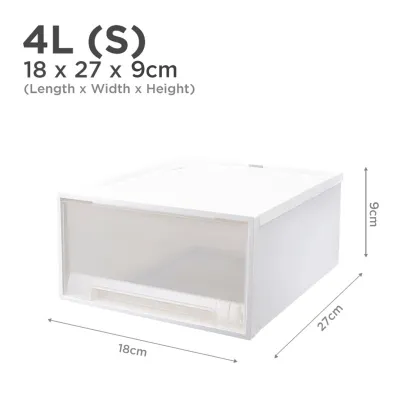
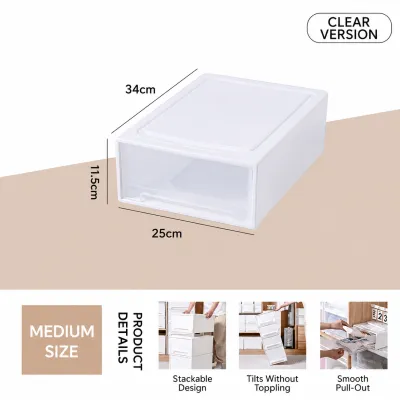
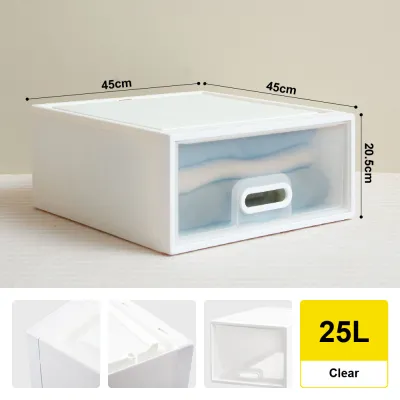
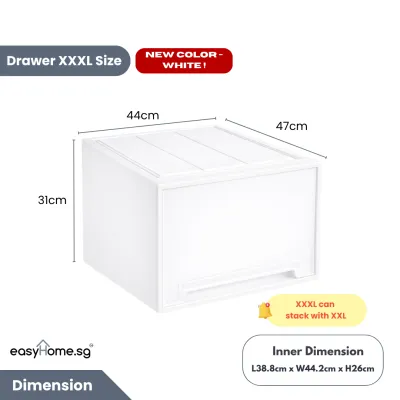
![[HOUZE] MATTE Single Tier Drawer - Stackable | Space Saver [5.5L | 13L | 25L | 35L | 48L]](https://img.lazcdn.com/g/p/108915d4aa02cfe8692de3ab17eac612.jpg_400x400q80.jpg_.webp)
Prices are valid at publication and may change. Please refer to the product page for the latest price.

Next, calculate the available horizontal width and depth beneath the bed. Take note of any structural obstructions, such as middle support legs, corner brackets, or headboard posts, which can segment the under-bed space and limit the maximum size of a single drawer. Additionally, factor in the surrounding bedroom layout. Measure the distance between the edge of the bed and nearby walls, wardrobes, or bedside tables to ensure there is sufficient clearance to pull the drawers out fully. If your bedside tables sit flush against the frame, you may need shorter drawers or a configuration that only utilizes the lower two-thirds of the bed’s length.
Finally, consider the logistics of bringing the storage units into your home. If you are purchasing pre-assembled wooden drawers, measure your apartment’s lift entrance, corridor turns, and bedroom doorways to guarantee the items can be navigated through tight spaces. For flat-pack options, ensure you have a clear, flat assembly area in your bedroom. Taking these preemptive measurements ensures a seamless integration of your new storage system without the frustration of physical misalignment or delivery complications.
Step 2: Match Drawer Types to Your Storage Needs
Different types of clutter require distinct drawer designs to remain organized, accessible, and well-preserved. Matching the structural design of your under-bed drawers to the specific items you plan to store prevents premature wear on the drawers and protects your belongings. For instance, lightweight textiles require dust protection, while heavy books or shoes demand robust load-bearing frames. By categorizing your storage needs beforehand, you can select the optimal combination of materials, closure mechanisms, and mobility features for each use case.
For Seasonal Clothing and Bed Linens
Storing seasonal garments, extra bedsheets, and spare pillowcases requires a focus on preservation and cleanliness. Because these items often remain undisturbed for long periods, they are highly susceptible to dust accumulation and moisture damage.
Enclosure Type: Prioritize enclosed drawer designs featuring secure lids, dust covers, or zippered fabric tops that seal out airborne particles.
Material Breathability: In Singapore’s tropical climate, high relative humidity can quickly lead to mildew and musty smells in enclosed spaces. Look for drawers constructed from breathable materials, such as non-woven fabrics or natural wood with ventilation slots, which promote minimal air circulation. If you opt for completely sealed plastic drawers to block external moisture, ensure you place moisture-absorbing desiccant packs inside and only store items that are entirely dry and clean.
For Everyday Accessories and Small Items
When utilizing under-bed space for daily essentials like socks, activewear, belts, or small accessories, ease of access and internal organization are paramount. Deep, undivided drawers often become chaotic black holes where small items get lost or mixed up.
Internal Organization: To avoid this, select shallow drawers or units equipped with built-in internal dividers and modular compartments that keep items separated and visible.
Glide Mechanisms: Because you will access these drawers daily, the opening mechanism must operate smoothly and reliably. Look for drawers with high-quality ball-bearing runners if they are integrated into the bed frame, or smooth-rolling castor wheels for freestanding units. Ergonomic, easy-pull handles or recessed finger pulls are essential features that allow you to open the drawers quickly without straining your fingers or bending uncomfortably.
For Bulky, Heavy, or Oddly Shaped Items
Storing heavy or bulky items such as books, winter coats, travel gear, or spare footwear places significant physical stress on under-bed drawers. Standard fabric or thin plastic containers will quickly bow, crack, or drag along the floor under heavy loads.
Weight Capacity: For these demanding items, verify the manufacturer’s stated weight capacity and inspect the drawer’s base construction for reinforced panels, thick plywood bottoms, or metal cross-bracing.
Mobility and Floor Protection: Mobility is equally critical when dealing with heavy contents. Freestanding drawers must be equipped with heavy-duty castor wheels or low-friction glides that distribute weight evenly. Opt for wide-tread wheels made of non-marking polyurethane or rubber, which roll smoothly over hard surfaces without scratching delicate parquet, laminate, or vinyl flooring. Reinforced handle attachments are also necessary to withstand the pulling force required to move a fully loaded drawer.
Key Material and Build Features to Verify
Selecting the right material for your under-bed storage drawers directly impacts their durability, aesthetic appeal, and maintenance requirements. Solid wood offers exceptional strength and a classic look, but it is heavy and can warp or expand if exposed to extreme humidity fluctuations. If choosing solid wood, ensure it has been treated with a high-quality, moisture-resistant sealant or lacquer. Engineered wood, such as MDF or particle board, is a highly popular and budget-friendly alternative. However, because engineered wood is vulnerable to moisture absorption, you must carefully inspect the edge banding; fully sealed edges prevent humid air from causing the material to swell or crumble over time.
For a more lightweight and moisture-resistant option, high-density plastic (such as polypropylene) is highly practical. Plastic drawers are impervious to humidity, easy to wipe clean, and generally affordable, though they may lack the premium aesthetic of wood and can flex under extreme weight. Fabric or canvas drawers, often supported by internal wire frames, offer a soft, breathable, and lightweight alternative that is gentle on floors. However, fabric can accumulate dust over time and requires regular vacuuming or spot cleaning to maintain a fresh appearance.
Beyond the primary material, inspect the structural joints and hardware to ensure long-term stability. High-quality drawers utilize doweled, screwed, or dovetailed joints rather than simple staples or glue, which can pull apart under tension. Examine the handle attachments to confirm they are securely bolted through the drawer front rather than merely glued on. Finally, run your hand along the interior surfaces to check for a smooth, snag-free finish that won’t damage delicate fabrics, and look for rounded exterior edges to minimize the risk of painful toe stubs in tight bedroom walkways.
Purchasing, Delivery, and Assembly Checks
Before finalizing your purchase from an online furniture retailer or physical showroom, carefully review the return policies, exchange terms, and warranty coverage. Under-bed drawers are highly prone to fitment issues, so ensuring the retailer offers a flexible return or exchange policy in case of measurement errors is a crucial safety net. Additionally, check if the product requires self-assembly or if professional installation is included. If assembling the unit yourself, download the instruction manual beforehand to verify you have the necessary tools and that the process is manageable within your space.
Upon delivery, conduct a thorough inspection of all components before beginning assembly. Check wooden panels for cracks, chips, or water damage, and inspect plastic or fabric units for tears, warping, or missing hardware. Once assembled, place the drawer in its designated position under the bed to test its performance on your actual flooring. Load the drawer with a realistic amount of weight and slide it in and out several times. Verify that it rolls in a straight line, clears the bed frame with ease, and does not scrape, scratch, or leave marks on your floor surface. Identifying any alignment or clearance issues early allows you to address them with the retailer before the return window closes.
Frequently Asked Questions (FAQ)
Can I use under-bed storage drawers on a carpeted floor?
Yes, you can use under-bed storage drawers on carpeted floors, but you must select the correct mobility mechanism to prevent dragging. Standard small, narrow plastic wheels will sink into the carpet pile, creating high rolling resistance and potentially tearing the carpet fibers over time. Instead, look for drawers equipped with larger, wider castor wheels designed specifically to roll over carpet, or opt for units with wide, low-friction plastic glides that slide smoothly across the surface. If your bedroom has particularly deep or plush carpeting, placing a thin, rigid protective floor mat under the bed can provide a smooth, stable surface for the drawers to roll on, ensuring effortless access.
How do I prevent mold or musty odors in under-bed drawers?
Preventing mold and musty odors in under-bed drawers is essential in humid environments like Singapore. Start by ensuring that every item is completely clean and thoroughly dry before storing it, as even trace amounts of moisture or organic residue can trigger mold growth. Avoid overpacking the drawers, as leaving some empty space allows air to circulate freely. Periodically pull the drawers out and leave them open on dry, sunny days to air out. Additionally, place active moisture absorbers, such as silica gel packets, activated charcoal bags, or small dehumidifier tubs, inside the drawers, and remember to replace or regenerate them regularly according to the manufacturer’s instructions.
Are under-bed storage drawers better than vacuum storage bags?
Under-bed storage drawers and vacuum storage bags serve different organizational purposes, and the best choice depends on what you are storing. Drawers offer superior accessibility, structural protection, and neat organization, making them ideal for items you need to access regularly or items that require rigid protection, such as shoes, books, or daily accessories. Vacuum storage bags are highly effective at maximizing vertical space by compressing soft, bulky items like spare duvets, pillows, or winter coats. However, vacuum bags make frequent access highly inconvenient, as you must reseal and vacuum them after each use. Furthermore, prolonged vacuum compression can permanently damage delicate natural fibers, down feathers, leather, or structured garments by crushing their shape and trapping residual moisture.
Community discussion
Share your experience or ask a question. Comments are reviewed before publication.