
When floor space is at a premium in HDB flats and condominiums, finding the right drawers storage cabinet that fits seamlessly under your bed frame can instantly unlock several square meters of hidden storage. Utilizing this often-overlooked area is one of the most effective ways to declutter a compact bedroom without sacrificing valuable floor space. Instead of letting the space beneath your bed collect dust, a well-chosen storage unit turns this dead zone into an organized, easily accessible extension of your wardrobe.
Selecting the ideal under-bed storage setup requires a careful balance of dimensions, accessibility, and material durability. Because Singapore’s tropical climate brings high humidity, selecting the wrong materials or failing to measure your space accurately can lead to mold issues, scratched floors, or drawers that simply do not open. This guide breaks down the best types of under-bed drawer cabinets, key features to evaluate, and practical steps to ensure a perfect fit for your home.
Why Under-Bed Drawer Storage is Ideal for Compact HDB and Condo Bedrooms
Modern residential layouts in Singapore, particularly HDB BTO flats and newer condominiums, feature highly optimized bedroom footprints. A typical common bedroom often measures between 8 to 10 square meters, while master bedrooms rarely exceed 14 square meters. Once you place a queen-sized bed, a standard built-in wardrobe, and a small study desk or vanity, you are left with minimal floor area for movement, making bulky freestanding chests of drawers highly impractical.
Products mentioned in this guide
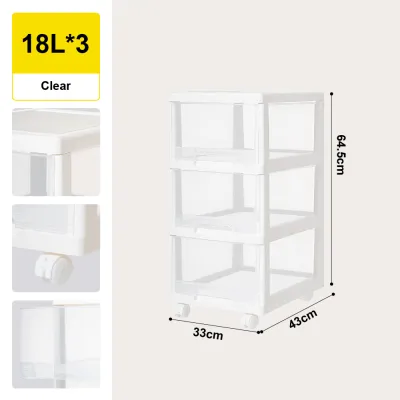
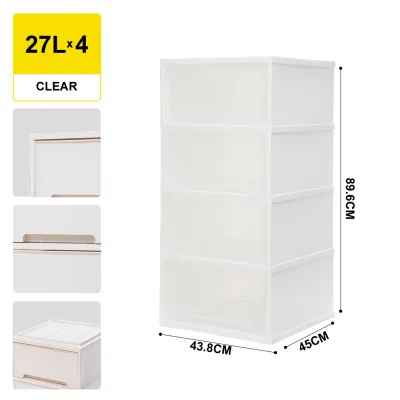
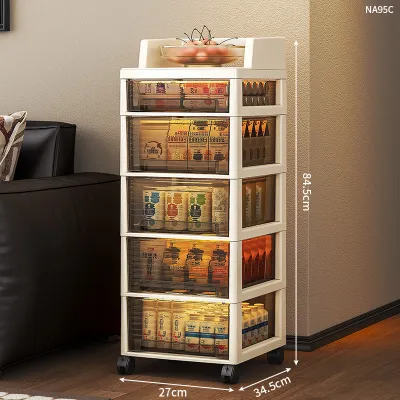
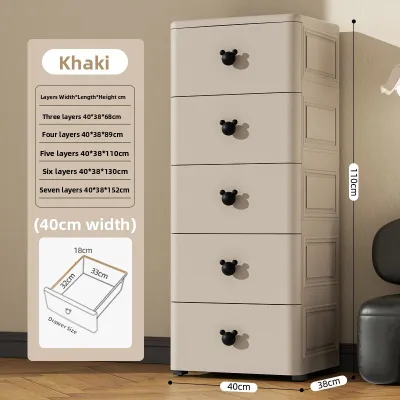
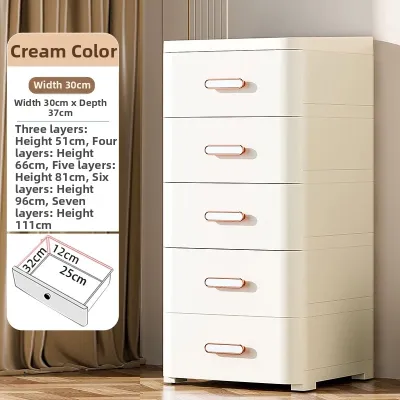
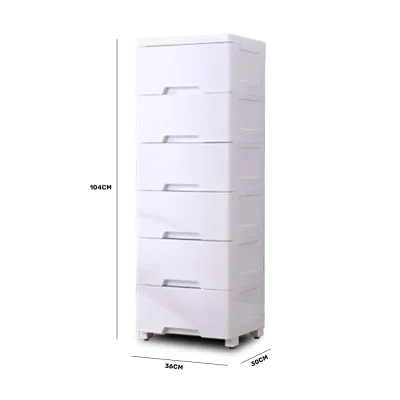
![(JIJI.SG) Modern Storage Drawers [L] & [XL] Cabinet / Cabinets - Plastic Storage Box Drawer / Household / Bedroom Furniture / jt](https://img.lazcdn.com/g/p/86a3a887a1319a62564287336c7aed89.jpg_400x400q80.jpg_.webp)

Prices are valid at publication and may change. Please refer to the product page for the latest price.
Utilizing the horizontal space directly beneath your bed frame is a highly efficient way to bypass these spatial limitations. The area under a standard queen-sized bed represents approximately three square meters of floor space. By installing a low-profile drawers storage cabinet in this zone, you effectively double your room’s storage capacity for folded clothing, extra bed linens, and seasonal items without encroaching on the physical walkways of the room.
There is also a significant practical difference between leaving the under-bed space open and installing enclosed drawer units. Open under-bed spaces act as magnets for dust, lint, and hair, which quickly accumulate in hard-to-reach areas and can trigger allergies. Enclosed drawer cabinets protect your belongings from airborne dust, keep visual clutter completely out of sight, and maintain the clean, minimalist aesthetic that makes small bedrooms feel significantly larger and more relaxing.
Key Features to Look for in Under-Bed Drawers Storage Cabinets
Height and Clearance
Matching the height of the drawer cabinet with your bed frame’s clearance is the most critical step in your selection process. Measure the vertical distance from the floor to the lowest point of the bed frame, which is often the bottom of the side rails or the center support beam. To prevent scraping and ensure smooth operation, choose a low-profile drawers storage cabinet that offers at least 1.5 to 2 centimeters of safety margin below this lowest structural point.

Mobility vs. Fixed Configurations
You must decide between freestanding drawers on wheels and integrated, fixed drawer systems. Freestanding rolling drawers offer excellent flexibility, allowing you to pull them completely out for cleaning or to relocate them if you rearrange your room. Fixed drawers, which are built directly into a platform bed frame, offer a highly stable, seamless look and typically feature robust metal runners, though they cannot be reconfigured or moved independently of the bed.
Depth and Capacity
Consider how far the drawer will extend into your bedroom when fully opened. If your bed sits close to a wall, a wardrobe, or a bedside table, deep drawers may hit these obstacles and prevent you from accessing your stored items. For tight spaces, look for shallow, multi-compartment drawers or modular units that slide out from both sides of the bed, rather than a single, ultra-deep drawer that requires massive clearance to open.
Material and Finish Verification
Singapore’s year-round high humidity demands materials that resist warping, swelling, and mold growth. Do not rely solely on generic material names like “wood” or “composite.” If choosing engineered wood (such as MDF or particleboard), verify that all edges are fully laminated or sealed with a protective melamine coating to prevent moisture absorption. For plastic cabinets, prioritize heavy-duty, impact-resistant polypropylene that does not degrade in humid conditions, and inspect all metal runners or drawer slides to ensure they feature rust-resistant powder coatings or stainless-steel construction.
Best Types of Under-Bed Drawer Storage for Small Spaces
To find the right storage solution, it helps to categorize the available options by their installation style, flexibility, and structural design. Each type serves a distinct bedroom layout and user requirement.
| Storage Type | Ideal Bedroom Scenario | Installation Effort | Space Efficiency | Key Limitations |
|---|---|---|---|---|
| Rolling Under-Bed Drawers | Retrofitting existing bed frames with open clearance | Low (simple wheel attachment) | Moderate to High | Vulnerable to floor dust; requires flat, hard flooring |
| Platform Beds with Built-In Drawers | Homeowners buying new furniture or undergoing renovations | High (requires full bed assembly) | Maximum | Fixed layout; drawers cannot be moved or reconfigured |
| Modular Low-Profile Cabinets | Renters or rooms with irregular layouts and clearances | Medium (stacking or interlocking) | High | Visible seams; lower individual weight limits per drawer |
Rolling Under-Bed Drawer Units
Freestanding rolling drawer units are the most popular choice for retrofitting existing bed frames. These units sit directly on the floor and utilize caster wheels to glide in and out from under the bed. They are highly modular, meaning you can buy a single unit to start and add more as your storage needs grow, making them an incredibly cost-effective option for growing families.
When evaluating rolling units, pay close attention to the quality of the wheels. Look for multi-directional, 360-degree swivel casters that allow you to pull the drawer out from any angle. Soft polyurethane or rubber-coated wheels are highly recommended over hard nylon wheels, as they roll quietly and protect delicate flooring materials. Additionally, ensure the drawer handles are recessed or low-profile so they do not catch on low-hanging duvets or bedsheets.
While highly convenient, rolling drawers do have a few limitations. Because they rest directly on the floor, they require a completely flat, uncarpeted surface to roll smoothly. They are also slightly more exposed to dust than sealed, built-in units, so it is wise to choose models that include fitted fabric covers or clip-on plastic lids to keep your contents pristine.
Platform Beds with Built-In Drawers
For those purchasing a new bed frame or planning a bedroom renovation, a platform bed with integrated storage drawers offers the most streamlined and aesthetically cohesive solution. These beds eliminate the open void beneath the mattress entirely, replacing it with solid structural panels and built-in drawers that slide out on heavy-duty metal runners.
Because these drawers are part of the bed’s engineered frame, they typically offer superior weight capacities and much smoother glide mechanisms than freestanding options. High-quality platform beds utilize ball-bearing drawer slides, often with soft-close mechanisms that prevent the drawers from slamming shut. This structural stability makes them ideal for storing heavier items like books, bulky winter blankets, or spare bedding.
However, the fixed nature of integrated drawers requires meticulous planning. You must ensure that you have at least 60 to 80 centimeters of clear, unobstructed floor space on the sides of the bed for the drawers to extend fully. If your room layout requires placing a bedside table next to the bed, look for platform frames designed with a non-functional “blank” panel near the headboard, which prevents the bedside table from blocking the drawer’s path.
Modular Low-Profile Storage Cabinets
Modular, stackable plastic or slim composite cabinets are an exceptional solution for renters or individuals with highly irregular bedroom layouts. These independent drawers can be placed side-by-side or stacked on top of one another to match the exact height and width of your under-bed clearance, giving you complete control over the configuration.
When choosing modular cabinets, look for units that feature secure interlocking clips or grooves on the top and bottom panels. This interlocking design prevents the upper drawers from sliding, tipping, or shifting out of alignment when you pull the lower drawers open. Additionally, check the manufacturer’s specified load-bearing limit for the bottom unit to ensure it can safely support the weight of any stacked cabinets above it.
While modular cabinets offer unmatched flexibility and are easy to pack up and transport during a move, they do have a more utilitarian appearance than custom wood furniture. To maintain a clean, sophisticated bedroom aesthetic, select cabinets in solid, neutral colors like matte white, soft grey, or translucent charcoal, which blend seamlessly into the shadows beneath your bed frame.
How to Measure and Prepare Your Space Before Buying
Step-by-Step Measuring Guide
Before purchasing any under-bed drawers storage cabinet, take precise measurements of your bed frame and the surrounding floor area. Do not rely on standard bed size classifications, as frame designs vary significantly between manufacturers.
- Measure the Vertical Clearance: Measure the distance from your bedroom floor to the lowest edge of the bed frame's side rails. Take this measurement at the corners and the center of the bed, as older frames or uneven floors can cause slight variations.
- Measure the Internal Width: Measure the clear distance between the bed's legs or support posts. This determines the maximum combined width of the drawer units you can place side-by-side.
- Measure the Usable Depth: Measure from the outer edge of the bed frame to any central support legs or obstructions under the bed. This prevents you from buying a drawer that is too deep to slide completely under the frame.
- Measure the Extension Clearance: Pull a tape measure out from the side of the bed to the exact depth of the drawer you plan to buy, adding an extra 30 centimeters. This ensures you have enough physical space to stand or kneel comfortably while opening the drawer.
Checking for Obstacles
Take a close look at your bedroom layout to identify potential physical blockers. Wall outlets with large plugs inserted can easily obstruct a sliding drawer, as can thick skirting boards, which can reduce your usable under-bed floor width by up to two centimeters. Ensure that adjacent furniture, such as wardrobe doors, vanity stools, or bedside tables, will not block the drawer’s path of travel when fully extended.
Delivery and Access Verification
Living in high-rise HDB flats or condominiums means you must consider how your furniture will be delivered. Before ordering large platform beds or pre-assembled modular cabinets, check the dimensions of your building’s passenger lift, entry corridors, and your apartment’s main doorway. Ensure that the packaged boxes or assembled units can easily clear these tight corners and entryways without causing damage.
Floor Protection and Weight Distribution
Heavy, loaded drawers can easily scratch, dent, or scuff bedroom flooring over time. If you have parquet, laminate, or luxury vinyl tile (LVT) floors, avoid hard plastic or metal wheels. Instead, choose rolling drawers equipped with soft polyurethane wheels, or apply heavy-duty felt pads to the bottom contact points of stationary modular cabinets to distribute the weight evenly and prevent damage when sliding the units for cleaning.
Maintenance and Care for Under-Bed Storage in Singapore's Climate
Routine Cleaning
Because the area under the bed naturally accumulates dust and lint, establishing a regular cleaning routine is essential for maintaining both your storage hardware and indoor air quality. At least once a month, pull the drawer cabinets out completely to vacuum and damp-mop the floor underneath. Clean the drawer tracks or wheels with a dry microfibre cloth to remove hair and debris that can clog the rolling mechanisms; avoid using wet cloths on engineered wood drawer runners to prevent swelling.
Moisture and Ventilation Management
Singapore’s high relative humidity can trap stagnant, moist air in the dark spaces beneath your bed, creating an ideal breeding ground for mold and mildew. To combat this, ensure your bedroom receives regular airflow by opening windows or running an air conditioner or dehumidifier. Maintain a gap of at least 5 centimeters between the back of your under-bed drawers and any adjacent walls to promote continuous air circulation. Inside the drawers, place safe, non-damaging moisture-absorbing sachets or activated charcoal bags, and ensure that all clothing and linens are completely dry before storing them away.
Hardware Inspection
Over time, the repetitive pulling and pushing forces of daily use can cause screws on drawer runners, handles, and wheels to loosen. Periodically inspect your storage units and tighten any loose hardware using hand tools. If your drawer slides or caster wheels begin to squeak or feel stiff, apply a small amount of silicone-based lubricant to the moving parts. Avoid using heavy oils or WD-40 on plastic components, as these can degrade the polymer structure over time and attract more dust.
Frequently Asked Questions (FAQ)
Can I add drawers to my existing bed frame if it wasn't designed for them?
Yes, you can easily add freestanding rolling drawers or modular low-profile cabinets under an existing bed frame, provided you have sufficient vertical and horizontal clearance. However, you should avoid drilling, screwing, or permanently mounting custom drawer runners directly to a standard bed frame that was not engineered for them. Doing so can compromise the bed’s structural integrity, cause uneven weight distribution, and void your manufacturer’s warranty. Stick to freestanding, independent storage units for retrofitting.
What is the standard clearance needed for under-bed rolling drawers?
While product dimensions vary, most standard under-bed rolling drawers require a vertical clearance of at least 15 to 25 centimeters. When measuring your bed, do not rely on a single measurement; check the clearance from the floor to the lowest obstacle, such as a center support beam or mattress slat. Always subtract a safety margin of 1.5 to 2 centimeters from your measurement to account for floor irregularities, thick rugs, or minor frame sagging over time.
How do I prevent clothes from getting musty in under-bed storage?
To prevent mustiness in Singapore’s humid climate, always ensure your clothing and linens are 100% dry before placing them in storage. Avoid packing the drawers too tightly, as compressed fabrics trap moisture and restrict airflow. Use breathable fabric storage organizers or liners inside the drawers, and place active moisture absorbers or charcoal deodorizers in the corners. On dry, sunny days, leave the drawers open for a few hours to allow fresh air to circulate through the compartments.

Community discussion
Share your experience or ask a question. Comments are reviewed before publication.