
Choosing between compression bags and accessible under-bed boxes depends on whether you prioritize maximizing every square centimeter of storage space or maintaining quick, daily access to your wardrobe. Compression bags excel at shrinking bulky items for long-term storage, while rigid boxes offer structured, slide-out convenience for active wear. Selecting the wrong method can lead to damaged fabrics, wasted space, or a frustrating routine of constantly packing and unpacking.
To make the right choice, you must evaluate how each option utilizes the unique physical environment under your bed, how much effort you are willing to spend on retrieval, and how your local climate affects stored textiles.
Space Efficiency and Physical Constraints
Compression bags operate on the principle of volume reduction, using a vacuum cleaner or a manual pump to extract air from between fabric fibers. This process can shrink bulky items like winter coats, heavy sweaters, and spare duvets by up to 75 percent of their original size. This dramatic reduction allows you to slide highly dense packages into tight spaces that would otherwise be unusable. However, compressed bags do not become completely flat, uniform sheets; instead, they often form irregular, hard shapes with raised centers.
Products mentioned in this guide
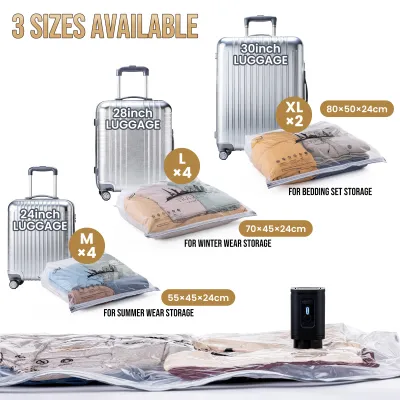
8 Lazada user ratings
👌Ease of Use: good 🛠️Durability: good 👜Portability: good
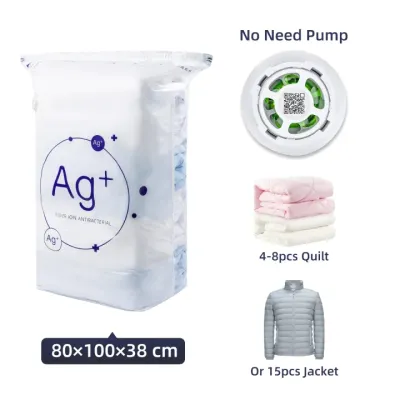
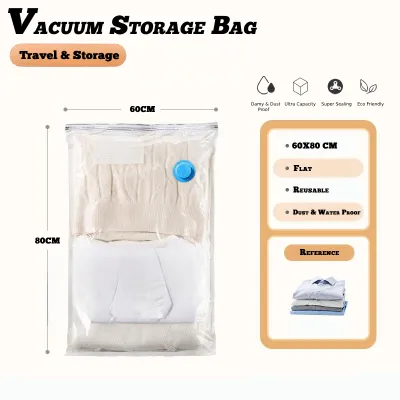
726 Lazada user ratings
Perfect for organizing home. Easy to use the electric pump. Made of high-quality materials. Great space-saving solution. Efficient vacuum se…Read full reviewShow less
Perfect for organizing home. Easy to use the electric pump. Made of high-quality materials. Great space-saving solution. Efficient vacuum sealing. Versatile sizes for different needs.
Received in good condition. Tried and worked as described. Will need to buy more vacuum storage bag now.
Made of high-quality materials, Perfect for organizing home, Efficient vacuum sealing,
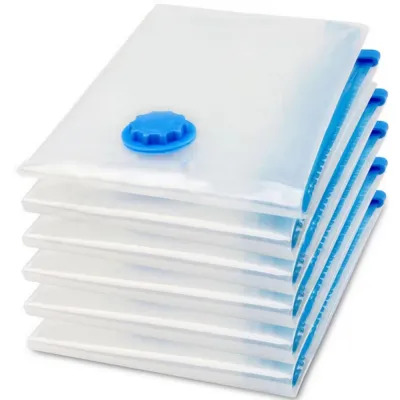
537 Lazada user ratings
The storage bags work well for saving space. The plastic feels thick, and the seals close securely. With the seperately purchased hand pump,…Read full reviewShow less
The storage bags work well for saving space. The plastic feels thick, and the seals close securely. With the seperately purchased hand pump, it is easy to compress the bags even without a vacuum cleaner. Clothes packed inside stayed compact, which will help a lot for travel. The smaller size is good for t-shirts and lighter clothing. After testing, no air leaked back in, which is important for storage. Good value and very functional for organising or travelling.
Convenient and easy to use, Great space-saving solution!, Perfect for organizing clothes, Great for travel and storage, Protects clothes fro…Read full reviewShow less
Convenient and easy to use, Great space-saving solution!, Perfect for organizing clothes, Great for travel and storage, Protects clothes from dust and moisture, High-quality material for reliable storage, Transparent design for easy identification, Efficient vacuum sealing,
The recently acquired assortment of these bags is anticipated to significantly contribute to the implementation of the 5S methodology within…Read full reviewShow less
The recently acquired assortment of these bags is anticipated to significantly contribute to the implementation of the 5S methodology within my household, thereby optimizing space utilization.
I use this vacuum pack bag for bedsheets , pillow cases , clothes and comforters. And safe storage space inside the cabinets. I love this it…Read full reviewShow less
I use this vacuum pack bag for bedsheets , pillow cases , clothes and comforters. And safe storage space inside the cabinets. I love this item 😄
Fast delivery and arrived in condition. Easy to use but some bags air leaks overnight. Will need to reseal and try again.
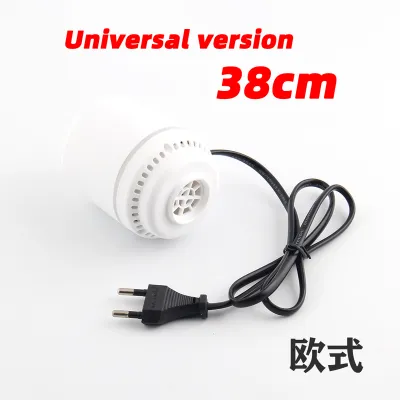
74 Lazada user ratings
Great for organizing, Fast shipping,
light and easy to use.
👌Ease of Use:okay
Prompt delivery
Prices are valid at publication and may change. Please refer to the product page for the latest price.
This physical irregularity introduces a common under-bed storage challenge. If a compressed bag is filled past its maximum fill line, the resulting shape may be too thick or uneven to slide smoothly under a low-clearance bed frame. Dragging a tightly compressed plastic bag across a rough floor or against the sharp underside of a bed frame can easily puncture the plastic, instantly releasing the vacuum seal and causing the bag to expand rapidly. This expansion can trap the bag under the bed, making retrieval difficult without lifting the entire bed frame.
Accessible under-bed boxes, by contrast, rely on rigid, predictable dimensions that maximize horizontal floor space rather than vertical compression. These boxes are typically made of hard plastic, wood, or structured fabric panels that maintain their shape regardless of what is stored inside. Because their dimensions are fixed, they provide a clean, uniform appearance and can be stacked neatly if your bed frame height allows. The primary constraint is the strict vertical clearance of your bed frame, which must accommodate not only the height of the box itself but also any protruding wheels, handles, or latches.
The fundamental trade-off between these two methods lies in how they utilize space. Compression bags offer the highest potential volume reduction, making them the more space-efficient choice for maximizing capacity in tight quarters. Accessible boxes, however, offer predictable, structured organization that prevents items from being crushed or shifting during movement. If your bed frame has generous clearance, boxes allow you to utilize the entire footprint of the bed systematically, whereas compression bags are better suited for squeezing high-volume, compressible items into irregular or narrow gaps.
Accessibility, Repacking, and Daily Convenience
The physical effort required to retrieve and store your clothing is a critical factor in long-term satisfaction. Compression bags require a multi-step process every time you want to access a single garment. You must slide the bag out, open the airtight double-zip seal, retrieve the item, and then reseal the bag. To restore the space-saving benefits, you must then use a vacuum cleaner or a manual hand pump to evacuate the air once again. This repetitive process makes compression bags highly impractical for items you need to access on a weekly or daily basis.

Furthermore, frequent opening and closing of compression bags accelerates wear and tear on the plastic seals and intake valves. Over time, micro-tears can develop along the plastic seams, or dust can settle in the valve mechanism, preventing a tight seal. When a seal fails, the bag slowly reinflates over several days or weeks, which can cause the storage container to wedge itself tightly against the underside of your bed.
Accessible boxes offer a much simpler user experience, functioning essentially as shallow, slide-out drawers. Many models feature wheels or casters that glide smoothly over hardwood floors or low-pile carpets, allowing you to pull the box out with minimal physical effort. Lids that open from either end (split lids) or fully removable tops allow you to grab a specific shirt or pair of trousers without disturbing the rest of the organized contents. You can also integrate fabric dividers or small bins inside the box to keep smaller items like socks, activewear, or accessories neatly categorized.
Because of these operational differences, your access frequency should dictate your choice. If you are storing seasonal wardrobes, travel gear, or guest bedding that you only need once or twice a year, the high repacking effort of compression bags is a minor inconvenience compared to the space saved. However, if you are storing extra everyday clothing, gym wear, or bedsheets that rotate into your weekly laundry cycle, the instant accessibility of a rolling box is essential to maintaining an organized bedroom.
Garment Protection and Climate Considerations
In humid climates like Singapore’s, protecting stored textiles from environmental damage is a constant challenge. High humidity levels create an ideal environment for mold, mildew, and dust mites to thrive, particularly in dark, undisturbed areas like the space under a bed. Compression bags provide a tight, protective barrier against external moisture, dust, and pests, making them highly effective at preventing musty odors and insect damage over long periods.
However, this airtight seal is a double-edged sword. If garments are not completely dry before they are sealed inside a compression bag, any residual moisture will be trapped in a warm, dark, oxygen-depleted environment, which can accelerate the growth of mold and ruin the fabrics. Additionally, the intense pressure of vacuum compression can cause deep, semi-permanent creases in fabrics. Natural fibers such as wool, silk, and leather can suffer structural damage under prolonged compression, and down-filled items like winter jackets or pillows may lose their loft permanently if the delicate feathers are crushed for months at a time.
Accessible under-bed boxes offer a different set of protection characteristics depending on their material. Rigid plastic boxes with secure, latching lids provide excellent protection against dust and pests, and they prevent garments from being crushed by heavy items. However, like compression bags, sealed plastic boxes can trap ambient moisture if packed on a humid day. Fabric under-bed boxes offer better breathability, allowing air to circulate and preventing musty odors, but they do not provide a complete barrier against high humidity or determined pests.
To protect your wardrobe regardless of the method chosen, specific care steps are necessary. Always wash and thoroughly dry all garments before storing them to remove skin oils, perfumes, and moisture that attract pests and mold. If using compression bags, check the garment care labels to ensure the materials can withstand compression, and avoid vacuuming delicate natural fibers or structured clothing. For accessible boxes, wiping down the interior with a dry cloth and placing silica gel packets or moisture absorbers inside can help control humidity levels.
Preparation and Measurement Checklist
Before purchasing any under-bed storage solution, taking precise measurements and preparing your items systematically will prevent costly returns and damaged clothing.
- Measure Vertical Clearance: Use a tape measure to find the distance from the floor to the lowest point of your bed frame. Do not measure from the side rails alone; check the height of center support beams, brackets, or any low-hanging slats that could obstruct a box.
- Account for Floor Obstacles: Note the presence of thick rugs, floor trim, or uneven flooring that might reduce your actual clearance or prevent wheels from rolling smoothly.
- Determine Depth and Width: Measure the usable footprint under the bed, keeping in mind the location of bedside tables or other furniture that might block a long box from sliding out fully.
- Inspect Garment Care Labels: Identify items made of down, wool, silk, or delicate synthetic blends that should not be subjected to vacuum compression.
- Clean and Dry Thoroughly: Ensure all clothing is freshly laundered and completely dry. Consider leaving items out in an air-conditioned room or under a fan for a few hours after drying to ensure no ambient moisture remains.
- Check Storage Hardware: Inspect compression bag valves for debris and test box wheels or latches to ensure they operate smoothly before packing.
Final Decision Framework: Which Method Fits Your Routine?
To finalize your decision, align your storage goals and daily habits with the strengths and limitations of each method.
Choose compression bags if your primary goal is to maximize limited storage space, and you are storing bulky, non-delicate items like winter coats, extra pillows, or synthetic blankets that you only need to access once or twice a year. This method is ideal for small apartments where closet space is at a premium and under-bed clearance is tight but irregular.
Choose accessible boxes if you need to store everyday clothing, activewear, or bed linens that you retrieve weekly. This option is best if you prefer a highly organized, visual system where items are kept neat, uncreased, and easily reachable without the need for a vacuum cleaner or pump.
Avoid both methods if your bed frame clearance is extremely low (under 12 centimeters), as rigid boxes will not fit and compressed bags risk being punctured by the frame. In such cases, alternative storage solutions like wardrobe organizers, over-the-door racks, or freestanding chests are safer and more practical choices. Always verify your bed frame dimensions, the weight limits of your storage containers, and the specific care requirements of your wardrobe before making a purchase.

Community discussion
Share your experience or ask a question. Comments are reviewed before publication.