
Selecting a cabinet for kitchen spaces in Singapore is one of the most significant investments in any home renovation. The local market offers a diverse array of options, ranging from traditional neighborhood carpenters to international modular system brands and high-end European imports. Navigating this landscape requires a clear understanding of what each provider type specializes in, how to evaluate their credibility, and how to match their offerings to your specific housing constraints—whether you are renovating a compact HDB flat, a modern condominium, or a spacious landed property. This guide provides a comprehensive framework to help you identify trusted kitchen cabinet brands, compare their technical specifications, and make an informed decision that balances aesthetics, durability, and budget.
How to Evaluate the Reputation of Kitchen Cabinet Brands
Evaluating the reputation of a kitchen cabinet brand in Singapore requires looking beyond glossy showroom displays and marketing brochures. The first step is to verify the company’s business registration through the Accounting and Corporate Regulatory Authority (ACRA). A company with a long-standing registration history indicates financial stability and a track record of surviving market fluctuations. Avoid companies that frequently change their registered names or have complex corporate structures with no clear ownership, as this can make it difficult to enforce warranties or resolve disputes later.
A physical showroom is another critical indicator of a brand’s stability and commitment to the local market. Maintaining a physical space requires significant capital investment, which filters out fly-by-night operators. Visiting a showroom also provides a physical touchpoint where you can inspect their work, meet their representatives face-to-face, and assess their professionalism. It is advisable to choose brands that have established showrooms in accessible locations, as this ensures you have a physical place to go if issues arise during the design or installation phases.
Products mentioned in this guide
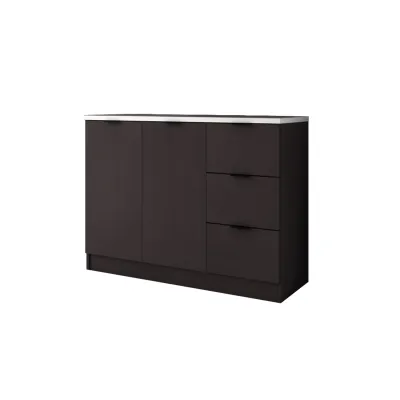
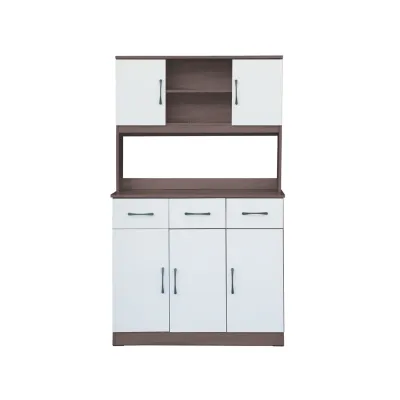
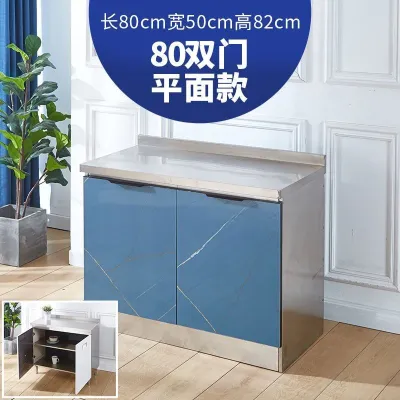
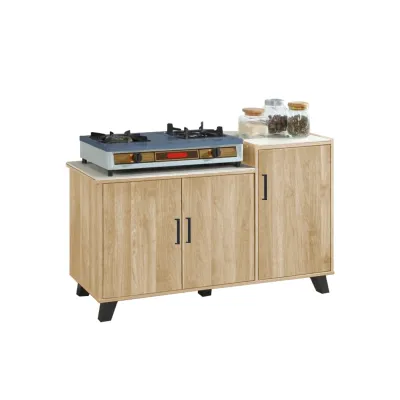
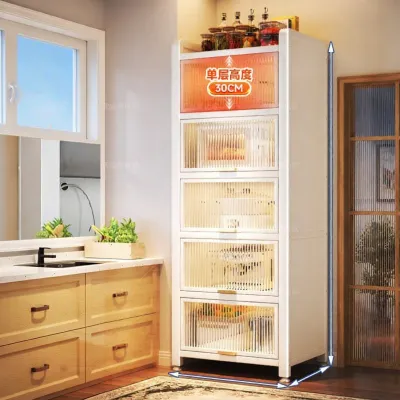
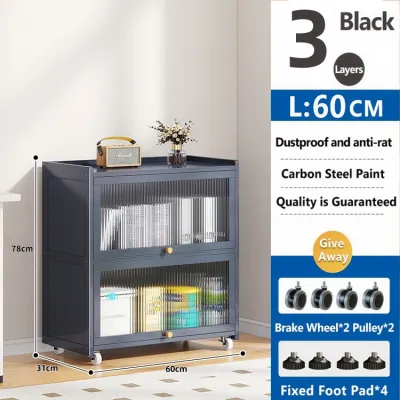
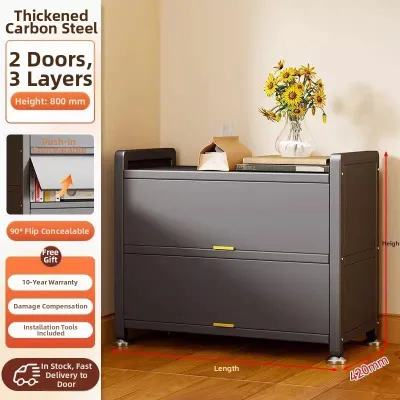
Prices are valid at publication and may change. Please refer to the product page for the latest price.
Customer feedback is invaluable when assessing a brand’s trustworthiness, but it must be evaluated critically. Look for verified reviews on independent platforms, local renovation portals, and consumer forums rather than relying solely on the testimonials featured on the brand’s own website. Pay close attention to how the brand handles negative feedback; a company that responds professionally and actively works to resolve complaints is often more trustworthy than one with only pristine, potentially curated reviews. Additionally, check if the brand has any active dispute records or alerts with the Consumers Association of Singapore (CASE) or if they hold CaseTrust accreditation, which provides an added layer of consumer protection.
Pricing and contract transparency are the hallmarks of a reputable kitchen cabinet brand. A trusted provider will offer detailed, itemized quotations rather than lump-sum figures that leave room for unexpected “add-ons” later. The contract should clearly outline the payment milestones, progressive payment schedules, and a detailed scope of work, including delivery and installation timelines. Be wary of brands that demand high upfront deposits before any design work or site measurement has taken place, as standard industry practice typically involves progressive payments tied to specific project milestones.
Common Types of Kitchen Cabinet Providers in Singapore
Understanding the different types of kitchen cabinet providers in Singapore is essential to aligning your specific needs with the right expertise. The local market is broadly categorized into three main types of suppliers, each offering distinct advantages and trade-offs in terms of customization, quality control, and pricing.

Local custom carpentry and interior design (ID) firms are the traditional backbone of Singapore’s renovation industry. These providers specialize in bespoke, highly customized solutions tailored to the exact dimensions of your kitchen. This is particularly beneficial for HDB flats and older condominiums with awkward layouts, structural pillars, or exposed piping that must be concealed. Custom carpentry allows for maximum space utilization, as cabinets can be built wall-to-wall and floor-to-ceiling without leaving awkward gaps. However, the quality of custom carpentry can vary significantly depending on the skill of the individual carpenter or the standards of the local workshop, making it crucial to verify their fabrication methods and material sources.
International franchise and system cabinet brands offer modular kitchen systems manufactured in highly automated, quality-controlled factories. These brands specialize in standardized cabinet sizes that can be configured to fit your space, ensuring consistent quality, precise alignment, and seamless integration of advanced ergonomic hardware. Because the components are pre-fabricated and flat-packed, the on-site assembly process is typically faster and cleaner than custom carpentry. However, modular systems may not fit perfectly if your kitchen walls are uneven or have non-standard dimensions, requiring filler panels that can reduce usable storage space.
Premium imported and luxury brands cater to homeowners with a flexible budget who prioritize high-end design and material technology. These brands, often originating from Europe or Japan, specialize in exclusive materials such as stainless steel carcasses, specialized glass doors, and advanced organizational accessories. They focus on a holistic design experience, offering comprehensive consultation and highly sophisticated engineering. While they provide exceptional durability and a prestigious aesthetic, they come with a premium price tag and longer lead times due to overseas shipping and custom fabrication.
To choose the right provider, assess your budget, timeline, and design complexity. If you have a standard layout and prioritize speed and consistent quality, a modular system brand is an excellent choice. If you have a complex layout that requires bespoke space optimization, a reputable local custom carpenter or ID firm is more suitable. For high-end, long-term investments where budget is secondary, premium imported brands offer unmatched refinement and durability.
Key Factors to Compare Before Making a Decision
When comparing shortlisted kitchen cabinet brands, focusing on technical specifications and material quality will ensure your investment withstands the test of time. The kitchen is a high-moisture, high-traffic environment, making material selection critical to the longevity of your cabinets.
The carcass is the structural backbone of your cabinet for kitchen use. In Singapore’s hot and humid climate, moisture resistance is paramount to prevent warping, mold, and structural failure. Plywood is the traditional choice for custom carpentry due to its strength and moisture resistance, while modular systems often use high-density fiberboard (HDF) or moisture-resistant particleboard (often labeled as MR-grade or green board). Ensure the materials carry low-formaldehyde emission certifications, such as E1 or E0 standards, or the Singapore Green Label, to safeguard your indoor air quality, especially in enclosed kitchen spaces.
The exterior finish, or shutter, determines both the look and the durability of your cabinets. High-pressure laminates (HPL), acrylic, and melamine are popular choices, each offering different levels of scratch and moisture resistance. When evaluating finishes, pay close attention to the edge banding. Poorly applied edge banding will show visible glue lines or gaps, which can allow moisture to penetrate the core material and cause the wood to swell. Look for brands that use advanced edge-banding technologies, such as polyurethane (PUR) or laser edge banding, which create a seamless, waterproof barrier.
The moving parts of your kitchen cabinets undergo constant daily stress, making high-quality hinges and drawer runners essential. Look for reputable hardware brands, such as Blum, Hettich, or Grass, and verify that the hinges have integrated soft-close mechanisms. Check the load-bearing specifications for heavy drawers, especially those intended for storing heavy pots and pans. Undermount drawer runners generally offer better stability and weight capacity than side-mount runners, ensuring smooth operation even when fully loaded.
A successful kitchen renovation depends heavily on accurate planning and execution. Compare the design and project management services offered by different brands. Do they provide detailed 3D renderings to help you visualize the space? Do they conduct precise site measurements, taking into account the location of gas pipes, electrical outlets, and plumbing? Inquire about their project management process, including whether there will be a dedicated supervisor on-site during installation and how they coordinate with other trades, such as plumbers and electricians, to avoid costly delays and structural errors.
Steps to Verify Quality and Service Claims
Before signing a contract or making a deposit, taking active steps to verify a brand’s quality and service claims will protect you from substandard workmanship and hidden costs.
Never rely solely on digital catalogs or 3D renderings. Visit the brand’s physical showroom to inspect their workmanship firsthand. Open and close drawers to test the smoothness of the runners under simulated weight, and check the alignment of cabinet doors to ensure they hang straight and close flush. Inspect the underside of the cabinets, the back panels, and the joints; high-quality cabinets will have finished back panels and sturdy joints rather than exposed raw wood or flimsy staples. Check for consistent gaps between doors (reveal lines), as uneven gaps indicate poor assembly or installation quality.
Request a detailed, itemized quotation that breaks down the cost of each component. A reputable brand will specify the exact materials to be used (e.g., “18mm double-sided laminate plywood carcass”), the specific brand and model of hardware, labor costs, delivery fees, and any potential accessory installation charges. Ensure that essential services, such as sink support fabrication, hood installation, and post-installation cleanup, are explicitly included in the quote to avoid unexpected charges during the renovation process.
Clarify the warranty terms in writing and ensure they are documented in the final contract. A reliable warranty should distinguish between the structural integrity of the cabinet carcass and the functionality of the hardware. Ask about the claim process: Who do you contact? What is the expected response time? Be aware of common exclusions, such as water damage from plumbing leaks or wear and tear from improper cleaning agents, and ensure you understand your responsibilities for maintaining the cabinets to keep the warranty valid.
Frequently Asked Questions (FAQ)
How long does a typical kitchen cabinet installation take?
The timeline for kitchen cabinet installation depends on the type of cabinet system you choose. Modular system cabinets, once delivered to your home, can often be assembled and installed within 2 to 5 days. In contrast, fully custom-built carpentry requires off-site fabrication in a workshop, which typically takes 2 to 4 weeks, followed by 3 to 7 days of on-site installation and adjustment.
It is crucial to account for project dependencies when planning your timeline. Before the cabinets can be installed, all hacking of old cabinetry, electrical rewiring, plumbing rough-ins, and flooring must be completed. Additionally, after the base cabinets are secured, the countertop fabricator must take precise templates, which can add another 1 to 2 weeks for fabrication and installation of materials like quartz or sintered stone before the kitchen is fully functional.
What should I look for in a kitchen cabinet warranty?
A comprehensive warranty should clearly separate the coverage for different components of your kitchen cabinets. The cabinet carcass typically carries a structural warranty (ranging from 1 to 10 years, depending on the brand), which covers issues like joint separation or structural sagging. High-quality hardware, such as hinges and drawer runners, often comes with a lifetime warranty from the hardware manufacturer, covering mechanical failure.
Be aware of common exclusions that can void your warranty. Most warranties do not cover damage caused by water leaks from plumbing fixtures, exposure to extreme heat (such as placing hot cookware directly against laminate edges), or the use of abrasive cleaning chemicals. Regular maintenance, prompt repair of plumbing issues, and following the manufacturer’s care instructions are essential to preserve your warranty coverage.

Community discussion
Share your experience or ask a question. Comments are reviewed before publication.