
Planning a kitchen renovation in Singapore is a major milestone, with the kitchen cabinet setup serving as the core of both daily meal preparation and visual appeal. Homeowners are frequently caught between three distinct paths: engaging a local custom carpenter, purchasing a modular system kitchen, or investing in a premium international import. Choosing the right route requires a careful evaluation of how these options perform across quality, pricing models, and customization flexibility, especially when dealing with the unique spatial constraints of HDB flats, BTO layouts, and condominiums.
The ideal choice is highly conditional. If you have an irregular layout with awkward structural beams, local custom carpentry remains the most effective way to maximize every square centimeter of storage. For those who prioritize predictable, factory-controlled finishes, rapid on-site assembly, and structured corporate warranties, system kitchen brands offer an incredibly reliable mid-range option. Meanwhile, premium international brands cater to luxury properties where budget is secondary to advanced European ergonomics, high-end materials, and specialized internal mechanisms.
The Three Main Kitchen Cabinet Routes in Singapore
Understanding the structural differences between these three routes is essential before requesting quotes. Because individual carpentry workshops and interior design firms fluctuate in availability and localized branding, grouping your options by provider type offers a stable, highly actionable framework for navigating the Singapore market.
Products mentioned in this guide
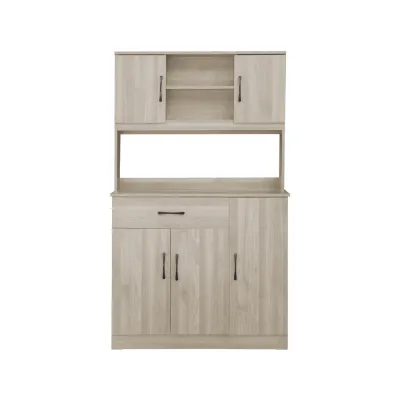
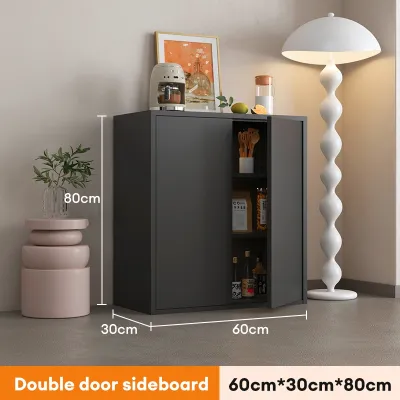
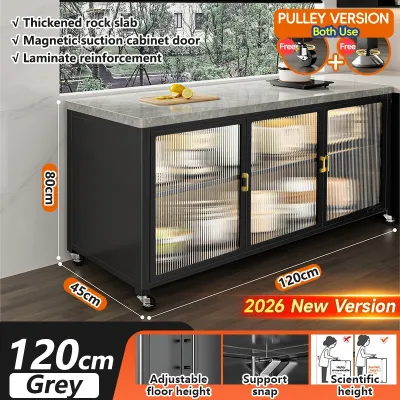
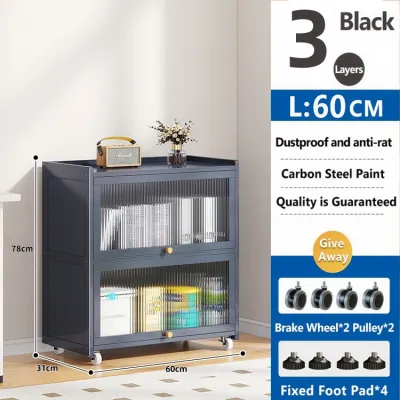
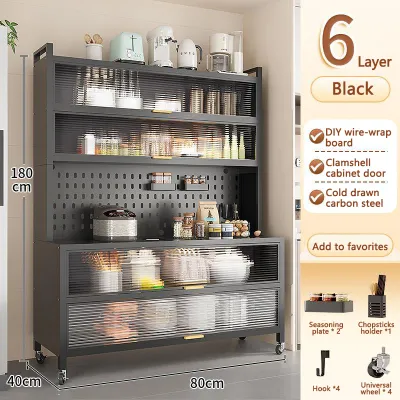
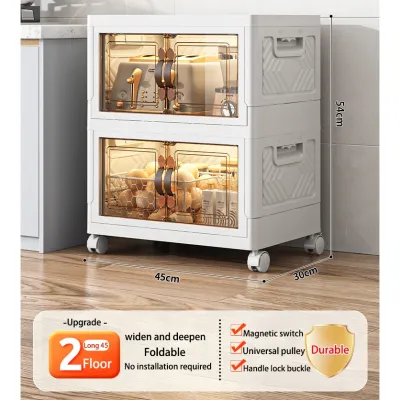
Prices are valid at publication and may change. Please refer to the product page for the latest price.
Local Custom Carpenters and Interior Design Firms
Engaging a local custom carpenter—either directly or through an interior design (ID) firm—is the traditional and most common route for Singaporean homeowners, particularly those moving into new HDB BTO flats or older resale units. This approach is completely bespoke; every single cabinet carcass, door panel, and shelf is fabricated to fit the exact dimensions of your specific kitchen walls.
This route excels at creating seamless, floor-to-ceiling storage units that eliminate dust-collecting gaps at the top of your cabinets. Carpenters can easily scribe panels to fit tightly against uneven walls, build around structural columns, and conceal unsightly overhead plumbing pipes or gas meters. However, because the fabrication relies heavily on manual labor, the final quality, alignment, and finish depend entirely on the individual carpenter’s craftsmanship and the ID’s quality control on-site.
System Kitchen and Modular Brands
System kitchen and modular brands offer a modern, highly standardized alternative that bridges the gap between basic carpentry and luxury imports. These brands utilize pre-fabricated cabinet boxes manufactured in automated factories, which are then delivered to your home flat-packed or pre-assembled for rapid on-site installation.
The primary benefit of this route is absolute consistency. Because the boards are cut, drilled, and edged using precision machinery, you can expect perfectly straight lines, uniform joints, and flawless edge banding that is difficult to replicate in a manual workshop. The trade-off is that customization is strictly limited to the brand’s predefined modular grid (typically in width increments of 15cm, 30cm, 45cm, and 60cm). If your wall length does not align perfectly with these sizes, the installers must use blank filler panels to close the remaining gaps, which can result in slightly reduced storage efficiency.
Premium International and Specialist Brands
At the highest end of the market are premium international and specialist kitchen brands, primarily imported from Germany, Italy, or Japan. These brands operate out of high-end showrooms in Singapore, offering fully integrated luxury kitchen systems designed for landed properties and high-value condominiums.
These premium systems are characterized by cutting-edge ergonomic engineering, such as motorized touch-to-open doors, seamless stainless steel or ceramic worktops, and highly sophisticated internal pull-out mechanisms that maximize corner accessibility. The materials used are often highly proprietary, featuring nanotech surfaces that resist fingerprints, scratches, and thermal damage. However, choosing this route requires a flexible budget, as prices can easily reach tens of thousands of Singapore dollars. Additionally, because these kitchens are custom-manufactured overseas to your exact specifications, you must plan for significant lead times of three to six months for shipping and customs clearance.
Comparing Quality: Board Materials, Hardware, and Durability
Evaluating the quality of a kitchen cabinet requires looking past aesthetic surface finishes and examining the core materials, assembly methods, and moving parts. In Singapore’s tropical climate, high humidity and heat create a challenging environment that can rapidly degrade sub-par materials.

Cabinet Carcass and Board Materials
The cabinet carcass is the structural box that supports the weight of your countertops, appliances, and stored items. In Singapore, the three most common board materials used for carcasses are plywood, medium-density fibreboard (MDF), and particleboard (often referred to as chipboard).
Plywood consists of multiple thin layers of wood veneer glued together in alternating grain directions. This cross-grain structure makes plywood exceptionally strong, highly resistant to sagging under heavy loads, and naturally resilient against moisture. It is the traditional material of choice for local custom carpenters, especially for the cabinet housing directly beneath the kitchen sink, where minor leaks or condensation are common.
MDF and particleboard are engineered wood products made from wood fibers or chips bonded with synthetic resins. While often dismissed as inferior, high-quality, high-density versions of these boards are the standard for premium European system kitchens. When choosing engineered wood, it is critical to verify that the boards are rated as moisture-resistant (MR) or high-moisture-resistant (HMR).
Furthermore, always check the quality of the edge banding. The edges of the boards are where moisture is most likely to penetrate, causing the wood fibers to swell and the laminate to peel. Look for polyurethane (PUR) edge banding or laser edge banding, which utilize advanced adhesives to create a virtually seamless, waterproof barrier, far superior to standard ethylene-vinyl acetate (EVA) hot-melt glues.
Hinges, Runners, and Hardware
While the boards form the body of your kitchen cabinet, the hardware acts as the joints and muscles. The longevity of your kitchen depends entirely on the quality of the hinges, drawer runners, and lift systems used.
Because kitchen cabinet doors and drawers are opened and closed multiple times a day, they must withstand significant wear and tear. Furthermore, Singapore’s humid air can accelerate the rusting of low-grade metal components, leading to squeaking doors, misaligned panels, or complete hardware failure.
When comparing cabinet providers, do not rely on generic promises of “soft-close doors.” Instead, ask for the specific brand of hardware being supplied. Reputable international manufacturers like Blum, Hettich, or Grass are industry standards, known for their rigorous testing certifications. For instance, high-quality drawer runners are certified to handle load capacities ranging from 30kg to 70kg without sagging, and hinges are cycle-tested to survive up to 200,000 openings. Always check if the hardware comes with a manufacturer-backed lifetime warranty, which is a strong indicator of long-term durability.
Surface Finishes and Countertops
The exterior surfaces of your cabinets and countertops bear the brunt of daily food preparation, heat exposure, and cleaning chemical contact.
For cabinet door fronts, high-pressure laminates (HPL) are the most popular choice in Singapore due to their cost-effectiveness and vast range of textures and colors. However, always inspect the seams of laminated doors; poor craftsmanship can lead to peeling at the edges over time. For a seamless, modern look, acrylic or glass-faced doors offer excellent moisture resistance and are incredibly easy to wipe clean, though they are more prone to showing fingerprints and surface scratches.
When selecting countertops to pair with your cabinets, quartz and sintered stone are the leading options. Quartz is highly durable, non-porous, and resistant to staining, making it incredibly low-maintenance. However, quartz can be sensitive to extreme heat, so hot pots should never be placed directly on the surface. Sintered stone, made from natural minerals compacted under immense pressure and heat, is virtually scratch-proof, UV-resistant, and completely heat-resistant, though its edges can be more brittle and prone to chipping if struck by heavy cast-iron cookware. Always refer to the manufacturer’s care instructions to verify the specific heat and chemical tolerances of your chosen surfaces. If instructions conflict, the item is unidentified, or the use is not covered, stop and consult the manufacturer or a qualified professional.
Evaluating Pricing: Quotation Models and Hidden Costs
Comparing quotes from different kitchen cabinet providers can be incredibly confusing because the industry does not use a single, standardized pricing model. Understanding how costs are calculated is the only way to avoid unexpected budget overruns.
Run-Feet vs. Modular Unit Pricing
Local custom carpenters in Singapore almost exclusively use the “run-foot” (or per foot run, pft) pricing model. This model calculates the cost based on the linear length of the cabinets along the wall.
Typically, carpenters will quote separate rates for “base cabinets” (the bottom units sitting on the floor) and “wall cabinets” (the top units mounted on the wall). For example, if a carpenter quotes S$120 per foot run for base cabinets and S$110 per foot run for wall cabinets, a 10-foot stretch of kitchen with both top and bottom storage would cost S$2,300 for the carpentry carcass alone. This model is straightforward and easy to calculate during early planning phases.
In contrast, system kitchen and modular brands utilize a “modular unit” pricing model. Instead of charging by linear length, you pay a fixed price for each individual cabinet box, drawer unit, door panel, and accessory. For instance, a 60cm cabinet box with three drawers will cost significantly more than a 60cm cabinet box with a simple hinged door and a single shelf, even though they occupy the exact same physical footprint. While this model can make the initial quoting process more complex, it offers absolute transparency, allowing you to see exactly where every dollar is being allocated.
Hidden Costs and Upgrades
The base price quoted by a carpenter or a modular brand showroom rarely represents the final invoice amount. To ensure you are comparing apples to apples, you must account for common upgrades and hidden costs that are frequently excluded from initial marketing estimates.
- Internal Storage Accessories: Pull-out spice racks, corner carousels (such as "Magic Corners" designed to utilize deep L-junctions), tall larder units, and built-in cutlery trays are almost always priced as add-ons.
- Plumbing and Electrical Integration: Cutting precise openings in the cabinet carcasses for sink installations, running gas pipes, installing hobs, hoods, and ovens, and wrapping exposed utility pipes (such as the thick vertical sewage drop-pipes found in HDB kitchens) require additional labor and material charges.
- Premium Hardware Upgrades: Upgrading from standard soft-close hinges to specialized lift-up wall systems (like Blum Aventos) or heavy-duty drawer runners designed for heavy pots will quickly inflate the total cost.
- Demolition and Disposal: If you are renovating an existing home, the cost of dismantling, carting away, and legally disposing of your old kitchen cabinets must be explicitly factored into the quotation.
To protect your budget, always request a fully itemized quotation that details every single component, labor charge, transport fee, and installation cost before signing any contract.
Value for Money Assessment
A cheap initial quote can often turn out to be the most expensive option in the long run if the cabinets require repair or replacement after just a few years. When assessing value for money, look beyond the bottom-line price and evaluate the warranty coverage and after-sales support.
A reputable provider should offer a clear, written warranty. Pay close attention to what the warranty actually covers: does it cover only the physical hardware (hinges and runners) or does it also cover the structural integrity of the boards against sagging and warping? Furthermore, check if the provider has an established physical presence or showroom in Singapore, ensuring that you can easily reach their customer service team if a cabinet door alignment needs adjustment a year or two down the road.
Customization Flexibility: Maximizing Space in HDBs and Condos
Singapore’s residential landscape is dominated by high-density housing, where efficient space utilization is paramount. The layout of your home will heavily dictate whether a bespoke or modular approach is more appropriate.
Full Bespoke vs. Modular Flexibility
HDB flats, BTO units, and modern condominiums frequently feature structural quirks that can complicate kitchen planning. These include prominent structural columns, concrete beams running across ceilings, nearby household shelter (bomb shelter) door frames, and non-standard wall angles.
This is where local custom carpentry holds a massive advantage. Because every cabinet is built to order, a skilled carpenter can customize the depth and width of individual units to perfectly flush with structural columns, creating a clean, continuous wall line. They can also run cabinets completely up to the ceiling, maximizing vertical storage for seasonal or rarely used items.
Modular systems, while incredibly sleek, are bound by rigid manufacturing dimensions. If your kitchen ceiling height is 245cm and the modular brand’s tallest cabinet configuration is 220cm, you will be left with a 25cm gap at the top. To prevent dust accumulation, installers will typically cover this gap with a matching laminate filler panel. While this achieves a neat visual finish, it represents a permanent loss of potential storage space. Similarly, awkward corner angles in older resale flats often require extensive filler panels when using modular units, which can result in dead, unusable space behind the cabinets.
Internal Storage and Ergonomic Accessories
Customization is not just about how the cabinets fit your walls; it is also about how the interior space adapts to your daily cooking habits.
System kitchen brands excel at offering highly engineered, integrated internal storage accessories. Because these accessories are designed in tandem with the cabinet boxes, they fit with absolute millimeter-precision. You can choose from integrated LED lighting strips that turn on automatically when a drawer is opened, modular drawer organization pegs, and highly fluid pull-out pantry units that glide effortlessly even when loaded with heavy dry goods.
With local custom carpentry, the internal shelving is typically basic, consisting of adjustable plywood shelves finished in white or grey polyester (commonly referred to as “color PVC” interiors). If you want specialized pull-out wire baskets, spice pull-outs, or corner carousels, you will generally need to purchase these aftermarket accessories independently. You must then coordinate with your carpenter to ensure they are installed correctly, which can introduce fitment risks and potential additional labor fees if the dimensions do not match perfectly.
The Final Verdict: How to Choose Your Cabinet Provider
Selecting the right kitchen cabinet provider ultimately comes down to matching your property type, layout complexity, and budget with the strengths of each route.
Choose Local Custom Carpentry if:
- You are renovating an HDB BTO or resale flat with non-standard ceiling heights, prominent structural beams, or awkward corner layouts where maximizing every single centimeter of storage is your top priority.
- You want a completely seamless, integrated look where cabinets run floor-to-ceiling and wrap around existing utility pipes or structural columns.
- You are working with an interior designer who can personally supervise the carpentry workshop's output, verify the quality of the raw materials used, and handle on-site quality control.
Choose a System Kitchen Brand if:
- Your kitchen layout is relatively straightforward (such as a standard single-galley, double-galley, or L-shaped configuration) without major structural obstructions.
- You prioritize consistent, machine-cut factory finishes, perfectly aligned cabinet doors, and a rapid, clean on-site installation process.
- You value the peace of mind that comes with structured corporate warranties, clear material transparency, and predictable pricing models.
Choose a Premium International Brand if:
- You have a highly flexible, premium budget and are renovating a luxury condominium or landed property.
- You demand the absolute pinnacle of ergonomic engineering, such as motorized drawer systems, seamless high-tech surfaces, and exclusive imported designs.
- Your renovation timeline is flexible enough to accommodate the three-to-six-month lead times required for overseas manufacturing and shipping.
Verify First if:
- The provider offers a comprehensive, written warranty that explicitly details the coverage period for both the cabinet carcasses (against warping or water damage) and the hardware (against mechanical failure or rust).
- The quotation is fully itemized, leaving no room for vague "lump-sum" exclusions that could lead to unexpected surcharges during the installation phase.
Frequently Asked Questions (FAQ)
How long does it take to install kitchen cabinets in Singapore?
For local custom carpentry, the entire process is typically integrated into your overall home renovation timeline, which usually spans 8 to 12 weeks. The actual fabrication of the cabinets in the carpentry workshop takes approximately 2 to 4 weeks, while the on-site installation, alignment, and countertop fitting require about 5 to 10 working days. For imported system kitchens, the manufacturing and international shipping process can take anywhere from 12 to 24 weeks. However, because the components arrive pre-fabricated and flat-packed, the on-site assembly is incredibly fast, often completed in just 2 to 4 days.
What is the best board material for kitchen cabinets in a humid climate?
In Singapore’s highly humid tropical climate, high-quality moisture-resistant (MR) plywood remains the traditional gold standard for custom cabinetry due to its superior resistance to warping, sagging, and water damage, particularly in high-moisture zones like the cabinet beneath the sink. If you are opting for a system kitchen that utilizes engineered wood boards like MDF or particleboard, ensure the boards are rated as high-moisture-resistant (HMR) or high-density fiberboard (HDF). It is equally important to verify that the boards feature premium PUR (polyurethane) or laser edge banding to completely seal the core from moisture ingress.
Can I mix and match carpentry and system kitchen cabinets?
Yes, combining both methods is a highly effective hybrid strategy to optimize both your renovation budget and spatial efficiency. Many Singaporean homeowners choose to use a standardized system kitchen brand for their lower base cabinets to benefit from their highly engineered, heavy-duty drawer runners, soft-close mechanisms, and standardized internal organizers. Simultaneously, they engage a local custom carpenter to fabricate the upper wall cabinets, dry larders, or appliance housings. This allows them to seamlessly wrap around structural columns, cover exposed utility pipes, and run the cabinetry all the way to the ceiling to maximize vertical storage.
Community discussion
Share your experience or ask a question. Comments are reviewed before publication.