
When selecting an ergonomic chair for demanding work-from-home schedules, there is no single brand that serves as a universal solution. The ideal choice depends on your physical proportions, daily sitting habits, and budget. For example, in a warm and humid climate like Singapore’s, a highly breathable mesh chair is often far more comfortable than a heavily padded leather or thick foam alternative, which tends to trap body heat during long sessions.
The market is generally divided into three distinct segments. Premium heritage brands focus on extensive research, proprietary materials, and long-term durability, though they require a significant upfront investment. Mid-range specialists bridge the gap by offering advanced ergonomic adjustments and localized designs at a more accessible price point. Finally, budget options provide basic support for shorter sitting periods but may compromise on adjustability and material longevity. To make an informed choice, you must evaluate how these different tiers align with your physical requirements and workspace constraints.
Core Features to Compare for Long Work Sessions
To evaluate how different brands perform during long home office sessions, it is essential to understand the key mechanical features that directly impact your posture and physical comfort over an eight-hour workday.
Products mentioned in this guide
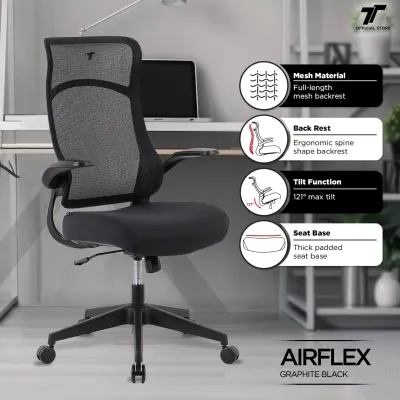
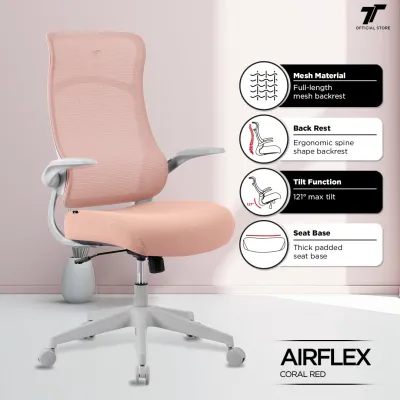
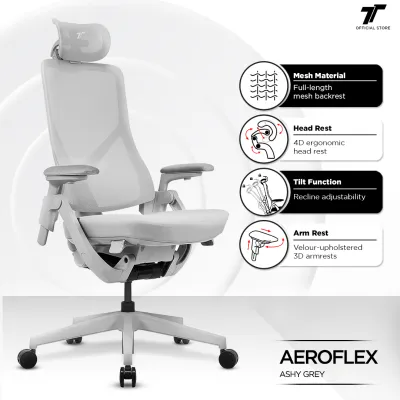
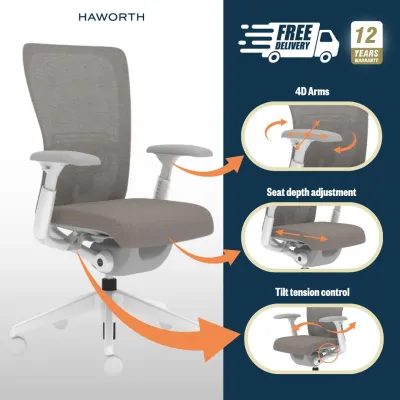
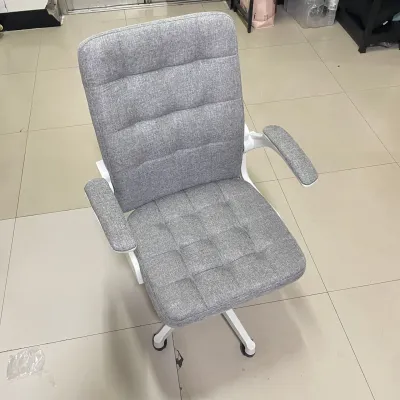
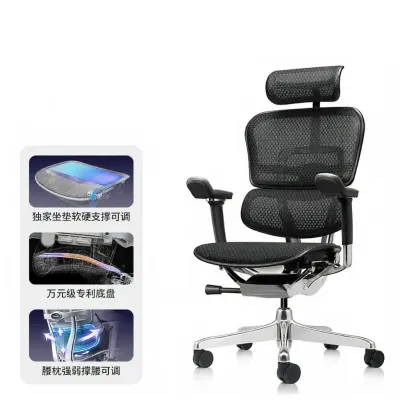
![[SG Ready Stocks] Ergonomic Office Chair - 8.5cm Thick Cushion + Antislip Surface Adjustable Backrest & Detachable Headrest Flip-Up Arms Rocking & Lock Function 15-Min Easy Assemble for Home/Office](https://img.lazcdn.com/g/p/056ecb65b2a442dd9a476ff654362085.jpg_400x400q80.jpg_.webp)
Prices are valid at publication and may change. Please refer to the product page for the latest price.
Lumbar Support Systems
The lower spine has a natural inward curve called lordosis. Sitting for extended periods without adequate support causes the surrounding muscles to overwork, leading to fatigue and lower back pain. Ergonomic chairs address this with either fixed or adjustable lumbar support. Fixed systems rely on a pre-shaped backrest curve, which only works if your height perfectly matches the chair’s design. Adjustable lumbar systems allow you to modify the height and sometimes the depth of the support pad, ensuring it sits precisely in the small of your back. Some advanced brands feature dynamic lumbar support, which automatically pivots and adjusts its tension as you shift positions throughout the day.
Seat Material and Breathability
The material of the seat pan affects both pressure distribution and thermal comfort. High-density molded foam provides excellent initial cushioning and distributes body weight evenly across the sit bones. However, foam acts as an insulator, retaining body heat and moisture, which can become uncomfortable during long sessions in rooms without active air conditioning. Elastomeric mesh solves this issue by promoting continuous airflow. However, the quality of mesh varies significantly. Premium mesh retains its tension and elasticity over years of daily use, whereas lower-grade mesh can sag over time, leading to increased pressure on the thighs and tailbone.
Adjustability Matrix
A truly ergonomic chair must adapt to your body, not the other way around. Look for three critical adjustments:
- 4D Armrests: These adjust in height, depth (forward/backward), width (sideways), and angle (pivot). They support your forearms and keep your shoulders relaxed, preventing strain in the neck and upper back.
- Seat Depth Adjustment: A sliding seat pan ensures that users of different heights can support their thighs fully without the front edge of the seat pressing against the back of their knees, which can restrict blood circulation.
- Synchro-Tilt Mechanism: This mechanism allows the backrest to tilt at a faster rate than the seat pan (typically a 2:1 ratio). This keeps your feet flat on the floor and your torso open as you recline, encouraging movement and reducing pressure on the spinal discs.
Build Quality and Weight Capacity
The structural integrity of a chair determines its safety and lifespan. High-quality chairs utilize heavy-duty bases made of polished aluminum or glass-fiber reinforced nylon, paired with Class 4 gas lifts. Always check the manufacturer’s specified weight capacity and the overall footprint of the base. A wider base provides better stability when fully reclined, reducing the risk of tipping, which is a crucial safety consideration for home offices.
How Popular Ergonomic Chair Brand Tiers Compare
Understanding the differences between market tiers helps clarify what you are paying for and sets realistic expectations for comfort and durability.

Premium Heritage Brands
Premium heritage brands represent the pinnacle of ergonomic design, backed by decades of orthopedic research and development. These manufacturers design chairs intended to last for decades in demanding corporate environments, and they offer extensive warranties—often up to 12 years—covering both mechanical parts and mesh materials.
These brands excel in granular adjustability and material science. Instead of standard foam or basic nylon mesh, they often use proprietary elastomeric suspension materials woven with varying tension zones. This design provides firmer support under the pelvis and softer suspension under the thighs, eliminating pressure points without the need for thick foam padding. Their tilt mechanisms are highly sophisticated, utilizing balanced spring or leaf-spring systems that mimic the natural pivot points of the human body, allowing you to transition from an upright typing posture to a relaxed recline effortlessly.
However, these premium options come with notable trade-offs. The initial financial investment is substantial, often ranging from S$1,500 to well over S$2,500. Additionally, many of these chairs feature a distinct, industrial aesthetic that may feel overly corporate in a cozy home environment.
When purchasing a premium heritage chair in Singapore, always verify that you are buying from a local authorized distributor. Because these chairs are heavy and complex, relying on parallel imports can make warranty claims, repairs, or part replacements exceptionally difficult and expensive if you have to ship the item internationally.
Mid-Range Ergonomic Specialists
Mid-range ergonomic specialists have gained immense popularity by targeting the work-from-home market directly. These brands bridge the gap between basic office chairs and high-end heritage models, typically pricing their products between S$500 and S$1,000.
These brands often focus heavily on localized designs and features highly requested by modern remote workers. In tropical climates, they emphasize ultra-breathable mesh backrests and seats, often sourcing high-quality mesh from specialized international manufacturers. Their designs frequently incorporate aggressive, highly visible lumbar support systems that appeal to users seeking immediate, pronounced lower-back pressure. Many of these chairs also feature modern, minimalist aesthetics, with white or pastel frames that blend seamlessly into residential interiors, or hybrid designs that appeal to both remote workers and gamers.
The primary trade-off in this tier lies in the mechanical components. To keep prices accessible, mid-range brands often utilize standardized, off-the-shelf tilt mechanisms rather than developing proprietary, custom-engineered systems. While these mechanisms are highly functional, they may not offer the same fluid, weightless reclining sensation as premium models. Additionally, while these brands offer decent warranties (typically 3 to 5 years), the long-term elasticity of the mesh and the durability of plastic joints should be verified through long-term user reviews.
Because many mid-range specialists operate on a direct-to-consumer model online, it is highly recommended to check their return policies and trial periods. A 14-to-30-day home trial allows you to test the chair’s comfort during actual work hours, which is the most reliable way to assess compatibility.
Budget and Direct-to-Consumer Options
Budget ergonomic chairs, usually priced under S$300, are widely available on online marketplaces and at local furniture warehouses. These options are designed for buyers who need a functional seating solution without a major financial commitment.
At this price point, chairs generally offer basic adjustments: standard pneumatic seat height, simple tilt-and-lock mechanisms, and occasionally 1D or 2D armrests. The seat pans are almost exclusively made of standard polyurethane foam covered in fabric, paired with a simple nylon mesh backrest. The lumbar support is typically a fixed plastic band or a manually adjusted cushion.
The compromises in the budget tier are directly related to materials and customizability. Limited adjustment options mean the chair must fit your body shape naturally out of the box; if the lumbar curve or armrest height does not align with your proportions, you cannot adjust them to compensate. Under continuous, eight-hour daily use, budget materials tend to degrade relatively quickly. Standard foam seats may flatten within a year, reducing cushioning and causing discomfort, while low-cost mesh can lose its tension, leading to a slouched posture.
If you decide on a budget chair, carefully review the manufacturer’s specified dimensions and weight limits. If possible, visit a physical showroom to test the chair before purchasing. Return policies for budget furniture bought online can be restrictive, and shipping a bulky, pre-assembled or partially assembled chair back to the seller can be costly.
Decision Framework: Which Brand Tier Fits Your Needs?
Selecting the right ergonomic chair tier requires balancing your daily usage patterns, physical needs, and workspace constraints.
Choose Premium Heritage if:
- You spend eight or more hours a day sitting at your desk and view your chair as a long-term investment in your spinal health and productivity.
- You have chronic back, neck, or shoulder pain that requires highly precise, micro-adjustable support to alleviate pressure.
- You want a chair backed by a comprehensive, decade-long warranty that guarantees the product will not need replacement for a generation.
Choose Mid-Range Specialists if:
- You work from home full-time but want to keep your budget within a moderate range of S$500 to S$1,000.
- You live in a warm environment and prioritize high-airflow mesh materials to maintain comfort without running air conditioning constantly.
- You prefer a modern, residential aesthetic that blends into your home decor rather than a traditional corporate look.
Choose Budget Options if:
- Your daily desk usage is limited to two to four hours, or you are setting up a secondary study space that sees occasional use.
- You have a strict budget and your physical proportions naturally align well with standard, non-adjustable furniture dimensions.
- You are comfortable with the prospect of replacing the chair or upgrading components after a few years of regular use.
Crucial Workspace Verification Checks
Before committing to any purchase, you must verify that the chair’s physical dimensions are compatible with your home office setup. Many ergonomic chairs feature wide, five-star bases (often measuring 65cm to 70cm in diameter) that may struggle to fit within compact study nooks or under small desks in Singapore apartments.
- Desk Height and Clearance: Measure the clearance under your desk. Ensure the chair's armrests can lower sufficiently to slide under the desk surface when you want to tuck the chair away. If your desk has a drawer or a thick support beam beneath the desktop, this clearance is even more critical.
- Doorway and Lift Access: For fully assembled premium chairs, verify that the package dimensions can pass through your home's doorways and lift access points without obstruction.
- Floor Protection: Consider the type of flooring in your home. Standard hard nylon casters can scratch parquet or vinyl flooring over time. If you have hard floors, check if the brand offers soft polyurethane casters or plan to use a protective floor mat.
Setting Up and Maintaining Your Chair for Daily Use
An ergonomic chair can only protect your posture if it is adjusted correctly and maintained properly over time.
Initial Posture Setup
To set up your chair for optimal support, follow this sequential adjustment process:
- Seat Height: Adjust the seat height so your feet rest completely flat on the floor. Your knees should form a 90-degree angle, with your thighs parallel to the ground. This position minimizes pressure on the underside of your thighs.
- Seat Depth: Slide the seat pan forward or backward until there is a gap of approximately two to three fingers between the front edge of the seat and the back of your knees. This prevents the seat from compressing blood vessels while ensuring your thighs are fully supported.
- Lumbar Height: Position the lumbar support cushion or curve so it fits snugly against the natural inward curve of your lower spine (just above your beltline).
- Armrest Position: Adjust the armrests so your elbows rest comfortably at a 90-degree angle, level with your desk surface. Your shoulders should remain relaxed and down, not shrugged.
- Tilt Tension: Set the recline tension so the backrest supports your weight when sitting upright, but allows you to recline gently when you lean back, without requiring you to push hard with your legs.
Routine Cleaning and Maintenance
To preserve the appearance and performance of your chair, establish a simple cleaning routine. For mesh backrests and seats, use a vacuum cleaner equipped with a soft brush attachment once a month to remove dust, lint, and skin cells that accumulate in the weave. For plastic frames, metal bases, and armrest pads, wipe them down with a damp microfiber cloth.
Long-Term Care and Safety
Over months of daily movement, the screws and bolts holding your chair together can gradually loosen. Every six months, inspect the underside of the chair and use the provided hex key to tighten any visible fasteners. This simple check prevents wobbling and protects the structural integrity of the joints. Avoid using harsh chemical solvents, bleach, or abrasive cleaners on mesh or plastic components, as these can degrade the material’s elasticity and structural strength. Always consult the manufacturer’s specific care label and user manual before applying any cleaning agents.
Frequently Asked Questions (FAQ)
Is a headrest necessary for long home office sessions?
A headrest is not a mandatory requirement for maintaining ergonomic posture during active typing or upright tasks, as your head should naturally align over your spine. Headrests are primarily beneficial when you recline to take calls, read, or rest. If you frequently work in a reclined position, an adjustable headrest can reduce neck strain; however, if you work almost exclusively in an upright, focused posture, a headrest is unnecessary and can sometimes push your head too far forward if adjusted incorrectly.
How do I know if an ergonomic chair will fit my body type?
To ensure a proper fit, do not rely solely on general height and weight recommendations. Compare your physical measurements against the manufacturer’s detailed specification sheet. Specifically, measure your inseam length to ensure it falls within the chair’s seat depth range, check that the seat width accommodates your hips comfortably, and verify that the armrests can adjust to your elbow height when sitting. If your measurements are near the upper or lower limits of a chair’s specifications, prioritize models with highly adjustable seat pans and armrests, or visit a physical showroom to test the fit in person.

Community discussion
Share your experience or ask a question. Comments are reviewed before publication.