
Selecting the right dining chairs is one of the most impactful design decisions you will make for your home. For those drawn to the clean lines of Scandinavian design or the warm, minimalist fusion of Japandi, finding the perfect balance between comfort and daily utility is essential. To secure authentic pieces that withstand the tropical climate while elevating your space, you need to know which brands offer genuine craftsmanship rather than mass-produced imitations. In Singapore, retailers like Castlery, Scanteak, and Soul & Tables lead the market by providing high-quality, durable seating options tailored for modern apartments. By understanding the core design philosophies and knowing where to shop, you can invest in furniture that combines timeless aesthetics with structural longevity.
How to Identify Authentic Japandi and Scandinavian Dining Chairs
Understanding the subtle design distinctions between Scandinavian and Japandi styles is crucial before visiting showrooms. While both aesthetics celebrate simplicity and functionality, they draw from different cultural roots and material palettes, resulting in distinct visual weights and textures in your dining room.
Scandinavian Traits Scandinavian design emerged from the Nordic countries, where long, dark winters necessitated bright, light-filled interiors. Consequently, authentic Scandinavian dining chairs prioritize light-colored woods such as European oak, ash, and beech. The design language emphasizes functional minimalism, organic curves, and ergonomic support. Upholstery is typically bright, neutral, or pastel, using natural fibers like wool or linen blends. The overall profile of a Scandinavian chair is airy and lightweight, allowing light to flow freely through a room and making it ideal for smaller dining spaces.
Products mentioned in this guide
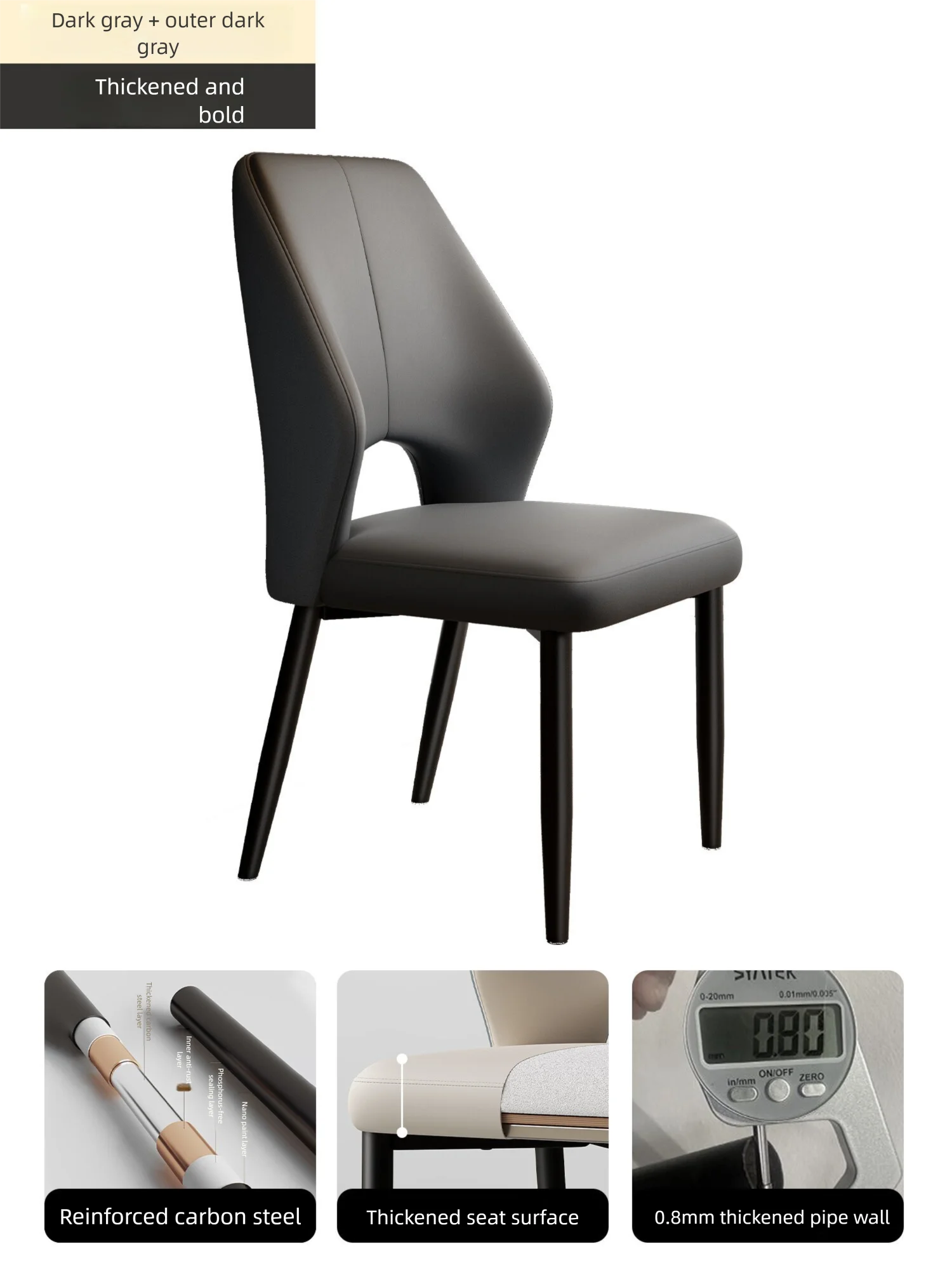
Prices are valid at publication and may change. Please refer to the product page for the latest price.
Japandi Traits Japandi is a deliberate fusion of Scandinavian functionalism and Japanese rustic minimalism, heavily influenced by the philosophy of wabi-sabi, which finds beauty in imperfection. While it retains the clean lines of Nordic design, Japandi introduces warmer, richer wood tones like teak, chestnut, or walnut. Profiles are generally lower to the ground, reflecting traditional Japanese floor-living aesthetics. Tactile, organic textures are prominent, featuring hand-woven paper cord, natural rattan, and raw linen upholstery. The color palette is earthier, incorporating charcoal, olive, and warm terracotta alongside neutral tones.
Quality Markers Authentic quality goes beyond surface appearance. When evaluating chairs, look for traditional joinery techniques, such as mortise and tenon or dowel joints, which allow the wood to expand and contract naturally without relying heavily on metal screws or cheap adhesives. Solid wood construction is highly preferable to thin veneers over particleboard, especially for high-use furniture like dining chairs. Additionally, check for sustainable sourcing certifications, such as the Forest Stewardship Council (FSC), which ensure the timber is harvested responsibly. High-quality chairs will also feature seamlessly sanded edges and a balanced frame that does not wobble when weight is applied.
Top Brands for Japandi and Scandinavian Dining Chairs in Singapore
Singapore’s retail landscape offers a diverse range of furniture brands catering to different budgets and design preferences. To help you find the perfect match, the top options are categorized below by their brand positioning, craftsmanship focus, and sourcing methods.

Established Local Woodcraft and Design Brands
Local brands in Singapore have mastered the art of designing furniture specifically tailored for modern apartments, balancing spatial constraints with high-quality materials.
Castlery Castlery is highly regarded for modern, accessible designs that seamlessly bridge Scandinavian and mid-century modern aesthetics. Their dining chairs often feature curved oak frames, tapered legs, and durable polyester-blend upholstery designed to withstand daily wear. They offer excellent value for HDB owners looking for stylish, entry-to-mid-range options. While they primarily produce in batches rather than custom-made pieces, their designs are highly cohesive, making it easy to coordinate a complete dining set.
Scanteak A household name in Singapore, Scanteak specializes in solid teak furniture designed with Scandinavian simplicity. Teak is naturally rich in protective oils, making these chairs incredibly durable and resistant to moisture and pests in Singapore’s humid climate. Their designs feature clean lines, slatted backrests, and slim profiles that fit comfortably in compact dining rooms. Scanteak’s focus on structural integrity and practical maintenance makes their chairs a reliable choice for long-term use.
Commune For a warmer, more rustic take on Japandi, Commune offers beautifully crafted solid wood dining chairs. They frequently utilize sustainably sourced American walnut and oak, pairing them with leather or woven elements. Their pieces lean into the organic, textured side of Japandi, featuring curved backrests and dark, rich finishes that add depth to neutral interiors. Commune also offers various wood stains and fabric grades, allowing for a degree of personalization to match your existing decor.
Contemporary Scandinavian Importers and Retailers
If you are looking for authentic European designs or pieces imported directly from Nordic design houses, these specialized retailers offer curated collections that emphasize original craftsmanship.
Kuhl Home This showroom specializes in premium Danish furniture, importing authentic Scandinavian brands like Bolia and Skovby. Their collection highlights the pinnacle of Nordic craftsmanship, focusing on ergonomic molded plywood, solid ash or oak frames, and highly customizable fabric options. These chairs are ideal for homeowners seeking authentic designer pieces with exceptional structural integrity. Kuhl Home’s offerings are particularly suited for those who appreciate the subtle details of high-end European manufacturing.
Grafunkt Grafunkt is a design-led lifestyle brand in Singapore that curates contemporary furniture with a strong minimalist aesthetic. They offer dining chairs that emphasize space-saving functionality, featuring stackable designs, slim metal-and-wood hybrids, and highly refined silhouettes. Their pieces are perfect for compact condominium dining spaces where visual clutter must be kept to a minimum. Grafunkt focuses on forward-thinking designs that merge Nordic utility with modern urban living.
Danish Design Co For those looking to invest in iconic, licensed Scandinavian designs, Danish Design Co imports legendary pieces from brands like Carl Hansen & Søn and Fredericia. Here, you will find masterworks like the CH24 Wishbone Chair, featuring hand-woven paper cord seats and steam-bent solid wood frames. These chairs represent long-term heirloom investments with timeless appeal. While they come with a premium price tag, their historical design pedigree and unmatched comfort justify the investment for design enthusiasts.
Boutique Curators and Custom Furniture Studios
For buyers seeking unique, artisanal, or highly customizable Japandi pieces, boutique curators and custom studios offer personalized services and premium material selections.
Soul & Tables Combining premium materials with high-end customer service, Soul & Tables offers beautifully curated oak and teak dining chairs. Their pieces emphasize clean, contemporary lines and are finished with natural oils rather than heavy varnishes, allowing the natural grain of the wood to shine. They provide a lifetime warranty on their solid wood frames, reflecting their confidence in the craftsmanship. Their transparent pricing and complimentary delivery make the purchasing process seamless.
Journey East Located in the Tan Boon Liat Building, Journey East is celebrated for its curated selection of reclaimed teak, industrial, and retro-modern furniture. Their Japandi-style offerings often feature hand-woven rattan, reclaimed wood with unique patina, and organic shapes. These chairs appeal to buyers looking for unique, soul-infused pieces that stand out from mass-market designs. Journey East focuses on eco-friendly, sustainable sourcing, making them a favorite for environmentally conscious shoppers.
Custom Studios and Bespoke Options For a truly tailored dining experience, boutique studios in Singapore allow you to customize timber species, wood stains, and upholstery fabrics. You can select premium, tactile materials like textured bouclé, top-grain aniline leather, or hand-woven paper cord. While these made-to-order pieces involve longer lead times—often ranging from 8 to 12 weeks—the reward is a set of dining chairs perfectly scaled and styled for your home. These studios typically offer personalized design consultations to ensure your chairs match both your aesthetic vision and spatial requirements.
Key Features to Compare Before Buying
To ensure your selected dining chairs fit your actual living environment, dining table, and daily habits, you must compare several practical dimensions and material characteristics before making a purchase.
Dimensions and Proportions Achieving spatial harmony requires precise measurements. Standard dining tables in Singapore stand at approximately 75 cm high, meaning your dining chairs should have a seat height of 45 cm to 48 cm to allow for comfortable leg clearance of about 27 cm to 30 cm. If you prefer chairs with armrests, ensure the armrest height (typically 65 cm to 70 cm) can slide fully underneath your dining table to save space when not in use. Additionally, consider the visual weight of the chairs; high-back solid wood chairs can make a small dining alcove feel cramped, whereas open-back, spindle-back, or low-profile designs maintain an airy, spacious feel.
Material Durability in Singapore’s Climate Singapore’s high relative humidity poses a unique challenge for natural wood furniture. Solid hardwoods like teak, oak, and ash are highly stable, but they must be properly treated to prevent warping or cracking. Look for chairs finished with high-quality protective coatings, such as water-resistant polyurethane or natural hardwax oils. Engineered wood or wood veneers are more susceptible to moisture damage and peeling over time if exposed to dampness. For upholstery, natural fibers like linen and cotton should be treated with stain-resistant coatings, or you can opt for synthetic polyester blends that mimic natural textures while offering superior moisture resistance and easy cleaning.
Comfort and Ergonomics A dining chair is often more than just a place to eat; in many Singaporean households, the dining table doubles as a work-from-home desk. Evaluate the seat depth (ideally between 40 cm and 45 cm) to ensure your thighs are fully supported without the front edge cutting into the back of your knees. The backrest should have a gentle lumbar curve and a slight recline (around 100 to 105 degrees) to support natural posture. If you opt for un-cushioned wooden seats, look for contoured seat pans that distribute weight evenly, or consider adding high-density foam cushions upholstered in breathable fabrics.
Maintenance Requirements Your household lifestyle should dictate your material choices. Families with young children or pets should avoid light-colored, highly textured fabrics like bouclé or raw linen, which trap pet hair and are prone to staining. Instead, opt for performance fabrics, leather, or easy-to-wipe solid wood seats. If you choose natural paper cord or rattan, keep in mind that these materials require occasional vacuuming with a soft brush attachment and should be kept dry to prevent mold growth. Solid wood frames should be wiped down with a dry or slightly damp microfiber cloth; avoid harsh chemical cleaners that can strip away the protective protective wax or oil finish.
Where to View and Test These Chairs in Singapore
Investing in a full set of dining chairs requires hands-on evaluation to ensure they meet your comfort expectations and spatial requirements.
Showroom Strategy While online shopping offers convenience, testing dining chairs in person is irreplaceable. Visit furniture hubs like the Tan Boon Liat Building in Outram, the Henderson industrial estate, or dedicated brand showrooms in Ubi and Pasir Panjang. Sit in the chairs for at least 10 to 15 minutes to assess the ergonomics, run your hands over the timber joints to check for smooth sanding, and inspect the quality of the upholstery stitching. If possible, test the chairs against a dining table of similar height to yours to verify the clearance.
Space and Delivery Planning Before placing an order, measure your dining area carefully. Allow at least 60 cm to 70 cm of clearance behind each chair to let diners pull the chair out and stand up comfortably. If your dining space is a high-traffic corridor, you may need up to 90 cm of clearance. Additionally, measure your home’s entry points. Verify the dimensions of your HDB or condominium lift car, main doorway, and any tight corridor corners to ensure the delivery team can safely transport fully assembled chairs into your home without damaging the walls or the furniture.
Lead Times and Warranties Always clarify delivery timelines before purchasing. While local retailers may have standard items in stock for delivery within 1 to 2 weeks, imported European designs or customized pieces can take 12 to 16 weeks to arrive in Singapore. Furthermore, review the manufacturer’s warranty policies. A reputable brand should offer at least a 1- to 3-year warranty covering structural defects, joint separation, and wood warping under normal indoor conditions. Be sure to check what is excluded, such as natural wear and tear, fabric fading, or damage caused by improper cleaning.
Frequently Asked Questions (FAQ)
Can I mix Japandi and Scandinavian chairs at the same dining table?
Yes, mixing these styles can create a beautifully curated, lived-in look. To maintain visual harmony, ensure all chairs share a consistent seat height (usually around 45 cm) so guests sit at the same level. You can unify mismatched frames by choosing a single cohesive element, such as matching wood tones (e.g., pairing light oak with natural ash) or using identical seat cushions. Alternatively, place a matching pair of armchairs at the ends of the table and use a different but complementary style for the side chairs.
How do I protect light wood dining chairs from humidity in Singapore?
To protect light wood chairs from Singapore’s humidity, position them away from direct sunlight, which can cause wood to fade and crack, and keep them out of the direct path of air-conditioning vents to avoid rapid temperature shifts. Maintain a stable indoor environment by using dehumidifiers or ceiling fans to improve air circulation. Wipe up any liquid spills immediately with a dry cloth to prevent water spots, and occasionally apply a manufacturer-approved wood conditioner or hardwax oil to preserve the timber’s natural moisture barrier.

Community discussion
Share your experience or ask a question. Comments are reviewed before publication.