
Transitioning your child from a crib to their first toddler bed is a major milestone, but finding a safe option in Singapore’s diverse furniture market requires careful evaluation. Because Singapore imports children’s furniture from various global regions, you will encounter a wide range of safety labels rather than a single local certification. To make an informed decision, you must know how to decode international safety standards and perform hands-on physical inspections before your child ever takes their first nap.
By combining verified certification checks with practical, physical assessments of the bed frame, you can significantly reduce the risk of falls, entrapment, and exposure to harmful chemicals. This guide outlines the key international standards to look for, how to inspect a bed’s physical structure, and how to set up the sleeping space safely within your home.
Recognizing Common International Safety Standards
When browsing online marketplaces or visiting local showrooms in Singapore, the product labels and instruction manuals are your first line of defense. Look for specific, recognized international safety standards that indicate the bed has undergone rigorous structural and chemical testing. The most common frameworks you will encounter include ASTM, EN, and CPSIA.
Products mentioned in this guide

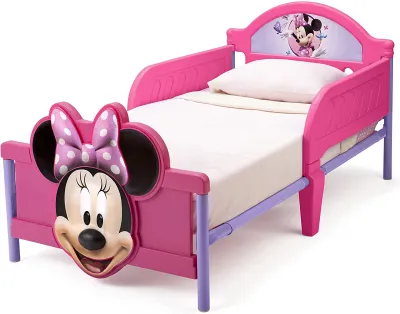

Prices are valid at publication and may change. Please refer to the product page for the latest price.
ASTM F1821 is the standard consumer safety specification for toddler beds established by the American Society for Testing and Materials. This standard specifically tests the structural integrity of the bed, the strength of the guardrails, and the prevention of entrapment hazards. If a product carries this certification, it means the design has been evaluated to withstand the typical movements and weight of a growing toddler.
In Europe, the equivalent standard is EN 8509, which outlines safety requirements and test methods for children’s domestic beds. This standard focuses on minimizing risks such as sharp edges, protruding parts, and gaps that could trap a child’s head or limbs. Additionally, look for compliance with the Consumer Product Safety Improvement Act (CPSIA), which regulates chemical safety, ensuring that lead and phthalate levels in children’s products remain within safe limits.
Always locate these certification marks directly on the product packaging, the law tags attached to the frame, or within the manufacturer’s instruction manual. Do not rely on broad brand-wide safety claims; instead, verify that the specific model number you are purchasing matches the certification documents. Furthermore, ensure the standards listed are designed specifically for toddler beds or children’s furniture, rather than general adult furniture or toys, as the safety thresholds differ significantly.
Performing Physical Safety Inspections Before Use
While printed certifications provide peace of mind, they do not replace a thorough, hands-on physical inspection of the assembled bed. Before allowing your child to sleep in the bed, you must verify that the physical structure matches the safety expectations of a young child’s environment.

Begin by checking the guardrails, which are essential for preventing falls during the transition from a crib. Ensure the guardrails are securely attached and sit high enough above the mattress to prevent your child from rolling over them. Inspect the spacing between the guardrail slats and the frame; these gaps must be narrow enough to prevent your child’s head, torso, or limbs from becoming trapped, yet wide enough that fingers cannot get pinched.
Next, assess the overall stability of the bed frame by applying firm, downward and lateral pressure to different areas. The bed should feel solid and grounded, without swaying, creaking, or sliding easily across your flooring. In Singapore’s typical high-rise apartments, floors are often smooth tile or polished wood, which can make bed stability and grip even more critical to prevent accidental sliding.
Run your hands along every surface, corner, and joint of the bed frame to check for hazards. All hardware, including screws, bolts, and brackets, must be fully recessed or covered with smooth plastic caps to prevent scratches or clothing snags. If you notice any structural wobbling, misaligned pre-drilled holes, or unusual noises during assembly, stop immediately and consult the manufacturer rather than attempting to force the pieces together.
Checking Materials and Surface Finishes
The materials used to construct a toddler bed directly impact your child’s health and the product’s longevity. Because toddlers often chew on bed rails or touch surfaces frequently, evaluating the chemical safety of the finishes is just as important as checking structural stability.
Review the product specifications and labels for clear claims regarding material composition and surface treatments. Look for finishes labeled as non-toxic, lead-free, and low-VOC (Volatile Organic Compounds). Certifications such as Greenguard Gold indicate that the product has been tested for low chemical emissions, helping to maintain better indoor air quality in your child’s bedroom.
Use your senses as an immediate quality check when unboxing the bed. A strong, pungent chemical odor is a common indicator of off-gassing from paints, lacquers, or adhesives. If you detect a strong smell, place the components in a well-ventilated area outside of the bedroom to air out; if the odor persists after several days, contact the seller or manufacturer before allowing your child to use the bed.
Consider how different materials perform under Singapore’s warm, humid climate. Solid wood is highly durable and sturdy, but it requires regular checks to ensure the humidity has not caused the wood to warp or the joints to loosen. Engineered wood is often more resistant to humidity-related warping, but you must verify that all edges are fully sealed to prevent moisture absorption and off-gassing. Metal frames are exceptionally strong and easy to clean, though you must inspect the weld points carefully to ensure there are no sharp burrs.
Ensuring Safe Assembly and Room Placement
Even the most highly certified toddler bed can become hazardous if it is assembled incorrectly or placed in an unsafe location within the bedroom. Proper planning of the room layout and precise assembly are crucial steps in creating a secure sleeping environment.
When planning the layout of the bedroom, ensure the bed is positioned far away from potential hazards. Keep the bed clear of windows, curtain cords, blind chains, electrical outlets, and wall-mounted heaters. In Singaporean bedrooms where space is often limited, maintaining these clearance zones requires careful furniture arrangement to eliminate strangulation and fall risks.
During assembly, follow the manufacturer’s instruction manual exactly, without omitting any steps or hardware. Every screw, dowel, and support slat plays a role in distributing weight and maintaining the structural tension of the bed. Never substitute missing parts with random hardware from around the house, as improper fasteners can fail under pressure.
If the manufacturer provides anti-tip anchoring devices, install them according to the instructions to secure the bed to the wall. If no anchors are provided, position the bed flush against a solid wall to eliminate any gaps where a child could slip and become trapped. If you encounter missing parts, damaged components, or instructions that do not match the physical pieces, halt the assembly process and contact the retailer for assistance.
Knowing When to Stop Using the Toddler Bed
A toddler bed is a transitional piece of furniture designed for a specific stage of your child’s development. Recognizing when your child has outgrown the bed is essential for maintaining a safe sleeping environment over the long term.
Monitor your child’s physical growth and developmental milestones closely. Once your child reaches the manufacturer’s stated weight or height limits, the bed can no longer support them safely. Additionally, if your child becomes active enough to easily climb over the guardrails, the risk of falls increases, signaling that it is time to transition to a standard single bed.
Regularly inspect the bed for signs of structural wear and tear that could compromise safety. Look for hairline cracks in wooden slats, loose joints that do not stay tight after fastening, or bent metal brackets. If the frame begins to sag or the guardrails become unstable despite tightening the hardware, the bed’s structural integrity is compromised.
Do not attempt temporary DIY fixes on critical safety components like guardrails or support slats. If you are uncertain about the structural integrity of the bed after a period of use, consult the manufacturer or a qualified professional. Replacing an aging or damaged bed is always the safest course of action for your growing child.
Frequently Asked Questions (FAQ)
Do I need a specific local safety certificate for toddler beds in Singapore?
There is no specific, mandatory local safety registration mark required for toddler beds sold in Singapore, unlike household electrical appliances. However, consumer goods are regulated generally under the Consumer Protection (Safety Requirements) Registration Scheme managed by Enterprise Singapore. Local retailers are legally obligated to sell safe products, and verifying recognized international standards like ASTM or EN is the standard industry practice to ensure compliance.
Is a convertible crib safer than a standalone toddler bed?
Both options can provide a safe sleeping environment, provided they meet their respective safety standards. A convertible crib offers the advantage of familiarity, but you must ensure you use the manufacturer’s official conversion kit and follow the instructions precisely. Standalone toddler beds are designed specifically for this transitional phase, often sitting lower to the ground, which can make entry and exit easier and safer for a young child.
How often should I inspect the bed's hardware and joints?
You should perform a quick visual check of the bed’s hardware and joints weekly, looking for any visible gaps or loose screws. A more thorough inspection, including tightening all bolts and brackets with the appropriate tools, should be conducted every three to six months. Active toddlers often jump or play on their beds, which can gradually loosen fasteners over time and compromise structural stability.

Community discussion
Share your experience or ask a question. Comments are reviewed before publication.