
Selecting the perfect dining table is one of the most significant furniture decisions you will make for your home. As the centerpiece of your dining room, this piece must withstand daily meals, homework sessions, and social gatherings while maintaining its visual appeal. When shopping for a solid wood table, you will frequently encounter three prominent options: teak, oak, and rubberwood. Each of these timbers brings distinct characteristics, price points, and maintenance requirements to your living space.
To make an informed decision, you must look beyond the surface beauty of the wood. The ideal choice balances the physical properties of the timber with the practical realities of your household, such as daily spills, direct sunlight, and spatial constraints. While teak is celebrated for its premium quality and natural oils, oak offers a classic, highly textured grain with robust durability, and rubberwood provides an accessible, eco-friendly entry point into the world of solid wood furniture. By understanding the unique properties of each material, you can select a dining table that aligns perfectly with your lifestyle and interior design goals.
Understanding the Contenders: Teak, Oak, and Rubberwood
Teak (Tectona grandis) is highly regarded as one of the most prestigious hardwoods for furniture. Native to tropical regions, it is sought after for its dense grain and natural oil content, which historically helped protect the wood from moisture and pests. When shopping for a teak dining table, look closely at product labels and specifications. Manufacturers often categorize teak into different grades (Grade A, B, or C) based on wood maturity. Grade A teak, taken from the heartwood of mature trees, offers the highest density and oil content, whereas lower grades contain more sapwood and require more frequent protective treatments.
Products mentioned in this guide
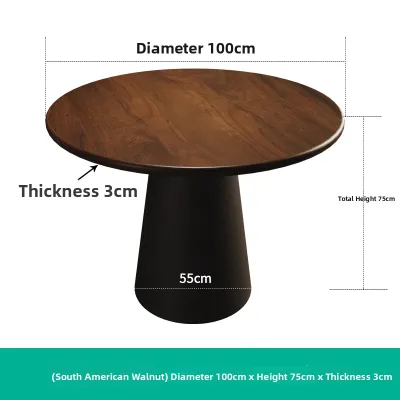
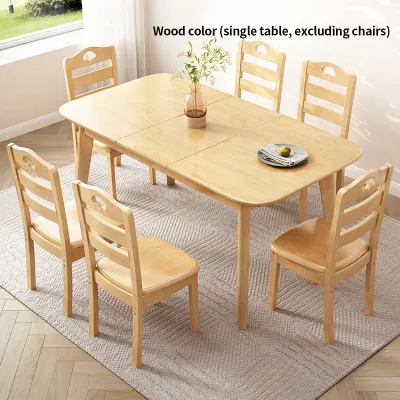
8 Lazada user ratings
Hi seller,l just received this table and we found out that it was damage as shown on the picture.Please kindly do a return and refund asap .…Read full reviewShow less
Hi seller,l just received this table and we found out that it was damage as shown on the picture.Please kindly do a return and refund asap . Thank
Received items and we’ll pack without any damage. Good service with items protected and will considering purchase in future. 👍🏻
Order received, nice solid wood but very stable. Some parts chipped off under the table
Very good thank you ☺️
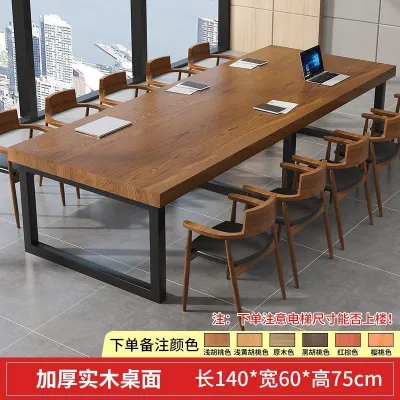
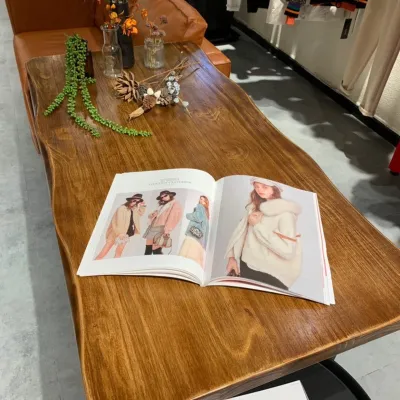
1 Lazada user ratings
Today I have received the item. However, there was a dent on the surface of the table that was resulted from the impact on the box during sh…Read full reviewShow less
Today I have received the item. However, there was a dent on the surface of the table that was resulted from the impact on the box during shipment or delivery. The seller responded promptly by making some compensation.
Prices are valid at publication and may change. Please refer to the product page for the latest price.
Oak remains a timeless favorite in both traditional and contemporary furniture design, primarily split into Red Oak and White Oak. Known for its exceptional strength and prominent, open grain patterns, oak brings structural permanence to any dining room. However, because oak is highly valued, some tables on the market feature an oak veneer over an engineered wood core rather than solid oak throughout. Before purchasing, verify the exact construction details with the retailer to ensure you are getting solid timber, which directly impacts the table’s weight, durability, and ability to be refinished.
Rubberwood, derived from the Hevea brasiliensis tree, is a light-colored hardwood that has gained popularity as an eco-friendly, budget-conscious alternative to traditional timbers. Harvested from rubber plantations after the trees complete their latex-producing cycle, this wood is highly sustainable because it repurposes material that would otherwise be discarded. While rubberwood is a genuine hardwood, it is naturally more susceptible to moisture absorption than teak or oak if left unprotected. When evaluating a rubberwood table, inspect the quality of the joints—such as finger joints—and ensure the factory-applied protective finish is robust and evenly distributed.
Durability and Daily Wear: Hardness and Maintenance
Evaluating dining table durability requires focusing on measurable physical properties rather than marketing buzzwords. One of the most reliable indicators of a wood’s resistance to denting is the Janka hardness rating, which measures the force required to embed a steel ball halfway into the timber. Rather than assuming a wood is exceptionally hard based solely on its name, check the product specification sheets for standard Janka ratings. Generally, white oak and mature teak sit higher on the Janka scale, making them highly resilient against the accidental impacts of dropped cutlery and daily family activities. Rubberwood, while still classified as a hardwood, sits slightly lower on the scale, meaning it may show surface indentations more easily under concentrated pressure.

While wood hardness determines dent resistance, a table’s ability to withstand spills, water rings, and food stains depends almost entirely on the applied surface finish rather than the wood species itself. Raw wood is naturally porous and will absorb liquids, leading to stains or structural swelling. Common factory finishes include polyurethane, lacquer, and penetrating oils, each offering a different level of protection. Polyurethane and lacquer create a hard, impermeable barrier over the wood surface, making them highly resistant to moisture and easy to wipe clean. Penetrating oils sink into the wood fibers to highlight the natural texture but require more careful handling of spills. Always consult the manufacturer’s care instructions to understand the specific cleaning limits of your table’s finish.
Routine maintenance practices vary depending on the wood type and the finish applied by the manufacturer. For daily care, all solid wood dining tables benefit from simple preventative measures, such as using coasters under cold drinks, placemats under dinnerware, and trivets under warm serving dishes. Dusting the table regularly with a soft, dry microfiber cloth prevents abrasive dust particles from scratching the finish. If your table features an oil-rubbed finish, plan for periodic reapplication of specialized wood oils to prevent the timber from drying out and cracking, especially in air-conditioned environments. Conversely, a high-quality lacquer or polyurethane finish typically requires no such reoiling, needing only a damp cloth for occasional cleanup.
Aesthetics and Grain Patterns: Matching Your Dining Room
The visual character of your dining table plays a pivotal role in defining the atmosphere of your dining area. Teak is celebrated for its rich, warm aesthetic, typically showcasing a golden-to-medium brown hue that naturally darkens over time when exposed to light. The grain of teak is generally straight and tight, though occasional wavy patterns can occur, giving each table a distinct, organic appearance. This warm coloration and clean grain structure make teak an exceptional match for mid-century modern, Scandinavian, or relaxed coastal interior design styles.
Oak offers a dramatically different visual experience, characterized by its highly visible, open grain and strong tactile texture. The prominent growth rings and unique medullary rays—often referred to as “flecking”—give oak tables a classic, substantial presence that commands attention. Because of its open-pore structure, oak takes stains exceptionally well, allowing manufacturers to offer a wide spectrum of color options. You can find oak tables finished in everything from pale, whitewashed tones that suit modern rustic spaces to deep, dark espresso stains perfect for formal dining rooms. To ensure the table complements your existing furniture, verify the available stain options and request physical wood samples from the retailer before making a decision.
Rubberwood presents a much lighter, pale cream-to-yellowish natural tone with a subtle, tight grain pattern that is far less pronounced than that of oak. Because its natural appearance is relatively uniform and neutral, rubberwood is frequently stained at the factory to mimic more expensive hardwoods like walnut, cherry, or mahogany. This versatility allows you to achieve a premium look at a fraction of the cost. However, because rubberwood is often heavily stained, it is crucial to inspect the table in person or review high-resolution photos to ensure the stain has been applied evenly and does not obscure the natural beauty of the wood grain.
Cost and Value: What to Expect When Shopping
Understanding the price positioning of these three wood types is essential for establishing a realistic budget. Teak sits firmly at the premium end of the market, reflecting the slow growth rate of the trees, strict harvesting regulations, and high global demand. Investing in a solid teak dining table is often viewed as a long-term heirloom purchase. Oak occupies the mid-to-high price range, offering a highly durable and structurally sound investment that balances long-term value with classic aesthetic appeal. Rubberwood serves as the entry-level solid wood option, providing an affordable pathway for homeowners who want the warmth and authenticity of real timber without the premium price tag.
However, the value of a dining table is not determined by the wood species alone; the overall build quality and construction methods play an equally critical role in its longevity. When shopping, look closely at how the table is put together. High-quality solid wood tables often utilize traditional joinery techniques, such as mortise-and-tenon joints or dowels, which allow the wood to expand and contract naturally without losing structural integrity. Avoid tables that rely solely on cheap screws or glue at critical load-bearing points. Additionally, examine the stability of the base and the thickness of the tabletop; a sturdy, well-engineered base prevents wobbling and ensures the table can safely support daily use.
Before finalizing your purchase, conduct essential spatial and logistical checks to ensure the table fits your home. Measure your dining space carefully, allowing at least 90 centimeters of clearance between the table edge and the nearest wall or furniture piece to accommodate chairs and allow comfortable movement. Consider the delivery process as well: solid wood tables, particularly those made of dense oak or teak, can be incredibly heavy and difficult to maneuver. Verify the overall dimensions and total weight of the table, and check whether the legs can be detached for transport. Ensure that your doorways, hallways, and lift access can accommodate the packaged table to avoid delivery day complications.
How to Decide: The Final Verdict for Your Home
To choose the best solid wood dining table for your home, weigh your aesthetic preferences, budget, and maintenance expectations against the unique characteristics of each timber.
Choose Teak if you are looking for a premium, heirloom-quality piece with a warm, golden aesthetic and are willing to invest a higher budget. Teak is ideal for those who appreciate the natural beauty of high-end timber and want a table that will age gracefully over decades, provided you verify that the factory finish aligns with your preferred level of maintenance.
Choose Oak if you desire a highly visible, textured grain pattern with a strong, traditional presence. Oak is the perfect choice for households seeking a highly durable, mid-to-premium table that can handle heavy daily use while offering the flexibility of various stain options to match existing decor.
Choose Rubberwood if you are working within a modest budget but still want a genuine, sustainable solid wood table. It is an excellent option for those who prefer a lighter-weight table, appreciate eco-friendly materials, and are satisfied with factory-applied stains that mimic more expensive wood species.
Verify First if your dining table will be placed in an environment with direct sunlight, near heating vents, or in areas with high humidity fluctuations. Solid wood is a natural, living material that responds to its surroundings. Always check the manufacturer’s environmental guidelines, recommended indoor conditions, and warranty terms regarding wood movement, warping, or splitting before making your final purchase.
Frequently Asked Questions (FAQ)
Is solid wood always better than engineered wood for dining tables?
Solid wood offers the distinct advantage of being sandable and refinishable, meaning scratches, dents, and surface wear can be repaired over time, allowing the table to last for generations. However, solid wood is a living material that naturally expands and contracts with changes in humidity, which can lead to minor warping or splitting if not properly cared for. Engineered wood, such as high-density fiberboard (MDF) topped with a wood veneer, provides excellent dimensional stability and is highly resistant to warping caused by environmental shifts. However, engineered wood cannot be deeply sanded or refinished once the thin veneer layer is damaged. When choosing, check the core material on the product specification sheet to decide which trade-off best suits your home’s climate and usage.
How can I tell if a dining table is truly solid wood?
To verify if a dining table is made of genuine solid wood, start by examining the edges of the tabletop. On a true solid wood table, the grain pattern will flow continuously from the top surface, over the edge, and down the side. If the grain abruptly changes direction, looks perfectly uniform, or shows a repeating pattern, it is likely a veneer applied over engineered wood. Next, inspect the underside of the table; solid wood tables typically have unfinished or lightly sealed undersides that display the same grain patterns and natural imperfections as the top. Finally, feel the weight of the table; solid timber tables are generally much heavier and feel more structurally solid than those made of hollow or lightweight composite materials.

Community discussion
Share your experience or ask a question. Comments are reviewed before publication.