
Choosing the right wooden dining table is a foundational decision for any home. The choice between solid wood, wood veneer, and engineered wood determines not only the table’s initial appearance but also how it will withstand daily meals, spills, and environmental changes over the years. Each material offers a distinct balance of durability, aesthetic character, and cost, making it essential to understand their structural differences before making a purchase.
Solid wood provides natural longevity and unique character, but it requires a higher upfront investment and regular maintenance. Wood veneer offers the authentic look of premium timber at a more accessible price point by applying a thin layer of real wood over a stable composite core. Engineered wood serves as a highly budget-friendly and stable alternative, utilizing composite materials finished with synthetic laminates to mimic natural wood.
Understanding the Core Materials of Wooden Dining Tables
Solid wood is milled directly from single pieces of timber harvested from trees such as oak, walnut, teak, or mahogany. Every part of the table, from the tabletop surface to the core and the legs, consists of continuous natural wood. This construction preserves the organic growth rings, knots, and grain variations of the original tree, ensuring that no two solid wood tables are identical.
Products mentioned in this guide
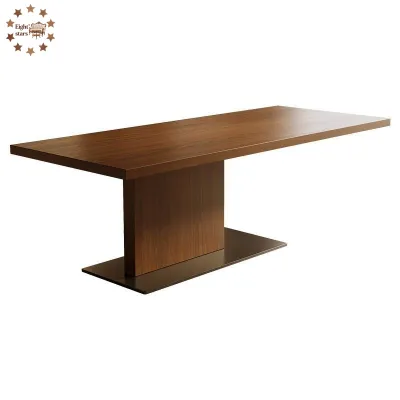
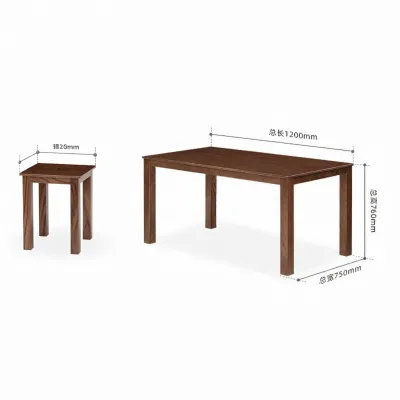
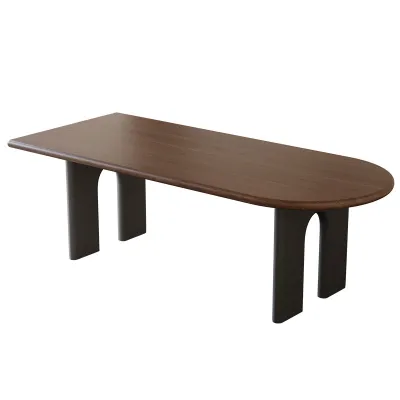
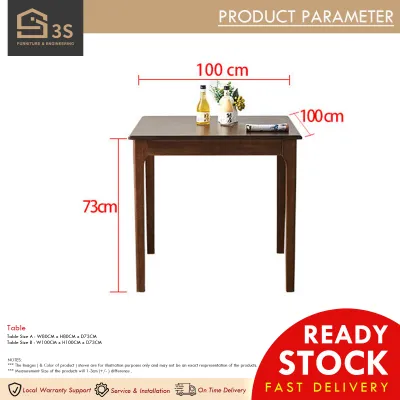
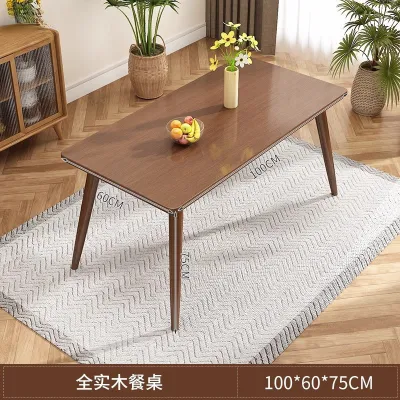
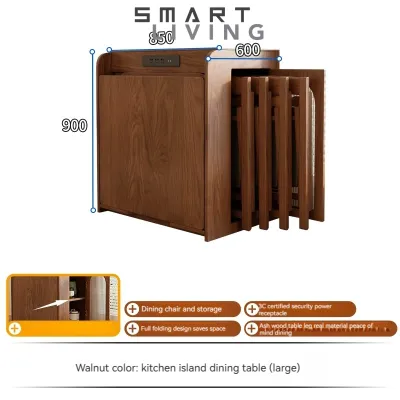
5 Lazada user ratings
Super satisfied! Looks exactly like the pictures – no color difference. Hardly any smell, and the service was awesome. Definitely recommend!
I feel satisfied with this table. The quality is high, and it is pretty. I like it very much!
I like this table. It is foldable, and it quality is high. I like its design very much!
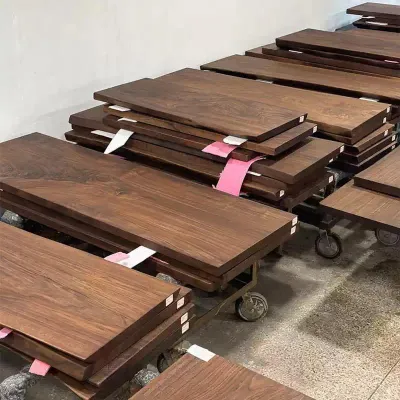
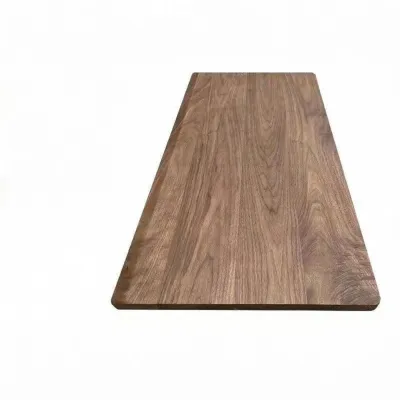
Prices are valid at publication and may change. Please refer to the product page for the latest price.
Wood veneer tables combine natural aesthetics with engineered stability. Manufacturers slice a very thin layer of real hardwood—typically between 0.6 millimetres and 3 millimetres thick—and bond it under high pressure to a strong, flat substrate. This substrate is usually made of medium-density fibreboard (MDF) or high-quality plywood. The result is a table that looks and feels like solid wood on the surface but utilizes a composite core underneath.
Engineered wood refers to composite materials manufactured by binding wood fibres, particles, or thin sheets together with synthetic resins and adhesives. Common varieties include MDF, particleboard, and plywood. Unlike veneer tables, engineered wood dining tables are often finished with a synthetic top layer, such as melamine, plastic laminate, or a printed paper foil that replicates the appearance of wood grain.
Durability and Maintenance: What to Expect Daily
Solid wood is highly durable but remains reactive to its environment. Because it is an organic material, solid wood naturally absorbs and releases moisture, causing it to expand and contract. In regions with fluctuating humidity, this movement can lead to minor warping or joint separation if the table is not constructed to allow for natural shifting. However, its primary advantage is repairability; deep scratches, dents, and stains can be sanded out, and the wood can be refinished to its original state multiple times.

Wood veneer tables offer excellent structural stability because the underlying MDF or plywood core does not expand or contract significantly with humidity changes. This makes the table highly resistant to warping. However, the thin real wood surface layer remains vulnerable to scratches, heat, and moisture. If water penetrates the finish and seeps under the veneer, it can dissolve the adhesive, causing the veneer to bubble or peel. Because the top layer is thin, aggressive sanding is not possible, limiting repair options for deep damage.
Engineered wood tables finished with laminate or melamine are highly stable and resistant to warping. The synthetic surface is generally easy to wipe clean and resists light moisture better than unfinished wood. However, engineered wood is susceptible to structural damage if water penetrates the outer protective layer. If moisture reaches the inner particleboard or MDF core, the material can swell, lose its structural integrity, and crumble. Surface chips, deep scratches, and peeling edges on engineered wood are typically impossible to repair seamlessly.
To maintain any wooden dining table, preventative care is essential. Always use coasters, placemats, and heat-resistant pads to protect the surface from hot dishes and condensation. Clean up spills immediately with a soft, slightly damp cloth, avoiding harsh chemical cleaners that can strip the protective finish. Always check the manufacturer’s care label, as different finishes—such as polyurethane, lacquer, or natural oils—require specific maintenance routines.
Aesthetics and Design: Grain, Texture, and Style
Solid wood tables possess a unique visual and tactile warmth that cannot be fully replicated. The grain patterns are continuous, wrapping naturally around the edges of the tabletop. Over time, solid wood reacts to light and air, developing a rich patina that enhances its character. The natural variations, including knots and color shifts, give the furniture an organic, premium feel that fits well in rustic, industrial, or classic interior styles.
Wood veneer allows designers to achieve highly consistent and sophisticated visual patterns. Because veneer is sliced thin, manufacturers can arrange the sheets in symmetrical patterns, such as book-matching or herringbone, which are difficult or impossible to construct using solid timber. Veneer also makes premium, exotic wood species like walnut or rosewood accessible for larger tabletops. The surface retains the genuine texture and warmth of real wood, making it visually indistinguishable from solid wood at a glance.
Engineered wood tables finished with printed laminates offer a highly uniform appearance. Because the surface pattern is digitally printed, there are no natural imperfections, knots, or unexpected color variations. While high-quality laminates can mimic the look of wood grain from a distance, they lack the tactile depth, natural texture, and organic warmth of real wood. These tables are often designed with clean, modern lines and are well-suited for minimalist or contemporary spaces where uniform color and texture are desired.
Budget and Value: Balancing Upfront Cost and Lifespan
Solid wood dining tables command the highest upfront cost due to the price of raw timber and the skilled craftsmanship required for construction. However, they offer exceptional long-term value. A well-constructed solid wood table can last for decades, often becoming an heirloom passed down through generations. The ability to sand, repair, and refinish the wood means the table does not need to be replaced when it sustains surface wear, making its cost per year of use highly economical over time.
Wood veneer tables occupy the mid-range pricing tier. They provide the high-end aesthetic of real wood without the premium cost of solid timber construction. This makes veneer an excellent option for homeowners who want a sophisticated, natural look but prefer to allocate their budget across other furnishing needs. While a veneer table cannot be refinished indefinitely, a high-quality piece can easily last for ten to fifteen years with proper care.
Engineered wood tables are the most budget-friendly option available. They are highly accessible and widely produced, making them ideal for temporary living situations, student housing, or rental properties where long-term durability is not the primary concern. While the upfront cost is low, these tables generally have a shorter lifespan because surface damage cannot be easily repaired. When evaluating value, consider the expected duration of use and check the manufacturer’s warranty terms to ensure the construction meets your needs.
How to Choose the Right Material for Your Home
Selecting the right material requires evaluating your household dynamics, lifestyle, and local environment. For busy households with young children, pets, or heavy daily activities like homework and crafts, prioritizing surface stability and easy cleanup is essential. A high-quality engineered wood table with a durable laminate finish or a solid wood table with a thick, protective polyurethane coating can withstand daily wear while remaining easy to maintain.
If you are looking for a long-term investment for a permanent home, solid wood is often the most rewarding choice. Its ability to be restored ensures it can adapt to changing interior styles and survive the inevitable accidents of daily life. When shopping for solid wood, verify the joinery methods; look for mortise-and-tenon joints or expansion brackets that allow the wood to move naturally without cracking.
For renters, frequent movers, or those on a strict budget, veneer and engineered wood tables offer practical advantages. These tables are generally much lighter than solid wood, making them easier to disassemble, transport, and reassemble. To maximize the lifespan of a budget-friendly table, inspect the edge banding carefully to ensure it is tightly sealed, as loose edges are the primary entry point for moisture.
Climate is another critical factor, particularly in Singapore’s humid tropical environment. High humidity levels can accelerate the warping of solid wood if it has not been properly kiln-dried and sealed. When choosing a solid wood table in Singapore, ask the retailer about the wood’s moisture content and seasoning process. For veneer and engineered wood tables, ensure that all underside surfaces and edges are fully sealed to prevent humid air from penetrating the composite core and causing delamination.
Before making a final purchase, always measure your dining space and plan the delivery route. Prioritize checking the finished dimensions of the table against your available floor space, leaving at least 90 centimetres of clearance on all sides for chairs. Measure your doorways, hallways, and lift access to ensure the table can be safely delivered to your dining room. Additionally, verify the table’s load capacity and stability, especially if you plan to use it for heavy serving dishes or multi-purpose activities.
Frequently Asked Questions (FAQ)
Can I refinish a veneer or engineered wood dining table?
Refinishing a wood veneer table is highly challenging and often risky. Because the veneer layer is extremely thin, standard power sanding will quickly wear through the real wood surface, exposing the composite MDF or plywood core underneath and permanently ruining the table. If the veneer is relatively thick (around 2 to 3 millimetres), a professional may be able to perform a very light hand-sanding and reapplication of finish. Engineered wood tables with laminate or melamine surfaces cannot be sanded or refinished at all, as these synthetic materials do not absorb wood stains or oils. Always consult the manufacturer’s specifications or a professional furniture restorer before attempting any abrasive repairs.
How do I identify real wood from laminate or veneer?
To distinguish real solid wood from veneer or laminate, start by examining the underside of the tabletop. On a solid wood table, the grain pattern, knots, and color variations on the underside will match the top surface exactly. On a veneer table, the underside is often finished with a different, cheaper backing veneer or left raw, showing a different grain pattern. For laminate tables, the underside may reveal exposed particleboard or a plain synthetic backing. Next, inspect the edges of the table; veneer and laminate tables require edge banding to cover the composite core, which creates a visible seam along the edge line. Finally, look closely at the grain pattern across the top; if you notice identical, repeating grain shapes or a completely flawless, plastic-like texture, the surface is likely a printed laminate rather than real wood.
Community discussion
Share your experience or ask a question. Comments are reviewed before publication.