
Choosing the right tatami mattress in Singapore requires balancing traditional Japanese minimalist aesthetics with the practical realities of a tropical climate and modern urban housing. While several mattress and furniture brands in Singapore offer tatami-style or low-profile mattresses, the ideal firmness range depends entirely on whether you require traditional, ultra-firm support or modern, pressure-relieving hybrid comfort.
Traditional Japanese importers specialize in authentic, extra-firm igusa grass mats and thin cotton shikibutons that sit directly on the floor. In contrast, modern direct-to-consumer and local Singaporean mattress brands provide low-profile foam, latex, or coconut coir alternatives that offer a wider spectrum of firmness levels, ranging from medium-firm to rigid orthopaedic support. To find the best fit, you should prioritize brands that explicitly detail their firmness scales—typically on a 1-to-10 spectrum—and provide transparent material density specifications rather than relying on vague marketing descriptions.
Why Firmness and Thickness Matter for Low-Profile Beds
Traditional Japanese sleep systems rely on a dual-layer configuration where a thin, foldable mattress called a shikibuton is laid over a woven rush-grass tatami mat. This setup is inherently much firmer and thinner than a standard Western mattress, distributing body weight evenly and promoting a neutral spinal alignment. For back and stomach sleepers, this ultra-firm surface can prevent the pelvis from sinking, which often mitigates lower back discomfort. However, side sleepers may find this traditional firmness level challenging, as it offers minimal contouring for the shoulders and hips.
Products mentioned in this guide
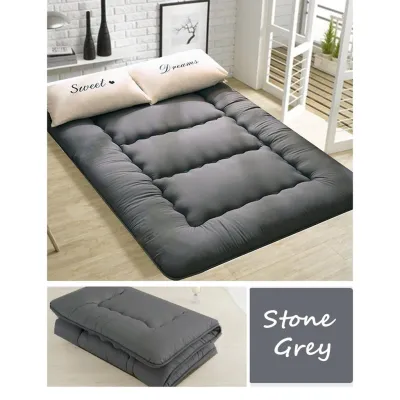
![【SG STOCK】Newest - Japan Krafter Tatami Mattress Cotton Zip-around Cover / Bedsheet [4 Bed sizes option]](https://img.lazcdn.com/g/p/900d7d8bf51d9807a06d3a9d132eb71e.jpg_400x400q80.jpg_.webp)

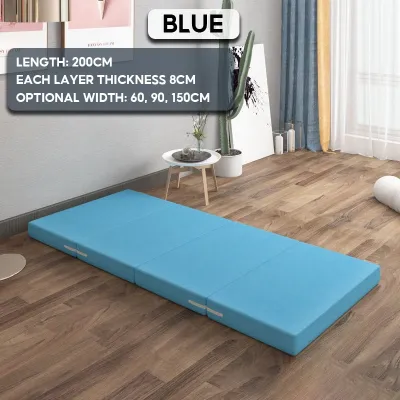

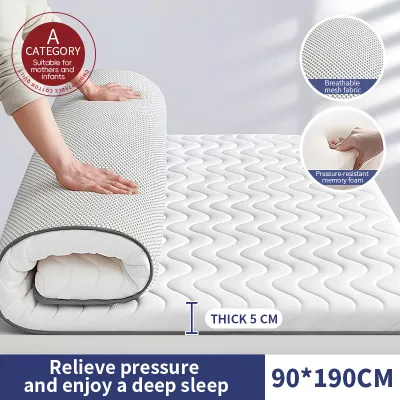
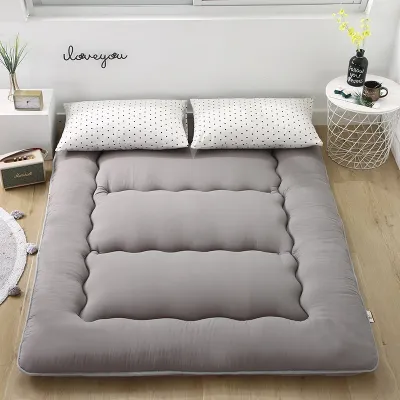
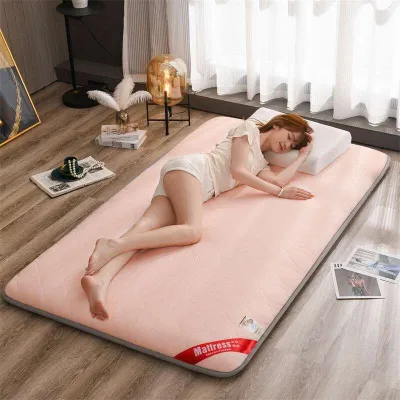
Prices are valid at publication and may change. Please refer to the product page for the latest price.
In Singapore, the physical environment changes how these low-profile beds perform. Many local homes, such as Housing & Development Board (HDB) flats and condominiums, utilize space-saving platform beds, custom-built wooden storage platforms, or slatted bases rather than traditional tatami-floored rooms. When a mattress is thin—typically ranging from 5cm to 15cm—its firmness must be carefully matched to the underlying support structure.
Without adequate thickness or firmness, a sleeper risks “bottoming out,” which means sinking completely through the comfort layers and feeling the hard wooden or concrete base beneath. This lack of buffer can cause severe pressure points, morning stiffness, and accelerated wear on the mattress itself. Therefore, understanding how mattress thickness interacts with firmness and your specific bed frame is essential for maintaining both sleep quality and product durability.
Key Dimensions for Comparing Tatami Mattress Brands
Evaluating tatami mattress brands in Singapore requires looking past attractive marketing terms and focusing on objective physical specifications. By analyzing material composition, physical dimensions, and climate-suitability features, you can make an informed decision that aligns with your comfort preferences and home environment.

Firmness Scales and Material Composition
When comparing brands, look for an explicit firmness rating, usually represented on a scale of 1 to 10, where 1 represents cloud-like softness and 10 represents rigid, floor-like firmness. Traditional tatami setups and shikibutons typically register between 8 and 10 on this scale. Modern low-profile alternatives generally offer options in the medium (5 to 6) or medium-firm (7 to 8) range. The core materials used by local brands dictate these firmness levels and determine how well the mattress will support your weight over time.
- Natural Latex: Highly resilient and responsive, natural latex offers a supportive, medium-firm to firm feel (typically rated 7 to 8). It contours gently to the body's curves without letting you sink too deeply, making it an excellent choice for low-profile mattresses. Look for brands specifying high-density latex (70 to 80 kg/m³) to ensure the mattress retains its shape and support for years.
- High-Density Polyurethane (PU) Foam: This material is highly customizable, allowing brands to engineer multi-layered mattresses with a softer top comfort layer and a highly supportive, firm base. To ensure durability and prevent sagging in a thin profile, verify that the foam density is at least 30 kg/m³.
- Coconut Coir: Often used in traditional Asian orthopaedic mattresses, rubberized coconut coir provides an extremely firm, fibrous structure (rated 9 to 10). It offers virtually no sinkage, making it highly supportive for spinal alignment, though some sleepers may find it too unyielding without a thin comfort topper.
- Traditional Cotton and Wool Fiber: Authentic Japanese shikibutons are packed with layered natural fibers. While initially plush, these fibers compress naturally with use, transitioning into a very firm sleeping surface. They require regular manual maintenance to restore loft and comfort.
Thickness, Weight, and Base Compatibility
Thickness directly influences how firm a mattress feels and where it can be placed. Ultra-thin options of 5cm to 8cm are highly portable, easy to fold, and ideal for guest beds or multi-purpose rooms in space-constrained Singapore apartments. However, these thin profiles must be placed on a completely flat, solid surface—such as a solid floor or a genuine tatami mat—to prevent bottoming out.
Low-profile mattresses measuring 10cm to 15cm offer greater versatility, providing sufficient cushioning to be used on standard bed frames, raised platform bases, or slatted frames. Before purchasing, use this checklist to verify compatibility with your existing bed frame:
- Slat Spacing: For slatted frames, ensure the gap between individual slats does not exceed 5cm to 7cm. Gaps wider than this can cause a thin foam or latex mattress to sag into the spaces, leading to uneven support and potentially voiding the manufacturer's warranty.
- Solid Platform Support: A solid wooden platform or custom carpentry storage bed provides the most uniform support, maximizing the inherent firmness of a low-profile mattress.
- Weight Capacity: Confirm that the combined weight of the sleepers and the mattress does not exceed the structural limits of your bed frame, particularly if you are opting for high-density latex or heavy coconut coir models.
- Edge Support: Thin mattresses naturally have less edge support than thick pocket-spring mattresses. If you sit on the edge of the bed frequently, look for brands that feature reinforced foam encasements around the perimeter.
Breathability and Climate Adaptation
Singapore’s tropical climate, characterized by high temperatures and relative humidity levels that frequently exceed 80%, presents a unique challenge for low-profile sleep systems. When a mattress is placed close to the floor or on a solid, unventilated platform, heat and body moisture can become trapped underneath. This creates a humid microclimate that encourages the growth of mold, mildew, and dust mites.
To safeguard your sleep hygiene, look for brands that prioritize airflow through intentional design and material selection. Natural latex features a pinhole structure that inherently facilitates ventilation, while coconut coir’s fibrous matrix allows air to pass through easily. If you prefer high-density foam, ensure the brand utilizes open-cell foam technology or includes dedicated airflow channels.
Additionally, pay close attention to the mattress cover. Breathable, moisture-wicking fabrics such as organic cotton, bamboo-derived rayon, linen, or Tencel help draw heat away from the body. Avoid synthetic polyester covers without ventilation treatments, as they tend to trap heat. Finally, check the manufacturer’s care instructions: some traditional materials require frequent sunning and folding, while modern alternatives may only require occasional head-to-toe rotation.
Decision Framework: Choosing the Right Brand for Your Sleep Style
To narrow down your choices among the tatami mattress options available in Singapore, match your sleep habits, maintenance preferences, and bedroom setup against these clear, conditional scenarios.
Choose a traditional Japanese import brand if:
- You want an authentic, minimalist aesthetic and prefer an exceptionally firm, floor-aligned sleeping surface (firmness rating 9 to 10).
- You sleep primarily on your back or stomach and do not experience joint sensitivity at major pressure points.
- You have a dedicated tatami mat base or a clean, solid floor, and you are fully committed to a regular maintenance routine of folding, airing, and lifting the mattress weekly to prevent moisture buildup.
Choose a modern low-profile latex or high-density foam brand if:
- You appreciate the clean, low-profile look of a tatami bed but require pressure relief for side sleeping, hip comfort, or shoulder cushioning (firmness rating 6 to 8).
- You plan to place the mattress on a raised wooden platform, a custom storage bed, or a slatted bed frame.
- You prefer a low-maintenance sleep setup that does not require daily folding or specialized airing routines.
Choose a coconut coir or orthopaedic brand if:
- You require maximum spinal support and a highly rigid, non-yielding sleeping surface but prefer a lower-maintenance alternative to traditional cotton fiber shikibutons.
- You sleep hot and want an exceptionally breathable mattress core that naturally resists heat retention.
- You intend to pair the mattress with a solid wooden platform base that provides uniform, unyielding support.
Verify these critical factors before finalizing your choice:
- Partner Preferences: If you share a bed with someone who has different firmness preferences, look for brands that offer dual-firmness options (where one side of the mattress is firmer than the other) or excellent motion isolation to prevent sleep disruptions.
- Orthopaedic Needs: If you suffer from chronic back pain or joint issues, consult a healthcare professional before transitioning to an ultra-firm tatami mattress, as a sudden change in support levels can sometimes temporarily worsen discomfort.
- Adjustable Bases: If you use an adjustable bed frame, ensure the low-profile mattress is certified as compatible; highly rigid materials like thick coconut coir or traditional multi-layered tatami mats will not bend safely on articulating frames.
How to Test and Verify Firmness Claims Before Buying
Because firmness is highly subjective, relying solely on online descriptions can lead to a mismatched purchase. Taking active steps to test and verify a brand’s claims within the Singapore retail landscape will help ensure long-term satisfaction.
Whenever possible, visit local showrooms located in Singapore’s home furnishing and industrial design hubs. When testing a low-profile mattress in a showroom, do not merely sit on the edge or press your hand into the surface. Lie down in your primary sleeping position for at least 10 to 15 minutes. This allows your body weight to settle, giving you a realistic sense of whether the mattress comfort layers prevent you from feeling the hard platform beneath.
If you are purchasing from a direct-to-consumer brand online, take full advantage of sleep trials, which often range from 30 to 100 nights. However, always read the fine print of the return policy before ordering. Confirm the following details:
- Model Eligibility: Ensure the sleep trial applies to the specific low-profile or tatami-style mattress you are purchasing, as some brands exclude certain space-saving or entry-level models.
- Return Logistics: Verify if the brand offers free pickup within Singapore in the event of a return, or if you will be responsible for transport fees or restocking charges.
- Condition Requirements: Check if a mattress protector is mandatory during the trial period to keep the return policy valid, and ensure you retain the original packaging if required by the manufacturer.
- Exchange Policies: Some traditional retailers do not offer cash refunds but will permit a one-time exchange for a different firmness level. Understanding these terms upfront protects your investment and ensures you find the perfect level of support.
Frequently Asked Questions (FAQ)
Can I use a standard mattress topper to adjust the firmness of my tatami mattress?
Yes, you can use a mattress topper to modify the feel of a tatami mattress, but you must select the topper carefully to avoid bottoming out. Adding a soft topper, such as memory foam or down, to an exceptionally thin (under 5cm) or rigid tatami mattress can provide immediate pressure relief for your shoulders and hips. However, if the topper is too soft or lacks sufficient density, your body weight will compress it entirely, causing you to feel the hard floor or platform beneath. To successfully adjust firmness, choose a high-density natural latex or resilient polyurethane foam topper of at least 5cm thickness to ensure supportive cushioning.
How often should I fold or air out a traditional firm tatami mattress in Singapore?
Traditional cotton shikibutons and natural igusa grass tatami mats should ideally be folded and aired out daily, or at least two to three times a week. Singapore’s high humidity levels cause moisture from sweat and the air to accumulate rapidly beneath low-profile bedding. To prevent mold and mildew, hang the mattress in a well-ventilated indoor area or near a window with indirect sunlight; avoid harsh, direct midday sun, which can degrade natural fibers. For modern low-profile foam or latex mattresses, daily folding is generally unnecessary, but you should rotate them head-to-toe every three to six months and lift them occasionally to allow the bed base to dry completely.
Do slatted bed frames make a tatami mattress feel softer or firmer?
Slatted bed frames generally make a tatami mattress feel slightly softer and more resilient compared to placing it directly on a solid concrete floor or a solid wooden platform. The individual wooden slats possess a small amount of natural flex, which absorbs a portion of your downward body weight and softens the overall feel. However, because tatami mattresses are thin, wide gaps between slats can cause the mattress to sag unevenly, creating uncomfortable pressure points. To maintain the intended firmness and protect the structural integrity of your mattress, ensure the slats are spaced no more than 5cm apart.

Community discussion
Share your experience or ask a question. Comments are reviewed before publication.