
Plastic dining chairs have evolved from simple utility seating into highly sought-after design elements for modern homes. Their lightweight nature, exceptional versatility, and ability to take on complex, fluid shapes make them a popular choice for contemporary dining spaces. However, finding the perfect set for your home involves looking past superficial marketing claims. To make a lasting investment, you must carefully evaluate material specifications, ergonomic support, and how the physical dimensions of the chairs align with your specific living space.
Defining Your Interior Style and Chair Aesthetics
When selecting plastic dining chairs, the visual profile of the chair should harmonize with your overall interior design theme. Minimalist and Scandinavian aesthetics, which remain highly popular in Singaporean homes, typically call for chairs with clean, understated lines and matte finishes. These designs often feature neutral tones like white, grey, or muted earth colors that blend seamlessly into light-filled, airy spaces. A matte finish is particularly effective here, as it diffuses light softly and avoids the harsh glare that glossy plastics can sometimes produce under bright overhead lighting.
For those drawn to mid-century modern or retro interiors, plastic chairs offer an excellent medium for organic curves and bold, expressive colors. Iconic designs from the mid-20th century frequently utilized molded plastics to achieve sweeping, single-piece shells that support the body naturally. When integrating these retro styles, look for warm, saturated hues like mustard yellow, olive green, or rust, which can inject personality into a dining room. These organic shapes contrast beautifully with rectangular wooden dining tables, softening the overall look of the room.
Products mentioned in this guide
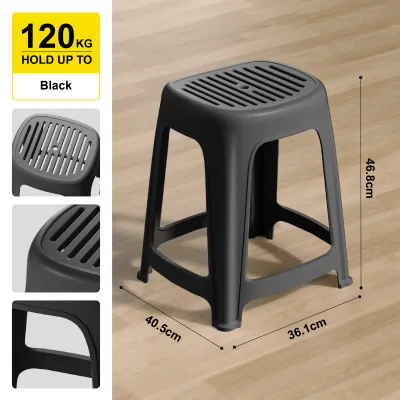
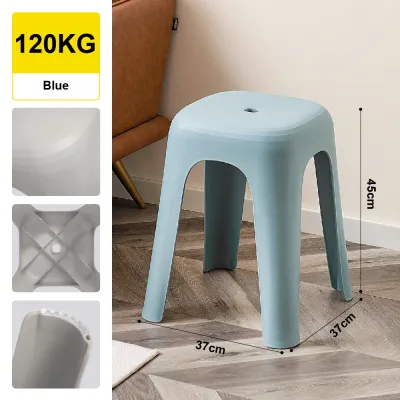
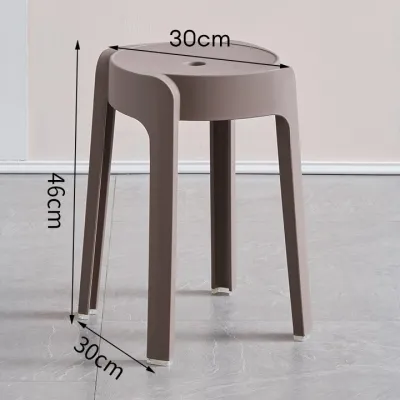

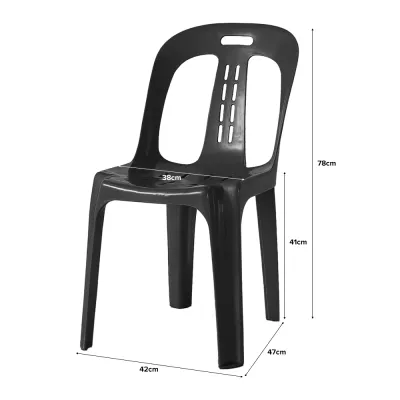
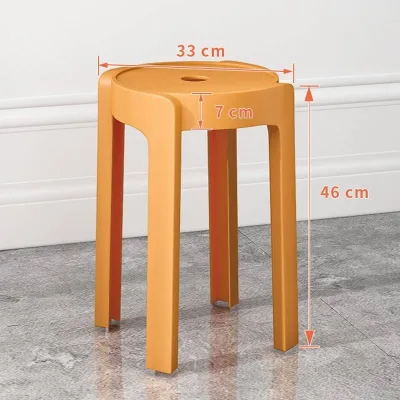
Prices are valid at publication and may change. Please refer to the product page for the latest price.
If your goal is to create a high-impact, contemporary dining area, sculptural statement chairs can serve as striking focal points. Modern manufacturing techniques allow designers to create intricate, lattice-like backrests or completely transparent structures that seem to float in space. A transparent polycarbonate chair, for instance, can make a bold design statement while maintaining visual openness, which is highly beneficial in smaller dining zones.
Achieving a cohesive look also requires matching the chair’s silhouette and leg materials to your dining table. A plastic shell paired with warm wooden legs can bridge the gap between a rustic wooden table and modern seating. Conversely, metal legs—whether chrome, matte black, or brushed steel—can reinforce an industrial or ultra-modern theme. Pay close attention to how the leg angles and materials interact with the table base to ensure there is no visual or physical clutter underneath.
Reading Material Specs and Quality Indicators
To ensure your plastic dining chairs withstand daily use, you must learn to interpret manufacturer specifications and product tags. Not all plastics are created equal, and the three most common formulations used in furniture design—polypropylene, polycarbonate, and ABS—each possess distinct physical properties. Polypropylene is highly durable, flexible, and resistant to impact and chemical cleaning agents, making it the industry standard for everyday dining chairs. Polycarbonate is prized for its glass-like transparency and high impact resistance, though it is more prone to surface scratching. Acrylonitrile Butadiene Styrene (ABS) offers a rigid, high-gloss finish with excellent structural strength, but it can be more sensitive to prolonged UV exposure.

Before making a purchase, check the manufacturer’s spec sheets for quality indicators such as UV-stabilization and weight capacity limits. UV-stabilized plastics contain additives that prevent the material from yellowing, fading, or becoming brittle when exposed to natural light filtering through windows. Additionally, look for certifications indicating commercial-grade testing, such as EN 16139 (the European standard for strength, durability, and safety in non-domestic seating) or BIFMA (Business and Institutional Furniture Manufacturers Association) standards. These certifications provide objective proof that the chair has undergone rigorous mechanical testing.
A physical or virtual inspection should focus heavily on joint structures, connection points, and overall leg stability. Single-piece molded plastic chairs are inherently robust because they lack joints or seams that can weaken over time. For chairs that combine a plastic shell with separate metal or wooden legs, examine the mounting plate beneath the seat. High-quality designs utilize metal threaded inserts molded directly into the plastic shell, securing the legs with robust bolts, rather than simple wood screws driven directly into the plastic, which can easily strip or loosen.
Understanding the inherent trade-offs of different plastic formulations will help you set realistic expectations for your furniture. While highly rigid plastics offer excellent structural stability and minimal flexing when you sit, they can sometimes feel less forgiving during long dinners. Conversely, more flexible formulations provide a comfortable, contouring give but may feel slightly less stable to some users. Scratch resistance is another critical trade-off; matte-finished polypropylene hides micro-scratches exceptionally well, whereas high-gloss ABS and transparent polycarbonate will show fine surface abrasions more readily over time.
Sourcing Reliable Brands and Verifying Purchases
Finding reputable furniture brands in Singapore requires a systematic approach to verify product authenticity and customer support. Whenever possible, prioritize visiting physical showrooms to test the chairs in person. Sitting in a chair is the only way to truly evaluate its ergonomics, the tactile quality of the finish, and its structural stability under load. While in the showroom, apply gentle lateral pressure to the backrest and seat to check for excessive wobbling or creaking, which can indicate poor assembly or substandard materials.
When shopping online, navigate through official brand websites, authorized local distributors, or established online marketplaces that offer clear buyer protection policies. Be cautious of third-party sellers offering iconic designer shapes at unusually low prices, as these are often unauthorized replicas made from inferior, brittle plastics that lack proper structural reinforcement. Authorized retailers will always provide clear documentation of the product’s origin, manufacturing standards, and brand authenticity.
A brand’s commitment to quality is often reflected in its warranty terms and after-sales support. Look for manufacturers that offer at least a two-year warranty covering structural defects, frame integrity, and joint failures. It is also wise to inquire about the availability of replacement parts, such as glide caps for the feet or replacement mounting hardware. A brand that provides dedicated customer service and readily available spare parts is far more likely to offer a product that lasts for years.
Be vigilant for red flags that suggest a product may not meet acceptable standards. Missing manufacturer details, vague material descriptions (such as simply listing “plastic” without specifying the polymer type), and a lack of clear contact information on the retailer’s website are major warning signs. Reliable brands are transparent about their materials, manufacturing locations, and testing protocols, giving you the confidence that your investment is safe and durable.
Measuring for Space, Clearance, and Ergonomics
Even the most stylish chair will fail to satisfy if it does not fit comfortably within your dining area. Begin your spatial planning by measuring the seat height of the chair relative to your dining table. Standard dining tables typically stand around 75cm high, which pairs best with a chair seat height of approximately 45cm. This leaves a comfortable clearance of 30cm between the top of the seat and the underside of the table, allowing ample legroom for most adults without forcing them to sit too low.
In compact Singaporean apartments, such as HDB flats or condominiums, managing walkway clearance and push-in depth is essential for maintaining a functional layout. You should allow at least 90cm of clear space behind each dining chair when it is occupied to let someone walk past comfortably. If space is exceptionally tight, measure the chair’s overall width and compare it to the distance between your dining table’s legs to ensure the chairs can be pushed fully under the table when not in use. If you prefer chairs with armrests, verify that the armrest height is low enough to slide beneath the table apron.
Ergonomic comfort is determined by the seat depth, backrest angle, and the contouring of the plastic shell. A well-designed plastic chair should feature a subtle waterfall edge at the front of the seat to prevent pressure on the back of your thighs, which can restrict circulation during extended meals. The backrest should offer gentle lumbar support and recline slightly (typically between 100 to 105 degrees) to encourage a relaxed yet upright dining posture.
For homes where space must remain highly flexible, prioritize chairs with stackable or nesting designs. Many high-quality plastic chairs are engineered to stack four to six units high without scratching the surfaces or compromising the frame. This feature is incredibly useful for hosting guests, allowing you to store extra seating compactly in a utility closet or balcony corner when they are not needed.
Maintaining the Finish and Structural Integrity
Preserving the pristine appearance and structural integrity of your plastic dining chairs requires a gentle, consistent maintenance routine. For daily cleaning, always use mild, non-abrasive liquid soap diluted in warm water, applied with a soft microfiber cloth. Avoid using abrasive scrubbing pads, steel wool, or harsh chemical solvents like acetone or ammonia, as these can permanently scratch, dull, or cloud the plastic surface, particularly on transparent polycarbonate models.
Environmental factors can also impact the lifespan of your chairs. While plastic is highly resistant to moisture, prolonged exposure to direct sunlight can cause UV degradation, leading to color fading and structural brittleness. If your dining table is positioned near a large balcony door or a sunny window, consider using sheer curtains to filter the harsh afternoon sun, or rotate the chairs periodically to ensure even wear. Keep the chairs away from direct heat sources, such as portable heaters or hot cooking appliances, which can warp the plastic.
Always consult the manufacturer’s care instructions before applying any specialized polishes, protective coatings, or stain removers. Some plastics react poorly to specific chemical compounds, which can lead to stress cracking along the joints or mounting points. If you encounter a stubborn mark, test any cleaning solution on an inconspicuous area on the underside of the seat first to ensure it does not alter the color or finish.
Finally, perform periodic checks on the chair’s hardware. If your chairs feature bolted leg attachments, gently tighten the screws every six months to compensate for the natural expansion and contraction of materials. If you notice deep structural cracks, severe bending, or compromised joint connections, stop using the chair immediately. In these cases, avoid attempting complex DIY structural repairs and instead contact the manufacturer or a professional furniture repair service to assess whether the chair can be safely restored.
Frequently Asked Questions (FAQ)
Are plastic dining chairs suitable for outdoor use?
Only plastic dining chairs that are explicitly labeled as UV-resistant and weather-treated by the manufacturer are suitable for outdoor environments like balconies or patios. Standard indoor plastic chairs lack the necessary chemical additives to withstand constant exposure to direct sunlight and rain, which can cause them to fade, become brittle, and eventually crack. Before placing any plastic chair outdoors, review the manufacturer’s warranty terms, as using an indoor-rated chair in an outdoor setting will typically void your coverage.
How do I remove stubborn stains from light-colored plastic chairs?
To address stubborn stains on light-colored plastic chairs, always start with the gentlest method: a solution of mild dish soap and warm water applied with a soft cloth. If the stain persists, consult the manufacturer’s care guide to see if a mild baking soda paste or a specialized plastic cleaner is safe to use on your specific chair model. Never use highly abrasive scrubbers or harsh chemical solvents, which can etch the surface and make it more susceptible to future staining. If the stain remains or if you notice any surface discoloration, stop and contact the manufacturer for professional guidance.

Community discussion
Share your experience or ask a question. Comments are reviewed before publication.