
Selecting a premium office chair for your home workspace is a significant decision that directly impacts your daily physical well-being, posture, and long-term productivity. While Steelcase is globally recognized for its highly adjustable, dynamic foam-and-fabric seating solutions, other premium manufacturers offer competing design philosophies centered around tensioned mesh suspension, minimalist aesthetics, and weight-activated recline systems. Finding the right fit requires looking beyond brand prestige to evaluate how a chair’s mechanical design interacts with your body proportions, work habits, and residential space constraints.
Unlike corporate procurement departments that buy in bulk for standardized office layouts, home users must navigate unique spatial limitations, aesthetic preferences, and environmental factors. A chair that performs exceptionally well in a temperature-controlled corporate headquarters might feel overly bulky in a compact home study or uncomfortably warm in a residential space without continuous air conditioning. By establishing a structured evaluation framework, you can compare the core features of Steelcase against other premium alternatives to make an informed, conditional choice that aligns with your specific home environment.
Core Ergonomic Differences to Verify Before Buying
The primary differentiator among premium office chairs lies in their fundamental ergonomic philosophy, particularly how they support your body during active tasking and passive recline. Steelcase generally favors a dynamic support system utilizing high-density, proprietary foam wrapped in flexible plastic frames. This design, found in models like the Gesture and Leap, is engineered to mimic the natural movement of the human spine, flexing as you shift positions to maintain continuous contact with your lower back.
Products mentioned in this guide
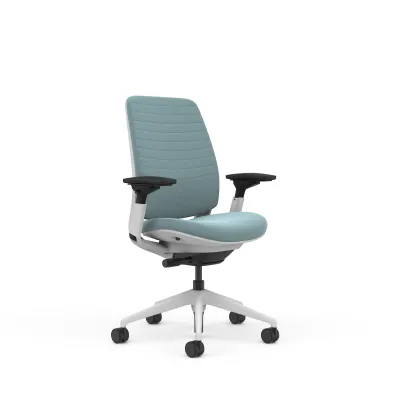
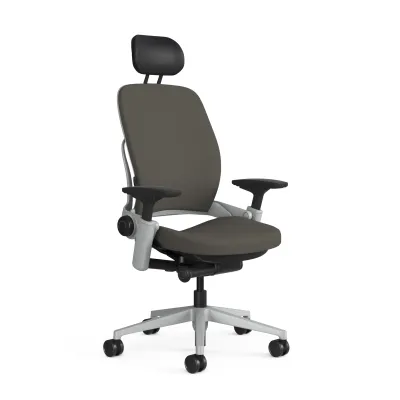
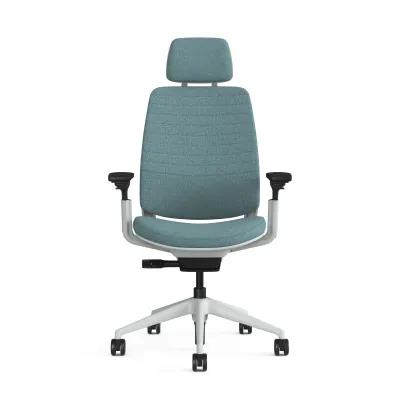
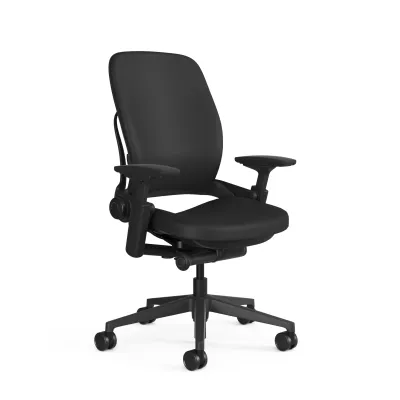
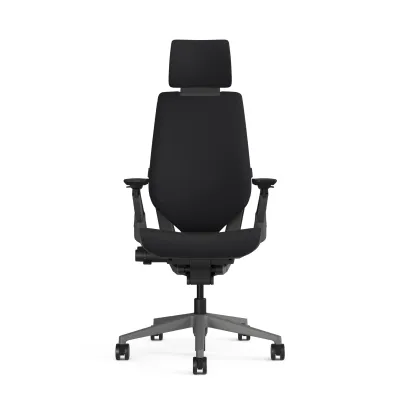
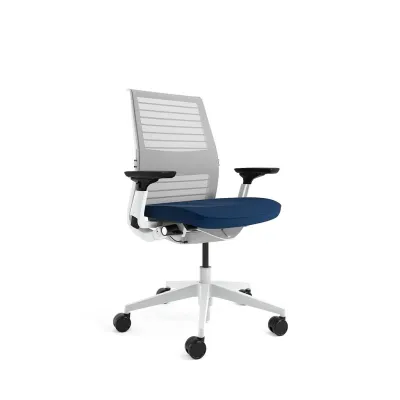
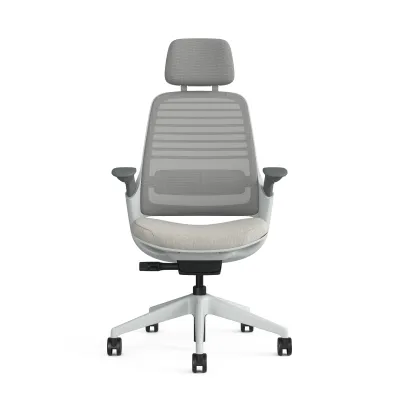
Prices are valid at publication and may change. Please refer to the product page for the latest price.
In contrast, many other premium brands champion static or tensioned mesh suspension designs. Mesh chairs distribute body weight evenly across a suspended elastomeric surface, eliminating localized pressure points and promoting maximum airflow. For home offices in warm, tropical climates, this breathability can be a decisive factor in maintaining comfort throughout the day. However, mesh surfaces offer less structural “give” than foam, and some users find the rigid outer frames of mesh seats can press uncomfortably against the thighs if the chair is not perfectly sized.
Beyond the primary seating material, you must verify the adjustment range of key ergonomic components to ensure they accommodate your unique body proportions. Pay close attention to the armrests; premium chairs often feature “4D” armrests that adjust for height, width, depth, and pivot angle. This level of adjustability is crucial for supporting your forearms without forcing your shoulders into a shrugged or strained position. Additionally, check the seat depth adjustment range, which allows you to slide the seat pan forward or backward to support your thighs while leaving a comfortable gap behind your knees to prevent circulatory restriction.
The recline mechanism is another critical area of comparison. Steelcase chairs frequently utilize weight-activated or highly adjustable manual tension systems that keep the seat relatively level while the backrest reclines, maintaining your line of sight and arm reach relative to your desk. Other premium brands may employ synchronous tilt mechanisms, where the seat and backrest recline in a fixed ratio, opening up your hip angle and encouraging a more relaxed, rocking motion. Evaluate your primary working posture—whether you prefer to sit upright and locked in, or lean back dynamically throughout the day—to determine which mechanical approach aligns with your habits.
Space and Aesthetic Fit for Your Home Office
Integrating a commercial-grade office chair into a residential setting requires careful spatial planning to avoid overcrowding and physical damage to your home. Premium office chairs are often substantially heavier and bulkier than standard domestic furniture, featuring wide five-star bases designed for maximum stability. Before purchasing, measure the maximum footprint of the chair—typically ranging from 65 to 70 centimeters in diameter—and compare it to the clear floor space around your desk, taking into account room traffic and nearby storage units.

Clearance beneath your desk is equally critical. Measure the height from the floor to the underside of your desk surface, including any drawer units, keyboard trays, or structural crossbeams. Compare this to the maximum height of the chair’s armrests when fully raised and lowered. If the armrests cannot slide under your desk, you may be forced to sit too far back from your workstation, leading to forward leaning, shoulder strain, and poor posture.
The choice of casters is a frequently overlooked detail that can have costly consequences for residential flooring. Standard nylon casters supplied with many office chairs are designed for low-pile commercial carpets; when used on residential hardwood, engineered timber, parquet, or luxury vinyl tiles, they can cause permanent scratching, scuffing, and wear. Verify if the manufacturer offers soft polyurethane or rubber-coated casters specifically designed for hard floors. If not, you may need to budget for aftermarket casters or a protective floor mat to safeguard your home’s interior finishes.
Aesthetics also play a vital role in home office integration. While corporate environments lean toward uniform black and grey plastics, home offices often benefit from softer, more residential design languages. Steelcase and its competitors offer a wide array of upholstery fabrics, frame finishes, and base materials. Evaluate how these options coordinate with your existing home decor, and consider the practical aspects of maintenance. For instance, light-colored fabrics may show stains and wear more quickly, while polished aluminum bases require regular dusting to maintain their appearance compared to matte textured plastics.
Evaluating Long-Term Value and Warranty Terms
Investing in a premium office chair involves a significant upfront financial commitment, often reaching into the four-figure range (S$). To justify this expenditure, you must evaluate the long-term value proposition, which is heavily tied to the manufacturer’s warranty structure and the durability of the components. A comprehensive warranty acts as a safeguard for your investment, but the specific terms can vary widely between brands and even between different components of the same chair.
When reviewing warranty documentation, look closely at how coverage is partitioned. Some premium manufacturers offer a blanket 12-year warranty that covers all components—including the pneumatic cylinder, tilt mechanism, arm pads, and upholstery—for 24-hour, multi-shift use. Other brands may offer a tiered warranty, where the structural frame is covered for a decade or more, but moving mechanical parts, gas lifts, and fabric covers are limited to three to five years. Understanding these distinctions prevents unexpected out-of-pocket repair costs down the line.
Durability testing standards provide another objective measure of quality. Verify if the chair has been certified by independent testing bodies such as the Business and Institutional Furniture Manufacturers Association (BIFMA). These certifications ensure the chair has undergone rigorous testing for structural integrity, cycle life, and load capacity. Check the manufacturer’s stated weight capacity on the product label; while most premium chairs support up to 136 kg or more, some specialized models are rated for higher capacities, ensuring long-term stability and safety for all users.
Finally, consider the practicalities of local product support. In a residential context, shipping a heavy, fully assembled chair back to a manufacturer for repairs is highly impractical. Verify if the brand has authorized local distributors, service centers, or certified technicians who can perform repairs in your home. Additionally, research the availability of official replacement parts, such as replacement arm pads, casters, or seat cushions. Brands with robust local support networks and readily available parts tend to offer a much lower total cost of ownership over the lifespan of the chair, and their products often retain a higher resale value on the secondary market.
Decision Framework: Matching Brand Traits to Your Needs
To translate these technical comparisons into a concrete purchasing decision, you can utilize a conditional framework that matches specific brand characteristics to your personal physical requirements and home environment.
You should prioritize Steelcase if your daily work style involves continuous movement, frequent posture changes, and a preference for plush, contouring support. Steelcase’s design philosophy excels at accommodating active sitting, allowing you to lean back, twist, and shift positions while the flexible seat edge and dynamic backrest automatically adapt to your movements. Furthermore, if you require highly specific fabric customization to match a curated home aesthetic, Steelcase’s extensive catalog of textile options and frame finishes provides exceptional design flexibility.
Conversely, you should consider alternative premium brands if your primary concern is thermal comfort in a warm home office, or if you prefer a highly structured, disciplined seating posture. A full-mesh suspension chair from a competing high-end manufacturer will offer unmatched breathability, keeping you cool during long working sessions without air conditioning. Additionally, if you prefer a minimalist, sculptural aesthetic that makes a striking visual statement in your home, certain iconic mesh designs may align better with your design sensibilities than the more functional, padded appearance of a typical Steelcase chair.
Before finalizing your choice, always verify if your physical proportions require specialized sizing. While Steelcase chairs are designed to accommodate a wide range of body types through extensive mechanical adjustments, some competing brands offer distinct frame sizes to provide a more tailored fit for exceptionally petite or tall individuals. Whenever possible, visit a local showroom to test the chairs in person, paying close attention to how the lumbar support aligns with your spine and how easily your feet rest flat on the floor when the seat is adjusted to your desk height.
Frequently Asked Questions (FAQ)
Do premium office chairs require professional assembly at home?
Many premium office chairs, including several models from Steelcase, are shipped fully assembled in large, protective boxes. While this eliminates the hassle of assembly, it requires you to verify that your doorways, hallways, and elevator cabins have sufficient clearance to accommodate the bulky packaging. For chairs that do require assembly, the process is typically straightforward, involving only a few steps such as inserting the gas cylinder into the base and securing the seat pan with included heavy-duty bolts and tools. If you have physical limitations or lack the space to unbox a large item, check if your local distributor offers white-glove delivery and in-home assembly services.
How do I clean and maintain fabric versus mesh premium chairs?
Routine maintenance is essential to preserve the appearance and mechanical function of your premium chair. For fabric-upholstered chairs, perform regular vacuuming using an upholstery brush attachment to remove dust, pet dander, and skin cells that can degrade the fibers over time. If a spill occurs, immediately blot the area with a clean, dry cloth, and spot-clean using a damp cloth with a mild, pH-neutral soap, always verifying the manufacturer’s specific care label first to avoid damaging the fabric’s protective coatings. For mesh chairs, vacuum the frame crevices where dust tends to accumulate, and wipe down the elastomeric mesh and plastic components with a damp microfiber cloth. Avoid using harsh chemical solvents, bleach, or abrasive scrubbers on either material, as these can compromise the structural integrity of the fibers and plastics.

Community discussion
Share your experience or ask a question. Comments are reviewed before publication.