
Finding the right ergonomic office chair for a Singapore home office involves balancing comfort, space constraints, and budget. With many brands entering the market, navigating the options requires understanding how different brand tiers align with your daily habits. The ideal choice is not a one-size-fits-all solution; instead, it depends on your physical dimensions, how many hours you spend at your desk, and the specific layout of your workspace.
Quick Answer: Which Ergonomic Chair Brand Tier Fits Your Setup?
When comparing ergonomic office chair brands, the market generally divides into premium, mid-range, and value tiers. Premium brands focus on extensive adjustability, high-end materials, and long-term warranties, making them suitable for full-time remote workers who view the purchase as a multi-year investment. Mid-range brands offer a practical balance, providing essential ergonomic adjustments like lumbar support and seat depth tuning at a moderate price point. Value brands cater to budget-conscious users or those with light, occasional usage, offering basic height adjustments and standard support. Ultimately, the right brand tier is determined by your body metrics, daily sitting duration, and willingness to invest upfront for long-term durability.
How to Evaluate Ergonomic Chair Brands for Home Use
To make an objective comparison between brands, you must first establish a framework based on your personal environment and physical needs.
Products mentioned in this guide
![[SG Ready Stocks] PRO Ergonomic Full Mesh Chair – Lumbar/Headrest/Armrest Support – Adjustable Height & Recline – Home & Office Use](https://img.lazcdn.com/g/p/f29dfd5001316f50493cad61e5b9bc5f.jpg_400x400q80.jpg_.webp)
![[NEW LAUNCH] Hinomi Q2 Pro Ergonomic Office Chair Adjustable Lumbar Support Memory Foam Headrest Armrest Legrest](https://img.lazcdn.com/g/p/0b7241fcc12b459ca71f9ff200c641b3.jpg_400x400q80.jpg_.webp)
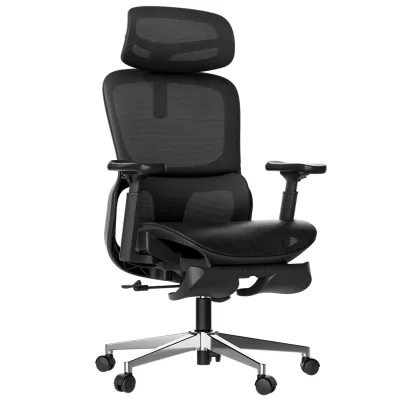
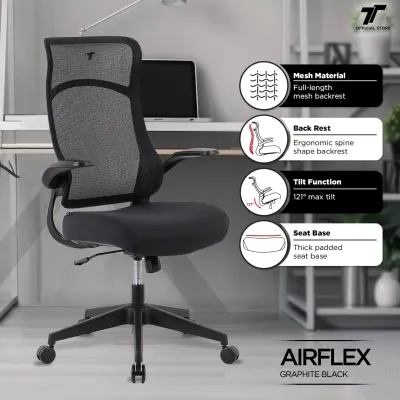
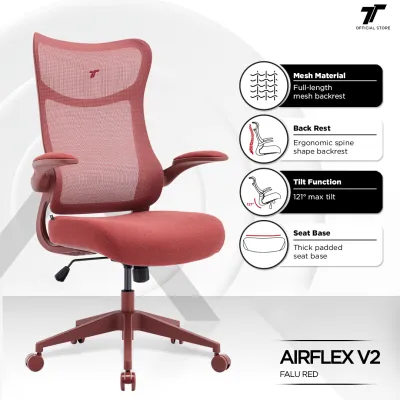
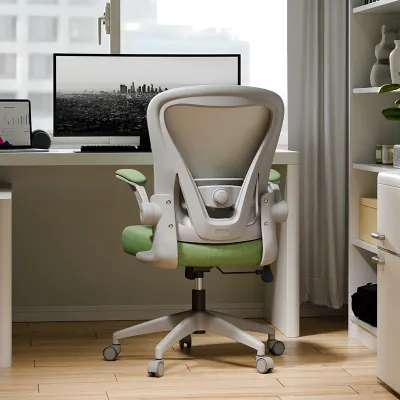
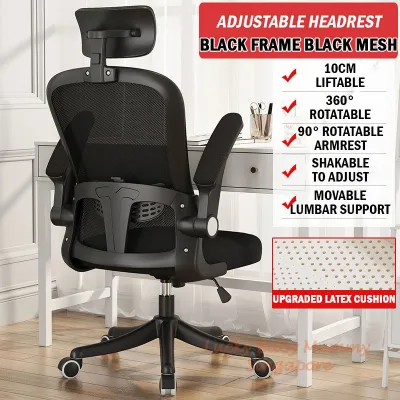
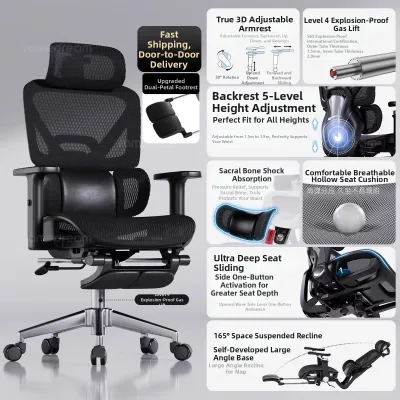
Prices are valid at publication and may change. Please refer to the product page for the latest price.

First, assess your daily usage duration. If you sit for more than six hours a day, your body requires a chair with dynamic support mechanisms that adapt to your movements. For shorter sessions of two to three hours, a simpler model with basic adjustments may suffice.
Second, measure your physical workspace. Singapore home offices, often situated in cozy HDB study rooms or multi-purpose living areas, require careful spatial planning. Measure your desk height and the clear floor space around it. Ensure the chair’s base diameter—typically ranging from 60 to 70 centimeters—can rotate freely without hitting walls or other furniture. Additionally, check if the armrests can lower sufficiently to slide under your desk when not in use, saving valuable floor space.
Third, identify your specific ergonomic pain points. If you experience lower back stiffness, prioritize brands that offer depth-adjustable lumbar support. If you suffer from shoulder tension, focus on brands known for highly adjustable armrests that support your elbows without forcing your shoulders upward.
Comparing Brand Tiers: Premium, Mid-Range, and Value Options
Understanding what each brand tier delivers helps prevent unrealistic expectations and guides your budget allocation.
Premium Brands Premium brands are characterized by advanced engineering, high-grade materials, and comprehensive warranties that often span a decade or more. These brands design chairs with complex synchro-tilt mechanisms, allowing the backrest and seat pan to move in harmony with your body. The adjustability is highly granular, covering seat depth, tilt tension, forward tilt, and multi-directional armrests. While the initial financial investment is significant, the cost per year of use is often low due to the exceptional durability of the components.
Mid-Range Brands Mid-Range brands target the sweet spot between functionality and affordability. They typically offer robust lumbar support, seat depth adjustment, and adjustable armrests, which are the core pillars of healthy sitting posture. However, compromises usually occur in the materials used for the frame, such as high-strength plastics instead of polished aluminum, or shorter warranty periods on moving parts like the gas lift or casters. These brands are highly suitable for the majority of home office workers who require reliable daily support without premium pricing.
Value Brands Value brands focus on essential utility and cost savings. They generally provide standard pneumatic height adjustment, basic tilt-lock functions, and fixed or simple height-adjustable armrests. While these chairs are highly accessible, buyers must exercise caution. It is crucial to verify the maximum weight capacity and the quality of the base material. Value models often use lower-density foam or basic mesh that may sag over time, meaning they may require replacement sooner than higher-tier options.
Key Ergonomic Features to Verify Across Brands
When comparing product specification sheets across different brands, focus on these critical adjustable components to ensure a proper fit:
- Lumbar Support Mechanisms: Look for brands that offer adjustable lumbar support rather than a fixed plastic strip. Height adjustment ensures the support sits directly in the curve of your lower back, while depth adjustment allows you to control the pressure exerted against your spine.
- Seat Pan Adjustments: A seat slide or seat depth adjustment is vital for aligning the chair with your thigh length. There should be a gap of about two to three fingers between the front edge of the seat and the back of your knees. A waterfall edge design—where the front of the seat curves downward—helps maintain healthy blood circulation in your legs.
- Armrest Versatility: Armrests should support your forearms so your shoulders remain relaxed. Look for 3D or 4D armrests that adjust in height, depth, width, and angle. This versatility is especially important if you switch between typing, reading, and using a mouse.
- Recline and Synchro-Tilt: Dynamic sitting is healthier than static sitting. Synchro-tilt mechanisms keep the seat relatively level while you recline, keeping your feet flat on the floor and maintaining proper spinal alignment. Check if the brand allows you to adjust the recline tension to match your body weight.
Build Quality, Materials, and Warranty Checks
Beyond adjustability, the longevity of an ergonomic chair depends on its construction materials and the brand’s after-sales support.
In Singapore’s warm and humid climate, material choice directly impacts daily comfort. Mesh seats and backrests offer excellent breathability, preventing heat and moisture buildup. However, low-quality mesh can stretch and sag over time. If you prefer a foam seat, look for high-density, molded foam specifications, which distribute weight evenly and retain their shape far better than cut polyurethane foam.
The chair’s base and casters must also match your home environment. A heavy-duty nylon or aluminum base provides a stable foundation. Ensure the casters are compatible with your flooring; soft polyurethane casters are ideal for protecting vinyl, laminate, or parquet flooring from scratches, while hard nylon casters are suitable for carpeted areas.
Finally, scrutinize the warranty terms rather than just looking at the headline number of years. A reliable brand will clearly state what is covered. For instance, the frame might have a ten-year warranty, but the gas lift, mesh, or armrest pads might only be covered for two to five years. Verify the local claim process in Singapore: does the brand offer on-site repair services, or are you expected to transport the heavy chair to a service center yourself?
Making Your Final Selection
To narrow down your shortlist, apply a conditional decision framework based on your specific circumstances:
- Choose Premium if: You work from home full-time, require precise adjustments to manage chronic physical discomfort, and want a long-term warranty that guarantees peace of mind for a decade or more.
- Choose Mid-Range if: You need reliable, adjustable support for daily office work, prefer a balance of quality materials and reasonable pricing, and are comfortable with standard warranty periods.
- Choose Value if: Your desk work is limited to a few hours a week, you are working with a strict budget, and you can personally verify that the chair's fixed dimensions align comfortably with your body.
Before finalizing your purchase, check the brand’s return policy and trial periods. Since comfort is highly subjective, a home trial period is invaluable for testing the chair in your actual working environment. Lastly, perform a final check of the maximum weight capacity, finished assembled dimensions, and delivery requirements—ensuring the package can fit through your doorway and lift access.
Frequently Asked Questions (FAQ)
Do premium ergonomic chair brands always guarantee better posture?
No brand can guarantee better posture on its own. Proper posture is the result of a chair being correctly sized and adjusted to your unique body proportions. If a premium chair is too large or too small for your frame, or if you do not adjust the lumbar support and seat depth correctly, it can still lead to discomfort and poor alignment.
How do I know if a chair's warranty is reliable?
A reliable warranty is transparent about its coverage and exclusions. Read the terms to see if the warranty is prorated, meaning its value decreases over time, or if it offers comprehensive coverage for the entire duration. Additionally, check if the brand has an established local service presence in Singapore to handle replacement parts and repairs efficiently.
Are gaming chairs from popular brands considered ergonomic for office work?
While gaming chairs often feature high backrests and striking designs, they generally lack the precise, health-focused adjustments of dedicated ergonomic office chairs. Many gaming models utilize rigid bucket seats inspired by race cars, which can restrict natural movement. Ergonomic office chairs prioritize features like synchro-tilt, adjustable seat depth, and targeted lumbar support to encourage dynamic sitting throughout the workday.
Community discussion
Share your experience or ask a question. Comments are reviewed before publication.