
Choosing between Steelcase and Herman Miller for your home office in Singapore is not about finding a universal winner, but about matching your unique physical proportions, daily habits, and workspace constraints to a specific design philosophy. Both brands represent the pinnacle of ergonomic engineering, yet they approach posture support from fundamentally different angles. While one prioritizes dynamic, flexible adjustments that mimic your body’s natural micro-movements, the other focuses on a highly structured, suspended frame that guides you into an optimal seated posture.
To make an informed investment that protects your physical well-being over years of remote work, you must look beyond brand prestige. The ideal choice depends on how you interact with your chair throughout a long working day, the climate of your home workspace, and the physical dimensions of your desk setup. By evaluating key criteria—such as adjustment mechanisms, material performance under local humidity, spatial footprint, and local warranty coverage—you can select a premium chair that delivers genuine long-term value.
Core Ergonomic Adjustments and Support
Steelcase and Herman Miller approach ergonomic support with distinct engineering philosophies. Steelcase generally designs chairs with a focus on active movement and intuitive adaptability. Their mechanisms are engineered to bend, flex, and slide with your body as you change postures, allowing for a highly customizable fit that supports active sitting. This philosophy assumes that the body is constantly in motion and that a chair should dynamically track those shifts without requiring constant manual readjustment.
Products mentioned in this guide
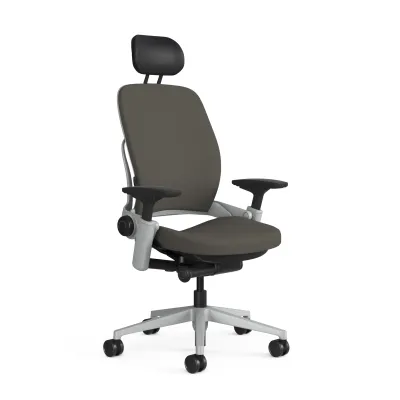
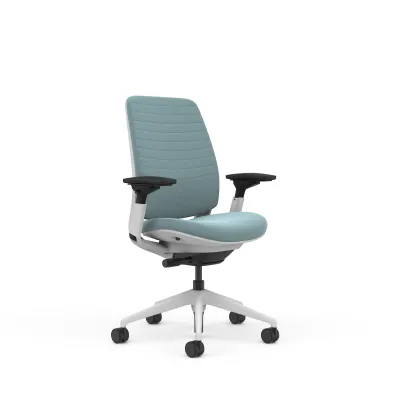
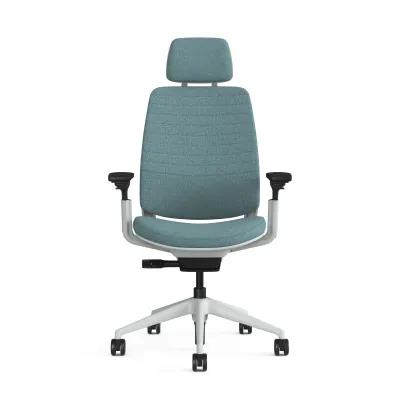
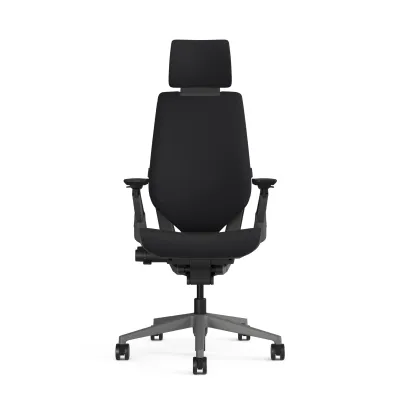
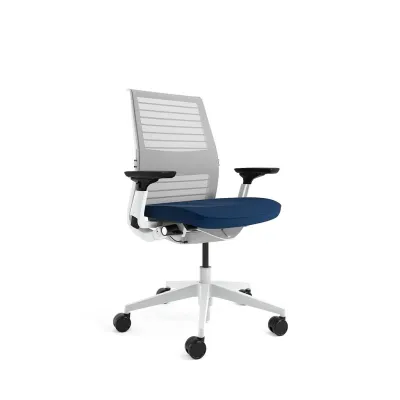
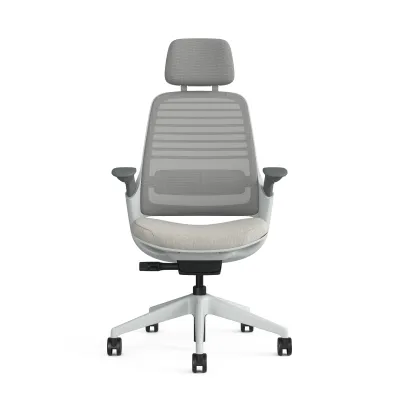
Prices are valid at publication and may change. Please refer to the product page for the latest price.
In contrast, Herman Miller often utilizes a structured suspension philosophy. Many of their iconic models feature a rigid outer frame paired with a tensioned elastomeric mesh that cradles the body in a balanced, neutral posture. This design encourages a disciplined, ergonomically correct sitting position, distributing body weight evenly across the seat and backrest. Instead of moving with you in every direction, these chairs are designed to keep you properly aligned, reducing pressure points during extended periods of focused tasking.
When evaluating these brands, you must check specific adjustment ranges against your own body measurements. Seat depth adjustment is critical; a seat that is too deep can press against the back of your knees, restricting circulation, while a seat that is too shallow will not support your thighs adequately. Look closely at the armrest adjustability as well. Premium models should offer multi-directional adjustments—including height, width, depth, and pivot angle—to ensure your shoulders remain relaxed and your elbows are supported at a comfortable angle.
Lumbar support mechanisms also differ significantly between the two manufacturers. Some systems rely on a height-adjustable lumbar pad that applies direct pressure to the lower spine, while others use a passive, flexible backrest design that conforms to the natural S-curve of your back. To find the right fit, verify the tilt mechanism and tension controls. The tilt tension must be adjustable to match your body weight, allowing you to recline effortlessly without feeling like you are falling backward or, conversely, fighting a stiff spring.
Because individual body types vary widely, never rely on general brand assumptions. Always consult the manufacturer’s official specification sheets for exact adjustment limits, including minimum and maximum seat heights, seat depth ranges, and weight capacities. This technical verification is especially important if you fall outside average height or weight distributions, ensuring the chair can be tailored precisely to your physical needs.
Material Feel and Daily Comfort
The choice of upholstery material is one of the most critical decisions when selecting a premium ergonomic chair, directly impacting your daily comfort and the overall feel of your home office. High-end mesh suspension offers a unique, weightless sitting experience. The tensioned mesh conforms to your body shape, eliminating traditional pressure points and promoting exceptional airflow. This makes mesh an appealing option for warm environments, as it prevents heat buildup along your back and thighs.

On the other hand, premium fabric and foam cushions provide a more traditional, contoured feel. High-quality foam seats are designed to distribute weight evenly while offering a soft, padded surface that some users find more comfortable for long hours of sitting. Fabric upholstery also allows for a wider variety of textures and colors, making it easier to match your home decor. However, foam and fabric can retain more body heat than mesh, which is an important consideration depending on your workspace environment.
In Singapore, your home office climate plays a major role in material selection. If you work primarily in an air-conditioned room, a fabric and foam chair can feel cozy and highly comfortable. However, if you rely on natural ventilation or ceiling fans, the high humidity and ambient temperatures may make a breathable mesh suspension chair a more practical choice to prevent perspiration and discomfort.
Regardless of the material you choose, long-term maintenance is essential. Instruct yourself to check the manufacturer’s care labels for specific cleaning requirements, stain resistance ratings, and wear indicators. Mesh chairs are generally easier to wipe down and do not trap dust, whereas fabric chairs may require periodic vacuuming or specialized upholstery cleaners to maintain their appearance and hygiene.
To ensure you are investing in a durable product, perform a physical inspection of the material tension and seam quality if possible. Look for double-stitched seams, secure attachment points where the fabric or mesh meets the frame, and a resilient rebound in the mesh or foam. A high-quality chair should maintain its structural integrity and tension over years of daily use without sagging or fraying.
Space Footprint and Home Office Integration
Premium ergonomic chairs are substantial pieces of furniture, and their physical and visual footprint can significantly affect your home office layout. Some models feature wide, sweeping frames and high backs that command a presence, while others offer a more compact, minimalist profile. Understanding how a chair integrates into your room is crucial, especially in typical Singapore residential layouts where space may be at a premium.
Before purchasing, create a checklist to measure your workspace dimensions. Measure your desk height, the clearance between desk legs, and the surrounding floor space to ensure the chair can glide and rotate freely. Additionally, verify the width of your home’s doorways, hallways, and lift access. Premium chairs often ship fully assembled in large boxes, and ensuring smooth delivery and placement requires knowing these entry dimensions beforehand.
You must also check the chair’s maximum height and recline clearance. A chair with a deep recline mechanism requires extra space behind the desk to prevent the backrest from colliding with nearby shelves, drawers, or walls. If your workspace is tight, a model with a more upright tilt path or a compact base footprint may be necessary to maintain a functional flow in the room.
If you use a height-adjustable standing desk, pay close attention to the chair’s weight and mobility features. Transitioning between sitting and standing means you will be moving the chair frequently. A chair with smooth-rolling casters suitable for your floor type (hard casters for carpets, soft casters for vinyl, parquet, or tile) is essential. Ensure the chair’s weight allows you to reposition it easily without straining your back or damaging your flooring.
Warranty, Servicing, and Local Purchasing
Investing in a premium ergonomic chair involves a significant financial commitment, often exceeding S$1,000 or even S$2,000. To protect this investment, you must carefully evaluate the warranty structure and after-sales support. Standard warranties for premium brands are often exceptionally generous, sometimes spanning up to 12 years, but the coverage is rarely uniform across all components.
When comparing warranty terms, note the differences in coverage for different parts of the chair. The structural frame and tilt mechanism may carry a long-term guarantee, while the gas cylinder, armrest pads, and upholstery fabrics might have shorter coverage periods. Understanding these distinctions prevents unexpected repair costs down the line.
To ensure your warranty remains valid, always purchase through authorized local dealers or official brand showrooms in Singapore. Authorized distributors not only guarantee authentic products but also provide professional assembly, delivery, and local servicing. If a component fails, an authorized dealer can source genuine replacement parts and dispatch qualified technicians to handle the repair, often directly in your home.
Conversely, purchasing from unauthorized third-party sellers, parallel importers, or grey-market channels carries significant risks. While these options may offer a lower upfront price, they often void the manufacturer’s warranty entirely. If the gas lift fails or the mesh tears, you may find yourself unable to access official repair services or genuine parts, turning a premium investment into an expensive, unfixable liability. Always request and thoroughly review the official warranty documentation from the seller before finalizing your purchase.
Decision Framework: Choosing Your Ideal Chair
To finalize your decision, align your personal preferences and physical requirements with the distinct design profiles of each brand.
Choose Steelcase if you prefer:
- The plush, cushioned feel of premium fabric and foam seats over mesh suspension.
- Highly flexible backrests and lumbar systems that dynamically adapt to active, shifting postures throughout the day.
- Extremely adjustable armrests that slide, pivot, and telescope to support a wide range of tasks, from typing to mobile device use.
Choose Herman Miller if you prefer:
- The cool, breathable sensation of tensioned mesh suspension, particularly beneficial in warm or naturally ventilated rooms.
- A structured, disciplined seating posture that actively guides your spine into a healthy, neutral alignment.
- An iconic, visually striking design profile that serves as a statement piece in your home office.
Verify first if you have specific medical conditions, such as chronic lower back pain or coccyx sensitivity, as certain frame designs or mesh tensions may exacerbate or alleviate these issues differently. Additionally, if you have an exceptionally tall or short stature, or use a non-standard desk height, double-check the exact adjustment ranges on the manufacturer’s specification sheets.
Your final step should always involve physical testing. Visit an authorized showroom in Singapore to sit in the models you are considering. Spend at least 15 to 20 minutes in each chair, adjusting it to your measurements and simulating your typical working postures to ensure a perfect ergonomic fit before making your purchase.
Frequently Asked Questions (FAQ)
How do I know if a premium ergonomic chair is worth the investment?
A premium ergonomic chair is generally worth the investment if you spend more than four to five hours a day sitting at your desk. Over years of daily use, the superior adjustability and materials help mitigate the physical strain associated with sedentary work, potentially preventing long-term musculoskeletal issues. To evaluate the true value, compare the upfront cost against the manufacturer’s rated lifespan and warranty period; a chair backed by a 12-year warranty often costs less per year of use than replacing multiple budget chairs over the same timeframe.
Can I test these chairs before buying them in Singapore?
Yes, you can and should test these chairs before purchasing. Official brand showrooms and authorized multi-brand furniture retailers are located across Singapore, offering dedicated spaces where you can experience various models firsthand. When visiting a showroom, do not just sit briefly; take the time to adjust the seat depth, lumbar support, and armrests to match your body. Simulate your actual work habits—such as reclining, typing, and leaning forward—to verify that the chair supports your movements comfortably and matches your home office desk height.

Community discussion
Share your experience or ask a question. Comments are reviewed before publication.